
Quick Answer: Matching Tote Designs to Your Storage Needs
Selecting the ideal diaper tote bag requires balancing total storage volume with how easily you can access individual items. There is no single “perfect” bag for every parent; instead, the right choice depends on whether you prioritize maximum volume for long day trips or streamlined, structured organization for quick errands.
Popular brands on the market differentiate themselves primarily through their approach to shape retention and pocket zoning rather than just total liter capacity. A structured tote with rigid walls keeps small essentials upright and highly visible, making it an excellent choice for parents who prefer strict compartmentalization. Conversely, a flexible, slouchy tote made of softer materials expands easily to accommodate bulky, irregular items like blankets and extra clothing, though it may require external pouches to prevent smaller items from settling at the bottom. By matching your daily routine and packing style to these distinct design philosophies, you can select a bag that simplifies outings with your baby.
Comparing Capacity: Total Volume vs. Usable Space
When evaluating a diaper tote bag, relying solely on the manufacturer’s stated volume in liters or external dimensions can be misleading. Total volume measures the entire three-dimensional space inside the bag, but the actual usable space depends heavily on the bag’s shape, material flexibility, and internal layout. A bag that appears large on paper may feel restrictive in practice if its opening is narrow or if its interior compartments are poorly distributed.
Products mentioned in this guide
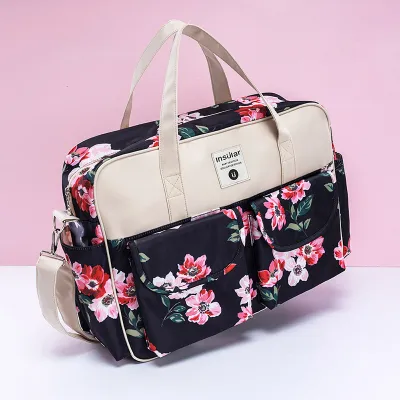
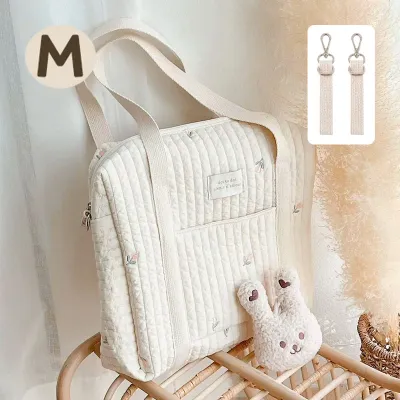
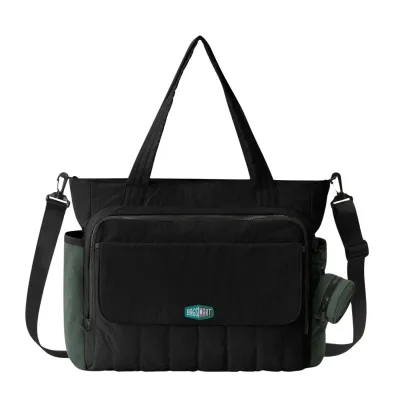
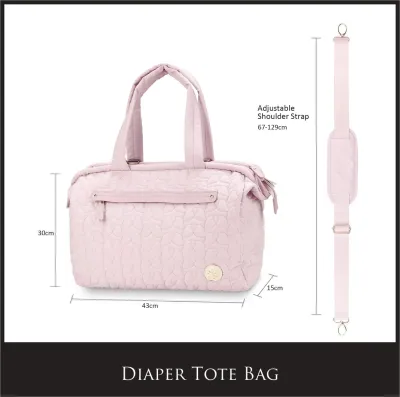
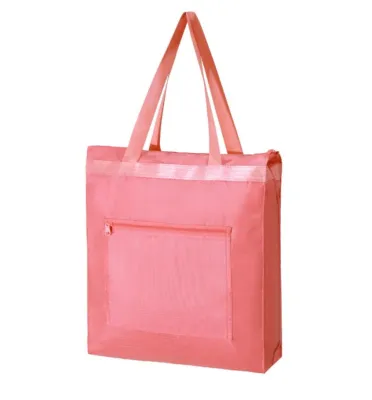
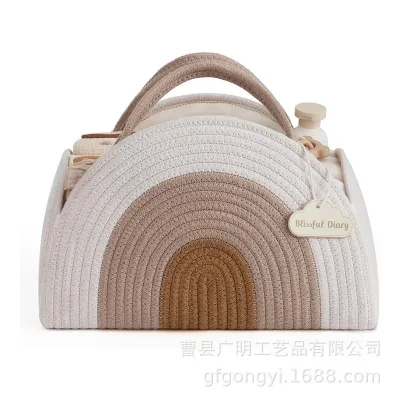
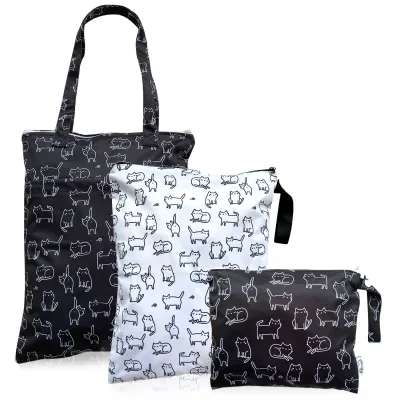
Prices are valid at publication and may change. Please refer to the product page for the latest price.

Structured, boxy diaper totes excel at maximizing usable space for rigid, geometric items. If you regularly carry formula tins, thermal water flasks, rectangular food containers, or hard-shelled wipe dispensers, a structured bag preserves its corners and keeps these items from pressing into one another. The flat, reinforced bottom of a structured tote ensures that the bag remains upright when set on a flat surface, preventing liquids from spilling and keeping your carefully organized items in their designated places.
In contrast, tapered or slouchy designs often lose usable space near the top corners as the bag narrows toward the zipper. However, these bags frequently feature expandable side gussets or flexible fabrics like neoprene and lightweight nylon. This flexibility allows the bag to stretch around bulky, soft items such as spare changes of clothes, plush toys, swaddle blankets, or breast pump components. While a slouchy bag might bulge outward and lose its sleek silhouette when overpacked, it offers a level of forgiving capacity that rigid bags cannot match.
To avoid purchasing a bag that is either too small for your daily needs or unnecessarily bulky, it is highly recommended to perform a physical inventory of your essential gear before buying. Lay out the items you realistically expect to carry on a typical outing and measure their collective footprint.
The Daily Essentials Inventory Checklist
- Feeding Equipment: Measure the height and diameter of your baby bottles, formula dispensers, and thermal flasks to ensure they fit vertically without blocking the main zipper.
- Diapering Supplies: Gather four to six diapers, a travel-sized pack of wet wipes, a portable changing mat, and diaper rash creams.
- Clothing and Comfort: Pack at least two complete changes of clothes, a swaddle blanket, bibs, and spare pacifiers in hygienic cases.
- Parent Essentials: Allocate space for your personal items, including a wallet, keys, mobile phone, hand sanitiser, and a reusable water bottle.
Once you have compiled your typical gear list, compare these physical items against the manufacturer’s specified interior dimensions. Always check the official product documentation for exact measurements, base width, and depth rather than relying on ambiguous marketing terms like “extra-large” or “roomy.” This ensures the bag fits both your baby’s gear and your personal carrying preferences.
Evaluating Organization: Compartments, Pockets, and Accessibility
An exceptionally spacious diaper tote bag can quickly become frustrating if it lacks a logical organizational system. When you are managing a crying baby in a public space, you cannot afford to spend minutes rummaging through a single deep, dark compartment to find a pacifier or a clean diaper. The placement, depth, and accessibility of a bag’s pockets directly impact its daily usability.
Interior Zoning and Dividers
The internal layout of a diaper tote bag determines how effectively you can separate clean items from dirty ones, and baby gear from your personal belongings. High-quality totes often feature interior zoning, which may include dedicated parent pockets, key leashes, and elasticised slip pockets. Some brands incorporate removable divider systems, allowing you to customize the main compartment based on the day’s activities. For instance, you can create separate sections for feeding bottles, diapers, and a change of clothes, or remove the dividers entirely to create a single open space for larger items.
Rigid internal frames and structured dividers are excellent for keeping items upright and preventing them from shifting during transit. If a bag has a soft, unstructured interior, items tend to migrate toward the center, creating a cluttered heap at the bottom. In such cases, you will likely need to rely on color-coded packing cubes or organizing pouches to maintain order. Additionally, look for bags with light-colored or contrasting interior linings; dark fabrics absorb light, making it incredibly difficult to locate small items in low-light environments, such as a dimmed nursing room in a Singapore shopping mall.
Exterior Accessibility and Closures
How a diaper tote bag opens and closes is a crucial factor in its usability, particularly when you only have one free hand. Main compartment closures generally fall into three categories: wide-zippered openings, magnetic snaps, and open-top designs. Zippered openings offer the highest level of security, preventing items from falling out if the bag tips over in your car or on a stroller basket. However, look for zippers that glide smoothly and feature extended pull tabs or doctor-bag-style frames that stay propped open on their own.
Magnetic snap closures and open-top designs offer rapid, one-handed access to the interior, but they provide less protection against rain, dust, or accidental spills. Beyond the main opening, evaluate the exterior pockets. Quick-access slip pockets on the front or back of the tote are invaluable for storing items you need to grab instantly, such as wet wipes, tissues, or your phone. Pay close attention to the construction of exterior side pockets; if they feature tight, non-stretchy elastic, they may struggle to hold wider water bottles or full packs of baby wipes, rendering them far less useful in real-world scenarios.
Specialized Storage for Bottles and Wet Items
Temperature control and hygiene management are essential considerations for any parent on the go. Most modern diaper totes include built-in insulated bottle pockets designed to keep milk, formula, or water warm or cool for several hours. However, insulation performance varies widely, and you must verify whether these pockets are wide and tall enough to accommodate your specific brand of baby bottles, especially wide-neck or extra-tall varieties.
Equally important is a dedicated, easy-to-clean wet compartment or waterproof pocket. This zone is essential for isolating soiled clothes, damp bibs, or wet swimsuits after a sensory play session or a trip to an outdoor water playground. Before purchasing, check the manufacturer’s care labels and cleaning instructions for these specialized compartments. Some insulated linings and waterproof materials cannot be machine washed and must be wiped down with a damp cloth and mild detergent to prevent mold growth, which is a particularly common issue in warm, humid climates.
Choosing a Diaper Tote Bag: How Popular Categories Compare
To help you narrow down your choices, it is helpful to categorize popular diaper tote bags by their structural design approach. Each category represents a different set of trade-offs between aesthetic appeal, weight, flexibility, and carrying comfort.
| Design Type | Best Use Case | Key Advantages | Potential Limitations |
|---|---|---|---|
| Structured & Minimalist | Short trips, professional settings, structured packing | Maintains shape, easy to view contents, elegant aesthetic | Heavier empty weight, limited stretch for bulky items |
| High-Capacity Flexible | Long day trips, carrying bulky gear, active outings | Lightweight, highly expandable, easy to compress | Items can shift, lacks structure when placed on ground |
| Hybrid Tote-Backpack | Hands-free travel, public transit, long walks | Highly versatile, ergonomic weight distribution | Conversion straps can add bulk, slightly more complex access |
Structured and Minimalist Totes
Structured and minimalist diaper totes are designed for parents who prioritize a polished, professional aesthetic alongside strict organization. These bags are typically constructed from premium materials such as vegan leather, heavy-duty canvas, or structured nylon. Because they feature reinforced baseboards and stiff side panels, they maintain their upright shape even when completely empty. This structural integrity makes it incredibly easy to pack and unpack the bag, as the mouth remains wide open and the pockets do not collapse inward.
However, this rigid construction comes with specific trade-offs. Structured totes generally have a higher empty weight than their unstructured counterparts, meaning you start with more load on your shoulder before packing a single item. Additionally, the stiff materials offer virtually no stretch; if you attempt to pack an unusually bulky item, such as a large toy or an extra-thick winter jacket, the bag may refuse to zip shut. This style is best suited for parents who carry flat, neatly folded items and prefer a bag that transitions seamlessly from a family outing to a professional environment.
High-Capacity Flexible Totes
High-capacity flexible totes are built for maximum storage versatility and lightweight comfort. Often constructed from soft, pliable materials like high-grade neoprene, crinkled nylon, or lightweight polyester, these bags are designed to expand and conform to whatever you pack inside. If you need to stuff a plush toy, a thick knitted blanket, or an emergency change of clothes into the main compartment, the flexible fabric stretches easily to accommodate the extra volume.
The primary drawback of a flexible tote is its lack of self-standing capability. When placed on the floor or a bench, the sides of the bag tend to collapse, making it difficult to search through the interior with one hand. Furthermore, without a rigid internal structure, smaller items can easily migrate and become buried under larger gear. To maintain order in a flexible tote, you will likely need to invest in separate pouches or organizer inserts. These bags are ideal for parents who value lightweight carrying and need a highly forgiving storage capacity for long days out.
Hybrid Tote-Backpacks
Hybrid tote-backpacks offer a highly versatile compromise for parents who want the elegant look of a classic tote but require the ergonomic benefits of a backpack. These bags feature traditional top grab handles or shoulder straps but also incorporate hidden, tuck-away, or detachable backpack straps. This convertible design allows you to carry the bag as a stylish tote when walking short distances, and quickly switch to a backpack configuration when you need to keep your hands completely free.
The ability to distribute weight evenly across both shoulders is a massive advantage when the bag is fully loaded with heavy liquids, flasks, and multiple changes of clothes. This is especially beneficial when navigating public transit systems, climbing stairs, or pushing a stroller over long distances. However, keep in mind that the convertible mechanism—such as extra straps, D-rings, and storage pockets—can add minor weight and complexity to the bag’s exterior. When evaluating a hybrid option, ensure that the transition between carrying styles is quick and intuitive, and that the unused straps do not dangle dangerously or drag on the ground.
Final Verdict: Choose Your Tote Based on Your Daily Routine
To make your final decision, evaluate how your typical daily routine, environment, and personal carrying preferences align with the strengths of each diaper tote category.
Choose structured, highly organized totes if:
- You prefer a bag that stands upright on its own when placed on a table, floor, or public changing station.
- Your packing style relies on dedicated, pre-defined pockets for every single item.
- You carry mostly flat, geometric items and want a sleek, professional look that does not resemble a traditional baby bag.
Choose flexible, high-capacity totes if:
- You regularly pack bulky, soft, or irregular items that require a bag with stretch and forgiving capacity.
- You prioritize a lightweight bag that minimizes the strain on your shoulders during extended outings.
- You do not mind using separate organizing pouches to keep your smaller essentials sorted.
Choose hybrid tote-backpacks if:
- You frequently travel long distances on foot, use public transport, or need to keep both hands free to manage multiple children.
- You want the flexibility to switch between a professional tote aesthetic and an ergonomic backpack carry.
- You carry heavier loads, such as multiple full bottles or thermal flasks, that require balanced weight distribution.
Before finalizing your purchase, always verify that the tote’s strap drop length is compatible with your body frame and your preferred stroller handle height. Many diaper totes include integrated stroller straps or clips; if you plan to hang the bag from your stroller, consult your stroller’s safety manual first to verify the maximum allowable weight limit on the handlebar to prevent tipping hazards.
Finally, consider your local environment. In warm, humid climates, carrying a heavy, fully loaded tote bag on one shoulder for extended periods can quickly lead to discomfort and heat retention. If you plan to carry the bag primarily on your shoulder rather than hanging it on a stroller, prioritize totes made from breathable fabrics with wide, ergonomically padded shoulder straps to ensure a comfortable and hassle-free experience.

Community discussion
Share your experience or ask a question. Comments are reviewed before publication.