
Quick Answer: Finding the Best Leak Protection for Your Baby
Finding the ideal diaper pants for your baby in Singapore’s warm, humid climate is not about finding a single universally “best” brand. Instead, it is about matching specific design features to your baby’s unique body shape, movement level, and liquid output.
No single brand can guarantee zero leaks for every infant because physical builds and activity levels vary widely. A diaper pant that fits a chubby-thighed baby perfectly might leave gaps on a leaner, more active crawler.
Reliable leak protection is a combination of three core elements: the absorbency of the inner core, the physical barrier of the leg cuffs, and an accurate fit. To find the right match, you should evaluate specific product features—such as wetness indicators, high-waist bands, and double-layered leg guards—against your baby’s daily routine and physical build.
Products mentioned in this guide


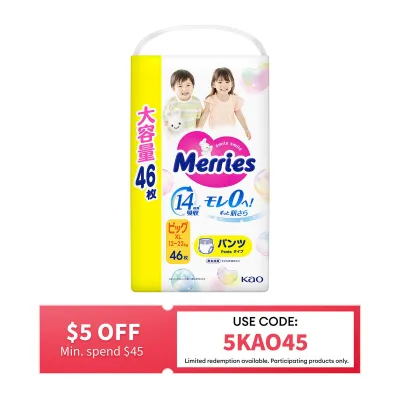
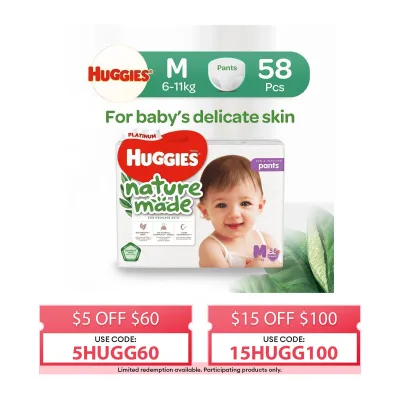
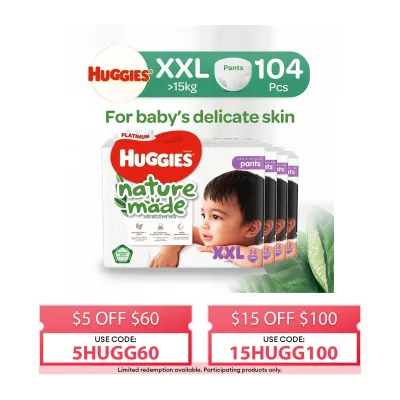



Prices are valid at publication and may change. Please refer to the product page for the latest price.
What Actually Determines Absorbency and Leak Protection?
To look past marketing claims on diaper packaging, it helps to understand the structural components of modern diaper pants. The primary engine of absorbency is the absorbent core, which typically consists of Superabsorbent Polymer (SAP) mixed with wood fluff pulp or structured into thin, channel-based sheets.

SAP is highly effective because it can lock away many times its weight in liquid, turning moisture into a gel to keep it away from your baby’s skin. When reading manufacturer descriptions, look for mentions of structured channels or multi-layer cores, which help distribute liquid evenly and prevent the diaper from sagging or clumping in one spot.
Beyond the core, physical barriers are your primary defense against sudden leaks. Elastic leg cuffs and standing leak guards act as walls to contain liquid before the core can fully absorb it.
A high-quality waistband should offer multi-directional stretch, allowing the diaper pants to hug your baby’s lower back and stomach without leaving deep red marks. This flexibility is especially important when your baby transitions from sitting to crawling, as movement can create temporary gaps where leaks occur.
The materials used in the top-sheet (the layer touching the skin) and the back-sheet (the outer cover) also play a critical role in performance. In Singapore’s humid climate, a highly breathable back-sheet is essential to allow heat and moisture vapor to escape, reducing the risk of skin irritation.
Many brands include a wetness indicator—a strip that changes color when wet—which helps you monitor the diaper’s status without having to pull it open or wait for a heavy sag.
How to Compare Diaper Pant Brands at Home
Because you cannot test diaper pants in the store, conducting a systematic home trial is the most reliable way to evaluate performance before committing to bulk purchases on online marketplaces. Start by purchasing small trial packs or single packs of two or three different brands that match your baby’s current weight range.
Before putting the diaper pants on your baby, perform a quick visual and tactile inspection. Feel the softness of the inner lining, stretch the waistband to its limit to check its elasticity, and inspect the height of the inner leg guards.
A softer lining reduces friction against delicate skin, while a highly elastic waistband ensures a snug fit that adapts to your baby’s movements. Note the thickness of the dry diaper; while thickness does not always equate to absorbency, it can affect how easily your baby moves.
Next, run a three-to-five-day trial period for each brand, keeping a simple log of your observations. Track how often leaks occur, whether they happen during daytime play or overnight sleep, and where the liquid escapes (such as the waist or the thighs).
Observe how the core behaves when wet; does it sag heavily between the legs, or does it distribute the liquid evenly across the front and back? Check your baby’s skin during changes to see if it feels dry to the touch or if there is residual moisture, which indicates slow absorption.
Finally, cross-reference your real-world observations with the manufacturer’s specifications on the packaging. Check if the recommended weight range aligns with your baby’s actual weight, and note whether features like wetness indicators or double barriers performed as advertised.
This structured comparison helps you identify which brand’s design matches your baby’s physical build and output patterns, saving you money and reducing laundry loads in the long run.
How to Choose the Right Diaper Pants for Your Baby's Needs
Selecting the right diaper pants requires matching the product’s design strengths to specific daily scenarios and your baby’s developmental stage. For overnight use or long car rides, prioritize diaper pants with a thicker profile and a high-capacity absorbent core.
These overnight-focused options are designed to hold heavy volumes of liquid over eight to twelve hours, keeping moisture away from the skin to support uninterrupted sleep. Look for brands that feature reinforced back-sheet protection and wider waistbands to prevent leaks when your baby rolls over.
During the day, especially if your baby is actively crawling, cruising, or walking, switch to a slim, highly flexible profile. Active babies need diaper pants that move with them without bunching up or chafing the inner thighs.
A lightweight, highly breathable diaper pant with excellent waistband stretch allows for maximum mobility while keeping the absorbent core close to the body to catch sudden voids.
If your baby is currently experiencing severe diaper rash or has highly sensitive skin, your selection criteria must shift from pure absorbency to skin protection. Prioritize hypoallergenic, fragrance-free, and chlorine-free diaper pants with simple core designs that minimize chemical exposure.
During active flare-ups, increase the frequency of changes regardless of how much capacity the diaper has left, and consult a pediatrician or healthcare professional for targeted treatment advice.
Always verify your baby’s current sizing before making a decision, as being between sizes is a common cause of persistent leaks. If your baby is approaching the upper limit of a size bracket, or if you notice frequent leaks despite proper application, transitioning to the next size up often resolves the issue by providing a larger absorbent area and taller leak guards.
Troubleshooting Leaks: Is It the Diaper or the Fit?
Before you decide to abandon a brand and switch to a new one, it is wise to investigate whether the leaks are caused by a product limitation or a simple fit issue. Start by checking the manufacturer’s weight chart and comparing it to your baby’s current weight, keeping in mind that these charts are general guidelines rather than absolute rules.
Look for physical fit markers on your baby’s body: deep red marks around the thighs or waist indicate the diaper is too tight, while gaps at the leg openings or a sagging waistband suggest it is too loose. If you can easily fit two fingers under the waistband and the leg cuffs hug the thighs snugly without gaps, the size is likely correct.
Application errors are another frequent culprit behind unexpected leaks, even with high-quality diaper pants. When pulling the pants up, always ensure that the inner standing leak guards are fully flipped outward around the thighs rather than tucked inward.
Check that the waistband is pulled up evenly at both the front and back, and make sure the diaper is not twisted or bunched inside your baby’s clothing. Taking an extra five seconds to run your finger around the leg elastic after every change can prevent a major leak later.
Finally, recognize that every diaper pant has a physical limit to its absorbent capacity. If your baby is drinking more fluids or sleeping longer stretches, their output may simply exceed the capacity of a standard daytime diaper.
In these cases, frequent leaks do not mean the brand is defective; rather, they indicate a need to upgrade to a larger size or transition to a dedicated overnight diaper pant with a higher concentration of superabsorbent polymers.
Frequently Asked Questions (FAQ)
Do thicker diaper pants always absorb more?
No, physical thickness is not a reliable indicator of a diaper pant’s absorbent capacity. Modern diaper technology utilizes highly concentrated Superabsorbent Polymer (SAP) crystals, which are incredibly thin when dry but expand to hold significant amounts of liquid.
Thicker diaper pants often contain more wood fluff pulp, which provides structure but may hold less liquid per gram than pure SAP. When comparing options, focus on the manufacturer’s absorbency specifications and observe how well the core retains liquid during use rather than relying on how thick the diaper feels out of the package.
How often should I change diaper pants to prevent leaks?
As a general guideline, diaper pants should be changed every three to four hours during the day, or as soon as the wetness indicator changes color completely. Regular changes prevent the absorbent core from reaching its maximum capacity, which significantly reduces the risk of leaks and skin irritation.
However, any bowel movement requires an immediate change regardless of how recently the diaper was put on or how much absorbent capacity remains. Leaving stool in contact with the skin can quickly cause diaper rash and compromises the integrity of the diaper’s leak barriers.

Community discussion
Share your experience or ask a question. Comments are reviewed before publication.