
Finding the right diaper in Singapore is a balancing act between performance, comfort, and household budget. With the local climate remaining hot and humid year-round, a diaper’s breathability and fit are just as critical as its raw liquid capacity. Parents often find themselves navigating a vast marketplace filled with various regional designs, from ultra-thin East Asian imports to more structured, heavily padded Western models. Choosing the ideal option requires looking past marketing buzzwords and understanding how different diaper constructions perform under real-world conditions.
By focusing on objective metrics such as structural design, material composition, and unit cost calculations, you can systematically evaluate which diaper suits your baby’s unique shape and developmental stage. This guide breaks down the essential performance indicators, compares common design philosophies, and provides a practical framework to help you make an informed decision.
Core Metrics for Comparing Diaper Brands
Evaluating diaper performance requires a clear understanding of three primary pillars: absorbency, fit, and cost-efficiency. Absorbency is not merely about how much liquid a diaper can hold, but how quickly it draws moisture away from the skin and how evenly that liquid is distributed. Modern disposable diapers rely on a blend of fluff pulp and Superabsorbent Polymers (SAP). The distribution of these materials determines whether a diaper remains slim when wet or clumps into heavy, sagging pockets. Many brands also include a wetness indicator—a pH-sensitive strip on the outer shell that changes color when exposed to moisture—which helps caregivers monitor saturation levels without opening the diaper.
Products mentioned in this guide
![Moony Low Irritation Tape Baby Diapers S 58pcs x 4 packs (4-8 kg) [Carton]](https://img.lazcdn.com/g/p/27c482602057bf85f6e64e7442d53a3f.jpg_400x400q80.jpg_.webp)
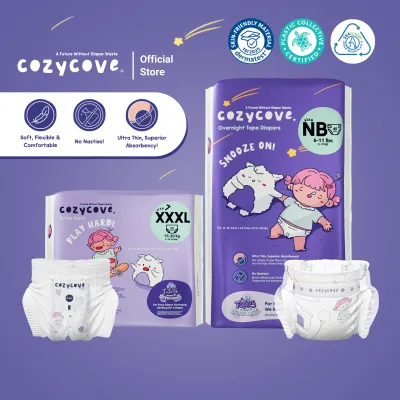
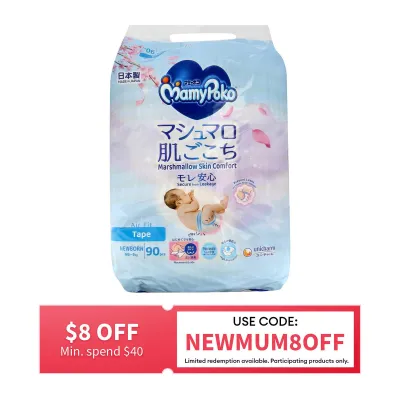
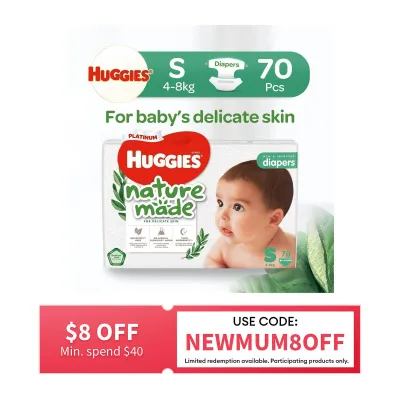
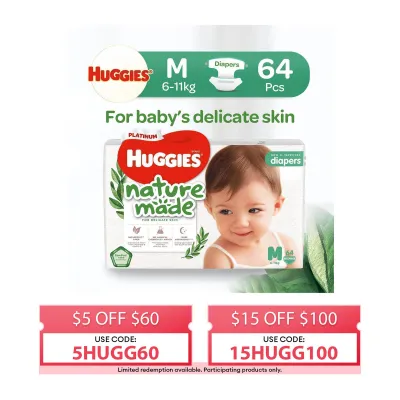
Prices are valid at publication and may change. Please refer to the product page for the latest price.
Fit variables are equally critical because even the most absorbent diaper will leak if it does not seal properly around the baby’s body. Key structural elements to examine include the waistband elasticity and the design of the leg cuffs. A high-quality waistband should stretch comfortably to accommodate a baby’s expanding belly after feeding while remaining snug enough to prevent blowouts at the back. Leg cuffs, often featuring double-layered elastic gathers, act as the primary barrier against side leaks. Sizing consistency can vary significantly depending on the brand’s country of origin, with some regional cuts running narrower or shorter than others.
Calculating the true value of a diaper goes beyond comparing the retail price of a single pack. Parents must look at the cost per unit alongside the diaper’s actual performance. A cheaper diaper that requires frequent changes due to poor absorbency or causes regular leaks—resulting in extra laundry and outfit changes—may ultimately cost more than a premium diaper that keeps a baby dry for hours. To establish a baseline, calculate the cost per diaper by dividing the pack price by the number of pieces, and then weigh this against the diaper’s wear duration and reliability.
Absorbency and Leak Protection Across Popular Diaper Lines
When comparing diaper lines available in Singapore, you will generally encounter two distinct design philosophies: slim-fit Asian designs and heavily padded Western designs. Slim-fit models, frequently manufactured in Japan or South Korea, prioritize a high concentration of SAP and advanced acquisition distribution layers (ADL). These layers quickly channel liquid along the length of the diaper, keeping the profile incredibly thin and flexible even when fully saturated. Conversely, heavily padded Western designs often utilize a higher ratio of fluff pulp. While this construction provides a soft, cushioned feel, it tends to swell significantly and can restrict movement as it fills.

To assess leak protection in daily use, caregivers should perform simple observable checks. When a diaper is nearing saturation, the outer cover may feel slightly cool or damp to the touch, indicating that the breathable membrane is allowing moisture vapor to escape. If leaks occur, observe where the moisture escapes to identify the root cause. Gaps at the waistband when the baby sits or crawls suggest the diaper is either too loose or lacks sufficient back elasticity. Leaks around the thighs usually indicate that the leg gathers were not fully flared outward during fastening, or that the diaper’s leg openings are too large for the baby’s current thigh circumference.
It is important to recognize that absorbency limits are highly dependent on the product tier and size. Premium tiers within a brand’s lineup typically feature faster absorption rates and drier top sheets compared to their standard or budget counterparts. Furthermore, as babies grow and their bladder capacity increases, their output per wetting becomes larger. If you notice frequent leaks despite a correct fit, it is often a sign that the baby’s output has exceeded the absorption speed of their current diaper size, requiring a transition to a larger size or a higher-performing overnight tier.
Fit, Comfort, and Skin Sensitivity Variations
Every baby has a unique body shape, meaning a diaper that fits one infant perfectly might cause leaks or discomfort on another. Diapers generally fall into different fit profiles, such as high-rise cuts that sit well above the belly button or low-rise, trimmer cuts. High-rise designs are particularly effective for younger, stationary infants who spend a lot of time lying down, as they offer superior protection against back blowouts. For active crawlers and toddlers, diapers with highly flexible, 360-degree stretchy waistbands or pull-up pants styles are often preferred, as they adapt to constant movement without shifting out of place.
In Singapore’s hot and humid climate, material breathability is paramount for maintaining skin integrity. Trapped heat and moisture create an ideal environment for friction and diaper rash. When evaluating comfort, feel the inner lining of the diaper; it should be exceptionally soft to minimize friction against delicate skin. While many brands market their products as hypoallergenic or organic, parents should verify these claims by checking the packaging for specific dermatological testing certifications or ingredient lists that confirm the absence of added fragrances, latex, and elemental chlorine bleaching.
To ensure your baby is comfortable, regularly inspect their skin for signs of a poor fit. Red marks or indentations around the thighs or waist indicate that the elastic is too tight, signaling that it is time to adjust the fastening tabs or size up. Conversely, if the diaper sags excessively even when empty, or if there are visible gaps around the legs when the baby moves, the fit is too loose. A well-fitting diaper should sit symmetrically on the baby’s body, with the fastening tabs securing comfortably near the center guide marks without straining.
Evaluating Value for Money and Bulk Buying Strategies
Navigating the financial aspect of diapering requires a structured approach to purchasing. The cost per diaper fluctuates significantly based on the size, pack count, and product tier. Generally, smaller sizes (such as Newborn and Small) have a lower cost per unit and come in larger pack quantities, whereas larger sizes (such as Large and Extra Large) cost more per unit and contain fewer diapers per pack. To optimize your budget, always calculate the unit cost using the formula:
Cost per Diaper = Total Pack Price (S$) / Number of Diapers in Pack
Premium diaper lines often carry a higher unit price, justified by features like ultra-soft materials, thinner profiles, and superior overnight dryness. Standard lines or store brands, while less plush, offer excellent basic functionality at a lower price point. A practical strategy is to use a dual-system approach: reserve premium, high-absorbency diapers for overnight sleep and long outings where changes are difficult, and utilize standard or budget-friendly diapers during the day when changes are frequent and routine. This method ensures maximum comfort when it matters most while keeping overall expenses manageable.
When stocking up, local parents can leverage bulk buying strategies to secure better value. Online marketplaces, subscription services, and local baby fairs frequently offer volume discounts or promotional bundles. However, caution is necessary when purchasing in bulk. Babies grow rapidly, and buying too many packs of a single size can leave you with leftover diapers that no longer fit. Before purchasing multiple cartons, ensure your baby is not near the upper limit of the current size’s weight range, and verify the retailer’s exchange policy regarding unopened packs.
Decision Framework: Matching Diaper Features to Your Baby's Needs
To finalize your diaper selection, match your baby’s specific physical needs and your daily routine to the most suitable diaper category:
- Choose slim-fit premium lines if your baby is highly active, has reached the crawling or walking stage, and requires maximum flexibility with minimal bulk between the thighs to prevent chafing during movement.
- Choose heavily padded standard lines if your baby is a heavy wetter, particularly during long sleep stretches, and you require a thicker core with high localized liquid retention to prevent overnight leaks.
- Choose budget or store brands if your baby is changed frequently throughout the day, has predictable bowel movements, and daytime cost-efficiency is your primary household priority.
- Verify first if your baby has extremely sensitive skin, a history of eczema, or persistent diaper rashes. In these cases, prioritize fragrance-free, chlorine-free options, inspect dermatological safety labels on the packaging, and consult a pediatrician if skin irritation persists.
Frequently Asked Questions (FAQ)
How do I know when it is time to size up my baby's diaper?
Several physical indicators suggest it is time to transition to a larger diaper size. Look for red, irritated marks left by the elastic bands around your baby’s thighs or waist, which indicate the diaper is becoming too tight. If you find yourself fastening the diaper tabs at the very outer edges of the landing zone, or if the diaper’s rise sits significantly below your baby’s belly button, the diaper is too small. Frequent leaks or sudden blowouts, despite correct application, also indicate that the current size’s absorbent core can no longer contain your baby’s liquid volume. Keep in mind that weight ranges on diaper packaging overlap; if your baby is near the upper limit of a weight bracket and has a rounder build, sizing up early often provides a more secure fit.
Are premium diapers always better than standard or store-brand diapers?
Premium diapers are not universally superior for every situation, as their benefits depend heavily on how they are used. Premium lines typically offer advanced features such as thinner, more flexible cores, exceptionally soft materials, and specialized liners designed to keep liquid stool away from sensitive skin. These features are highly beneficial for overnight use, long travel periods, or babies prone to skin irritation. However, for routine daytime use—where diapers are changed every few hours regardless of saturation—standard or store-brand diapers often perform perfectly well at a fraction of the cost. Utilizing standard diapers for daytime changes and reserving premium diapers for overnight sleep is an effective way to balance performance and budget.

Community discussion
Share your experience or ask a question. Comments are reviewed before publication.