
Choosing the right diaper bag or baby pouch in Singapore depends on balancing storage capacity with the realities of navigating warm, humid weather and urban transit. While a full-sized diaper bag offers comprehensive organization for long days out, a compact baby pouch provides a lightweight, streamlined alternative for quick errands. By evaluating your daily routines, the age of your child, and key material properties, you can select a carrying solution that keeps essentials accessible without adding unnecessary bulk.
Defining Your Daily Carry Needs: Bags vs. Pouches
Understanding the fundamental differences between a full-sized diaper bag and a compact baby pouch is the first step in streamlining your outings. A full-sized diaper bag typically ranges from 15 to 25 liters in capacity, designed to hold multiple changes of clothes, diapers, feeding gear, and personal items. In contrast, a baby pouch is a compact organizer, usually under 5 liters, designed to hold just two or three diapers, a travel pack of wipes, and a small tube of barrier cream.
Several variables dictate your daily storage requirements, starting with your baby’s age and feeding method. A newborn requires frequent changes, extra outfits, and specialized feeding equipment, which naturally demands a larger bag. If you are formula-feeding, you must carry bottles, a thermos of warm water, and pre-measured formula dispensers, whereas breastfeeding parents might require fewer bulky items. As your baby transitions into toddlerhood, the volume of diapers decreases, but the need for snacks, toys, and change of clothes remains, making a medium-sized bag or a modular pouch system highly practical.
Products mentioned in this guide
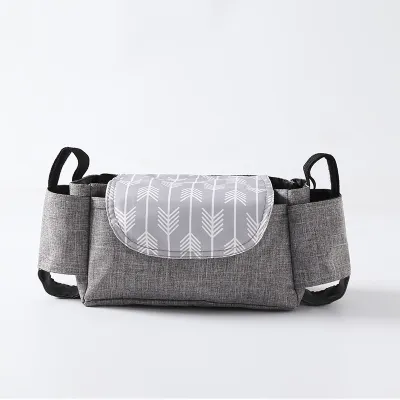
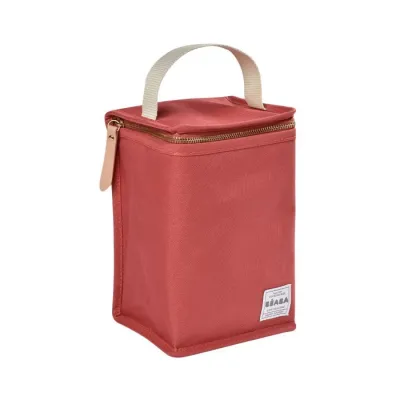
Prices are valid at publication and may change. Please refer to the product page for the latest price.
Singapore’s tropical climate and urban layout also influence what you need to carry. High humidity and sudden downpours mean you must always carry a compact umbrella, a light swaddle or jacket for air-conditioned malls, and extra hydration for yourself and your baby. A short trip to the neighborhood playground or local clinic might only require a baby pouch tucked under a stroller. A full-day outing to a nature park or a family gathering requires a dedicated diaper bag that can comfortably house these climate-specific extras alongside standard baby supplies.
Evaluating Materials and Durability for Tropical Climates
When comparing diaper bags, the choice of material directly impacts weight, comfort, and longevity. Nylon and polyester are popular choices due to their lightweight nature, excellent water resistance, and ease of cleaning. Vegan leather offers a structured, sophisticated aesthetic that transitions well to professional settings, but it can feel heavy and trap heat against your body in warm weather. Canvas provides a classic, durable look, but untreated canvas absorbs moisture easily, making it prone to staining and slow to dry if caught in a tropical shower.

To ensure your bag survives daily wear and tear, perform a physical inspection of its construction details rather than relying on brand names. Inspect the zippers; large, self-repairing nylon coil zippers or metal zippers with smooth pull tabs are less likely to catch or split under tension. Examine the seams for double-stitching or reinforced binding, especially at high-stress points like strap attachments and pocket corners. Hardware, such as D-rings and adjustment buckles, should ideally be made of sturdy metal or high-density plastic that resists cracking.
Singapore’s high humidity creates an environment where mold and mildew can quickly develop on damp fabrics. Always check the manufacturer’s care label to see if the bag is machine washable or if it requires spot cleaning only. If a bag cannot be washed easily, look for antimicrobial linings or water-repellent coatings that prevent spilled milk or water from soaking into the fabric fibers. Regularly airing out the bag in a well-ventilated room is essential to maintaining hygiene.
Organization Features That Actually Save Time
A well-organized diaper bag can significantly reduce stress during outings, allowing you to find items quickly with one hand. Insulated bottle pockets help maintain the temperature of milk or water for a limited time, though you should verify their dimensions to ensure they fit your specific bottle brand. Dedicated changing mat compartments keep the changing pad separate from clean clothes and feeding items, which is crucial for hygiene. A well-designed parent pocket provides secure, easily accessible storage for your keys, wallet, and phone, eliminating the need to carry a separate handbag.
There are distinct trade-offs between highly structured, multi-pocket interiors and flexible, open-concept designs. Highly structured bags keep every item in a designated spot, making it easy to spot if something is missing. However, these rigid compartments can limit your flexibility if you need to pack unusually shaped items, such as a large toy or a breast pump. Open-concept designs offer a single spacious main compartment, allowing you to use modular packing cubes or smaller pouches to customize the layout based on the day’s specific needs.
External pocket accessibility is another critical factor to consider. When your baby needs an immediate diaper change or a quick wipe-down, fumbling with complex clasps or deep internal compartments can be frustrating. External slip pockets or zippered compartments allow you to grab high-frequency items like wet wipes, pacifiers, or your transit card in seconds. Ensure these external pockets are secure enough to prevent items from falling out when the bag is tilted or placed on the floor.
Carrying Comfort and Ergonomics on the Go
The way you carry your diaper bag affects your physical comfort during long walks or transit commutes. Backpack-style diaper bags distribute weight evenly across both shoulders, keeping your hands completely free to push a stroller, carry your baby, or navigate public transport. Tote bags and shoulder bags offer quick, top-down access to your gear but can cause shoulder strain if carried on one side for extended periods. Crossbody bags provide a secure, hands-free option that stays close to your body, making them ideal for quick trips where you only need a few essentials.
To minimize physical strain, look for wide, contoured shoulder straps with breathable mesh padding to reduce sweating in warm weather. An adjustable chest strap can help stabilize a heavy backpack, preventing the shoulder straps from slipping off. If you plan to share the bag with a partner or caregiver, ensure the straps have a wide range of adjustment to accommodate different heights and body frames comfortably.
Many diaper bags come with integrated stroller straps or clips that allow you to hang the bag from the handlebar. While this is highly convenient, you must always check your stroller manufacturer’s guidelines regarding maximum weight limits on the handlebar. Hanging a heavy diaper bag on the handle can easily cause the stroller to tip backward when you lift your baby out, posing a significant safety hazard.
Decision Framework: Matching a Brand to Your Lifestyle
To narrow down your choices, match the bag’s design and features to your primary daily activities and lifestyle priorities.
Choose a structured backpack style if you prioritize hands-free mobility, frequently use public transit, or carry heavy loads for full-day outings. This style is ideal for active parents who need to keep their hands free to manage a stroller, carrier, or toddler.
Choose a stylish tote or crossbody style if you prefer quick, top-down access to your items and want a bag that can easily transition from a baby bag to a professional work bag or casual handbag. This configuration works well for shorter outings or environments where you can easily set the bag down.
Choose a compact baby pouch if you prefer a minimalist approach, primarily take short walks around your neighborhood, or want a modular organizer that can be easily transferred between different larger bags. A pouch is also excellent for keeping diapering essentials grouped together within a stroller basket.
Verify first if you check the specific dimensions of the bag to ensure it fits your stroller’s storage basket, review the manufacturer’s warranty terms for zipper or seam failures, and confirm the return policy of the retailer. Testing the bag’s weight while empty can also give you a realistic idea of how heavy it will feel once fully packed.
Frequently Asked Questions (FAQ)
Can I use a regular backpack instead of a purpose-built diaper bag?
Yes, you can easily adapt a standard backpack for baby gear. While regular backpacks may lack specialized features like insulated bottle pockets or built-in changing mats, they are often lighter and more versatile. To make a standard backpack functional, use a modular baby pouch or a set of color-coded packing cubes to organize diapers, wipes, and spare clothes. This allows you to quickly locate items without digging through a deep, unstructured main compartment.
How do I prevent my diaper bag from developing odors in humid weather?
To prevent odors and mold growth in Singapore’s humid climate, establish a routine of emptying your diaper bag completely at the end of each week. Air the bag out in a well-ventilated, shaded area, and avoid leaving damp items inside for extended periods. Use washable, waterproof wet bags or dedicated pouches to isolate soiled clothes or used diapers. Always check the manufacturer’s care instructions before using any fabric fresheners, spot cleaners, or machine-washing the bag to avoid damaging water-resistant coatings.

Community discussion
Share your experience or ask a question. Comments are reviewed before publication.