
When evaluating popular baby wet bag brands, there is no single universal winner; the best choice depends entirely on your specific daily routines, such as quick errands versus full-day daycare. Rather than relying on marketing claims, identifying the right product requires comparing core construction elements, material integrity, and practical capacity. In Singapore’s warm and humid climate, finding a bag that effectively contains moisture and odors without degrading in the wash is essential for maintaining hygiene on the go. This guide provides a structured framework to assess waterproofing, durability, and overall value, helping you filter through available options and select a bag that reliably contains moisture and odors while fitting your budget.
Core Dimensions for Comparing Baby Wet Bags
Before purchasing a baby wet bag, establishing objective criteria helps you look past attractive prints and focus on functional performance. The primary purpose of a wet bag is to isolate damp or soiled items from the rest of your gear, which requires specific material properties and construction standards.
First, verify the material composition by checking the product tags or manufacturer specifications. Reliable wet bags typically utilize Thermoplastic Polyurethane (TPU) or Polyurethane Laminate (PUL) as their waterproof barrier. These materials are bonded to fabric backing to provide flexibility while preventing liquid penetration.
Products mentioned in this guide
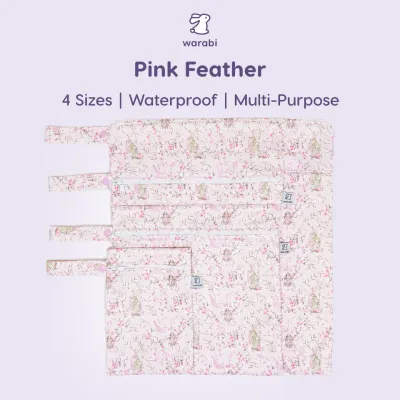
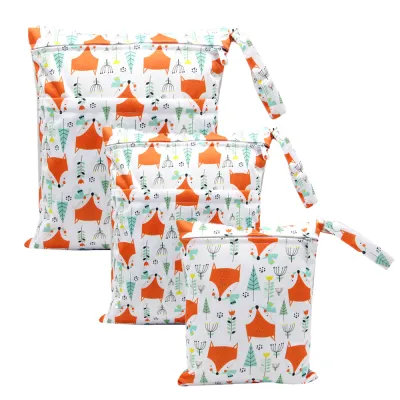
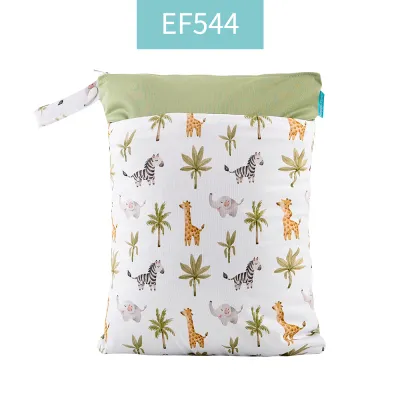
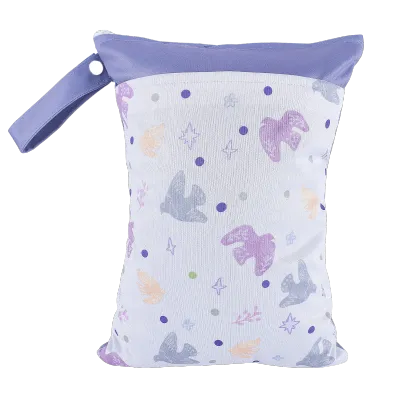
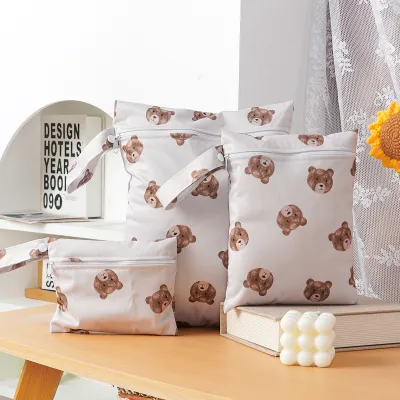
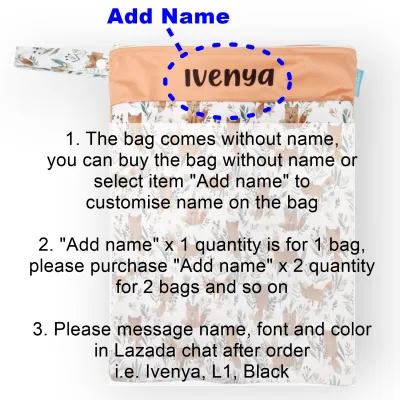
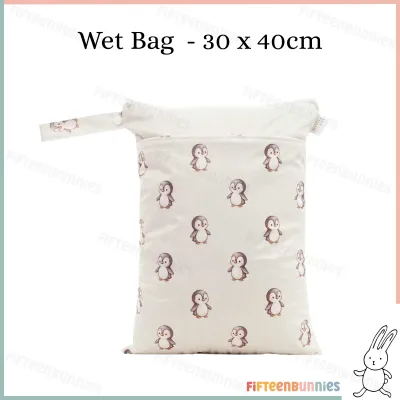
Prices are valid at publication and may change. Please refer to the product page for the latest price.
Second, examine the construction quality, particularly the seam sealing and zipper mechanisms. Stitched seams can create tiny needle holes that allow moisture to weep through, whereas heat-sealed or taped seams offer a more secure barrier. Zippers should glide smoothly and feature fabric guards or water-resistant tracks to prevent leaks.
Finally, consider how the stated dimensions of different brands align with your actual daily diaper loads. A standard medium wet bag (often around 30 by 40 centimeters) is designed to hold approximately four to six cloth diapers or several soiled outfits, while smaller travel pouches are sized for single items.
Verifying Waterproofing and Odor Containment
Validating manufacturer claims regarding leak prevention and odor control is crucial before trusting a wet bag inside an expensive diaper bag. Not all fabrics labeled as water-resistant are fully waterproof, and understanding this distinction prevents messy accidents.

Start by interpreting the material labels carefully. A water-resistant exterior fabric, such as treated polyester, is designed to repel light splashes or rain from the outside. However, containing wet swimsuits or soiled diapers requires a fully waterproof inner lining, which must be a non-porous, laminated layer like TPU.
Next, inspect the inner lining structure of the bag. Traditional stitched seams are common in budget-friendly brands, but they pose a higher risk of leaking under pressure or when holding very wet items. Welded seams, which use heat to bond the lining pieces together without needles, create a continuous barrier that significantly improves liquid containment.
To ensure peace of mind, perform a simple at-home verification test before using a new wet bag on a long outing. Turn the bag inside out, pour a small amount of water directly onto the lining, and place it on a dry paper towel for an hour. If the paper towel remains dry, the lining and seams are intact and ready for daily use.
Assessing Durability and Long-Term Washability
A baby wet bag must withstand frequent machine washing and daily wear without losing its waterproof properties. Over time, improper care or low-quality materials can cause the inner lining to degrade, rendering the bag ineffective.
Always review the care labels for specific machine-wash temperatures and tumble-dry restrictions. High heat is the primary cause of delamination, a process where the waterproof TPU or PUL layer peels away from the outer fabric. To extend the lifespan of your wet bags, wash them on a gentle cycle and line dry them whenever possible.
In addition to fabric integrity, inspect the durability of the hardware. Look for rust-resistant zippers made of high-quality molded plastic or treated metals that will not corrode after repeated exposure to moisture and detergent. Snap handles should feature reinforced double stitching to ensure they can support the weight of a full bag when hung from a stroller.
Regularly check for early signs of material degradation, such as bubbling or cracking on the inner lining. If a wet bag begins to retain persistent odors even after a thorough wash, the fabric fibers may have broken down, or bacteria may be trapped in degraded seams, indicating it is time to replace the bag.
Evaluating Capacity, Design, and Everyday Value
Balancing price against practical features and capacity needs ensures you select a wet bag that offers genuine long-term utility. Different daily scenarios require different bag configurations, and buying the wrong size can lead to unnecessary clutter or packing difficulties.
Match the bag’s volume to your specific use cases. A single-diaper pouch is highly convenient for quick errands, storing a single soiled outfit, or holding reusable breast pads. For full-day travel, daycare, or swim lessons, a large multi-item tote is necessary to accommodate multiple changes of clothes and towels.
Assess the utility of dual-compartment designs, often marketed as wet/dry bags. These bags feature two separate pockets: a waterproof compartment for soiled items and a dry mesh or fabric compartment for clean spares. This design allows you to carry your entire changing setup in one organized unit, while sturdy stroller attachment straps with snap closures keep the bag easily accessible.
When evaluating overall value, compare the cost of single premium units against multi-pack offerings. Multi-packs often provide excellent value for families needing a rotating supply for daycare, but you must verify that each bag in the pack maintains consistent zipper and seam quality to avoid premature replacement costs.
Decision Framework: Choosing the Right Fit
To finalize your purchase decision, align the bag’s features with your primary daily routines and household needs.
Choose a compact, single-layer design if your primary need is for quick errands, minimal gear, or storing a single soiled outfit. These lightweight pouches fold down easily, making them perfect for keeping in your glove compartment or handbag as an emergency backup.
Choose a large, dual-compartment design if you require full-day travel capacity, cloth diapering storage, or simultaneous wet/dry separation. The dual-pocket layout keeps clean and soiled items completely isolated, which is especially useful for managing wet swimwear alongside dry clothes.
Verify first if the product meets specific daycare labeling requirements, as some facilities require bags with integrated write-on name patches or clear ID slots. Additionally, always check the manufacturer’s safety warnings; ensure that any straps or snap loops are kept out of reach of unsupervised infants to prevent entanglement risks.
Frequently Asked Questions (FAQ)
Can I use a regular plastic bag instead of a dedicated baby wet bag?
While a regular plastic bag is a common temporary solution, it lacks the durability and odor containment of a dedicated baby wet bag. Single-use plastic bags tear easily, leading to leaks in your diaper bag, and they do not seal in odors effectively. Additionally, switching to a reusable wet bag reduces single-use plastic waste, making it a more sustainable choice for daily parenting.
How many baby wet bags do I actually need?
Most families find that having two to three wet bags is ideal for daily rotation. This allows you to have one bag in use inside your diaper bag, one in the wash or drying, and a third serving as a backup in your car or stroller. If your child attends daycare full-time or you use cloth diapers, you may need four or more to ensure you always have a clean one ready.
Do wet bags prevent mold if left in the diaper bag overnight?
No, wet bags are designed to contain moisture, not prevent mold. Leaving damp or soiled items sealed inside a wet bag overnight creates a warm, humid environment that promotes mold and mildew growth. To protect both the bag and your baby’s clothes, empty the wet bag promptly after returning home, wash it according to the manufacturer’s instructions, and allow it to dry completely in a well-ventilated area.

Community discussion
Share your experience or ask a question. Comments are reviewed before publication.