
Selecting a baby travel bag in Singapore requires balancing storage capacity with organizational efficiency to handle the demands of daily outings and tropical weather. While many popular brands market their bags with impressive volume claims, the practical usability of that space depends heavily on compartment layout, access points, and structural design. Rather than relying solely on brand names, parents should evaluate how different bag architectures—such as structured backpacks, convertible totes, and wide-opening frames—perform under real-world packing conditions. Understanding these differences allows caregivers to select a bag that remains comfortable and organized, whether navigating crowded shopping malls or embarking on weekend family trips.
Core Metrics for Evaluating Baby Travel Bag Capacity
When comparing the capacity of various baby travel bag options, the stated liter volume can often be misleading. A bag advertised as having a 25-liter capacity may feel much smaller if its interior is divided into rigid, narrow compartments that restrict the placement of bulky items. Conversely, a smaller bag with a flexible, open-plan main compartment might accommodate more gear because the fabric can stretch and conform to irregularly shaped items. Parents should look for bags that specify both external dimensions and internal usable volume to get an accurate sense of space.
The access style of the main compartment is another critical factor that dictates how effectively you can use the available capacity. Clamshell openings, which allow the bag to unzip fully and lay flat like a suitcase, offer maximum visibility and make packing highly organized. However, this style requires a clean, flat surface to open fully without risking items falling out. Top-loading bags, often featuring a doctor-bag style frame that stays open on its own, allow for quick retrieval of items from the top but can lead to a “black hole” effect where smaller items migrate to the bottom and become difficult to locate.
Products mentioned in this guide
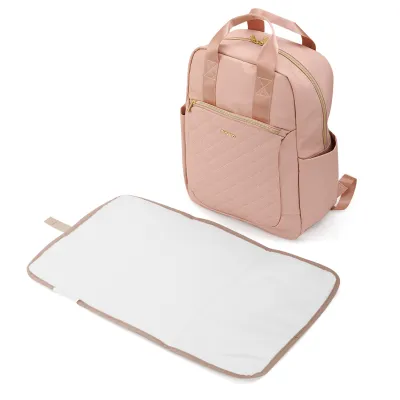
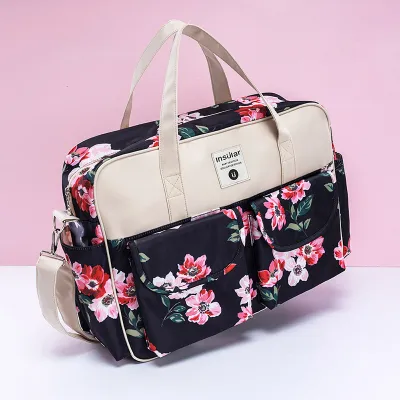
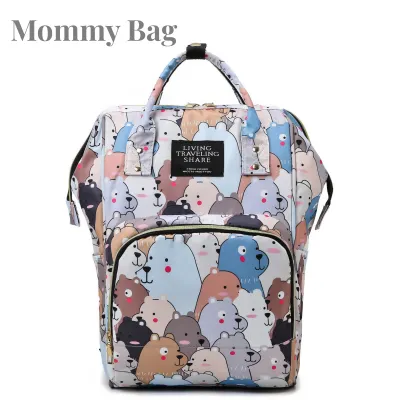
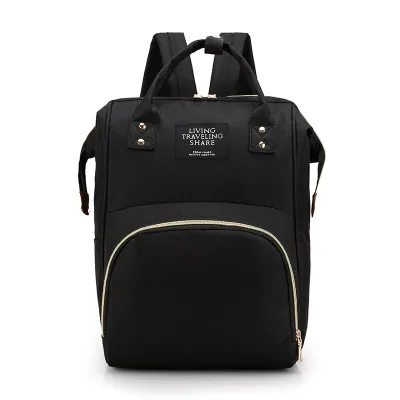
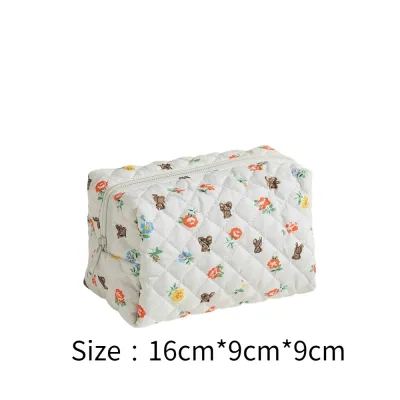
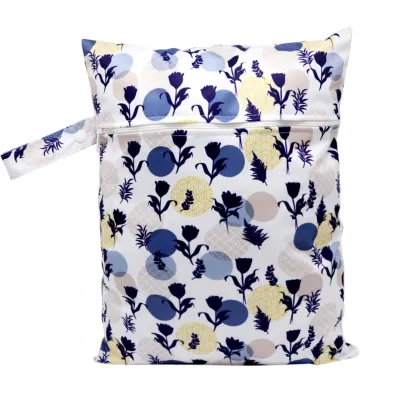
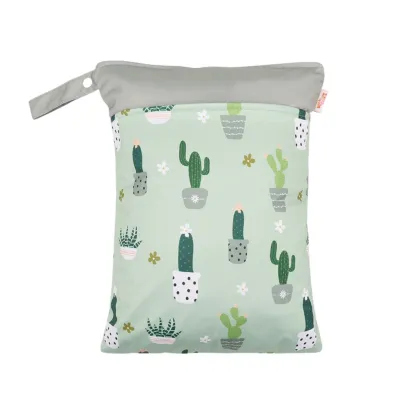
Prices are valid at publication and may change. Please refer to the product page for the latest price.
To maximize capacity without significantly increasing the bag’s physical footprint, look for external expansion features. Gusseted side pockets, expandable main compartments with zipper releases, and external attachment systems—such as daisy chains or dedicated straps for securing a changing mat—provide valuable extra space when needed. These features allow the bag to remain compact during short outings while still possessing the capability to expand for full-day excursions or travel.
Organization Features That Actually Improve Efficiency
An efficient baby travel bag goes beyond simply having numerous pockets; it requires specialized zones designed for specific parenting tasks. Insulated bottle holders are essential for maintaining the temperature of milk, formula, or warm water, especially in Singapore’s warm climate. When evaluating these pockets, check if they are lined with high-quality thermal material and whether they can accommodate wider-neck bottles or sippy cups, as some standard pockets are too narrow for modern bottle designs.

Exterior wipe dispensers and dedicated quick-access pockets are highly practical features that save time during sudden spills or diaper changes. A side pocket with a magnetic flap or a zippered slit allows caregivers to pull out wet wipes one-handed without opening the main compartment. Additionally, a dedicated waterproof wet bag compartment or a zippered PEVA-lined pocket is invaluable for isolating soiled clothing, damp bibs, or used swimsuits from clean items, preventing odors and moisture from spreading.
Internal organization should support logical grouping and prevent small essentials from getting lost. Deep slip pockets are ideal for organizing diapers and changing pads, while zippered mesh pockets keep smaller items like pacifiers, diaper creams, and medications visible and secure. A built-in key leash or a dedicated parent pocket near the top of the bag ensures that personal items like keys, wallets, and smartphones are easily accessible and do not slip to the bottom of the main compartment.
Matching Compartment Layouts to Your Parenting Routine
The ideal compartment layout depends heavily on your daily routine and the environments you frequent. For short urban trips, such as visiting a local clinic or running errands at a nearby mall, a lightweight bag with a few easily accessible pockets is often preferable to a heavy, highly structured travel bag. These short trips require fewer supplies, making a compact backpack or a crossbody diaper clutch sufficient for carrying just the essentials without adding unnecessary bulk.
For longer travel or full-day outings, a high-capacity bag with strict zoning becomes necessary. These scenarios require packing multiple changes of clothes, extra diapers, feeding supplies, toys, and personal items. A bag with distinct, labeled compartments or a modular packing cube system helps maintain order over several hours, ensuring that you can locate specific items quickly under stress.
The number of children in your care also dictates your organizational needs. Families with a single infant may prioritize specialized bottle storage and a compact profile. In contrast, parents managing multiple children or twins require a much larger volume with separate zones to keep different children’s items organized. A bag with dual main compartments or customizable internal dividers allows you to separate toddler snacks and spare clothes from infant diapers and formula.
Finally, consider how your preferred carrying style interacts with your stroller setup. Backpack-style diaper bags distribute weight evenly across both shoulders, making them comfortable for extended wear, but accessing pockets while wearing the bag can be challenging. Tote and crossbody styles offer easier access on the go but can cause shoulder strain if overloaded. If you plan to hang the bag on a stroller, ensure it features dedicated stroller straps or clips that do not interfere with pocket access or compromise the stroller’s stability.
Pre-Purchase Verification Checklist for Diaper Bags
Before purchasing a baby travel bag, verifying the physical specifications and construction quality can prevent post-purchase dissatisfaction. Always check the manufacturer’s product specifications for the empty weight of the bag. A bag that weighs more than one kilogram when empty will quickly become uncomfortably heavy once fully packed with bottles, water, diapers, and personal items.
Inspect the quality of the hardware and materials, as diaper bags undergo significant wear and tear. Look for durable, self-repairing zippers with large, easy-to-grasp pull tabs that can be operated with one hand. Double-stitched seams, reinforced bar-tack stitching at high-stress points like strap attachments, and water-resistant exterior fabrics such as nylon or polyester with a protective coating are essential for longevity and easy cleaning.
Lastly, confirm the retailer’s return and exchange policies before making your final decision. This allows you to perform a practical packing test at home. Fill the bag with your actual daily gear—including your preferred bottles, wipes, and changing mat—to verify that the compartments accommodate your items comfortably and that the bag remains balanced and comfortable to wear when fully loaded.
Frequently Asked Questions (FAQ)
Can I use a regular backpack instead of a dedicated baby travel bag?
Yes, a regular backpack can be repurposed for baby gear, but it often lacks the specialized features that make daily parenting tasks easier. Dedicated baby travel bags typically feature wipeable, water-resistant linings that make cleaning up spills simple, whereas standard backpacks may absorb liquids and develop odors. Additionally, purpose-built diaper bags offer specialized compartments like insulated bottle pockets and integrated changing pads that are rarely found in standard backpacks. While a regular backpack may suffice for occasional use, a dedicated diaper bag provides greater convenience and organization for daily outings.
How many insulated bottle pockets do I actually need?
The number of insulated bottle pockets you need depends primarily on your feeding routine and the length of your typical outings. For exclusively breastfed babies who feed directly, you may not need any insulated bottle pockets, allowing you to use that space for water bottles or snacks. For formula-fed infants or those receiving expressed breast milk, having two insulated pockets is highly practical, as it allows you to carry one warm bottle and one cold bottle simultaneously. If your preferred bag lacks sufficient insulated compartments, you can easily supplement it by using independent insulated bottle sleeves or small thermal pouches inside the main compartment.

Community discussion
Share your experience or ask a question. Comments are reviewed before publication.