
Quick Answer: Which Baby Food Blender Type Fits Your Needs?
Choosing the right baby food blender depends on your daily routine, available kitchen space, and meal preparation philosophy. The market is broadly divided into two categories: all-in-one (steam and blend) units and dedicated blending-only devices. Identifying which category aligns with your household needs is the most important step before comparing specific brands.
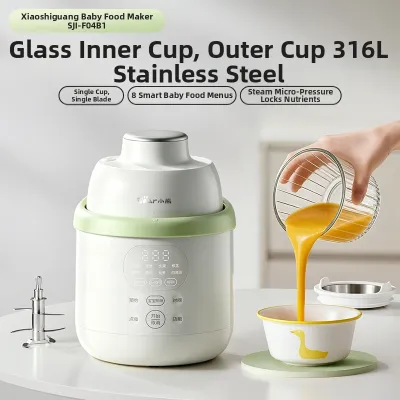
All-in-one models offer maximum convenience, particularly for parents with limited kitchen space, such as in typical Singapore apartments. These units steam raw ingredients and blend them in the same container, minimizing cleanup and saving counter space. They are ideal for preparing small, fresh daily batches. Conversely, blending-only models are highly recommended for families who prefer batch-cooking larger quantities to freeze for the week, already own a reliable stovetop steamer or multi-cooker, or require a high-capacity appliance that can transition to general family use later.
While brand reputation is a helpful starting point, it should remain secondary to verifying specific product details. Before buying, always check the model’s actual bowl capacity, material safety labels, and local warranty terms to ensure the appliance can safely and practically support your daily feeding routine.
Products mentioned in this guide
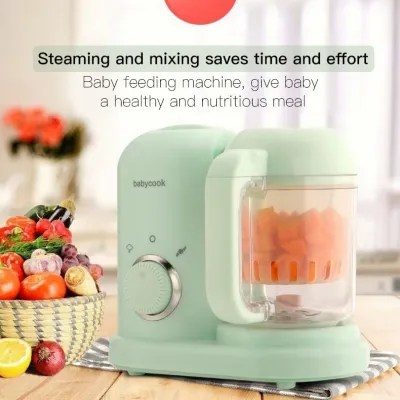
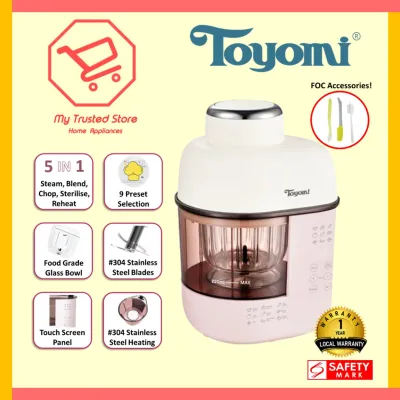
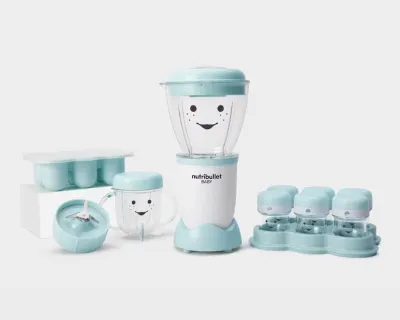
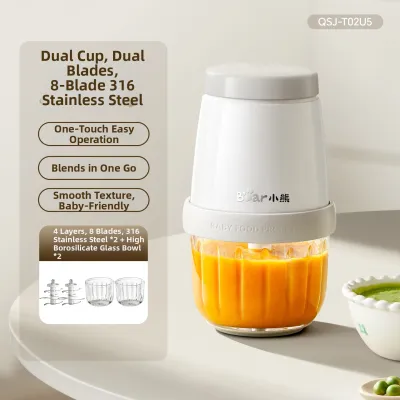
Prices are valid at publication and may change. Please refer to the product page for the latest price.
Core Features to Compare Across Popular Brands
When evaluating different baby food blender brands, looking past marketing claims and focusing on core technical specifications will help you make an objective decision. Different brands prioritize different aspects of the food preparation workflow, meaning a feature that works perfectly for one family might be impractical for another.

All-in-One (Steam and Blend) vs. Blend-Only
All-in-one appliances combine steaming and blending functions into a single footprint. This design significantly reduces the number of pots and utensils you need to wash, making it highly efficient for busy caregivers. The workflow is straightforward: you place chopped, raw ingredients into the basket, set the steam timer, and then blend the cooked food within the same jar.
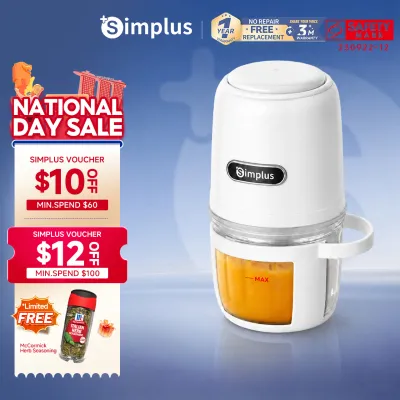
Blend-only devices do not have heating elements. You must cook the ingredients beforehand using a separate stovetop steamer, microwave, or oven, and then transfer the warm ingredients into the blender. While this adds a step to your workflow and increases the dishes to wash, blend-only units usually have simpler mechanical designs, fewer electronic components to fail, and smaller countertop footprints.
Capacity and Batch Size
Matching the blender’s bowl capacity to your baby’s developmental stage and your meal prep habits is crucial. During the early stages of weaning (around 6 months of age), infants consume incredibly small portions—often just one or two teaspoons per meal. Some large-capacity blenders struggle to puree these tiny quantities because the ingredients sit below the reach of the blades, resulting in unevenly chopped chunks rather than a smooth paste.
As your baby grows through the solid food stages (8 to 12 months and beyond), their intake increases, and you may want to prepare larger batches to freeze in silicone trays. For this workflow, look for a bowl capacity of at least 800ml to 1200ml. Always check the manufacturer’s manual for the minimum and maximum filling lines; overloading a blender can strain the motor, while underfilling can prevent proper blending consistency.
Material Safety and Certifications
Because baby food blenders regularly process hot ingredients, verifying the safety of the materials used in the bowl, blades, and lid is a top priority. Look for clear product labels indicating that all food-contact components are BPA-free. Common materials include food-grade plastics (such as Tritan), thermal-shock-resistant glass, and high-grade stainless steel for the blades.
Plastics are lightweight and shatterproof, making them highly durable if dropped, but they can scratch or discolor over time when processing vibrant foods like carrots or pumpkins. Glass bowls are highly hygienic, scratch-resistant, and do not retain food odors, but they are heavier and susceptible to breaking if mishandled. Always verify these material specifications on the official brand website or through authorized local distributor documentation, rather than relying solely on unverified descriptions on third-party online marketplaces.
Ease of Cleaning and Maintenance
Strict hygiene is essential when preparing food for infants, as their developing immune systems are highly sensitive to bacteria. A baby food blender must be easy to dismantle and clean thoroughly after every single use. When comparing brands, check how easily the blade assembly can be removed from the bowl; food residues trapped under permanent blades can quickly become breeding grounds for mold and bacteria.
Look for dishwasher-safe components if you rely on a dishwasher for sanitization, but always verify which parts are top-rack safe according to the manufacturer’s care instructions. For all-in-one models, pay close attention to the water tank design. Sealed water tanks that cannot be opened or visually inspected are prone to hidden mold and mineral scale buildup. Models with wide-opening, fully accessible water tanks are much easier to clean and descale regularly.
Evaluating Performance and Reliability
To ensure your chosen baby food blender performs consistently throughout your weaning journey, you must assess how well the appliance handles different textures, heats ingredients safely, and holds up under daily use.
Blending Consistency and Texture Control
Your baby’s texture needs will change rapidly over a 12-month period. At the start of weaning, the blender must be capable of producing an ultra-smooth, completely lump-free puree to prevent choking. This requires sharp, high-quality blades and a motor designed to pulverize fibrous fruits and vegetables.
As your baby transitions to later developmental stages, they will need thicker, textured mashes, and eventually soft, bite-sized chunks. A good baby food blender should offer variable speed settings or a manual pulse function. This allows you to control the exact texture of the food, rather than over-processing every meal into a liquid. Check the product specifications to see if the brand offers multi-speed controls or if it operates on a single, automated speed.
Heating Efficiency for All-in-One Models
For steam-and-blend models, the efficiency of the steaming mechanism directly impacts both food safety and nutrient preservation. The appliance must generate steam quickly and distribute it evenly throughout the cooking basket. This ensures that raw meats, fish, or dense root vegetables are thoroughly cooked to safe internal temperatures.
Gentle, even steaming helps preserve water-soluble vitamins and minerals that can otherwise be destroyed by boiling. Additionally, some brands design their steaming baskets to collect the nutrient-rich cooking juices at the bottom of the bowl. This liquid can then be easily incorporated back into the blend to adjust the consistency of the puree, ensuring your baby receives the maximum nutritional value from their meals.
Durability and Motor Lifespan
Preparing baby meals multiple times a day puts significant demand on a small appliance motor. Look for models with built-in safety features, such as automatic overheat protection, which temporarily shuts off the motor if it gets too hot, preventing permanent damage.
To ensure long-term reliability and easy access to replacement parts (such as extra gaskets, blades, or steaming baskets), prioritize buying from official brand stores or authorized local distributors in Singapore. This ensures that you receive a genuine product that complies with local safety standards and includes a valid local warranty. If a motor fails or a seal leaks, having a local service center makes the resolution process much faster and more reliable than dealing with overseas sellers.
Noise Levels
Many parents prepare baby food during nap times, making the operating noise of the blender a highly practical consideration. High-powered motors can produce loud, high-pitched whining noises that can easily wake a sleeping infant.
While manufacturers rarely print exact decibel ratings on the box, you can look for design features that help dampen sound, such as rubberized suction feet that minimize countertop vibration, or double-walled jar designs. Reading verified customer feedback on local forums or checking product demonstrations can provide helpful clues about how loud a specific model runs during operation.
Side-by-Side Comparison Checklist
To help you organize your research, use the following comparison framework when evaluating different brands. You can populate this checklist using official product specification sheets, authorized distributor websites, and verified user manuals.
| Comparison Dimension | Model Option A | Model Option B | Model Option C | |
|---|---|---|---|---|
| Appliance Type | (e.g., All-in-One / Blend-Only) | |||
| Bowl Capacity (ml) | (e.g., 800ml, 1000ml) | |||
| Material Safety | (e.g., Tritan, Glass, BPA-Free) | |||
| Blade Removability | (e.g., Fully Removable / Fixed) | |||
| Dishwasher Safe | (e.g., Yes – bowl & blades / No) | |||
| Water Tank Access | (e.g., Wide-opening / Sealed) | |||
| Local Warranty | (e.g., 1-Year Local / None) | |||
| Power / Voltage | (e.g., 220-240V, Type G Plug) |
When sourcing these specifications, pay close attention to compliance and electrical safety. Singapore uses a standard mains voltage of 220V-240V at 50Hz, with Type G 3-pin plugs. If you purchase an appliance from an international online marketplace, you run the risk of receiving a parallel import designed for a different voltage system (such as 110V systems used in other regions).
Using a high-wattage heating appliance with an incompatible voltage converter or an unapproved plug adapter poses serious electrical and fire hazards. Additionally, international models rarely carry warranties that are honored by local service centers in Singapore. Always cross-check the electrical specifications and ensure the product is certified for safe local use before purchasing.
Decision Framework: Choosing the Right Brand for Your Family
To make your final decision, match your household’s daily lifestyle, kitchen setup, and meal prep habits to one of the following scenarios.
Choose an All-in-One Steam and Blend brand if:
- You prioritize convenience and speed: You want a streamlined process where you can walk away while the food steams and return to blend it immediately without transferring hot ingredients.
- You have limited kitchen space: You want to avoid cluttering your kitchen counters with separate steamers, pots, and blenders.
- You prepare fresh meals daily: You prefer making small, single-serve portions of fresh food for your baby each day rather than storing large quantities in the freezer.
Choose a High-Capacity Blend-Only brand if:
- You prefer batch-cooking: You like to dedicate a few hours on the weekend to preparing, pureeing, and freezing a week's worth of baby meals in bulk.
- You already have cooking equipment: You already own a high-quality food steamer, multi-cooker, or stovetop setup that you comfortable using to cook ingredients.
- You want long-term versatility: You want an appliance with a larger capacity that can easily transition to making family smoothies, sauces, or soups once your child outgrows the pureed food stage.
Choose a Budget-Friendly Basic Blender if:
- You plan on a short weaning window: You only intend to puree food for a brief period (typically 2 to 3 months) before transitioning your baby to finger foods, table foods, or baby-led weaning.
- You only need to process soft foods: You only need to blend pre-cooked, soft ingredients and do not require advanced heating, defrosting, steaming, or heavy-duty ice-crushing capabilities.
Before finalizing any purchase, verify the seller’s credentials. If you are buying from an online marketplace, confirm that the merchant is an authorized local distributor. This ensures that the product meets local safety standards, features the correct plug type, and includes a valid local warranty. If you find conflicting information regarding the product’s materials, power requirements, or safety certifications, stop and consult the manufacturer directly before using the appliance.
Frequently Asked Questions (FAQ)
Can I use a regular kitchen blender instead of a dedicated baby food blender?
Yes, you can use a standard kitchen blender, but there are several practical trade-offs to consider. Regular household blenders are designed to process larger volumes of food. When you try to blend a very small portion of baby food, the ingredients often get thrown to the sides of the jar, sitting out of reach of the blades, which prevents you from achieving a perfectly smooth consistency. Additionally, regular family blenders are frequently used to process pungent ingredients like garlic, onions, or chili. Even with thorough washing, plastic blender jars can retain these strong odors and oils, which can then transfer to your baby’s bland purees and cause digestive discomfort or food refusal.
How often should I descale an all-in-one baby food blender?
How often you need to descale your appliance depends on how frequently you use it and the mineral content of your water supply. In Singapore, tap water is moderately soft, but mineral deposits (limescale) will still gradually accumulate on the heating element of steam-and-blend models over time. This buildup reduces heating efficiency, increases steaming times, and can eventually cause the motor to overheat or fail.
As a general rule, check your product’s user manual for specific care instructions; most manufacturers recommend descaling every 2 to 4 weeks of regular use. Always use manufacturer-approved descaling solutions or a natural mixture of food-grade white vinegar and water as outlined in the manual. After descaling, run multiple steam cycles with clean, pure water to thoroughly rinse the system and ensure no vinegar smell or cleaning residue remains in the steam pathway before you prepare your baby’s next meal.

Community discussion
Share your experience or ask a question. Comments are reviewed before publication.