
No single diaper brand provides a universally “best” performance in absorbency and leak protection for every infant. The ideal choice is highly conditional, depending on your baby’s unique body shape, urine volume, and developmental stage. While premium brands incorporate advanced core engineering to capture and lock away moisture rapidly, physical fit remains the single most critical factor in preventing leaks. Even the most technologically advanced diaper will fail if there are gaps around the thighs or waistband.
In Singapore’s hot and humid climate, parents must balance liquid retention with breathability to protect delicate skin from irritation. This guide compares the underlying structural design philosophies of major diaper brands available in Singapore, including channel-based core systems and breathable Japanese-style designs. By understanding how these different technologies manage liquid distribution and airflow, you can evaluate your baby’s diaper performance using objective, observable criteria and select the optimal design for your child’s daily routine and sleep cycles.
Core Dimensions for Comparing Diaper Absorbency and Leak Protection
To make an informed decision, it is essential to understand the structural components that govern how a disposable diaper manages liquid. Modern diapers are highly engineered systems consisting of multiple layers working in tandem.
Products mentioned in this guide
![[3 Packs]Faybel Essential Baby Diaper Pants 3 Packs All Sizes M L XL XXL XXXL for Sensitive Skin Redness-Free Dermatologically Tested](https://img.lazcdn.com/g/p/8e9f94007f2aa179d83464597ae5dce3.jpg_400x400q80.jpg_.webp)
![[BUNDLE] MILK Baby Diaper Yoga Pants M168 L144 XL120 XXL96 (4 packs)](https://img.lazcdn.com/g/p/cd9576eed7bd93fa9fdf0cd8c4150d6a.jpg_400x400q80.jpg_.webp)

Prices are valid at publication and may change. Please refer to the product page for the latest price.
Absorbent Core Composition The core of a modern disposable diaper relies on a precise blend of Super Absorbent Polymer (SAP) and fluff pulp. SAP consists of sodium polyacrylate beads that can absorb many times their weight in liquid, turning it into a stable gel. Fluff pulp acts as an initial capillary network, drawing liquid in rapidly and distributing it to the SAP particles. The distribution of these materials is crucial. High-quality diapers distribute SAP evenly or in targeted zones to prevent the gel from clumping or sagging when wet. If the core lacks structural integrity, the wet diaper will sag between the baby’s legs, pulling the leg cuffs down and creating gaps that lead to leaks.
Top Sheet Permeability The top sheet is the inner layer in direct contact with your baby’s skin. It must be highly hydrophilic to allow liquid to pass through instantly, yet non-absorbent itself so it remains dry to the touch. Manufacturers often use micro-pore designs or textured 3D wave patterns on this sheet. These structures minimize the surface area touching the skin and create channels for liquid to flow downward. Rapid permeability ensures that urine does not pool on the surface, reducing the contact time between wetness and the baby’s skin, which is a primary trigger for diaper rash.
Leak Guard Architecture While the core absorbs liquid, the leg cuffs and leak guards contain it physically until absorption is complete. High-performance diapers feature double-layered, hydrophobic standing leak guards. These are elasticized barriers that run along the leg openings. The height and elasticity of these cuffs are critical. They must stand upright against the baby’s skin to form a secure seal. If the elastic is too loose, lateral leaks occur during sudden, high-volume urination. If it is too tight, it can cause painful red marks and restrict circulation.
Waistband and Fastening System A diaper’s waistband and fastening tabs secure the core and leak guards in place. The waistband must be highly stretchable to accommodate abdominal expansion when the baby breathes, sits, or eats, without slipping down. Fastening tabs should be robust and repositionable, anchoring firmly to the landing zone. In tape-style diapers, the angle at which you fasten the tabs determines the tension across the legs and waist. In pant-style diapers, a 360-degree elastic waistband must distribute pressure evenly to prevent sagging under the weight of a full diaper.
Wetness Indicators Wetness indicators are external strips that change color—typically from yellow to blue—when exposed to moisture. This visual cue relies on a pH-sensitive dye that reacts to the water content in urine. While not a direct contributor to leak prevention, the indicator allows caregivers to monitor saturation levels from the outside. This helps prevent over-saturation, which is a common cause of structural diaper failure and subsequent leaks during movement.
How Popular Diaper Designs Approach Leak Prevention
Different manufacturers prioritize distinct design elements to address specific parenting challenges. Because diaper formulations, materials, and product lines are updated frequently by manufacturers, parents should always check current packaging specifications. The brands mentioned below serve as common examples of these structural design philosophies.

Channel and Core-Lock Technologies
Diapers designed for highly active babies often employ longitudinal channels or specialized core-lock structures. Brands like Pampers and certain premium lines of Huggies utilize this approach. Instead of a uniform block of absorbent material, the core is divided into parallel channels that run from front to back.
When liquid hits the diaper, these channels guide the fluid along the length of the core rather than allowing it to pool in one spot. This rapid distribution ensures that the entire capacity of the diaper is utilized efficiently. By locking the liquid into separate vertical compartments, these designs minimize sagging between the legs. This structural stability is highly beneficial for babies who are crawling, cruising, or walking, as it maintains the diaper’s shape and keeps the leg cuffs flush against the thighs during vigorous movement.
Breathable and Surface-Dry Focus
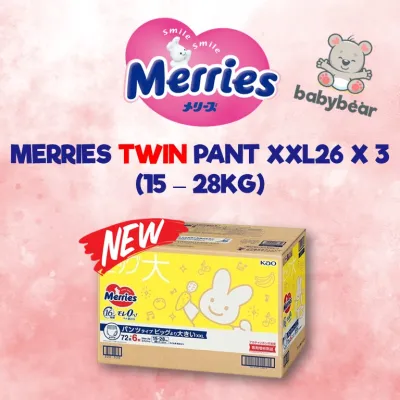
Another major design philosophy prioritizes skin dryness and air circulation, a focus characteristic of premium Japanese brands such as Merries and Moony. These diapers are engineered to combat the trapping of heat and moisture, which is especially critical in Singapore’s humid environment.
The key feature of these diapers is a highly breathable back sheet—the outer waterproof layer—which is manufactured with microscopic pores. These pores are large enough to let water vapor and heat escape but small enough to contain liquid molecules. Additionally, the inner top sheets often feature ultra-soft, pillowy textures that lift the diaper slightly off the skin. While these designs excel at preventing diaper rash and maintaining a dry surface temperature, the emphasis on softness and breathability can sometimes mean the core is more flexible and less rigid. Parents of very heavy wetters may need to monitor these diapers more closely to ensure they do not saturate past their optimal limit.
High-Capacity and Overnight Designs
Overnight and high-capacity diapers are engineered specifically for extended wear, typically targeting up to 10 to 12 hours of protection. These designs, found in dedicated night-use lines from various brands, prioritize maximum liquid retention over thinness.
To achieve this, manufacturers increase the density of the Super Absorbent Polymer (SAP) within the core and reinforce the physical barriers. These diapers often feature taller waistbands, wider back coverage, and higher standing leak guards to contain liquid when the baby is lying down for long periods. Because a sleeping baby remains in one position for hours, liquid tends to pool on one side or at the back. The reinforced barriers and high-capacity cores prevent gravity-induced leaks. Parents should verify the manufacturer’s stated weight limits and intended use cases on the packaging, as overnight diapers are often cut slightly larger to accommodate the extra absorbent material.
Practical Tests and Observations for Parents
Parents do not need laboratory equipment to evaluate how well a diaper performs. Simple, low-risk observations can help you diagnose whether a leak is caused by a failure of the diaper’s core or an incorrect fit.
The Squeeze Test To evaluate the one-way permeability of your baby’s diaper, perform a simple squeeze test. After your baby has worn the diaper for a few hours and it is moderately wet, remove it and place it on a flat surface. Take a clean, dry tissue or paper towel and press it firmly against the inner top sheet for three seconds.
Inspect the tissue. If the tissue remains dry, the diaper’s top sheet is successfully keeping moisture locked in the core. If the tissue is damp or wet, it indicates that moisture is transferring back to the surface. This re-wetting can occur because the absorbent core has reached its capacity limit, or because the top sheet’s material is failing to prevent backflow. If moisture transfers easily, your baby’s skin is remaining wet, which increases the risk of diaper rash.
The Fit Check Before blaming a diaper brand for leaks, perform a systematic fit check. A diaper must fit snugly without restricting your baby’s movement or breathing.
First, apply the “two-finger rule” to the waistband. Once the diaper is fastened, you should be able to slide two fingers comfortably between the waistband and your baby’s stomach. If you can fit more than two fingers, the waistband is too loose, which can lead to leaks at the back when the baby lies down. If you cannot fit two fingers, the diaper is too tight.
Second, perform a visual check of the leg cuffs. Run your finger along the inside of the leg openings to ensure that the elasticized leak guards are fully pulled outward and not tucked inward. Tucked-in leak guards are a primary cause of immediate leg leaks.
Leak Diagnosis Guide Analyzing where and when a leak occurs can help you identify the root cause:
- Leg Leaks: If liquid escapes around the thighs, it almost always points to a physical fit issue. Check if the leak guards were tucked in, if the baby has outgrown the current size (causing the leg openings to be too tight and sit incorrectly), or if the diaper is too large, leaving visible gaps when the baby moves.
- Waist Leaks: Leaks at the waistband typically occur when the baby is lying down, especially sleeping on their stomach or back. This suggests the diaper is either too small (lacking sufficient height at the waist) or the core has reached its absolute maximum capacity, forcing liquid upward.
- Sagging and Drooping: If the diaper drops significantly between the legs even when it is only slightly wet, the core structure is failing to distribute the liquid. This indicates a need for a diaper with better channel or core-lock technology, or a transition to a more frequent changing schedule.
Decision Framework: Choosing the Right Diaper for Your Baby
To help you select the most appropriate diaper design, use the following matrix to match your baby’s profile with the corresponding diaper features and key verification points.
| Baby Profile | Recommended Diaper Features | Key Verification Points |
|---|---|---|
| Active Crawler or Walker | Channel core, stretchable 360-degree waistband, secure tape/pant tabs | Verify that leg cuffs remain flush against the thighs during movement; check for sagging. |
| Heavy Night Wetter | High SAP density, reinforced double leg guards, tall rear waistband | Check that the diaper is rated for overnight use; consider sizing up one size for night wear. |
| Sensitive Skin / Prone to Rash | Microporous breathable back sheet, textured 3D top sheet, pH-balanced materials | Ensure the top sheet passes the squeeze test; verify that heat and moisture do not trap in the diaper. |
| Between Sizes | Flexible side panels, adjustable fastening zones | Test a small pack of the next size up if you experience repeated leaks or red marks on thighs. |
Conditional Selection Rules
- Choose Channel/Core-Lock Diapers if: Your baby is highly active, crawling, or walking, and you notice frequent sagging, clumping, or pooling with standard diapers. These designs maintain structural integrity and distribute liquid evenly during movement.
- Choose Breathable/Surface-Dry Diapers if: Your baby is prone to diaper rash, has sensitive skin, or you live in Singapore's hot, humid environment where heat trapping is a major concern. These diapers prioritize airflow and surface dryness over rigid structural support.
- Choose High-Capacity Overnight Diapers if: Your baby sleeps for long stretches (8 to 12 hours), produces a high volume of urine at once, and standard daytime diapers leak before morning. These designs sacrifice thinness to maximize liquid retention.
- Verify First if: Your baby is approaching the upper weight limit of their current diaper size. Always test a small pack of the next size up. A diaper that is too small has less absorbent material and a smaller physical footprint, which is the primary cause of sudden leaks, regardless of the brand's absorbency claims.
Frequently Asked Questions (FAQ)
How often should I change a highly absorbent diaper?
While many premium diapers claim to offer up to 12 hours of protection, this rating refers to the physical capacity of the core to hold liquid under ideal conditions, not a recommendation for daily wear. Leaving a wet diaper on your baby for extended periods increases the risk of skin irritation, diaper rash, and bacterial growth, as urine breaks down into ammonia and compromises the skin barrier. For optimal hygiene and skin health, change your baby’s diaper every 3 to 4 hours during the day, or immediately after a bowel movement, regardless of what the wetness indicator shows or how much capacity remains.
Why does my baby's diaper leak even when it is not full?
A diaper that leaks while still partially dry usually indicates a fit or application error rather than a failure of the absorbent core. The most common cause is the inner leg cuffs being tucked inside the diaper instead of being flared outward around the thighs. Other common causes include fastening the tape tabs unevenly or too loosely, which creates gaps at the waist, or using a size that is too small, which prevents the absorbent core from aligning correctly with the baby’s wetness zone. Always ensure the leak guards are fully pulled out and the diaper is symmetrical before concluding that the brand’s absorbency is insufficient.

Community discussion
Share your experience or ask a question. Comments are reviewed before publication.