
Finding the ideal nursing bag is not about searching for a single, universally “best” brand, but rather about identifying whether your personal packing style aligns with modular compartmentalization or open-concept capacity. Different brands approach internal organization and usable space with distinct design philosophies, ranging from highly structured layouts with dedicated pockets for every baby essential to spacious, minimalist cavities designed for custom packing systems. By comparing these design approaches, you can select a nursing bag that seamlessly accommodates your daily routine, feeding setup, and travel habits, ensuring that every diaper change or feeding session on the go remains stress-free and efficient.
Understanding Nursing Bag Organization Philosophies
When evaluating different nursing bag brands, the first major distinction you will encounter is the fundamental layout philosophy: modular compartmentalization versus open-concept design. Modular-focused brands design their bags with an abundance of built-in, specialized compartments, including dedicated slots for wipes, pacifiers, diapers, and bottles. This approach is highly beneficial for parents who prefer a fixed, predictable home for every single item, allowing you to reach into the bag and retrieve a specific item blindly without rummaging. However, the primary trade-off of a highly compartmentalized bag is its lack of flexibility. If you need to pack bulky, irregularly shaped gear—such as a double electric breast pump, a thick change of clothes, or a favorite plush toy—rigid internal dividers can restrict the main cavity, leaving you with unused pocket space but no room for larger essentials.
Conversely, open-concept brands prioritize a large, unobstructed main cavity, often resembling a classic backpack or tote. These brands design their bags to be used with separate packing pouches, organizing cubes, or wet bags, giving you the freedom to customize the interior layout daily. On days when you only need a few items, you can pack light with a couple of small pouches; on longer day trips, the entire volume of the bag is available for bulky items that would never fit into a structured pocket. The challenge with open-concept designs is that they require a disciplined packing habit; without separate pouches, a large open cavity can quickly devolve into a chaotic jumble where small items like keys, creams, and pacifiers sink to the bottom.
Products mentioned in this guide
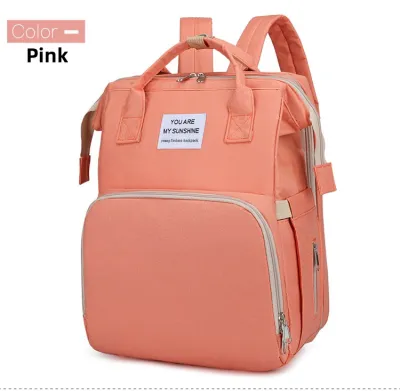
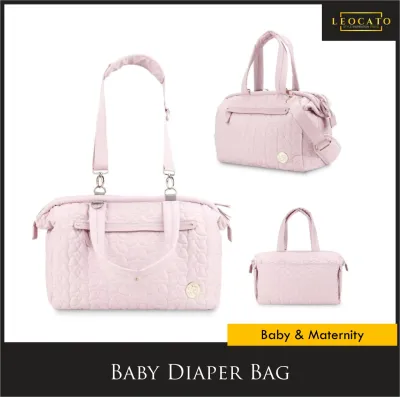
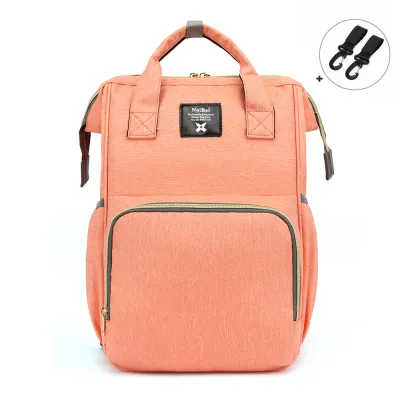
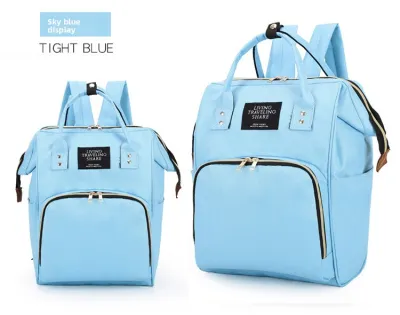
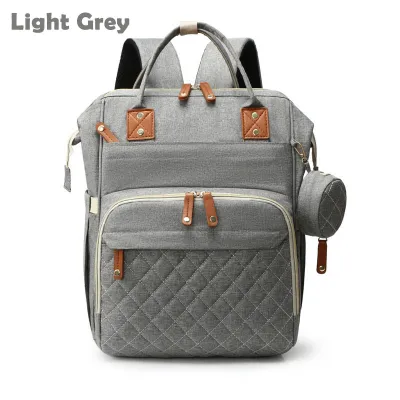
Prices are valid at publication and may change. Please refer to the product page for the latest price.
To determine which philosophy suits you best, it is highly recommended to perform a quick audit of your daily carry list before shopping. Lay out everything you expect to carry on a typical outing, from diapers and bottles to your own personal items like wallets, phones, and water bottles. If your inventory consists of dozens of small, distinct items that you want to access instantly, a modular brand will likely streamline your routine. If your gear list changes constantly or includes larger, bulkier items, an open-concept brand paired with a set of lightweight packing cubes will offer the adaptability you need.
Evaluating Usable Storage Capacity vs. Total Volume
One of the most common pitfalls when comparing nursing bags is relying solely on the manufacturer’s advertised volume, typically stated in liters. While a high liter rating suggests a spacious bag, the actual usable storage capacity can be significantly lower depending on the bag’s construction and materials. For instance, bags featuring thick, heavy-duty insulation in multiple pockets, rigid structural frames designed to keep the bag upright, or dense internal padding can consume a surprising amount of internal space. This means two bags with the exact same external dimensions and advertised volume can offer vastly different amounts of actual packing space once you begin filling them.

When comparing brands, it is crucial to look at the physical dimensions—height, width, and depth—rather than just the volume capacity. Consider how these dimensions will interact with your daily environment. For example, a very wide or deep bag might struggle to fit into the compact under-seat storage basket of a lightweight stroller, or it may take up too much precious space in a car trunk alongside a folded stroller frame. If you frequently navigate public transport or busy shopping aisles, a streamlined, vertically oriented bag will be much easier to manage than a bulky, protruding design, even if the latter boasts a slightly higher total volume.
Additionally, always verify the manufacturer’s specifications regarding weight limits and strap construction. A high-capacity bag is only useful if it can be carried comfortably and safely when fully loaded. Look for brands that reinforce stress points with double stitching, metal hardware, or heavy-duty rivets, and check if the shoulder straps are wide and padded to distribute weight evenly. Carrying a heavy, poorly supported bag can lead to shoulder strain, so understanding the physical limits of the bag’s carrying system is just as important as evaluating its internal storage capacity.
Key Compartment Features to Compare Across Brands
To make an informed comparison between nursing bag brands, you should focus on several key organizational features that directly impact daily usability. First, examine the design and capacity of the insulated bottle pockets. Some brands only offer narrow, standard-sized insulated slots that struggle to accommodate wide-neck baby bottles, silicone bottles, or larger toddler straw cups. Verify whether the insulated compartments are located in an easily accessible front pocket or if they occupy space inside the main cavity, which can compress other storage areas when bottles are inserted.
Another essential feature to evaluate is wet/dry separation, which is particularly critical in warm, humid climates like Singapore where damp clothing, soiled bibs, or wet swim gear can quickly cause odors and mildew if not isolated. Look for brands that incorporate dedicated waterproof zippered compartments or include a separate, high-quality wet bag. This ensures that damp items remain completely isolated from clean clothes, dry diapers, and sensitive electronics, preserving hygiene and peace of mind during long days out.
Finally, do not overlook the parent-focused zones and tech compartments. A great nursing bag should eliminate the need to carry a separate handbag, meaning it must securely accommodate your personal essentials. Compare how different brands design their parent pockets: look for secure, anti-theft zippered pockets positioned against your back for wallets and passports, dedicated key clips so you never have to search the bottom of the bag at your front door, and padded tech sleeves if you need to carry a laptop or tablet. Easy-access top openings, such as doctor-bag style frames that stay open on their own, also make a significant difference when you need to retrieve an item quickly with one hand while holding your baby.
Decision Framework: Matching Bag Design to Your Lifestyle
Choosing the right nursing bag ultimately comes down to matching the bag’s design strengths with your family’s specific lifestyle and outing routines. If you are managing supplies for multiple children, carrying a wide variety of small accessories, or simply prefer a highly structured routine where every item has a designated, permanent home, you should lean toward highly compartmentalized brands. These bags excel at keeping chaos at bay, ensuring that diapers, wipes, creams, and snacks are always exactly where you expect them to be, which can be a lifesaver during a sudden diaper emergency in a public restroom.
On the other hand, if you prefer a minimalist aesthetic, frequently carry bulky items like breast pumps or change mats, or enjoy using your own color-coded packing cubes to organize your gear, an open-concept, high-capacity brand is the superior choice. This style of bag adapts effortlessly as your child grows; a bag that once held newborn essentials can easily transition into a toddler snack-and-toy carrier, a work backpack, or a weekend travel bag, offering excellent long-term utility and maximizing the value of your investment.
Before making your final decision, always verify how the bag’s carrying style aligns with your physical comfort and daily mobility. Whether you prefer a backpack for hands-free convenience, a classic tote for easy shoulder carrying, or a crossbody bag for quick access, ensure the straps are fully adjustable and comfortable for your body type. Additionally, check for integrated stroller straps or clips, ensuring they are compatible with your specific stroller model to avoid tipping hazards. By carefully weighing these practical factors against the price in S$, you can confidently select a nursing bag that offers the perfect balance of capacity, organization, and daily comfort.
Frequently Asked Questions (FAQ)
How many liters should a nursing bag be for a full day out?
For a full day out, a nursing bag with a capacity of 20 to 25 liters is generally considered the sweet spot for most parents. However, your actual volume needs will vary significantly depending on your baby’s age and feeding method. Newborns typically require a larger volume of gear, including multiple changes of clothes, numerous diapers, swaddles, and feeding supplies, whereas toddlers often require less bulk but more variety, such as snacks and toys. Rather than relying solely on the manufacturer’s recommended capacity, it is best to perform a physical packing test with your essential daily items to see how comfortably they fit without overstretching the zippers.
Are built-in changing pads necessary for good organization?
While built-in changing pads offer the convenience of always being attached to the bag, they are not strictly necessary for good organization and can sometimes limit your packing flexibility. Integrated pads can take up valuable space in the main compartment even when you do not need them, and they can be difficult to clean thoroughly if they cannot be detached. A removable, standalone changing pad is often more practical, as it allows you to free up internal storage space when visiting locations with fully equipped baby care rooms, and it can be easily washed, upgraded, or replaced without needing to buy an entirely new nursing bag.

Community discussion
Share your experience or ask a question. Comments are reviewed before publication.