
Finding the right diaper for your baby as they transition into Size M is a major milestone. This is typically the stage where infants become significantly more active, rolling over, crawling, and exploring their surroundings. Choosing between Nino Nana Size M and other popular diaper brands in Singapore is not about finding a single, universally superior option. Instead, the ideal choice depends heavily on your baby’s unique physical profile, activity level, and skin sensitivity. To make an informed decision, parents must evaluate key criteria such as absorbency efficiency, structural fit for active movement, and overall skin comfort. By understanding how to compare these factors using observable product features and manufacturer specifications, you can select the diaper that best supports your baby’s daily comfort and development.
Key Dimensions for Comparing Size M Diapers
To systematically compare Nino Nana Size M with other mainstream diaper brands, you need to look closely at the physical construction and technology of each diaper. The first major dimension is absorbency. Modern disposable diapers generally utilize either traditional wood pulp mixed with Superabsorbent Polymer (SAP) or advanced, pulp-free composite cores. When evaluating absorbency indicators on packaging, look for claims regarding core technology and distribution layers. A pulp-free composite core is often designed to be thinner and resist clumping when wet, whereas traditional pulp cores may swell more noticeably but offer a familiar, cushioned feel. Additionally, check for the presence of a wetness indicator—a color-changing strip on the outer shell—which provides a clear visual cue for changes. Stated wear times on packaging, such as “up to 12 hours,” should be treated as maximum theoretical limits under ideal conditions rather than standard guidelines for every baby.
The second dimension is fit and flexibility, which becomes critical in Size M as babies begin to move dynamically. Examine the waistband elasticity and the design of the leg cuffs. A high-quality waistband should stretch easily to accommodate a baby’s expanding belly after feeding while returning to its original shape to prevent sagging. Leg cuffs, or leak guards, should feature double-layered elastic barriers that sit snugly in the groin creases without digging into the skin. The overall stretch of the side panels determines how well the diaper moves with a crawling or rolling baby, minimizing the risk of gaps forming during active play.
Products mentioned in this guide
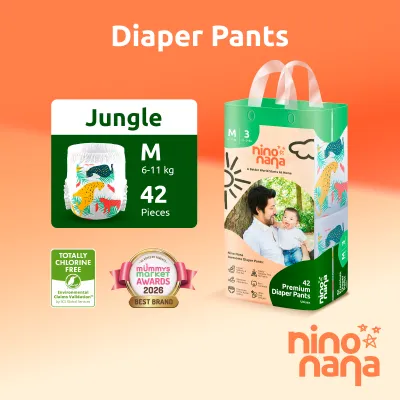
![Nino Nana MegaCase Diaper Pants [Bundle of 4] M (6-11kg) | L (9-14kg) | XL (12-18kg) | XXL (15-23kg)](https://img.lazcdn.com/g/p/2a783c617dd3274c3121813a79a645f4.png_400x400q80.png_.webp)
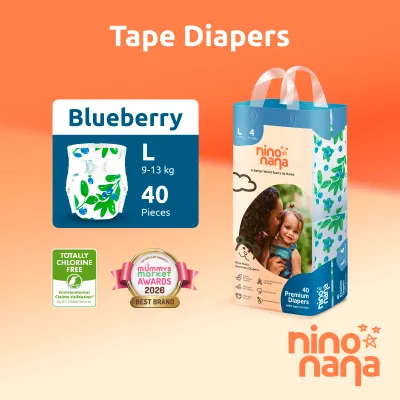
![Nino Nana MegaCase Tape Diapers [Bundle of 4] NB (up to 4kg) | S (4-6kg) | M (6-10kg) | L (9-13kg)](https://img.lazcdn.com/g/p/cef5cd80b979a48473be2c193bff6daa.png_400x400q80.png_.webp)
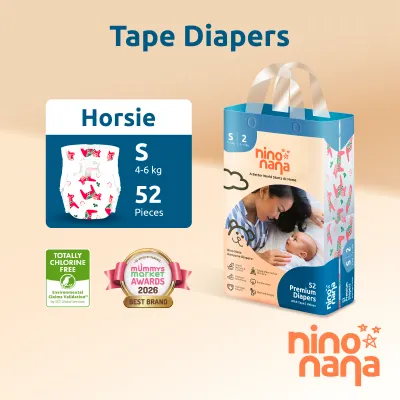
![Nino Nana Baby Ultra-Thin Diaper Pants [Single Pack] M(6-11kg) | L(9-14kg) | XL(12-18kg) | XXL(15-23kg)](https://img.lazcdn.com/g/p/f9608196ff35fc1c15c32d0121bf69a9.png_400x400q80.png_.webp)
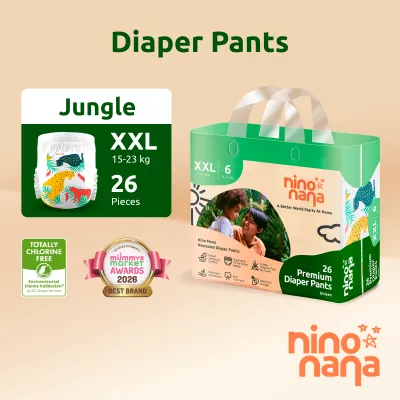
![Nino Nana Baby Ultra-Thin Diaper Pants Carton [Bundle of 3] | M (6–11kg) / L (9–14kg) / XL (12–18kg) / XXL (15–23kg)](https://img.lazcdn.com/g/p/9957fd368e89aa37136aced2c374aedf.png_400x400q80.png_.webp)
Prices are valid at publication and may change. Please refer to the product page for the latest price.
The third dimension is comfort and breathability, which is particularly important in Singapore’s hot and humid climate. Evaluate the softness of both the inner liner (which touches the baby’s skin) and the outer cover. Look for micro-perforations or breathable backsheets that allow hot air and moisture vapor to escape while keeping liquid contained. Diaper thickness is another observable feature; ultra-thin designs are often favored for daytime wear in warm environments to reduce heat retention, while thicker designs may rely on bulkier materials to provide a physical buffer for heavy wetting.
Evaluating Nino Nana Size M Against Common Alternatives
When placing Nino Nana Size M side-by-side with other popular diaper brands available in Singapore, structural and material differences become apparent. Stated absorbency capacity varies widely across brands. Some mainstream brands design their diapers with a focus on high-volume retention, making them highly suitable for overnight use. These brands often utilize a thicker layer of absorbent material to handle multiple wettings over an extended period. In contrast, brands like Nino Nana emphasize ultra-thin, fast-absorbing composite cores that aim to distribute liquid quickly across the surface, reducing wetness contact with the skin during active daytime hours. Parents should compare these design philosophies against their baby’s wetting patterns to determine which structure aligns with their daily routine.

Structural differences in waistbands and leg guards also play a significant role in preventing blowouts and minimizing red marks. Many traditional mainstream brands feature a gathered elastic waistband at the back, which acts as a pocket to catch runny stools. Other designs, including Nino Nana, may utilize a wide, 360-degree stretchy waistband that wraps smoothly around the torso. This flat, elasticated band distributes pressure more evenly, which can help reduce the deep red indentations sometimes left by tighter, gathered elastics. Leg guards also differ; some brands use taller, more prominent inner barriers that provide extra security against side leaks, which is highly beneficial for babies who sleep on their sides or stomach.
Skin-friendliness claims are another critical area of comparison. When reviewing diaper packaging, look closely at the specific certifications and ingredient lists. Some brands highlight hypoallergenic materials, chlorine-free manufacturing, or the absence of added fragrances and parabens. Other mainstream options may include lotion-infused top sheets designed to create a mild barrier on the skin. It is essential to verify these claims directly on the official product labels rather than relying on general marketing terms. If your baby is prone to diaper rash, selecting a brand that avoids potential irritants like fragrances and elemental chlorine can be a key deciding factor.
How to Choose Based on Your Baby's Specific Needs
Translating these technical specifications into a practical decision depends on matching diaper features to your baby’s daily life and physical traits. If your baby has highly sensitive skin, is exceptionally active during the day, or spends significant time in non-air-conditioned environments in Singapore, prioritizing ultra-thin, highly breathable options like Nino Nana is often the most logical path. The high breathability helps minimize moisture buildup, which is a primary trigger for diaper rash in humid weather. The lightweight, flexible construction of these diapers also allows active babies to roll, crawl, and sit without feeling restricted by a bulky wet core.
Conversely, if your primary goal is securing uninterrupted sleep through the night, and your baby is a heavy wetter, a thicker, high-capacity mainstream alternative may be more suitable. These diapers are engineered to hold a larger volume of liquid over eight to twelve hours, reducing the need for disruptive nighttime diaper changes. The extra cushioning in traditional pulp-based cores can also provide a reliable barrier that keeps the outer clothing dry even under the pressure of a sleeping baby’s body weight.
It is also important to recognize that neither option may fit perfectly if your baby is currently transitioning between sizes. Diaper sizes are based on weight ranges, but baby body shapes vary widely. A long, lean baby and a shorter, rounder baby of the same weight will require different fits. Always verify the specific weight limits printed on the Nino Nana Size M packaging—and compare them with your baby’s current weight—before making a final choice. If your baby is at the upper limit of the weight range, transitioning to Size L early may prevent leaks and discomfort, regardless of the brand you choose. If your baby experiences persistent diaper rash or skin irritation that does not resolve with regular diaper changes and barrier creams, it is important to stop using the current brand and consult a qualified healthcare professional or pediatrician for guidance.
What to Verify Before Buying in Bulk
Before committing to a bulk purchase or a subscription carton of any diaper brand, a systematic verification process can save both money and frustration. First, calculate the cost per piece in S$ rather than comparing the total price of a pack. To do this, divide the pack price by the number of diapers inside. Compare this unit cost across different pack sizes, bundle deals, and various e-commerce platforms in Singapore. Premium, eco-conscious brands often carry a higher cost per piece, so determining whether the specific features justify the price difference within your monthly budget is a crucial step.
Second, double-check the weight range specified on the packaging. Size M ranges can vary slightly between brands; for instance, one brand’s Size M might cover 6 to 11 kg, while another covers 6 to 10 kg. Ensure your baby’s current weight sits comfortably within the middle of the recommended range to allow room for growth over the weeks it takes to use up a bulk supply.
Finally, always start by purchasing small trial packs or single packs before buying full cartons. This allows you to conduct a real-world test of the diaper’s fit, leak resistance, and skin compatibility on your baby. Observe how the diaper performs during a typical day of active play and a full night of sleep. If you notice persistent leaks, red marks, or skin irritation, it is a clear sign to adjust the fit or try an alternative brand before investing in a larger quantity.
Frequently Asked Questions (FAQ)
How do I know if Size M is the right fit for my baby?
Determining if Size M is the correct fit involves checking for specific physical signs during and after wear. First, inspect your baby’s thighs and waist after removing the diaper; deep, persistent red marks indicate that the elastic is too tight and the diaper is likely too small. Second, watch for frequent side leaks or gaps around the leg cuffs when your baby moves. Gaps usually mean the diaper is either fastened too loosely or is too large, while leaks despite a snug fit often suggest the diaper’s absorbency capacity is being exceeded, signaling it is time to size up. Finally, always verify the manufacturer’s stated weight range on the packaging. If your baby’s weight is approaching the upper limit of the Size M range, preparing to transition to the next size is recommended.
Can I mix different diaper brands for day and night use?
Yes, mixing different diaper brands for daytime and nighttime use is a highly practical strategy adopted by many parents in Singapore. During the day, when your baby is active and diaper changes are more frequent, using a thinner, highly breathable diaper can maximize comfort and mobility while preventing heat rash. For overnight use, switching to a thicker, high-absorbency mainstream brand can provide the heavy-duty leak protection needed for long, uninterrupted sleep. When implementing this mixed routine, monitor your baby’s skin closely for any localized reactions or sensitivity, and ensure that both brands are adjusted correctly to fit your baby’s current body shape.

Community discussion
Share your experience or ask a question. Comments are reviewed before publication.