
Direct Answer: Is There a Single Best Night Diaper?
There is no single night diaper brand or model that guarantees zero leaks for every baby in Singapore. Because every infant has a unique body shape, sleep posture, and urine volume, a diaper that keeps one baby dry for twelve hours might leak on another. Finding the most reliable option requires matching the diaper’s structural design to your baby’s specific nighttime habits.
To make an informed choice, parents should use a conditional decision framework. For heavy wetters, prioritize dedicated high-capacity lines featuring advanced superabsorbent polymers. For babies with sensitive skin, focus on breathable, fragrance-free variants that minimize moisture retention. Rather than relying solely on marketing terms like “overnight protection,” parents must verify the manufacturer’s technical specifications, sizing charts, and recommended weight ranges on the packaging to ensure a proper fit.
Core Features to Check for Overnight Absorbency
To evaluate a night diaper’s performance objectively, parents must look closely at the structural and technical elements of the product rather than relying on brand popularity.
Products mentioned in this guide
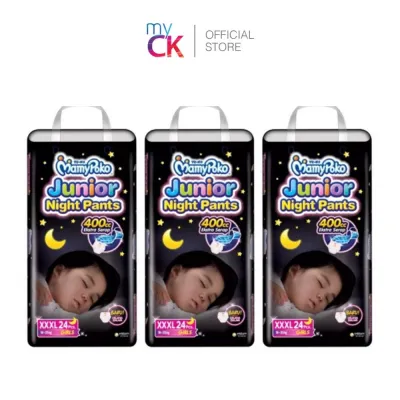

![[1 Carton] MamyPoko Kids Night Pants Girl Size XXXL (10s x 4)](https://img.lazcdn.com/g/p/5cd1d51f3f38022473905b5d9ef8cdf2.png_400x400q80.png_.webp)
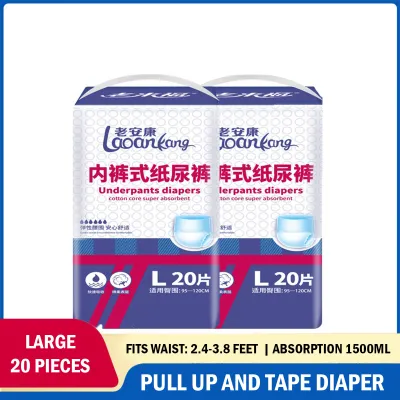
Prices are valid at publication and may change. Please refer to the product page for the latest price.

First, examine the absorbent core technology. High-quality night diapers typically feature a multi-layer core containing superabsorbent polymers distributed evenly to prevent clumping. Look for channel designs that quickly distribute liquid away from the skin, reducing wetness contact and preventing the diaper from sagging.
Second, evaluate the leak prevention structures. A reliable night diaper requires robust barriers to contain liquid during long sleep stretches. Check the height and elasticity of the double leg cuffs; they should stand upright to catch sudden surges. The waistband must also offer high elasticity to prevent leaks from the back, especially for babies who sleep on their backs.
Third, consider comfort and monitoring features. Breathability is crucial for long overnight stretches to prevent diaper rash. Look for breathable outer covers that allow heat and moisture to escape while keeping liquid locked in. Wetness indicators can be helpful, though they are less critical overnight since you want to avoid waking a sleeping baby unless a change is absolutely necessary.
Finally, critically read product labels. Claims like “12-hour dryness” or “overnight protection” are tested under standardized laboratory conditions. In real-world use, factors like sleep position, liquid intake before bed, and diaper fit will affect actual performance. Treat these claims as indicators of higher capacity rather than absolute guarantees.
Comparing Popular Night Diaper Lines in Singapore
When shopping in Singapore supermarkets or online marketplaces, you will encounter various diaper formats. Rather than relying on brand names alone, it is more effective to compare diapers by their structural categories and design intentions.
Below is a comparison framework to help you evaluate different night diaper options based on their physical characteristics and target use cases:
| Diaper Category | Target Use Case | Key Structural Features | Cost Evaluation Method |
|---|---|---|---|
| High-Capacity Overnight Pants | Active toddlers, heavy wetters, and older babies who roll frequently. | 360-degree stretchy waistband, double-layer leg cuffs, and reinforced central absorbent zone. | Calculate the price per piece; pants typically cost more than tape but save time for active babies. |
| Ultra-Absorbent Tape Diapers | Infants, back sleepers, and babies requiring a highly customizable fit around the waist. | Adjustable refastenable tapes, high back waist guards, and targeted front-to-back core distribution. | Generally more cost-effective per piece; check bulk carton deals to reduce the unit cost. |
| Hypoallergenic / Organic Night Diapers | Babies prone to diaper rash, eczema, or skin sensitivities during long sleep stretches. | Fragrance-free, chlorine-free materials, organic cotton outer sheets, and highly breathable backsheets. | Premium pricing; balance the cost per piece against the reduction in skin irritation and cream usage. |
When selecting a diaper, verify the current stock and sizing availability at your preferred local retailer. Distinguish clearly between dedicated “night” or “overnight” variants and standard daytime variants, as daytime diapers are optimized for mobility and frequent changes rather than maximum capacity.
Because retail prices, subscription discounts, and bundle promotions fluctuate frequently in Singapore, always calculate the actual cost per diaper (S$ per piece) at the time of purchase. Buying in bulk cartons or during major online shopping events often provides the best value, but ensure you do not overstock a size your baby might soon outgrow.
Matching the Diaper to Your Baby's Sleep Profile
Every baby has unique nighttime habits that influence how a diaper performs. Matching the diaper’s design to your baby’s sleep profile is the most effective way to prevent leaks.
Heavy Wetters vs. Light Wetters If your baby drinks a large volume of milk close to bedtime, they will likely saturate a standard diaper quickly. For heavy wetters, prioritize diapers with a thicker, multi-layer absorbent core. You can recognize that a diaper has reached its capacity limit if it feels heavy, saggy, and cold to the touch in the morning, or if the outer clothing feels damp without a visible gap in the fit.
Active Sleepers Babies who roll, turn, or sleep on their tummies and sides require a diaper that moves with them. For these active sleepers, pull-up style pants often provide a more secure, gap-free fit than tape diapers. Look for wide, stretchy waistbands and tall leg cuffs that maintain their seal even when the baby twists into unusual sleeping positions.
Sensitive Skin Considerations During a long night’s sleep, skin is in contact with the diaper for up to twelve hours. If your baby is prone to redness or diaper rash, pay close attention to the material composition. Choose variants that are free from added fragrances, lotions, and elemental chlorine. High breathability is essential here; a diaper that traps moisture will quickly compromise the skin barrier, leading to irritation regardless of how dry the core remains.
Practical Adjustments to Prevent Nighttime Leaks
Even the most absorbent diaper can leak if it is not fitted or managed correctly. Implementing a few practical adjustments can significantly improve overnight performance.
Proper Sizing One of the most effective strategies for heavy wetters is to use a diaper that is one size larger than their daytime size for overnight sleep. Sizing up provides a larger absorbent core and more surface area to capture liquid. However, this only works if the diaper still fits snugly around the legs. If the leg openings are loose or gap when the baby moves, liquid will escape before the core can absorb it.
Application Checks When putting on the night diaper, perform a quick three-point check:
- Run your finger along the inside of the leg cuffs to ensure the elastic guards are fully flared outward and not tucked inward.
- Pull the waistband up high enough—especially in the front for tummy sleepers and boys, or in the back for back sleepers.
- Ensure the tape tabs are symmetrical and secure, or that the pants waistband sits flat against the skin without bunching.
Managing Liquid Intake Consider the timing of your baby’s evening liquids. While maintaining hydration and feeding schedules is vital, offering the last large feed slightly earlier before bedtime can allow the baby to urinate once before the final diaper change. If you practice dream feeding, ensure the diaper is checked beforehand, or use a highly absorbent variant that can handle the additional volume without requiring a disruptive middle-of-the-night change.
When to Consult a Professional If you have adjusted the diaper size, verified the fit, managed liquid intake, and tried multiple high-capacity variants, yet leaks persist every night, monitor your baby’s overall patterns. If you notice an unusually high volume of urine, sudden changes in wetting habits, or persistent skin irritation that does not improve with barrier creams, stop troubleshooting on your own. Consult a pediatrician or qualified healthcare professional to rule out any underlying health conditions or to receive personalized guidance.
Frequently Asked Questions (FAQ)
Can I use regular daytime diapers for overnight sleep?
While you can use daytime diapers, they are generally not optimized for long overnight stretches. Daytime diapers are designed to be thinner and more flexible to facilitate movement, and they are meant to be changed every three to four hours. Consequently, they contain less superabsorbent polymer and have smaller distribution layers. Using them overnight increases the risk of saturation, leaks, and prolonged skin contact with wetness, which can disrupt sleep and cause skin irritation.
Should I size up for night diapers?
Sizing up is a highly effective solution if your baby is leaking through their current diaper size but still fits within the manufacturer’s recommended weight range. A larger size contains more absorbent material, allowing it to hold more liquid. However, you should only size up if the diaper can still be fastened securely around the waist and legs. If sizing up creates gaps around the thighs, liquid will bypass the absorbent core entirely, resulting in immediate leaks.

Community discussion
Share your experience or ask a question. Comments are reviewed before publication.