
Finding the single “best” newborn diaper brand for leak protection is rarely straightforward, as reliable containment depends heavily on your baby’s unique body shape, urination volume, and how well the diaper fits. While many brands available in Singapore claim high performance, the reality is that no single diaper fits every newborn perfectly. A brand that keeps one baby dry might lead to frequent leaks or blowouts for another. To achieve reliable leak protection, parents should focus on understanding the structural design elements of disposable diapers, matching those features to their baby’s physical build, and mastering proper application techniques.
Key Features That Prevent Newborn Diaper Leaks
To evaluate diaper options effectively, it helps to understand the engineering behind modern disposable diapers. The primary defense against leaks is the absorbent core. High-quality newborn diapers typically feature a core made of superabsorbent polymers mixed with wood pulp, or advanced channel-based designs that distribute liquid evenly. These channels prevent urine from pooling in one spot, which reduces the risk of gravity-induced leaks when your baby is lying on their side or back.
The second line of defense is the leg cuff system. Most modern diapers utilize a double-gusset design, consisting of an inner barrier that stands upright against the baby’s skin and an outer ruffled cuff. These elasticized barriers must sit snugly in the groin creases to trap liquid and runny stools. If the elastic is too loose, gaps will form; if it is too tight, it can cause red marks and discomfort.
Products mentioned in this guide


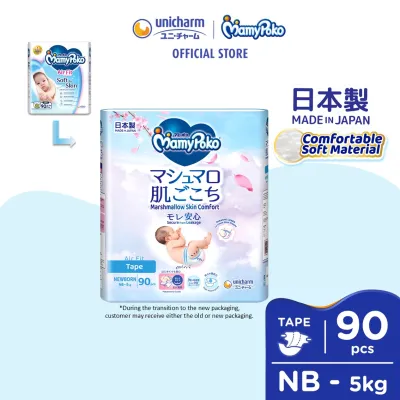

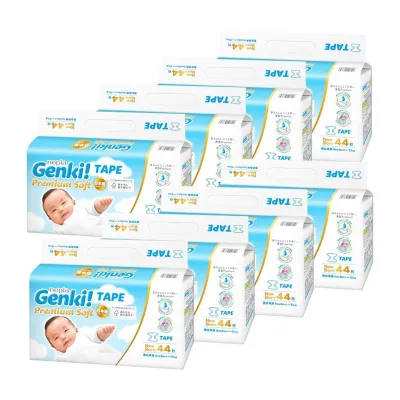


Prices are valid at publication and may change. Please refer to the product page for the latest price.
Waistband elasticity and fastening tab flexibility are equally critical for maintaining a secure, gap-free fit around the torso. Newborns breathe diaphragmatically, meaning their bellies expand and contract significantly with each breath and feed. A diaper with a highly elastic back waistband and stretchy fastening tape can adapt to these changes without slipping down or gaping at the back when the baby moves.
Finally, wetness indicators and breathable back sheets play an important supporting role. A clear color-changing line on the outside of the diaper allows caregivers to monitor wetness without disturbing the baby. Breathable outer materials allow heat and moisture vapor to escape, which is particularly important in Singapore’s warm, humid climate to help prevent diaper rash and maintain overall skin health.
Comparing Popular Newborn Diaper Designs for Frequent Urination
When shopping for newborn diapers in Singapore, you will generally encounter two main design philosophies: high-capacity structured diapers and ultra-thin flexible diapers. Each design has distinct trade-offs that make it more or less suitable depending on your baby’s daily routine and physical characteristics.

High-capacity structured diapers feature a thicker absorbent core and more rigid side walls. These are designed to hold a significant volume of liquid over longer periods, making them highly suitable for nighttime use or during extended sleep stretches. However, the added bulk can sometimes restrict movement slightly or feel warmer in humid conditions.
In contrast, ultra-thin flexible designs prioritize breathability and lightweight comfort. They utilize highly compressed absorbent cores that expand only when wet. These diapers conform closely to the baby’s body, reducing bulkiness and allowing for excellent airflow. The trade-off is that they may reach their maximum capacity faster than their thicker counterparts, requiring more frequent changes to prevent saturation leaks.
The table below outlines the observable structural differences between these common diaper designs to help you compare options when inspecting packaging or sample packs.
| Feature | High-Capacity Structured Designs | Ultra-Thin Flexible Designs |
|---|---|---|
| Core Thickness | Thicker, highly padded core with dense absorbent material | Compressed, ultra-thin core that expands upon contact with liquid |
| Leg Gusset Style | Deep, double-layered elastic barriers for maximum containment | Soft, highly flexible elastic gathers designed for low friction |
| Waistband Construction | Often features a wide, elasticized back pocket to catch runny stools | Highly stretchy side panels and flexible fastening tabs |
| Umbilical Cutout | May feature a pre-cut U-shape or a fold-down front panel | Often relies on a low-rise front waist or fold-down design |
| Primary Benefit | High volume retention; ideal for longer sleep intervals | Maximum breathability; low bulk; ideal for frequent daytime changes |
Please note that brand availability, product lines, and specific packaging designs can vary across local retailers and online marketplaces. Caregivers should always verify the current packaging labels, size charts, and structural features of the specific product line they are purchasing.
How to Choose the Right Diaper for Your Baby's Needs
Selecting the right diaper involves matching these structural designs to your newborn’s specific urination patterns, body shape, and skin sensitivity. There is no universal solution, so observing your baby’s daily patterns is key to making an informed choice.
If your baby tends to sleep for longer stretches and produces heavy, concentrated amounts of urine, high-capacity structured designs are often the most reliable choice. The robust core and deep double gussets provide the necessary volume capacity and containment barriers to prevent leaks during prolonged horizontal positioning.
Conversely, if your baby has highly sensitive skin, is prone to heat rash in Singapore’s tropical climate, or requires very frequent changes due to a sensitive stomach, ultra-thin flexible designs are highly beneficial. These diapers minimize heat retention and allow for rapid moisture evaporation, keeping the skin dry and cool during the day.
Regardless of the design you choose, always verify the manufacturer’s weight guidelines printed on the packaging. These ranges are helpful starting points, but the physical fit is the ultimate indicator of suitability. After fastening the diaper, check that the waistband sits just below the navel, the fastening tabs are symmetrical, and you can comfortably fit two fingers between the diaper and your baby’s tummy.
While occasional leaks can happen during the adjustment period, persistent leaking accompanied by signs of severe skin irritation, unusual urinary frequency, or feeding difficulties warrants professional attention. If you notice these symptoms, stop using the current diaper brand and consult a pediatrician to rule out underlying health or skin conditions.
Troubleshooting Leaks and Blowouts
Many diaper leaks and blowouts are not caused by a defective product, but rather by minor fit issues or application errors. By establishing a consistent diapering routine and checking key areas during each change, you can significantly reduce the occurrence of leaks.
First, always ensure that the leg cuffs are fully pulled out and ruffled. When rushing through a diaper change, it is easy for the outer elastic ruffles to remain tucked inward against the baby’s skin. This creates a direct pathway for liquid to escape. After fastening the tabs, run your finger around both leg openings to flare the cuffs outward.
Second, monitor the fit to determine when it is time to size up. Newborns grow rapidly, and their body proportions change weekly. If you notice red marks around your baby’s thighs or waist, find that the fastening tabs are sitting far apart near the hips, or experience frequent leaks despite correct cuff placement, your baby likely needs the next size up, even if their weight is still within the lower range of the current size’s guidelines.
Third, pay close attention to the umbilical cord stump during the first few weeks. The diaper must not rub against or cover a healing stump, as this can cause friction and irritation. If your diaper does not have a built-in umbilical cutout, fold the front waistband downward before fastening the tabs. Ensure this fold is neat and does not compromise the waist seal or create gaps at the hips.
Finally, align your changing frequency with your baby’s actual feeding and urination schedule. Newborns typically urinate shortly after feeding. Changing the diaper before or immediately after each feed helps prevent the absorbent core from reaching its maximum capacity, reducing the likelihood of saturation-related leaks.
Frequently Asked Questions (FAQ)
Why does my newborn's diaper leak at the back?
Back leaks usually occur when the diaper is pulled too low at the back, when there is an incorrect waist fit, or when the absorbent core is saturated. Ensure the back of the diaper sits high enough on your baby’s lower back before fastening the tabs. If the diaper is too small, it will naturally ride down, creating a gap where liquid and runny stools can escape. Additionally, if your baby sleeps on their back for long periods, gravity can cause urine to flow upward; choosing a diaper with an elasticized back waistband or a built-in pocket can help contain this flow.
Should I size up if my newborn's diaper is leaking?
Sizing up is often the most effective solution for persistent leaks. You should consider transitioning to the next size if your baby’s weight is approaching the upper limit of the current size’s guidelines, or if you observe physical signs of a tight fit. These signs include deep red marks on the thighs or waist, fastening tabs that do not reach the center panel easily, or frequent leaks occurring despite proper application. A larger size provides a larger absorbent core and higher containment walls to handle increased urine volume.

Community discussion
Share your experience or ask a question. Comments are reviewed before publication.