
Finding the right mommy backpack is less about chasing a specific brand name and more about understanding how a bag’s physical layout matches your daily parenting routine. While one parent might prefer a compact, minimalist design for quick trips to the neighborhood playground, another might find a high-capacity, multi-compartment bag essential for managing a full day out with an infant and a toddler. To make an informed decision, you need to look past marketing claims and evaluate how storage volume, pocket configurations, and material choices function in real-world scenarios.
Core Metrics for Comparing Mommy Backpack Capacity
When comparing different mommy backpack options, relying solely on a brand’s advertised capacity can be misleading. Manufacturers often measure volume in liters, but this number rarely tells the whole story of how much gear you can actually pack. A bag rated at 20 liters with a single, open compartment will pack very differently than a 20-liter bag divided into numerous small, structured pockets. Structural elements like thick foam padding, insulated bottle walls, and dedicated laptop sleeves can significantly reduce the actual usable space inside the main compartment.
External dimensions are equally critical, especially when navigating tight spaces or traveling. A bulky backpack might exceed carry-on limits for flights or prove too cumbersome when boarding public transport. Furthermore, you must consider how the bag’s physical size interacts with your stroller. While many diaper bags feature integrated stroller straps, hanging a heavy, high-capacity backpack from a stroller handlebar can alter the stroller’s center of gravity. This creates a serious tipping hazard, particularly when you lift your child out of the seat. Always check the stroller manufacturer’s weight limits and guidelines before suspending any bag from the frame.
Products mentioned in this guide
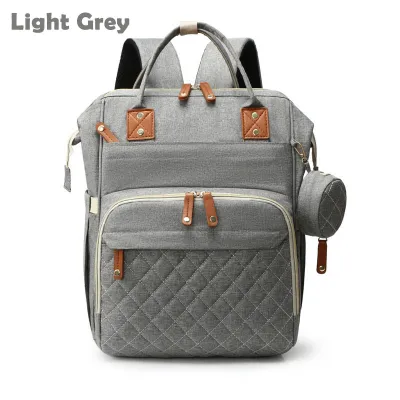
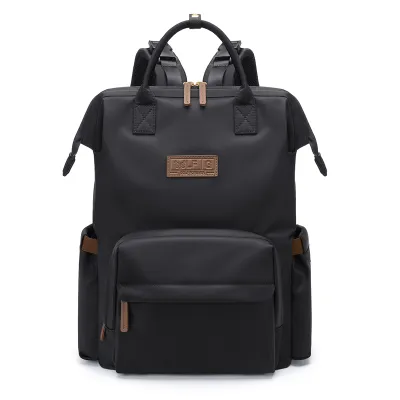
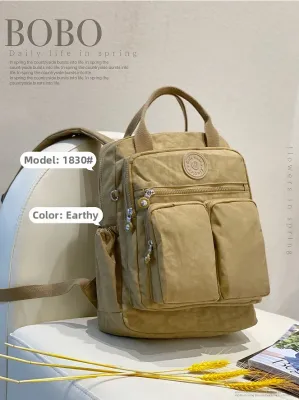
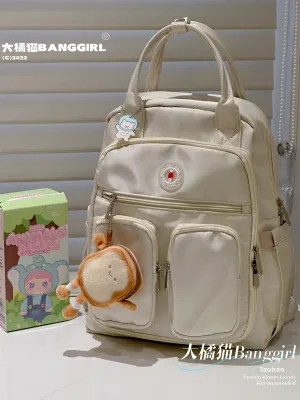
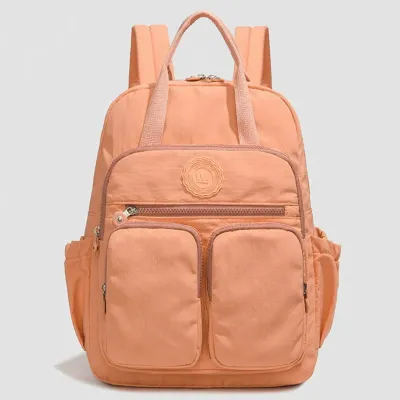
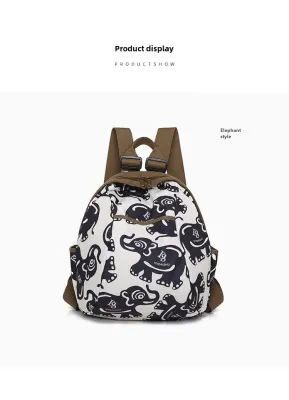
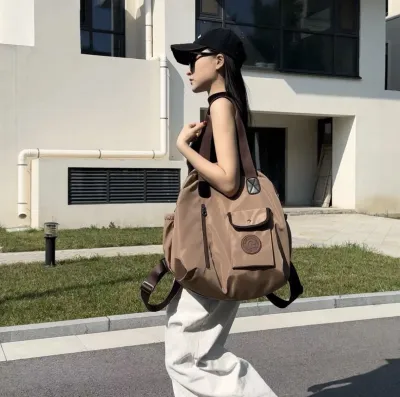
Prices are valid at publication and may change. Please refer to the product page for the latest price.
Finally, do not overlook the empty weight of the backpack. High-quality materials like heavy-duty canvas, thick faux leather, and robust metal hardware add durability, but they also increase the bag’s baseline weight. A backpack that starts heavy before you even add a single diaper will quickly become exhausting to carry during long outings. Look for lightweight yet durable synthetic fabrics, such as high-density nylon or polyester, which offer a better balance of structural integrity and carrying comfort.
Matching Storage Volume to Your Daily Routine
Your ideal backpack capacity depends heavily on the duration of your typical outings and the age of your children. For short local errands—such as a quick trip to the supermarket or a doctor’s visit—a compact bag with a volume of 12 to 15 liters is usually sufficient. This size easily accommodates a few diapers, a travel pack of wipes, a changing mat, a single bottle, and a spare change of clothes without adding unnecessary bulk.

For full-day excursions, day trips, or when traveling, your capacity needs will easily scale up to 20 to 25 liters. These larger bags allow you to pack multiple feedings, extra layers of clothing, toys, and personal items like your wallet and keys. If you are caring for multiples or managing both an infant and a toddler, a high-capacity bag becomes a necessity rather than an option. You will need to pack different sizes of diapers, separate feeding supplies, and a wider variety of snacks and comforting items.
Environmental factors also play a role in determining your storage needs. In a tropical climate like Singapore, where sudden downpours are common and indoor spaces are heavily air-conditioned, you must allocate space for weather-specific gear. Your backpack needs enough room to store compact umbrellas, light cardigans or swaddles to protect your baby from chilly mall drafts, and perhaps a wet bag for damp swimwear after an afternoon at a water play park. When evaluating a bag’s volume, visualize these specific items to ensure they will fit comfortably alongside your standard baby essentials.
Evaluating Internal Organization and Compartment Layouts
A large storage capacity is of little use if the interior of the bag is a dark, disorganized cavern. Effective internal organization relies on dedicated zones that keep essential items separated and easily accessible. Look for backpacks that feature distinct wet/dry compartments lined with waterproof materials. These zones are invaluable for isolating soiled clothes, damp bibs, or used washcloths from clean items. Insulated bottle pockets are another crucial feature; verify that these pockets are lined with thermal material to help maintain the temperature of milk or warm water during your travels.
The style of the main opening significantly influences how quickly you can locate items under pressure. Clamshell openings, which zip down completely on both sides to let the bag lay flat like a suitcase, offer maximum visibility and access. This design allows you to see every item at a glance, making it easy to retrieve a specific toy or diaper without disturbing the rest of your packing. In contrast, top-loading or bucket-style backpacks tend to have a smaller footprint and are easier to zip closed when overstuffed, but they often require you to dig through layers of gear to reach items at the bottom.
To mitigate the downsides of top-loading designs, many manufacturers incorporate quick-access entry points. Look for bags with a rear-access zipper that allows you to reach the very bottom of the main compartment directly from the back of the bag. Side pockets are also highly functional, particularly when they feature dedicated dispenser slots for baby wipes or quick-access sleeves for water bottles. A well-designed tech sleeve is another useful addition for modern parents, providing a padded, secure space for a tablet or laptop that keeps your personal electronics isolated from potential bottle leaks.
How to Compare Specific Brands Side-by-Side
When comparing different mommy backpack brands side-by-side, it is important to establish a consistent evaluation process rather than relying on subjective online reviews. Start by carefully reading the manufacturer’s specifications. Pay close attention to how they define capacity; some brands include the volume of external pockets in their total liter rating, while others only measure the main compartment. Look for detailed schematics or dimension listings that specify the height, width, and depth of both the overall bag and the individual insulated pockets.
If you have the opportunity to evaluate bags in person, perform a series of physical checks to assess their practical build quality. Test the zippers repeatedly; they should glide smoothly with one hand, as you will often be holding your baby while trying to open the bag. Examine the shoulder straps to ensure they are wide, contoured, and generously padded with breathable mesh to distribute weight evenly across your shoulders. Check the interior lining as well—lighter-colored linings reflect more light, making it much easier to find small items buried deep inside the bag compared to dark black or navy interiors.
Material durability is a critical factor in high-wear and spill-prone zones. Inspect the base of the backpack to see if it features protective feet or a water-resistant, wipeable material that allows you to set the bag down on public restroom floors or park benches without worry. Examine the stitching at major stress points, such as where the shoulder straps and top handle attach to the main body. Reinforced stitching, such as box-X patterns, indicates a bag built to withstand the daily strain of being packed to capacity and lifted repeatedly.
Decision Framework: Choosing the Right Bag for Your Needs
To finalize your choice, align your primary daily challenges with the specific strengths of each backpack design. If your routine involves long days away from home, frequent travel, or managing multiple young children, prioritize a high-capacity, multi-zone backpack. These structured bags, often ranging from S$100 to S$200 or more for premium durable materials, offer the extensive organization required to keep track of diverse supplies. The investment in a larger, highly organized bag pays off in reduced stress when you need to find a clean pacifier or diaper in a hurry.
Conversely, if you prioritize mobility, rely heavily on public transport, or primarily take short, planned trips, a streamlined and lightweight backpack is the more practical choice. These bags focus on a compact footprint and essential pockets, preventing you from overpacking and carrying unnecessary weight. They are easier to maneuver in crowded spaces and fit comfortably in smaller stroller baskets. You can always supplement a smaller bag with modular packing pouches for the occasional longer outing.
Before making any purchase, perform a final compatibility check with your existing feeding gear. Measure the height and diameter of your preferred baby bottles, sippy cups, or breast pump accessories, and compare them against the dimensions of the bag’s insulated compartments. Some highly rated backpacks feature insulated pockets that are too narrow for popular wide-neck bottles or too short for taller sports bottles. Ensuring your specific gear fits comfortably into these dedicated spaces before buying will save you from the frustration of a bag that looks great but fails to meet your practical daily needs.
Frequently Asked Questions (FAQ)
Do I need a dedicated mommy backpack, or will a regular backpack work?
While a standard everyday backpack can certainly carry baby gear, dedicated mommy backpacks offer specialized features designed specifically for parenting challenges. Diaper-specific backpacks typically include built-in insulated bottle holders, dedicated waterproof wet pockets, integrated stroller attachment straps, and a matching, easy-to-clean changing pad. These features are integrated directly into the bag’s layout, maximizing space efficiency. A regular backpack can work if you pair it with modular organizers, such as packing cubes and insulated bottle sleeves, but this approach often takes up more interior space and requires more steps to access essential items during an emergency.
How do I clean and maintain the internal compartments?
To maintain hygiene and longevity, always check the manufacturer’s care labels and tags inside the backpack before attempting any cleaning. For routine maintenance, empty the bag completely at the end of each week, shake out any crumbs, and wipe down the interior compartments with a damp cloth and a mild, baby-safe detergent. Pay special attention to the insulated bottle pockets and wet zones, allowing them to air dry completely with the zippers open to prevent the buildup of mold, mildew, or unpleasant odors. If your bag suffers a major spill or deep staining, avoid machine washing or harsh chemical cleaners unless the manufacturer explicitly states they are safe, as these can degrade waterproof coatings and structural paddings; instead, consult the manufacturer’s customer service or a professional cleaning service.

Community discussion
Share your experience or ask a question. Comments are reviewed before publication.