
Selecting the right maternity support belt (孕妇托腹带) in Singapore requires balancing structural support with physical comfort, especially when navigating the transition between humid outdoor air and highly air-conditioned offices. As your body changes throughout pregnancy, a single “best” brand does not exist; instead, the ideal option depends on your daily activity levels, clothing choices, and specific physical needs. By focusing on structural design, material breathability, and adjustability, you can find a support belt that helps manage physical strain while remaining comfortable for daily wear.
Before purchasing any maternity support garment, it is important to understand that these accessories are designed to assist your body, not replace natural muscle function. Evaluating how different designs distribute weight and how their fabrics perform in tropical climates will ensure you make a practical investment for your pregnancy journey.
What to Look for in a Daily Wear Maternity Belt
When evaluating maternity support belts for everyday use, the primary goal is to find a balance between structural stability and long-term wearability. A high-quality belt should alleviate pressure on your lower back and pelvis without restricting your natural movement or causing skin irritation.
Products mentioned in this guide
Prices are valid at publication and may change. Please refer to the product page for the latest price.
Support Structure and Weight Distribution
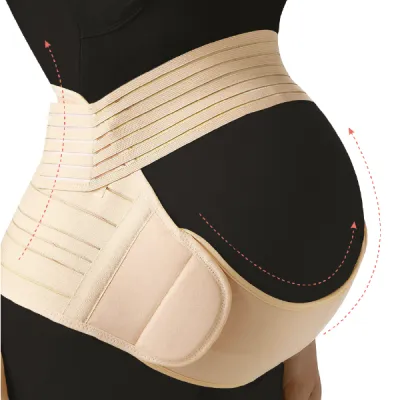
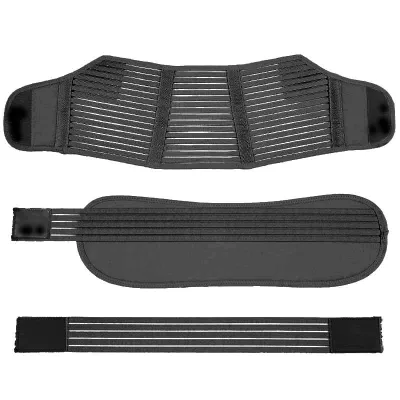
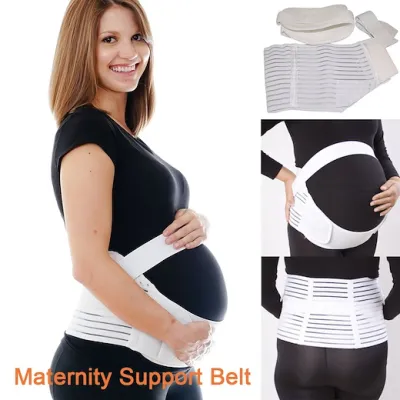
To find a belt that offers genuine relief, check the manufacturer’s specifications for reinforced panels and pelvic cradles. The most effective daily wear belts feature a curved lower band that sits snugly beneath the abdomen, mimicking the natural support of your pelvic floor muscles. Additionally, look for wider rear panels that incorporate flexible boning or double-layered fabric to stabilize the lumbar region and prevent the belt from rolling down during movement.
Breathability and Moisture Control
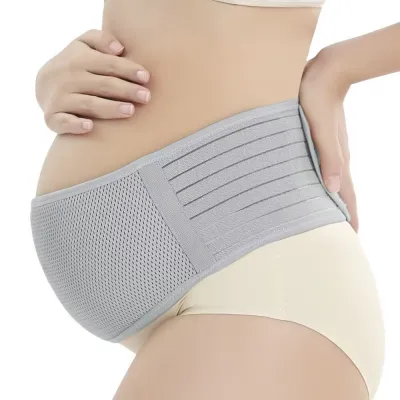
In Singapore’s warm and humid climate, fabric composition is a critical factor for daily comfort. Heavy, non-breathable materials can trap heat and sweat, leading to chafing, heat rashes, or general discomfort during your daily commute. Look for belts that utilize lightweight mesh zones, perforated elastic, or moisture-wicking synthetic blends. Cotton-lined interior panels are also beneficial, as they provide a soft, non-irritating barrier directly against sensitive skin.
Adjustability Mechanisms
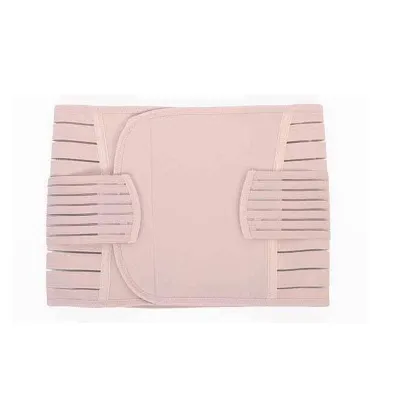
Your abdomen will grow continuously throughout the second and third trimesters, meaning a fixed-size band will quickly become obsolete. High-quality daily wear belts feature robust hook-and-loop fasteners that allow you to micro-adjust the tension as your body changes. When assessing these fasteners, look for low-profile, medical-grade hook-and-loop closures that secure firmly without snagging your clothing or losing their grip after repeated washing.
Comparing Common Maternity Belt Designs for Everyday Use
Maternity support garments generally fall into three distinct design categories, each offering a different balance of compression, discretion, and ease of use. Understanding these structural differences allows you to match the belt to your daily routine and wardrobe.

Adjustable Wrap-Around Belts
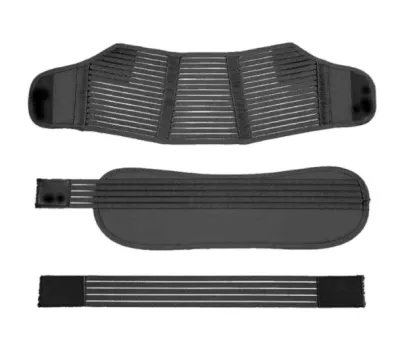
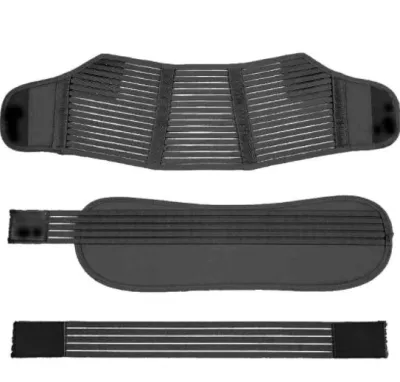
Adjustable wrap-around belts are typically multi-piece systems consisting of a main abdominal support band, a lower back reinforcement panel, and secondary tension straps. These designs offer the highest level of customizable compression, allowing you to tighten or loosen specific areas depending on whether you are sitting, standing, or walking. They are highly effective at relieving targeted lower back and pelvic girdle strain, making them excellent for active days or long periods of standing. However, because they feature multiple overlapping layers and fasteners, they can be bulky under fitted clothing and may require occasional readjustment throughout the day.
Pull-on Support Bands and Tubes
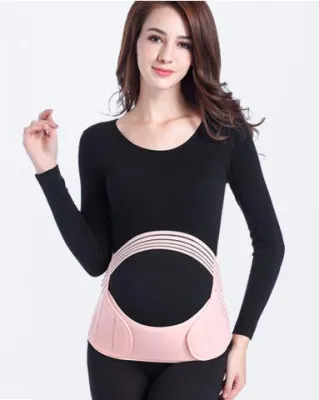
Pull-on support bands, often referred to as belly tubes, are seamless, highly elastic garments that slide over your abdomen like a wide camisole. These bands provide gentle, continuous compression and are exceptionally discreet under lightweight dresses or professional office wear. Because they lack bulky fasteners, buckles, or rigid panels, they are highly comfortable for long periods of sitting at a desk. While they are excellent for holding up loose maternity trousers and providing mild support in the early to mid-stages of pregnancy, they generally lack the structural reinforcement needed to alleviate severe lower back or pelvic pain in the third trimester.
Hybrid Designs with Shoulder Straps
Hybrid maternity belts combine a traditional lower abdominal wrap with adjustable over-the-shoulder straps. This design is engineered to distribute a portion of the abdominal weight across your shoulders and upper back, significantly reducing downward pressure on your pelvis and bladder. These are highly beneficial for individuals carrying twins, those experiencing severe pelvic pressure, or anyone whose daily routine involves lifting or extended walking. The primary trade-offs are visibility and convenience; the shoulder straps are difficult to conceal under light summer clothing and add an extra step when using the restroom.
How to Choose the Right Belt for Your Body and Lifestyle
Selecting the right maternity belt requires matching the garment’s structural features to your daily physical symptoms and lifestyle demands. There is no universal solution, and many expectant mothers find that different activities require different types of support.
Matching Belt Types to Daily Activities
If your daily routine involves a mix of walking, commuting, and active tasks, an adjustable wrap-around belt is highly suitable because it allows you to increase support when standing and loosen it slightly when sitting. Conversely, if you spend most of your day seated at a desk in an air-conditioned office, a seamless pull-on band will provide comfortable, low-profile support without digging into your hips or abdomen. For those who enjoy light exercise or prenatal yoga, a highly breathable, single-strap adjustable band offers the necessary pelvic stability without restricting your range of motion.
When to Seek Professional Guidance
While maternity belts are excellent tools for managing temporary pregnancy discomfort, they are not a cure for underlying musculoskeletal issues. If you experience sharp, localized pain in your pubic bone, severe pelvic girdle pain, or symphysis pubis dysfunction (SPD), do not attempt to self-treat with a retail support belt. Consult a healthcare provider, obstetrician, or women’s health physiotherapist first. A professional can recommend a specific medical-grade orthotic, verify that a support belt is safe for your specific pregnancy, and teach you how to position the band correctly to avoid aggravating your symptoms.
Care, Maintenance, and When to Stop Wearing Your Belt
To ensure your maternity support belt remains hygienic, effective, and durable throughout your pregnancy, proper maintenance and safe usage habits are essential.
Washing and Drying Guidelines
Because daily wear garments absorb sweat and skin oils, regular cleaning is necessary to prevent skin irritation. Always refer to the manufacturer’s care label before washing. As a general rule, hand wash your support belt in cool water using a mild, hypoallergenic detergent. If you prefer to use a washing machine, secure all hook-and-loop fasteners completely to prevent them from snagging the elastic fibers, place the belt inside a mesh laundry bag, and select a delicate cycle. Always air dry the belt flat in a shaded area; high heat from a clothes dryer will degrade the elastic fibers and warp any flexible plastic support panels.
Wear Limits and Muscle Health
To prevent your core and back muscles from becoming dependent on external support, limit your belt usage to two to three hours of continuous wear at a time, focusing on periods of physical activity or standing. Wearing a support belt constantly can cause your abdominal and spinal muscles to relax, potentially leading to increased weakness and discomfort once the belt is removed. Use the belt as an active aid rather than a permanent brace, and incorporate gentle, doctor-approved prenatal core-strengthening exercises into your routine to maintain natural muscle tone.
Physical Signals to Stop Wear
Always pay close attention to how your body responds to the support belt. Remove the garment immediately if you experience any of the following warning signs:
- Numbness, tingling, or a pins-and-needles sensation in your legs or pelvic region.
- Shortness of breath or a feeling of restricted breathing.
- Deep, red skin indentations or persistent itching after removing the belt.
- Increased pelvic or abdominal pain.
- Signs of restricted circulation, such as coldness in your lower extremities.
If any of these symptoms persist after removing the belt, contact your healthcare provider for a professional assessment.
Frequently Asked Questions (FAQ)
Can I wear a maternity support belt while sleeping?
No, you should not wear a standard maternity support belt while sleeping unless specifically instructed and supervised by a healthcare professional. When you are lying down, gravity no longer pulls your abdomen downward in the same way as when you are upright, making the support belt unnecessary. Furthermore, wearing a restrictive band while sleeping can limit your circulation, restrict deep breathing, and prevent you from noticing physical warning signs of excessive compression or skin irritation.
How do I know if my maternity belt is too tight?
Your maternity belt should feel like a firm, supportive hug rather than a restrictive bind. Signs that your belt is too tight include difficulty taking deep breaths, a feeling of pressure on your stomach that triggers acid reflux or indigestion, or visible, deep red indentations on your skin when you remove the garment. If you feel any pinching, sharp pain, or if your baby begins to kick excessively or uncomfortably against the band, loosen the fasteners immediately or transition to a larger size.

Community discussion
Share your experience or ask a question. Comments are reviewed before publication.