
Choosing the right diaper for an active toddler is a highly individual decision that depends on your child’s unique body shape, movement patterns, and skin sensitivity. While MamyPoko Pants XL Girl is a popular choice in Singapore, there is no single diaper brand that works perfectly for every toddler. The ideal option for your household depends on whether you prioritize gender-specific absorbency zones, ultra-thin materials for hot weather, or budget-friendly bulk packaging.
MamyPoko Pants XL Girl is specifically designed to cater to the anatomical needs of growing girls, featuring targeted absorbency distribution that concentrates protection where it is needed most. In contrast, competing brands like Pampers, Huggies, and Drypers offer a mix of unisex designs, high-speed absorption channels, and cost-effective everyday options. Before committing to a bulk purchase, it is highly recommended to inspect product labels, understand the design differences, and observe how your child reacts to a trial pack.
Evaluating Absorbency and Leak Protection for Active Toddlers
When toddlers reach the XL size stage, they are typically walking, running, and climbing constantly. This high level of activity puts immense pressure on a diaper’s absorbent core, making leak protection a primary concern for parents. To evaluate how well a diaper will prevent leaks, you must look closely at how the absorbent material is distributed throughout the core.
Products mentioned in this guide
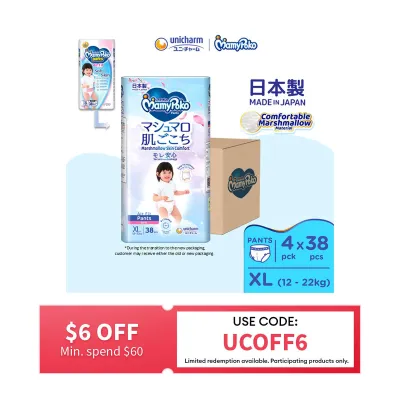
![[1 Carton] MamyPoko Air Fit Pants Diapers Girl Size XL (38s x 4)](https://img.lazcdn.com/g/p/52b8b8b353b3b74debc6f40a8140f268.png_400x400q80.png_.webp)
![MamyPoko Air Fit Marshmallow Pants Super Premium Baby Diapers [GIRL] XL38 (4 Packs) (12 - 22kg)](https://img.lazcdn.com/g/p/7e9abcc54adccb541468bb7826797a40.jpg_400x400q80.jpg_.webp)
Prices are valid at publication and may change. Please refer to the product page for the latest price.
For gender-specific diapers like MamyPoko Pants XL Girl, the absorbent core is tailored to concentrate protection in the center and lower-middle sections of the diaper. Unisex diapers from brands like Pampers, Huggies, or Drypers generally distribute the superabsorbent polymer evenly from front to back. You can verify this distribution by holding an unused diaper up to a bright light to see where the core padding is thickest.
Beyond the core, the physical construction of the leak barriers plays a critical role in preventing accidents. Open a fresh diaper and inspect the inner leg area. You should look for double-layered, elasticized standing leg cuffs that rise up naturally when the diaper is opened. These cuffs act as physical walls to contain liquid during sudden rushes. Additionally, check the back waistband for a flexible barrier or pocket designed to catch leaks when your toddler sits down or bends over.
To determine if your current brand’s absorbency is meeting your toddler’s needs, monitor their clothing and the diaper’s physical state during use. Observable signs of inadequate absorbency include heavy sagging within an hour of wear, dampness on the outer fabric shell, or frequent leaks around the leg gaps despite a snug fit. If you notice these signs regularly, it may indicate that the core distribution does not match your child’s wetting pattern, or that it is time to transition to a more absorbent design.
Comparing Fit, Comfort, and Waistband Elasticity in XL Sizes
An active toddler requires a diaper that moves with them without causing discomfort or restricting play. Because toddlers have vastly different body proportions—some having rounder bellies while others have chunkier thighs—the elasticity and cut of the waistband and leg cuffs are crucial factors to compare.

Before putting a diaper on your toddler, perform a manual stretch test. Gently pull the waistband to its full extension to evaluate its elasticity. A high-quality waistband should stretch smoothly with moderate resistance and return to its original shape without feeling stiff or harsh. Stiff elastics can dig into a toddler’s skin, especially in Singapore’s warm and humid climate where sweat can accumulate under tight bands and cause friction.
Gender-specific variants like MamyPoko Pants XL Girl often feature tailored cuts designed to accommodate a girl’s typical body shape. These designs may include a slightly narrower crotch area to prevent bulkiness between the thighs, allowing for more natural movement. You can verify these design features by checking the product packaging for terms like “360-degree stretch,” “soft air-fit,” or “tailored leg gathers.”
During daily use, keep a close eye on how the diaper fits during different activities. Look for physical indicators of a poor fit, such as red, indented marks on your toddler’s thighs or waist after a few hours of wear. Other warning signs include the diaper slipping down when they run, or a noticeable gap opening up at the lower back when they sit. If these issues occur, the diaper’s cut may not be compatible with your child’s current body shape.
Checking Materials, Breathability, and Skin Sensitivity
Singapore’s tropical climate makes diaper breathability a top priority for maintaining healthy skin. High humidity and heat can easily trap moisture inside a diaper, creating an environment prone to diaper rash and heat-induced skin irritation. Parents must carefully evaluate the materials used in each brand.
Start by reading the ingredient and material specifications printed on the diaper packaging. Look for descriptions such as “microporous breathable back sheet,” “lotion-free inner cover,” or “hypoallergenic materials.” A breathable outer cover allows hot air and moisture vapor to escape while keeping liquid locked inside, which helps keep your toddler’s skin dry and cool.
Many brands display claims such as “dermatologically tested” or “hypoallergenic” on their packaging. To ensure these claims are robust, look for specific certification logos from recognized independent testing institutes printed on the pack. Avoid relying solely on prominent marketing text; instead, verify the details on the manufacturer’s official website or contact their customer service if you require clarification on specific material components.
When introducing a new diaper brand to your routine, establish a structured skin monitoring plan. Observe your toddler’s diaper area during every change for the first forty-eight hours. Look for early signs of sensitivity, such as localized redness, small bumps, or dry patches. If a persistent rash or severe irritation develops, stop using the new brand immediately, return to a known compatible diaper, and consult a pediatrician for professional medical advice.
Assessing Value: Calculating Cost per Diaper and Pack Sizes
Diapering is a continuous household expense, making financial value a key consideration for families in Singapore. To make an accurate financial comparison between MamyPoko and other popular brands, you must look beyond the retail price of a single pack.
The most reliable way to compare value is to calculate the cost per diaper. Divide the total retail price of the pack in S$ by the exact number of diapers inside. For example, if a pack costs S$24.00 and contains 38 diapers, the cost per diaper is approximately S$0.63. Because XL diaper counts vary significantly between brands and packaging types, this calculation ensures you are comparing actual usage costs.
When shopping at local supermarkets or online marketplaces, compare the pricing of standard packs against jumbo, mega, or carton boxes. Carton deals and bulk purchases often offer a lower cost per diaper, but they require a higher upfront investment and more storage space in your home. Additionally, keep in mind that diaper pricing can fluctuate based on local promotions, subscription discounts, or loyalty programs.
Before purchasing diapers in bulk, factor in the financial risk of your toddler outgrowing the size quickly or developing a sudden skin sensitivity. It is highly practical to test a single standard pack first. Furthermore, consider the diaper’s performance; a slightly more expensive diaper that keeps your toddler dry for longer may require fewer changes throughout the day, ultimately proving more cost-effective than a cheaper diaper that needs frequent replacement.
Decision Framework: Which Diaper Brand Fits Your Toddler?
To make a confident purchasing decision, synthesize your observations of your toddler’s physical needs, skin sensitivity, and your household budget into a clear decision framework.
Choose MamyPoko Pants XL Girl if:
- Your toddler is a girl who experiences leaks primarily in the middle or back of the diaper.
- You prefer a gender-specific, tailored fit that accommodates active movement without bunching.
- You have verified that the waistband elasticity is gentle enough for your child's skin.
Choose Pampers or Huggies if:
- You prioritize ultra-thin diaper designs with high-speed absorption channels for daytime wear.
- Your toddler has highly sensitive skin and benefits from specific hypoallergenic or lotion-infused inner liners.
- The physical cut of these brands aligns better with your toddler's waist and thigh proportions.
Choose Drypers if:
- You are looking for a highly cost-effective everyday diaper for frequent daytime changes.
- Your toddler does not have highly sensitive skin and fits well into standard unisex diaper shapes.
- You prefer purchasing in large bulk quantities at a lower cost per diaper.
Verify first if:
- Your toddler's current weight falls comfortably within the manufacturer's specified XL weight range on the latest packaging, as sizing standards can vary between brands.
- The diaper materials do not contain any known irritants for your child.
Before transitioning completely to a new diaper brand, always purchase a single small pack or request a trial sample online. This allows you to test the fit, absorbency, and skin compatibility in real-world conditions without the financial risk of leftover bulk stock.
Frequently Asked Questions (FAQ)
How do I know if my toddler is ready to move from L to XL diapers?
Your toddler may be ready to transition to XL diapers if you notice frequent leaks despite proper application, or if the diaper feels damp to the touch shortly after a change. Physical signs include red elastic marks around your toddler’s thighs or waist, or the waistband sitting significantly below their belly button. While you should check the manufacturer’s weight guidelines on the packaging, remember that these ranges are approximate; a toddler with a rounder belly or thicker thighs may need to size up sooner to ensure a comfortable fit.
Can I mix different diaper brands for daytime and nighttime use?
Yes, mixing different diaper brands is a highly practical and cost-effective strategy for many parents. You can use a lighter, highly breathable, and more economical diaper for frequent daytime changes when your toddler is active and changed regularly. For nighttime, you can transition to a highly absorbent diaper, such as MamyPoko Pants XL Girl, to ensure your toddler remains dry and comfortable throughout long sleep hours. If you choose this approach, ensure both brands fit securely to prevent leaks during transitions.

Community discussion
Share your experience or ask a question. Comments are reviewed before publication.