
Finding the right diaper in Singapore’s warm, humid climate is a balancing act between comfort, containment, and cost. While Mamy Poko Pants XL is a popular choice for toddlers transitioning into active training pants, comparing it to other brands requires a systematic approach. Every baby has a unique build, skin type, and activity level, meaning a diaper that works perfectly for one child might cause leaks or rashes on another. To determine if Mamy Poko Pants XL or an alternative brand is the right fit for your household, you must evaluate specific design features, sizing structures, and material safety indicators directly on your baby.
By focusing on observable performance metrics rather than marketing slogans, you can identify which diaper design truly supports your child’s daily movements and sleep patterns. This guide establishes a practical framework for comparing these products under local conditions, ensuring your choice is based on real-world utility and value.
Key Dimensions for Comparing Diaper Performance
To make an objective comparison between Mamy Poko Pants XL and alternative brands, you must look closely at the physical construction of the diapers. The core absorption structure is the most critical component to analyze. Most modern disposable diapers utilize a blend of superabsorbent polymers and wood pulp to lock away moisture. When evaluating different brands, check the packaging for descriptions of their core technology, such as channel designs or multi-layer distribution systems. A well-designed core distributes liquid evenly across the diaper rather than letting it pool in one spot, which helps prevent sagging and leaks during active play.
Products mentioned in this guide
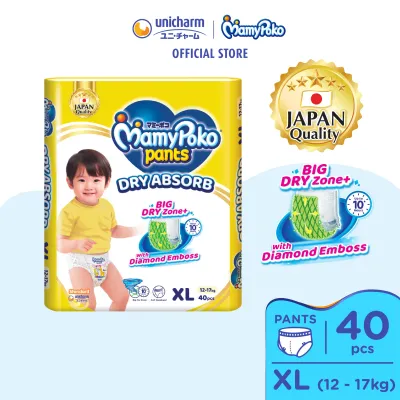
![MamyPoko Extra Dry Pants Premium Baby Diapers [UNISEX] XL32 (4 Packs) (12 - 17kg)](https://img.lazcdn.com/g/p/5b6058567bfc55657495390de0e16873.jpg_400x400q80.jpg_.webp)
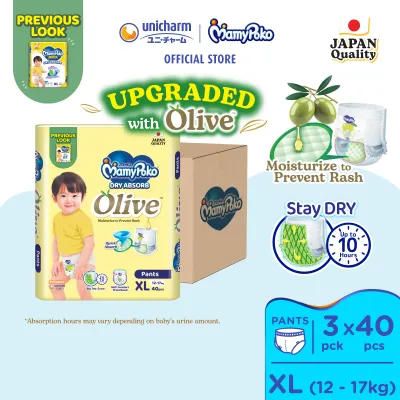
![MamyPoko Air Fit Pants Super Premium Baby Diapers [BOY] XL38 (1Pack) (12 - 22kg)](https://img.lazcdn.com/g/p/f56b3fac8758af2a94cba25ff63cddec.jpg_400x400q80.jpg_.webp)
Prices are valid at publication and may change. Please refer to the product page for the latest price.
Breathability is another essential factor, especially given the high humidity levels in Singapore. Trapped heat and moisture can quickly compromise skin integrity, leading to discomfort and diaper rash. Rather than relying solely on “breathable” labels on the packaging, you can assess this performance indicator directly. After your baby has worn a diaper for a few hours, feel the outside of the outer cover; a slightly damp sensation often indicates that moisture vapor is successfully escaping through the material. Additionally, observe the temperature and moisture level of your baby’s skin during diaper changes to see if the area remains dry and cool.
Leak prevention relies heavily on the physical elasticity and design of the leg cuffs and waistband. Inspect the diaper’s inner and outer leg gathers, which act as barriers against liquid and solid waste. High-quality diapers feature double-layered elastic cuffs that fit snugly around the thighs without binding. Stretch the waistband and side panels of Mamy Poko Pants XL and compare their tension and recovery to alternative brands. The elastic should be soft yet resilient, providing enough tension to keep the diaper secure during movement without digging into your baby’s skin.
Evaluating Fit and Sizing: Mamy Poko Pants XL vs. Alternatives
Sizing is not standardized across diaper manufacturers, meaning an extra-large diaper from one brand may fit completely differently than an XL from another. When comparing Mamy Poko Pants XL to alternatives, always start by verifying the weight range printed on the packaging. While XL diapers generally cater to toddlers within a specific weight bracket, the actual fit depends heavily on your baby’s unique body shape. A baby with chubby thighs and a round tummy will require a different cut than a taller, leaner toddler of the exact same weight.

To evaluate the physical fit on your baby, look for specific visual cues during daily wear. Check for red marks or deep indentations around the thighs, waist, and hips after you remove the diaper. These marks indicate that the elastic is too tight or that the cut of the diaper is too narrow for your baby’s build. Conversely, monitor for gaps around the legs when your baby is sitting, crawling, or walking. Gaps are a primary cause of side leaks, particularly when your baby is active or sleeping on their side.
Different brands utilize distinct cuts and shapes that favor specific body types. Some diapers feature a wider crotch area, which can provide more coverage but may bunch up between the legs of a slender baby. Other brands offer a narrower, more contoured cut designed to maximize mobility. Compare the physical dimensions of an unused Mamy Poko Pants XL diaper side-by-side with an alternative brand. Note the width of the crotch, the height of the waistband, and the stretchability of the side panels to determine which shape aligns best with your baby’s current physical development.
Assessing Skin Sensitivity and Material Safety
Because diapers remain in direct contact with your baby’s skin for most of the day and night, material safety is a paramount consideration. Start by verifying the ingredient and material lists printed on the product packaging. Look for clear declarations regarding the absence of potential irritants, such as added fragrances, elemental chlorine, latex, or parabens. Many brands highlight hypoallergenic properties or the inclusion of soothing lotions, but because these terms are not globally standardized, you must verify how your baby’s skin actually reacts to the materials.
When introducing Mamy Poko Pants XL or switching to a new alternative brand, monitor your baby’s skin closely for the first 48 hours. Track any signs of localized redness, dry patches, or small bumps in the diaper area. It is helpful to establish a clear threshold for discontinuing use. If mild redness appears, try applying a standard barrier cream and observe if the condition improves. However, if the irritation persists or worsens despite regular diaper changes and barrier cream application, it is time to stop using that specific brand.
Persistent skin issues, severe contact dermatitis, or rashes that do not clear up within a few days require professional guidance. If your baby experiences ongoing discomfort, stop testing different diaper brands independently and consult a pediatrician. A qualified professional can help identify whether the reaction is caused by a specific material, adhesive, or fragrance, allowing you to select future diaper brands with greater confidence and safety.
Cost and Value: How to Compare Pricing Across Retailers
Evaluating the financial impact of diapering requires looking beyond the retail price of a single pack. Because pack sizes vary significantly between brands and packaging configurations, you must calculate the unit price to make an accurate comparison. Use the simple formula: divide the total pack price in S$ by the exact number of diapers contained inside. For example, if a pack costs S$24 and contains 38 pieces, the unit price is approximately S$0.63. Tracking this cost per diaper allows you to compare the true value of Mamy Poko Pants XL against alternative options.
Where you purchase your diapers also plays a significant role in the overall cost. Compare the benefits of buying from official brand stores on major ecommerce platforms versus general online marketplaces or local supermarkets. Official brand stores often guarantee product authenticity and may offer loyalty points or exclusive bundles. General online retailers and bulk distributors, on the other hand, frequently offer competitive pricing or volume discounts. Be sure to factor in shipping fees or minimum spend thresholds for free delivery when calculating your final cost.
Promotional events and flash sales are excellent opportunities to stock up on diapers, but they require careful verification. Before purchasing heavily discounted bulk packs, check the manufacturing and expiry dates on the packaging if visible, or verify the seller’s return policy. Diapers stored in highly humid environments for extended periods can experience degraded adhesive tape or reduced elastic tension. Ensuring the stock is fresh prevents you from purchasing bulk quantities of diapers that may perform poorly.
Decision Framework: Choosing the Right Diaper for Your Baby
To finalize your choice between Mamy Poko Pants XL and alternative brands, use a structured decision framework based on your baby’s specific needs and your daily routine. This approach ensures you select a diaper that balances performance, comfort, and budget effectively.
Consider choosing Mamy Poko Pants XL if:
- Your baby's body shape aligns well with its specific cut, leaving no gaps around the legs and no tight red marks on the waist.
- Your baby's skin shows no signs of sensitivity or irritation after several days of continuous wear.
- The diaper successfully contains wetness during typical daily activities and active play without sagging excessively.
Consider choosing an alternative brand if:
- Your baby experiences frequent side leaks or blowouts, indicating that the physical cut or elastic tension is not optimal for their build.
- The waistband or leg cuffs leave persistent red marks, suggesting a need for a wider cut or softer materials.
- You require a diaper with a different absorption profile, such as a specialized design optimized specifically for long stretches of overnight sleep.
Before making a final decision, always verify if your baby’s current weight falls on the boundary between sizes. If your baby is approaching the upper limit of the XL weight range, transitioning to the next size up—regardless of the brand—often resolves persistent leak and fit issues more effectively than switching brands within the same size category.
Frequently Asked Questions (FAQ)
How do I know if my baby needs to size up from XL?
Your baby may need to transition to a larger size if you notice frequent leaks around the legs or waist, even when the diaper is applied correctly. Another clear indicator is the presence of deep, persistent red marks on your baby’s thighs or tummy after removing the diaper. Finally, if your baby’s weight is approaching or has exceeded the upper limit printed on the XL packaging, it is generally time to size up to ensure adequate coverage and absorption.
Can I mix different diaper brands for day and night use?
Yes, mixing diaper brands is a practical way to balance performance and budget. You might choose a highly absorbent, premium diaper brand for overnight use to ensure your baby stays dry during long sleep stretches, while using a more cost-effective brand for daytime wear when changes are more frequent. If you choose this approach, monitor your baby’s skin to ensure they do not react to the frequent switching of materials, and consider the extra storage space required to keep two separate diaper inventories on hand.

Community discussion
Share your experience or ask a question. Comments are reviewed before publication.