
Quick Answer: Finding the Right Fit for Your Bottle
Selecting the ideal long straw brush depends entirely on the specific dimensions and design of your baby bottle’s straw. Because straw inner diameters, lengths, and valve designs vary significantly across brands, there is no single universal brush that fits every bottle perfectly. A brush that is too thick can tear delicate anti-colic valves, while one that is too thin will fail to scrub the inner walls effectively.
To find the right fit, use a simple condition-based approach. If your baby bottle features a narrow, straight straw, a thin brush with firm nylon bristles is generally necessary to clear away stubborn milk fats. For wider straws or those with integrated, delicate valves, a soft silicone brush offers a gentler clean that minimizes the risk of tearing. Before purchasing any third-party cleaning tool, always check your bottle manufacturer’s care instructions to ensure compatibility and protect your product warranty.
Understanding Straw Dimensions Across Popular Bottle Brands
Baby bottle straws are far from uniform, and understanding their physical variations is the first step to choosing an effective cleaning tool. Brands design their straw systems to match specific flow rates, anti-colic mechanisms, and developmental stages. For instance, some popular options like Pigeon, Dr. Brown’s, and Philips Avent utilize distinct straw diameters and lengths that require different brush profiles.
Products mentioned in this guide
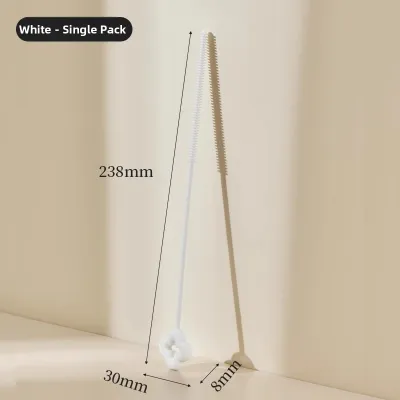
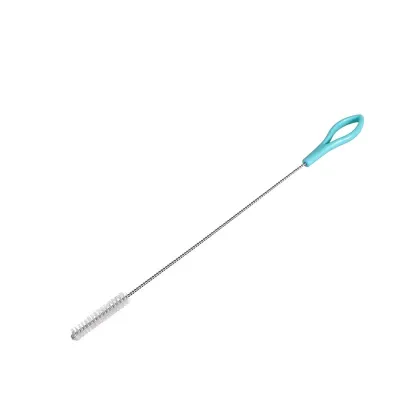
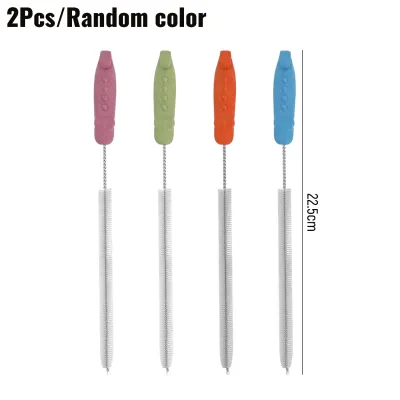

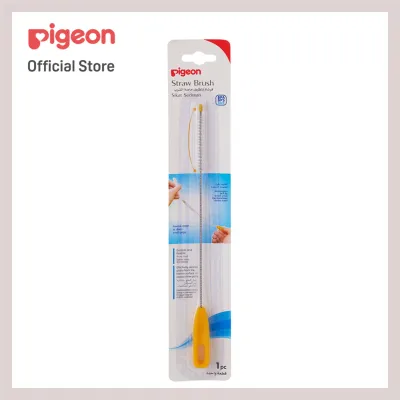
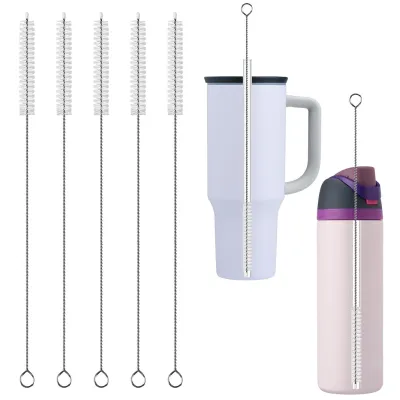
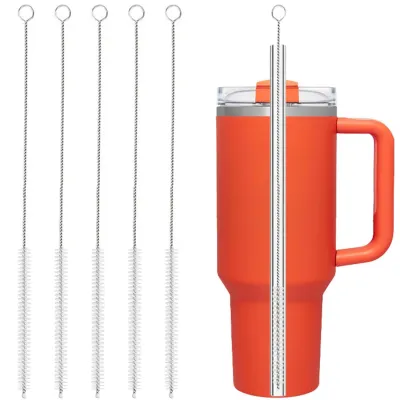

Prices are valid at publication and may change. Please refer to the product page for the latest price.

To determine which brush will work, you can physically measure your bottle’s straw if the official specifications are not readily available. Use a small ruler to measure the inner diameter of the straw opening, taking care not to stretch the material. Next, measure the total length of the straw from the mouthpiece to the very end. Your chosen brush should have a usable bristle length that exceeds this measurement by at least two to three centimeters to ensure you can clean the entire passage in a single pass.
Beyond basic length and width, many modern baby bottles feature proprietary straw designs that complicate cleaning. Some brands incorporate weighted balls at the bottom of the straw to allow multi-angle drinking, while others feature built-in bends or complex anti-colic valves. These specialized components restrict how easily a straight, rigid brush can maneuver. Cleaning these systems safely requires a highly flexible brush shaft that can bend around corners without puncturing the silicone or dislodging the weighted components.
Key Comparison Dimensions for Long Straw Brushes
When comparing long straw brushes on an online marketplace or at a local baby specialty store, several critical design features dictate their performance and compatibility. Evaluating these dimensions systematically helps you avoid purchasing tools that are either too aggressive or completely ineffective.
Bristle Material The choice between nylon and silicone bristles involves a direct trade-off between scrubbing power and material protection. Nylon bristles are highly effective at scraping away dried milk residue and formula fats from narrow tubes, but their stiff tips can create micro-scratches on soft silicone straws over time. Conversely, silicone brushes are exceptionally gentle and highly hygienic, but their thicker, rounded bristles may struggle to fit inside very narrow straws or remove stubborn, dried-on film.
Brush Head Diameter and Flexibility A straw brush must be able to compress easily as it enters the straw and then expand to exert gentle outward pressure against the inner walls. If the brush head diameter is too large, the friction can cause the wire core to bend or buckle, potentially puncturing the straw. If the diameter is too small, the bristles will not make contact with the sides, leaving a layer of residue behind. Look for brushes that specify their outer diameter or are labeled as ultra-thin for narrow-vent systems.
Handle Length and Ergonomics The handle of a long straw brush must be long enough to navigate the entire length of the straw comfortably. A handle that is too short forces you to push your fingers into the straw opening, which can introduce bacteria or stretch the silicone. Ergonomic handles with textured grips or finger loops provide better control, preventing the brush from slipping when your hands are wet and soapy during washing.
Design Features Many high-quality straw brushes include secondary features that improve usability and hygiene. Some models offer a dual-ended design, featuring a standard straw brush on one end and a tiny, tapered tip brush on the other for cleaning delicate mouthpieces. Flexible wire necks are excellent for navigating curved straws, while integrated hanging loops are essential for vertical air-drying, which is particularly important in humid climates to prevent mold growth.
How to Match the Right Brush to Your Bottle Brand
To pair the correct brush type with your specific baby bottle, you must match the physical characteristics of the straw to the mechanical properties of the brush. This structured decision framework helps ensure a thorough clean without damaging your feeding equipment.
Choose a firm nylon brush if: Your baby bottle brand utilizes very narrow, straight straws or intricate anti-colic vent tubes. These narrow pathways are highly prone to accumulating stubborn milk residue that requires the direct, mechanical scrubbing action of fine nylon bristles. Ensure the wire core of the nylon brush is coated or capped at the tip to prevent the sharp metal edge from scratching or puncturing the straw material.
Choose a soft silicone brush if: The bottle straws are relatively wide, made of highly pliable silicone, or feature delicate internal valves. Silicone brushes are ideal for daily maintenance of wider straws where milk does not easily dry out. Because silicone is non-porous, these brushes are also less likely to harbor bacteria, making them a highly hygienic choice for families who prioritize easy sanitization.
Choose a flexible or dual-ended brush if: Your bottle system features a weighted straw ball, a curved straw design, or a separate narrow vent tube. A rigid brush handle will not navigate these curves and can easily tear the connection point near the weight. A highly flexible stainless steel or plastic wire shaft allows the brush to follow the contours of the straw smoothly, ensuring every curve is reached.
Verify first if: The bottle manufacturer explicitly warns against certain cleaning tools or bristle types in their user manual. Some brands require you to use only their proprietary cleaning brushes to maintain the product warranty or to prevent premature wear of their anti-colic valves. Always prioritize the manufacturer’s official guidelines to ensure the safety and longevity of the feeding system.
Cleaning, Maintenance, and When to Replace Your Straw Brush
A straw brush is a high-use cleaning tool that requires regular maintenance to remain hygienic. Because these brushes are constantly exposed to moisture and organic milk residue, improper care can quickly turn them into breeding grounds for bacteria.
After every use, rinse the straw brush thoroughly under warm running water, running your fingers through the bristles to dislodge any trapped milk particles. Shake off excess water and hang the brush vertically in a well-ventilated area to dry completely. In warm, humid environments like Singapore, leaving a wet brush lying flat on a countertop or inside a closed drying rack can encourage mold growth. If permitted by the manufacturer, sanitize the brush periodically using a steam sterilizer or by dipping it in boiling water for the recommended duration.
Regularly inspect your straw brush for physical signs of wear and tear. For nylon brushes, look for bent, frayed, or missing bristles, as well as any exposed metal wire at the tip that could scratch your baby’s straws. For silicone brushes, check for splits, tears, or missing silicone nubs. If you observe any structural degradation, rust on the wire core, or persistent discoloration that cannot be washed away, discard the brush immediately. As a general hygiene standard, plan to replace your straw brush every two to three months, or sooner if any signs of damage or mold appear.
Frequently Asked Questions (FAQ)
Can I use a regular bottle brush to clean the straw?
No, regular bottle brushes are not suitable for cleaning baby bottle straws. Standard bottle brushes are far too wide and rigid to enter the narrow opening of a straw, and attempting to force one inside can easily tear the delicate silicone or damage internal anti-colic valves. Furthermore, standard brushes cannot reach the deep interior walls of the straw, leaving behind hidden milk residue that can harbor harmful bacteria. Always use a dedicated, long straw brush designed specifically for narrow tubes.
Are silicone straw brushes better than nylon ones for baby bottles?
Neither material is universally superior, as the best choice depends on your specific bottle design and cleaning habits. Silicone straw brushes are highly durable, resistant to mold, and gentle on delicate surfaces, making them excellent for preventing micro-scratches on wider straws. However, nylon brushes offer superior mechanical scrubbing power and a much thinner profile, making them indispensable for clearing stubborn, dried-on milk residue from very narrow straws and vent tubes.

Community discussion
Share your experience or ask a question. Comments are reviewed before publication.