
Selecting the ideal diaper for your baby is rarely a matter of finding a single, universally superior brand. Instead, the optimal choice depends heavily on your baby’s specific physical proportions, skin sensitivity, and daily activity levels. No individual brand dominates every performance metric; rather, manufacturers design their products to excel in distinct areas. For instance, some diaper designs prioritize high-capacity, multi-channel absorbent cores that are ideal for overnight wear, while others focus on ultra-thin, highly microporous back sheets that maximize airflow and daytime comfort.
Evaluating these products requires looking beyond brand names and promotional claims. By understanding how diaper construction influences absorbency, breathability, and fit, you can interpret packaging specifications and identify clear, physical indicators of performance. This approach allows you to match a diaper’s structural strengths directly to your baby’s unique daily needs and sleeping patterns.
Defining the Core Metrics: What Actually Matters in Daily Use
To make an informed comparison, you must look past marketing terminology and understand the mechanical principles of disposable diaper construction. The three foundational pillars of diaper performance are absorbency, breathability, and fit. Each of these elements plays a distinct role in keeping your baby dry, comfortable, and free from skin irritation.
Products mentioned in this guide




![[LIMITED EDITION] Merries GIANT PANTS L54 x 3 packs](https://img.lazcdn.com/g/ff/kf/S00c74cba66d14c6abc99259f5df06b7fQ.jpg_400x400q80.jpg_.webp)
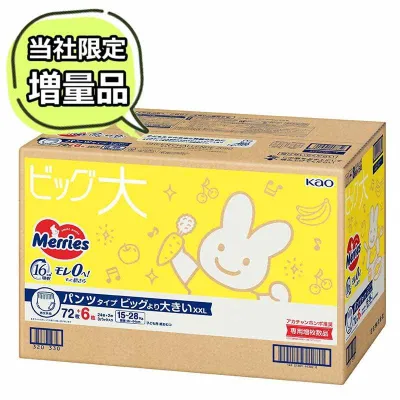
Prices are valid at publication and may change. Please refer to the product page for the latest price.
Absorbency is the most critical functional requirement of any diaper, but it is not a single, simple metric. It consists of two distinct phases: total liquid capacity and absorption speed. Total capacity refers to the maximum volume of fluid the diaper can hold before reaching physical saturation. Absorption speed, or acquisition rate, is how quickly the inner lining pulls moisture away from the baby’s skin. A diaper with a high total capacity but slow absorption speed will leave wetness pooling on the surface, increasing the risk of skin breakdown.
Breathability refers to the diaper’s ability to facilitate moisture vapor transmission. In warm, humid environments, trapped heat and humidity inside a diaper quickly raise skin temperature and moisture levels. This combination weakens the skin’s natural barrier, making it highly susceptible to diaper dermatitis (diaper rash). A breathable diaper allows warm, damp air to escape through the outer cover while keeping liquid securely contained inside.
Fit is the structural relationship between the diaper’s dimensions and your baby’s body shape. Proper fit is not determined solely by the weight range printed on the packaging. It relies on the interaction of waistband elasticity, leg cuff tension, and overall contouring. A diaper with excellent absorbency will still leak if the leg cuffs do not seal against the thighs, or if the waistband gaps when the baby sits or crawls. Conversely, an overly tight fit can cause painful friction marks and restrict natural movement.
Evaluating Absorbency: Capacity, Speed, and Surface Dryness
When comparing the absorbency of different diaper brands, you can identify key performance indicators by examining the structural design of the inner core. Modern disposable diapers rely on Super Absorbent Polymers (SAP) mixed with wood pulp or arranged in composite, fluff-free sheets. SAP consists of cross-linked polyacrylate polymers that can absorb and lock away many times their weight in liquid, turning fluid into a stable gel that does not leak out under pressure.

To evaluate absorbency before purchase, look for specific core technologies described on the product packaging:
- Multi-Channel Cores: These designs feature longitudinal channels that distribute liquid evenly along the length of the diaper. This prevents fluid from pooling in a single spot, reducing sagging and keeping the core structurally stable.
- 3D Embossed Inner Sheets: A textured, dimpled, or honeycomb-patterned inner lining minimizes direct skin contact with the wet diaper surface. These raised patterns create pockets that quickly channel liquid downward into the absorbent core.
- Acquisition Distribution Layers (ADL): This is a specialized sub-layer positioned directly beneath the top sheet. It acts as a temporary reservoir, quickly drawing in sudden surges of liquid and distributing it across the entire SAP core for efficient absorption.
For diapers you already have at home, you can perform a simple “press test” to evaluate surface dryness and moisture lock-in. Wait until your baby has worn the diaper for a few hours and it is moderately wet. During a change, take a dry, clean paper tissue and press it gently but firmly against the center of the inner lining for three seconds. Remove the tissue and inspect it. If the tissue remains completely dry, the diaper’s core is successfully locking moisture away. If the tissue is damp or wet, the diaper is allowing liquid to escape back to the surface under pressure, which can irritate your baby’s skin.
Inadequate absorbency manifests through clear warning signs. If you notice the diaper sagging heavily between your baby’s legs, or if the core feels like a clumpy, shifting gel rather than a firm, uniform sheet, the diaper’s internal structure is failing to distribute liquid properly. Frequent morning leaks, or finding your baby’s skin damp and cool during routine changes, are strong indicators that the absorption speed or total capacity is insufficient for their current urine output.
Evaluating Breathability: Material Structure and Skin Comfort
To assess breathability, you must examine the materials used in the diaper’s outer layer, often referred to as the back sheet. Traditional, budget-friendly diapers sometimes utilize solid plastic films that act as absolute barriers to both liquid and air. While highly effective at preventing leaks, these materials trap heat and humidity, creating a sauna-like microclimate against your baby’s skin.
High-performance, breathable diapers feature back sheets made from non-woven fabric laminated to a specialized microporous film. This film contains millions of microscopic pores that are engineered to be highly selective. These pores are large enough to allow individual water vapor and gas molecules to pass through freely, yet they are far too small to allow liquid water droplets to escape. This allows sweat and humidity to evaporate away from the skin while keeping urine securely locked inside.
You can perform a practical check for heat and moisture buildup after your baby has worn a diaper for an hour or two. Gently place your hand on the outside of the diaper. If the exterior feels slightly warm and damp to the touch, it indicates that the microporous film is functioning correctly, actively venting heat and moisture vapor away from the baby’s body. However, if the outside of the diaper is completely cool and dry, but you find your baby’s skin sweaty, red, or clammy when you open the diaper, the material is trapping heat and humidity inside.
Your prioritization of breathability should depend on your baby’s daily environment and skin sensitivity. In hot, humid climates, or during active daytime play, prioritizing ultra-thin, highly breathable designs is essential to prevent heat rash and chafing. Active babies who sweat frequently will benefit from lightweight, highly ventilated materials. However, for long overnight sleep stretches, you may need to accept a slightly thicker, less breathable diaper to ensure the high absorbency capacity required to prevent leaks until morning.
Evaluating Fit: Sizing, Elasticity, and Leak Prevention
Achieving a secure fit requires comparing how different diaper brands design their fastening systems, waistbands, and leg barriers. Babies vary widely in body shape; some have round bellies and slender legs, while others have narrow waists and chunky thighs. A diaper brand that fits one body type perfectly may leak consistently on another.
When evaluating fit, pay close attention to these structural elements:
- Waistband Stretch: Inspect the back and sides of the diaper. High-quality designs incorporate wide, highly elastic waistbands or stretchy side tabs that expand and contract as your baby's stomach expands after feeding or flattens while lying down.
- Leg Gussets: Look for double-layered, hydrophobic leg cuffs. The inner cuff should stand upright against the baby's skin to act as a primary barrier against liquid and solid waste, while the outer cuff provides a secondary seal around the thigh.
- Fastening Tape Flexibility: The adhesive or hook-and-loop tabs should be soft and flexible, allowing you to secure them at varying angles to accommodate different waist-to-hip ratios without digging into the baby's skin.
You can diagnose fit issues by observing physical signs on your baby’s body and analyzing the nature of any leaks. If you notice red, indented marks around your baby’s waist or thighs when removing the diaper, the elastic is either too tight, or the diaper size is too small. These marks indicate restricted circulation and friction, which can lead to skin chafing.
Conversely, side leaks and sudden “blowouts” up the back are often caused by fit failures rather than poor absorbency. A gap between the diaper and the small of your baby’s back indicates that the waistband lacks sufficient elasticity or is positioned too low. Leaks around the thighs usually mean the leg gussets were not fully flared outward during application, or the leg openings are too loose for your baby’s thighs.
To make proper sizing adjustments, treat the weight ranges printed on diaper packaging as broad guidelines rather than absolute rules. Because weight distribution varies, you must adjust the size based on your baby’s physical build. If your baby is approaching the upper limit of a size range, or if you consistently experience leaks despite proper application, it is generally time to size up. Sizing up provides a larger absorbent core and taller leg gussets, which can resolve persistent leak issues. Conversely, if a diaper gaps at the thighs or waist, size down to ensure a secure, snug seal.
Decision Framework: Matching Diaper Features to Your Baby's Needs
To select the right diaper for your baby, use this structured comparison framework to match specific product characteristics to your daily circumstances and your baby’s physical profile.
Choose High-Capacity Overnight Designs if:
- Your baby regularly sleeps for long, uninterrupted stretches of eight to twelve hours.
- Your baby is a heavy wetter and frequently wakes up with damp pajamas or sheets.
- You observe frequent morning leaks, even when the diaper was applied snugly before bedtime.
- What to look for: Diapers with thick, multi-channel cores, high SAP density, and prominent acquisition distribution layers. These designs prioritize maximum liquid retention and surface dryness over ultra-thin profiles.
Choose Ultra-Thin Breathable Designs if:
- Your baby has highly sensitive skin or a history of frequent diaper rash.
- You live in a warm, humid climate, or your home lacks continuous temperature control.
- Your baby is highly active during the day, crawling, walking, or playing intensely.
- What to look for: Diapers featuring fully non-woven back sheets, certified microporous outer films, and lightweight, low-bulk profiles. These designs focus on rapid air exchange and heat dissipation to maintain a healthy skin microclimate.
Choose Contoured Flexible Designs if:
- Your baby has unique physical proportions, such as exceptionally chunky thighs or a very round belly.
- Your baby is in a transitional physical stage, such as learning to roll, crawl, or stand, where movement is frequent and varied.
- You notice red friction marks on your baby's skin from stiff diaper edges or rigid side tabs.
- What to look for: Diapers with wide, gathered, highly elastic waistbands, double-layered elastic leg gussets, and soft, flexible fastening tapes that stretch easily with movement.
Verify First if:
- Your baby has pre-existing skin conditions, severe allergies, or persistent, raw rashes that do not improve with frequent changes.
- Action: Always consult a pediatrician or pediatric dermatologist before making frequent brand switches or relying solely on diaper changes to resolve skin issues. Rashes can stem from fungal infections, dietary sensitivities, or contact allergies to specific materials, which require targeted medical treatment rather than a change in diaper brand. Always check the manufacturer's packaging for material safety disclosures and dermatological testing certifications.
Frequently Asked Questions (FAQ)
How often should I change a highly absorbent diaper?
Even if a diaper features high-capacity absorbency and excellent surface dryness, you should change it every two to three hours during the day, or immediately after your baby has a bowel movement. High absorbency does not prevent the bacterial breakdown of urine into ammonia, which raises the pH level inside the diaper and rapidly irritates the skin. Leaving a wet diaper on for extended periods, regardless of how dry the surface feels, increases the risk of skin breakdown and bacterial growth. Overnight diapers are designed for longer wear, but they should still be changed immediately upon your baby waking in the morning.
Can I mix different diaper brands for day and night use?
Mixing different diaper brands and designs is a highly effective, practical strategy that allows you to balance cost, comfort, and performance. You can use lightweight, ultra-breathable, and budget-friendly diapers during the day when changes are frequent and your baby is active. For overnight sleep, you can switch to a premium, high-capacity, thicker diaper designed specifically to handle heavy fluid volumes over twelve hours. This approach optimizes your baby’s daytime mobility and skin health while ensuring reliable leak protection and uninterrupted sleep throughout the night.

Community discussion
Share your experience or ask a question. Comments are reviewed before publication.