
Finding the right newborn diaper in Singapore is a highly individual process, as the “best” option depends entirely on your baby’s unique body shape, skin sensitivity, and your specific parenting priorities. While one family might prioritize a deep umbilical cord cutout to protect a healing belly button stump, another might focus on maximum breathability to cope with Singapore’s warm, humid climate. Huggies, Pampers, and Merries are three of the most widely available and trusted brands in local stores, yet they feature distinct design philosophies, cuts, and material textures. Because newborns grow rapidly and have highly variable proportions, evaluating these observable design features directly on your baby is far more reliable than relying on general brand reputation or online recommendations.
Key Criteria for Evaluating Newborn Diapers
Before comparing specific brands, parents should understand the key design elements that dictate how well a newborn diaper performs. The first critical feature is the umbilical cord cutout or notch, which keeps the diaper material from rubbing against the healing umbilical stump, reducing friction and exposure to moisture. Another essential tool is the wetness indicator—typically a color-changing line on the outside of the diaper—which allows caregivers to check for wetness at a glance without unfastening the tabs and disrupting a sleeping infant.
Material breathability is equally vital, especially in tropical climates where trapped heat and moisture can quickly lead to skin irritation. Parents can physically inspect the inner lining of a diaper, feeling for a soft, textured surface that lifts moisture away from the skin rather than a flat, plastic-like sheet. Finally, look closely at the leg cuff elasticity and waistband stretch. High-quality leg gathers should fit snugly in the leg creases to prevent liquid blowouts, yet remain flexible enough to stretch comfortably without leaving deep red indentations on your baby’s delicate skin.
Products mentioned in this guide
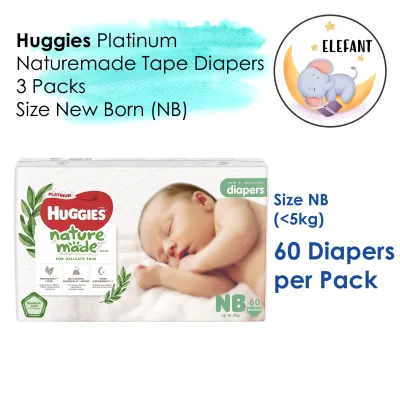
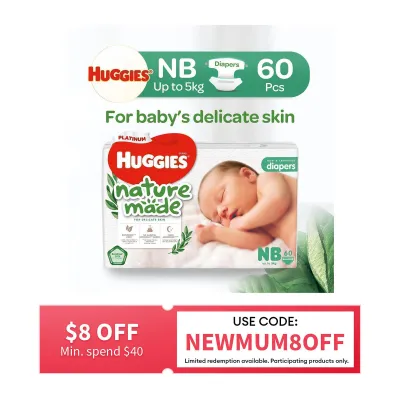
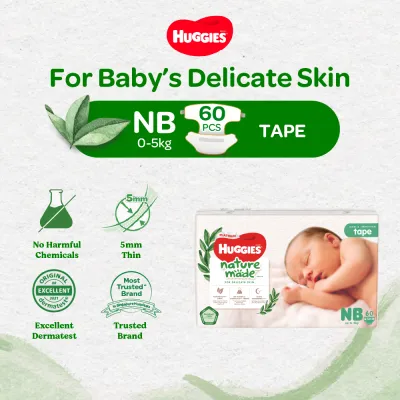
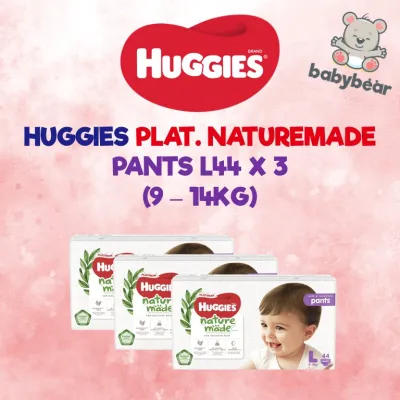
![[1 Carton] Huggies Platinum Naturemade Tape New Born 60 Pcs x 3 Packs (~5KG)](https://img.lazcdn.com/g/p/561025dc794146b2800938516395a0b0.jpg_400x400q80.jpg_.webp)
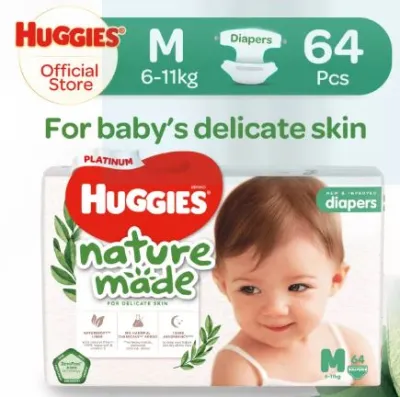
![[CHEAPEST AND 24 HOUR SHIP OUT!!] Huggies Nature made Drypers Tape Pants Diapers Justborn Newborn S M L XL (24/60/70/64/54/44))(0-3.5kg to 17kg) JB NB S M L XL](https://img.lazcdn.com/g/p/f0aabae93ef69646c7e12f6b3e7796ed.jpg_400x400q80.jpg_.webp)
Prices are valid at publication and may change. Please refer to the product page for the latest price.
Evaluating Huggies Newborn Diapers
Huggies newborn diapers are widely recognized for their structured, secure fit profile, which often suits babies with a more contoured or compact build. When placing a Huggies diaper on your newborn, observe how the leg cuffs sit; the brand typically features robust, double-layered leg gathers designed to form a secure barrier around the thighs. The waistband is another key structural element, often incorporating a pocketed elastic design at the back to help catch and contain runny newborn stools before they can escape upward.

For umbilical cord care, parents should examine the front waistband of the Huggies newborn size to locate the contoured cutout. This design is intended to sit comfortably below the navel, though you should verify its alignment based on where the diaper naturally fastens on your baby’s torso. The inner lining of Huggies diapers often features a textured, pocketed surface designed to absorb liquid mess quickly. When changing your baby, observe the wetness indicator line, which runs down the center of the outer shell, and note how the absorbency distribution zones handle wetness—checking whether the moisture spreads evenly or concentrates in a single spot.
Evaluating Pampers Newborn Diapers
Pampers newborn diapers generally offer a highly flexible, stretchy fit profile that adapts well to babies who are long, lean, or highly active. The side tabs and waistband on Pampers variants typically provide significant lateral stretch, allowing caregivers to achieve a customized, snug fit around the tummy without overtightening. When fastening the diaper, observe how the material contours around your baby’s thighs and hips, noting if the high stretchability helps eliminate gaps when the baby moves.
Regarding umbilical protection, Pampers diapers often feature a soft, flexible front border that can be folded down easily if your baby’s torso length requires extra clearance for the healing stump. The inner lining of Pampers is designed to feel smooth and lightweight, utilizing a specialized distribution layer to draw moisture away from the skin. After a few hours of wear, you can verify the dryness of the inner lining during a diaper change by gently touching the surface to see how effectively it locks away liquid. Additionally, the wetness indicator is highly visible even under low nursery lighting, helping you decide if a change is necessary without fully waking your baby.
Evaluating Merries Newborn Diapers
Merries newborn diapers, originating from Japan, are highly regarded for their exceptionally soft material texture and focus on airflow, making them a popular choice for Singapore’s humid environment. The overall cut of a Merries diaper tends to be slightly wider and more generous than some Western counterparts, which can be highly beneficial for babies with rounder tummies or chubbier thighs. The waistband and leg gathers are designed to feel exceptionally plush, prioritizing gentle contact over high-tension grip.
The inner surface of a Merries diaper features a distinct, dimpled or wavy texture. This design creates tiny air channels between the diaper and the baby’s skin, allowing air to circulate freely while trapping liquid stools in the recesses. When evaluating this diaper, observe how dry your baby’s skin feels immediately after removal, as the dimpled surface is engineered to minimize direct skin contact with wetness. The wetness indicator consists of clean, parallel lines that change color clearly, and the overall absorbency capacity is designed to handle typical newborn output volumes comfortably without feeling stiff or bulky when full.
Decision Framework: Which Brand Fits Your Baby Best?
Choosing the right diaper involves matching these distinct brand characteristics to your baby’s physical shape and your daily routine. If your primary concern is preventing back blowouts and you prefer a highly structured, snug fit with a pocketed waistband, Huggies is an excellent starting point. If your baby is long and lean, or if you prefer highly elastic side tabs that allow for a very flexible, customized wrap around the waist, Pampers may provide the ideal contour. For parents who prioritize maximum breathability, a plush, pillowy texture, and a slightly wider cut to accommodate rounder thighs, Merries is a compelling option.
Before committing to a single brand, always verify if your baby has highly sensitive skin by checking the packaging for specific material lists, fragrance-free labels, and dermatological testing certifications. Because every baby’s skin chemistry and body shape are unique, keeping a simple comparison checklist can help you track which brand performs best in real-world conditions.
| Evaluation Feature | Huggies Newborn | Pampers Newborn | Merries Newborn |
|---|---|---|---|
| Fit Profile | Snug, structured, pocketed waistband | Highly stretchy, flexible side tabs | Generous, wider cut, plush gathers |
| Inner Lining Texture | Textured, pocketed surface | Smooth, lightweight distribution layer | Dimpled, wavy air-channel surface |
| Umbilical Protection | Contoured front cutout | Foldable, flexible front border | Soft, low-tension front waistband |
| Wetness Indicator | Single central color-changing line | Highly visible color-changing line | Multiple parallel color-changing lines |
Purchasing Strategy and Verification Before Stocking Up
It is highly recommended to avoid buying newborn diapers in bulk before your baby arrives. Instead, purchase small trial packs or single packs from local supermarkets, pharmacies, or official brand stores on e-commerce platforms. This approach allows you to test how each brand fits your baby’s actual shape and skin sensitivity without wasting money on unused diapers. When comparing options, calculate the cost per diaper by dividing the total pack price in S$ by the number of diapers inside, ensuring you are comparing value accurately across different pack sizes and promotional offers.
Always check the manufacturing date and batch number printed on the diaper packaging to ensure you are purchasing fresh stock. Diapers do not have a strict expiration date, but storing them in a cool, dry place away from Singapore’s high humidity is essential to prevent the wetness indicators from prematurely changing color. Finally, remember that newborns outgrow the newborn size very quickly—often within the first few weeks—so keep your inventory minimal and prepare to transition to Size 1 as soon as you notice signs of a tight fit.
Frequently Asked Questions (FAQ)
How do I know if a newborn diaper is too small or too big?
You can identify a poor fit by observing physical signs on your baby’s body during and after wear. If you notice deep red marks or indentations around your baby’s thighs or waist, the diaper is too tight, or that specific brand’s cut runs small for your baby’s build. Conversely, frequent leaks from the leg cuffs or the back of the waist usually indicate that the diaper is too loose, lacks adequate stretch, or is too large. Additionally, if the front waistband or umbilical cutout sits too high above the navel or sags too low, it can expose the healing umbilical stump to friction or moisture, signaling that a size adjustment is needed.
Can I mix and match different diaper brands for day and night use?
Yes, mixing and matching diaper brands is a practical strategy that many parents use to balance comfort and budget. Because newborns require frequent feeding and diaper changes around the clock, distinct day and night diapering is less critical in the first few weeks than it is for older infants. However, if your baby begins to sleep for longer stretches, you might choose to use a highly breathable, lighter brand during the day to cope with daytime heat, and a brand with a higher-capacity absorbency core for nighttime comfort. Whenever you introduce a new brand into your routine, monitor your baby’s skin closely for a few days to ensure there are no adverse reactions or sensitivities to the new materials.

Community discussion
Share your experience or ask a question. Comments are reviewed before publication.