
Selecting the right premium diaper for your baby in Singapore’s warm, humid climate requires balancing skin health, comfort, and household budget. With numerous brands claiming “natural” or “organic” benefits, parents often find themselves comparing Huggies NatureMade Pants against other premium alternatives on the market. Making an informed choice involves looking past front-label marketing to evaluate physical design, material composition, and actual cost-per-piece.
Because every baby has a unique body shape and skin sensitivity, there is no single diaper that works perfectly for every household. Understanding how to assess these products based on observable features and structured testing will help you find the most suitable option for your child’s daily needs and your family’s budget.
Understanding "Natural" and Premium Diaper Claims
When browsing the diaper aisle in Singapore, the term “natural” is frequently used, but its definition can vary significantly between manufacturers. Generally, in the diaper industry, “natural” claims refer to the inclusion of plant-based materials in the inner or outer lining, the absence of added fragrances and heavy lotions, and dermatological testing. To understand what you are actually purchasing, turn the package over and inspect the detailed material list rather than relying solely on the prominent front-panel illustrations.
Products mentioned in this guide
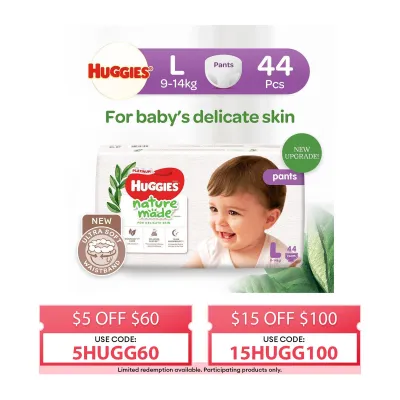
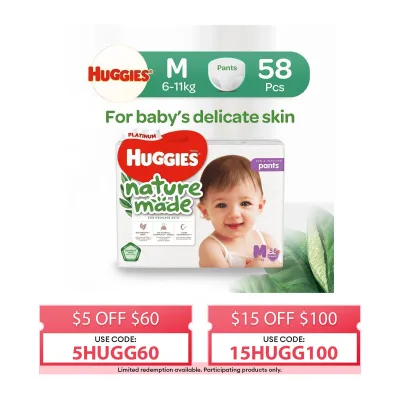
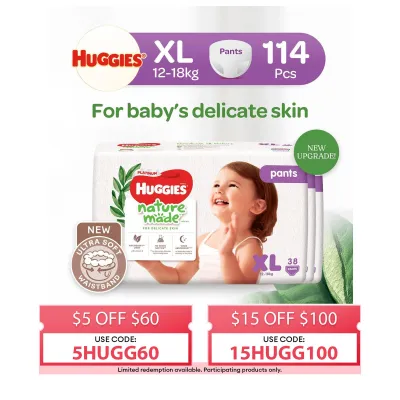
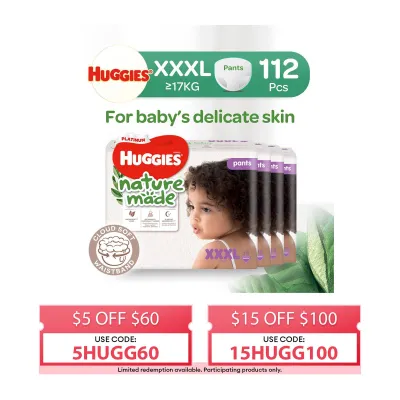
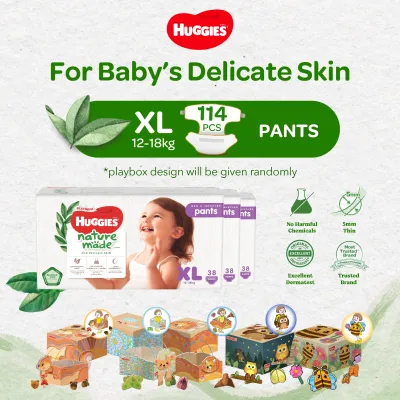
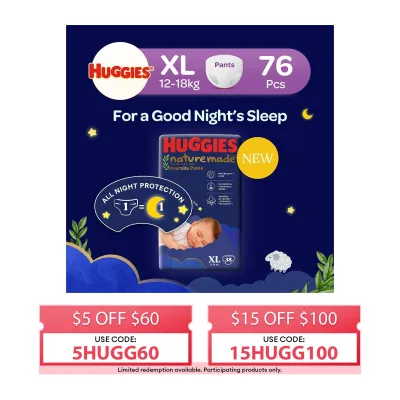
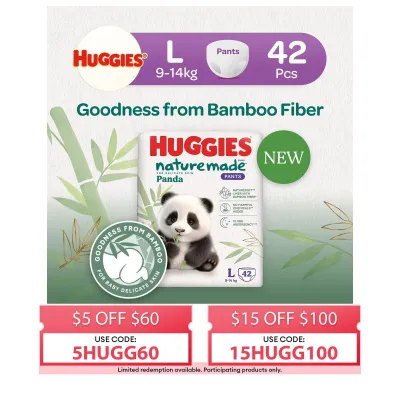
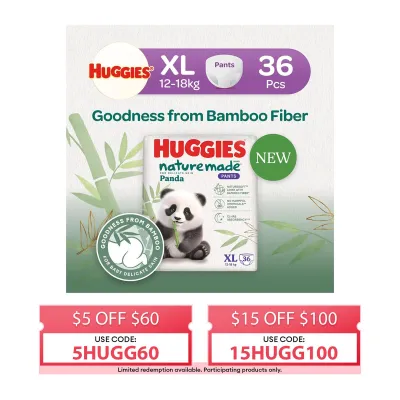
Prices are valid at publication and may change. Please refer to the product page for the latest price.
Many premium diapers incorporate elements like cotton, bamboo-derived fibers, or sustainably sourced wood pulp in their absorbent cores. While these materials are selected to be gentle on delicate skin, parents should note that “natural” or “organic” labels do not automatically guarantee a hypoallergenic outcome. Every baby’s skin chemistry is different, and mild irritation can still occur if moisture is trapped against the skin for too long, regardless of the diaper’s material origin. Monitoring your baby’s skin during the first few days of transitioning to a new brand is the most reliable way to assess compatibility.
Furthermore, environmental and safety certifications are dynamic and can change based on manufacturing batches or regional sourcing. If you are looking for specific standards, such as chlorine-free processing or certified sustainable forestry, look for verified third-party logos printed directly on the packaging. Verifying these symbols ensures that the product meets recognized international standards rather than general marketing claims.
Core Dimensions for Comparing Huggies NatureMade Pants and Competitors
To make a practical comparison between Huggies NatureMade Pants and other premium natural diapers, you should focus on three observable dimensions: absorbency, material texture, and physical fit.

Absorbency and Leak Protection
A diaper’s primary job is to keep moisture away from your baby’s skin, which is especially critical in Singapore’s high humidity where trapped wetness can quickly lead to discomfort. When comparing brands, examine the design of the absorbent core and the presence of wetness indicators. Some premium diapers use specialized channel designs to distribute liquid evenly, while others rely on a centralized absorbent pad.
To evaluate absorbency without relying on manufacturer claims, conduct a simple home observation. Note how the diaper performs during daytime use versus overnight sleep. An effective overnight diaper should keep the baby’s skin dry to the touch even when the diaper is saturated. Additionally, check the height and elasticity of the double leak guards around the thighs, as these physical barriers are your primary defense against blowout accidents.
Material Softness and Skin Comfort
The tactile feel of a diaper pant is highly subjective, making a physical hands-on comparison valuable. When holding a Huggies NatureMade pant alongside a competitor, feel the inner lining that directly touches the baby’s skin. Plant-based fibers can sometimes feel slightly different from standard synthetic polyester blends; some parents find them softer, while others notice a more textured feel.
Do not limit your touch test to the inner lining. Pay close attention to the waistband and the leg cuffs. In Singapore’s warm climate, a stiff or heavily glued waistband can cause friction and sweat accumulation, leading to localized redness. A high-quality natural diaper should feature a highly elastic, breathable waistband that stretches easily without losing its shape or leaving deep indentations on the baby’s skin.
Fit and Mobility
Diaper pants are designed for active babies who are crawling, cruising, or walking, meaning the cut of the diaper significantly impacts mobility. Different brands utilize different sizing philosophies. Some premium natural diapers feature a high-waist cut that provides extra coverage up the back, which is highly useful for preventing leaks when the baby is sitting or crawling. Others opt for a lower-rise, trimmer fit that sits snugly below the belly button.
Observe how the leg cuffs sit around your baby’s thighs. If your baby has chunkier thighs, a diaper with tight, restrictive leg elastics may cause discomfort and red marks, even if the baby’s weight falls within the recommended range on the packaging. Conversely, if your baby has a slender build, a loose cuff design can lead to gaps and subsequent leaks. Matching the diaper’s physical cut to your baby’s specific body shape is often more important than the weight guidelines printed on the box.
Calculating Real Value and Cost per Diaper
Premium natural diapers generally carry a higher price tag than standard utility diapers, making it essential to calculate their true financial impact on your household budget. Comparing pack prices directly can be misleading because pack counts vary widely between brands, sizes, and diaper styles (tape versus pants).
To find the true cost, always calculate the cost per individual diaper using a simple formula:
Cost per Diaper = Total Pack Price (S$) / Number of Diapers in the Pack
For example, if a pack of size Large pants costs S$26.00 and contains 44 pieces, the cost per diaper is approximately S$0.59. If a competing natural brand costs S$29.00 for a pack of 50 pieces, the cost per diaper is S$0.58. Over a month of multiple daily changes, these minor differences in cents can add up to significant household savings.
To optimize your spending on premium diapers in Singapore, consider the following purchasing strategies:
- Bulk Buying: Purchasing diapers by the carton rather than individual packs often yields a lower cost per piece, especially during promotional events on local e-commerce platforms.
- Subscription Models: Some online retailers and baby specialty stores offer recurring subscription discounts, which can lower the ongoing cost of premium brands.
- Supermarket Promotions: Keep an eye on local supermarket mailers and loyalty program discounts, which frequently feature bundle deals on premium diaper lines.
Finally, remember to factor in the hidden “cost of leaks.” If a slightly cheaper natural diaper frequently leaks, resulting in extra loads of laundry, ruined clothing, and interrupted sleep, the nominal savings per piece may be quickly offset by the added utility costs and parental stress. A diaper that performs reliably often provides better overall value, even at a slightly higher initial price point.
Decision Framework: Choosing the Right Natural Diaper
To help streamline your decision, use this structured framework to match your baby’s needs and your household priorities to the right diaper characteristics.
Choose Huggies NatureMade Pants if:
- Your baby's skin responds exceptionally well to the specific plant-based inner lining used in this line during a trial run.
- You prefer a diaper with a highly flexible, soft waistband that accommodates your baby's waist shape without leaving red marks.
- You find consistent promotional bundles or bulk-buying discounts for this specific product on your preferred Singaporean retail platforms, bringing the cost per piece into your target budget range.
Choose Competing Natural Brands if:
- Your baby has very chunky or very slender thighs that require a different leg cuff elasticity or a different physical cut to prevent gaps and leaks.
- You require a different core design or higher absorption capacity for heavy-wetting babies during long overnight stretches.
- You find alternative premium natural brands offered at a significantly lower cost per piece through subscription services or local warehouse sales.
Verify First if:
- Your baby has a history of severe skin conditions, eczema, or unexplained diaper rashes. In these cases, always consult a qualified pediatrician before switching to any new diaper brand, regardless of its "natural" or "sensitive skin" marketing claims.
- You are transitioning between sizes. Always check the physical weight of your baby against the manufacturer's size chart on the packaging, keeping in mind that diaper pants generally fit more snugly than tape diapers of the same size category.
Frequently Asked Questions (FAQ)
Do natural diapers prevent diaper rash completely?
No diaper, including those labeled as natural, organic, or premium, can guarantee the complete prevention of diaper rash. Diaper rash is primarily caused by prolonged exposure to wetness, friction, and the natural pH changes that occur when urine and stool mix. While natural diapers often use breathable materials and avoid added fragrances to minimize irritation, regular changing intervals and proper hygiene remain the most effective preventative measures. If your baby experiences persistent redness or skin irritation, stop using the product and consult a pediatrician for professional guidance.
How often should I change premium natural pants compared to regular diapers?
You should change premium natural diaper pants based on observable wetness and your baby’s comfort rather than a strict time schedule. Although premium diapers often feature advanced absorbent cores designed to keep skin dry, leaving a saturated diaper on for too long increases the risk of skin irritation. Utilize the wetness indicator line on the outside of the diaper, and check the physical weight and sag of the pant periodically. Adjust your changing frequency to ensure your baby’s skin remains clean, dry, and healthy throughout the day and night.

Community discussion
Share your experience or ask a question. Comments are reviewed before publication.