
Choosing the right diaper pants for your baby is a highly personalized decision that depends on their unique body shape, skin sensitivity, and your household budget. Because diaper manufacturers frequently update their product formulations, materials, and sizing structures, there is no single universal winner among Hey Tiger, Huggies, and Pampers. Instead of relying on generalized marketing claims, parents can benefit from a structured framework to evaluate absorbency, fit, and true value based on at-home observations.
In Singapore’s warm and humid climate, finding the perfect balance between breathability, leak protection, and comfort is essential for maintaining your baby’s skin health. Diaper pants are particularly popular for active toddlers who resist lying down during changes, making the ease of pulling them on and tearing them off a major factor in daily convenience. By understanding what to look for in diaper design, absorbency, and fit, you can make an informed choice that keeps your baby dry and comfortable.
Understanding the Core Differences in Diaper Design
To begin your comparison, it is helpful to understand the fundamental structural and material differences between Hey Tiger, Huggies, and Pampers diaper pants. Modern diaper pants generally rely on Super Absorbent Polymers (SAP) to lock away moisture, but the way these polymers are distributed within the core varies. Some brands utilize structured channels to prevent the absorbent material from clumping or sagging when wet, while others focus on a more uniform, traditional core design. Checking the packaging for specific material claims, such as chlorine-free processing or natural fiber blends, can help you identify which options align with your household preferences.
Products mentioned in this guide
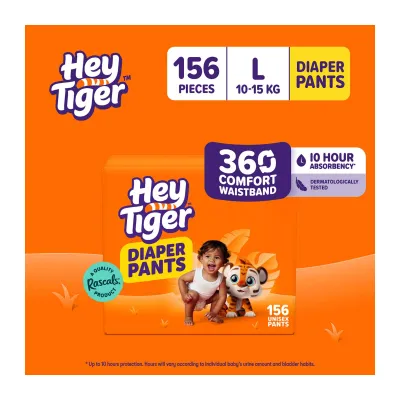
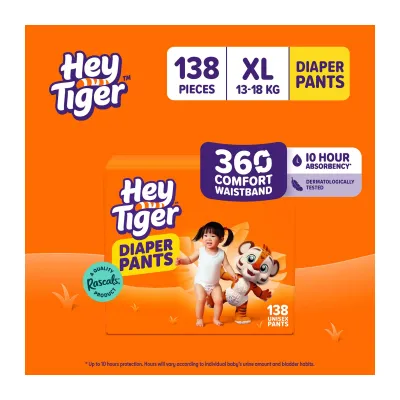
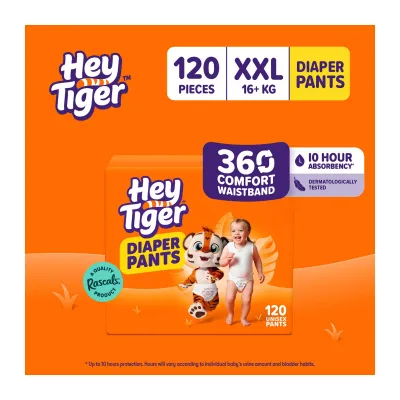
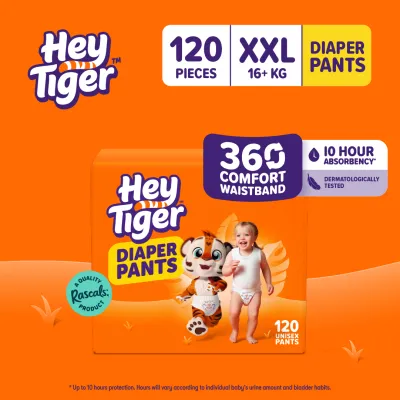
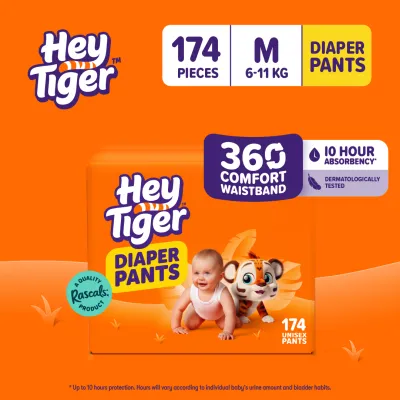
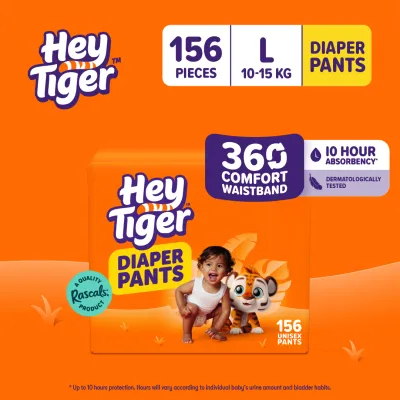
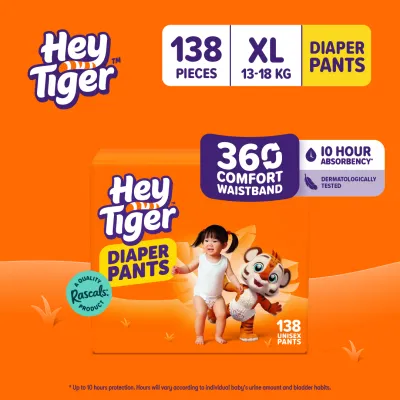
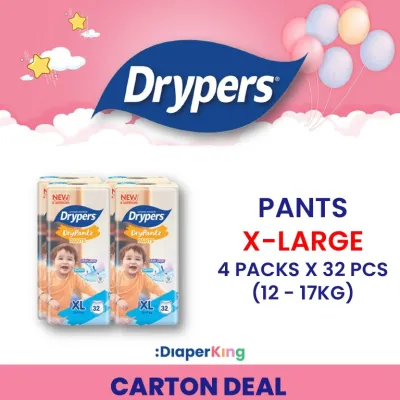
Prices are valid at publication and may change. Please refer to the product page for the latest price.
Next, observe the physical thickness, weight, and flexibility of each diaper pants option straight out of the packaging. A thicker diaper does not automatically translate to superior absorbency; advanced thin-core technologies are engineered to provide high liquid retention without the bulk. In tropical climates, a thinner and more flexible diaper pants design can enhance air circulation and allow your baby to move more freely. Feeling the texture of both the inner lining and the outer cover will give you an immediate sense of the diaper’s overall softness and flexibility.
Finally, review the manufacturer’s stated target weight ranges and sizing charts, keeping in mind that sizing philosophies differ across brands. Some manufacturers design their diaper pants with a taller, narrower cut that suits leaner babies, while others feature a wider, more generous cut around the hips and thighs. Because these dimensions vary, a size “Medium” in one brand may fit quite differently than a “Medium” in another. Understanding these baseline design differences allows you to select trial packs that are most likely to match your baby’s current developmental stage and body shape.
Evaluating Absorbency and Leak Protection
Assessing absorbency and leak protection requires looking beyond surface-level claims and conducting practical, real-world observations at home. Start by inspecting the inner lining texture of the diaper pants, which is designed to quickly draw moisture away from your baby’s skin. Many premium diaper pants feature textured top sheets with micro-pockets or 3D embossed patterns that minimize skin contact with wetness. Additionally, check for the presence of a reliable wetness indicator—a color-changing line on the outside of the diaper—which helps you monitor wetness levels without having to pull the waistband open.

The design and elasticity of the leak guards around the leg cuffs play a critical role in preventing blowouts and leaks. These double-layered barriers should stand upright when the diaper pants are pulled on, hugging your baby’s thighs snugly but gently. If the leak guards are too flat, stiff, or loose, liquid can easily escape before the absorbent core has time to channel it away. When testing a new brand, run your finger along the inside of the leg cuffs after putting the diaper pants on to ensure the guards are fully deployed and not folded inward.
To compare absorbency objectively, plan a controlled at-home test over several days. Track the average time between diaper changes and perform a quick touch-test on your baby’s skin during changes; the skin should feel completely dry to the touch. If you notice dampness on your baby’s clothing, bedding, or skin, it indicates that the diaper’s absorption speed or total capacity may not be keeping pace with your baby’s output. Keep a simple log of when and where leaks occur, noting whether they happen during active daytime play or during long stretches of sleep.
It is also important to differentiate between daytime and overnight performance when evaluating leak protection. Active daytime play requires diaper pants that remain secure and do not shift or sag as your baby crawls, walks, or climbs. Overnight use, on the other hand, demands a high-capacity core that can handle multiple rounds of wetting over ten to twelve hours while maintaining surface dryness. A diaper pants brand that performs exceptionally well during the day may not always have the overnight capacity required for a heavy wetter, making distinct testing scenarios essential.
Assessing Fit, Comfort, and Skin Sensitivity
A diaper pants option can only perform well if it fits your baby’s unique body shape comfortably without causing skin irritation. The waistband is the structural anchor of any diaper pants design, so you should carefully examine its elasticity, width, and softness. A high-quality waistband should stretch easily to accommodate your baby’s expanding tummy after meals, yet retract gently to keep the diaper secure. If you notice deep red marks, indentations, or chafing around your baby’s waist or hips, the elastic may be too tight, or the waistband material may be too abrasive.
The breathability of the materials is another crucial factor in maintaining skin health, particularly in warm environments where sweat and moisture can easily accumulate. Feel both the inner lining and the outer cover of the diaper pants; they should feel soft, cloth-like, and highly breathable to the touch. Plastic-like outer covers tend to trap heat and humidity, which increases the risk of diaper rash and discomfort. Choosing diaper pants with micro-perforated backsheets can help facilitate air exchange, keeping your baby’s skin cool and dry.
Whenever you transition your baby to a new brand of diaper pants, monitor their skin closely for any signs of sensitivity, friction, or allergic reactions. Diaper rash can be triggered by a variety of factors, including friction from a poor fit, trapped moisture, or sensitivity to specific materials and fragrances. If you observe persistent redness, bumps, or irritation after switching to Hey Tiger, Huggies, or Pampers, stop using that brand immediately. For persistent or severe skin irritation, always consult a pediatrician or qualified healthcare professional to identify the underlying cause.
To verify the physical fit of the diaper pants, perform a quick visual check after pulling them up. The waistband should sit comfortably above your baby’s hips, and the leg cuffs should wrap snugly around the thighs without any visible gaps. Ensure the diaper pants do not sag excessively when empty, as sagging can cause the leg openings to pull away from the skin, leading to leaks. If the diaper pants pull down easily with minimal effort or slide down as your baby moves, it is a clear sign that the fit is too loose and you may need to adjust the size or try a different brand’s cut.
Calculating True Value and Cost Per Diaper
Comparing the financial cost of Hey Tiger, Huggies, and Pampers requires looking beyond the initial retail price of a single pack. To calculate the true unit cost, divide the total purchase price in S$ by the exact number of diaper pants contained in the package. Because pack counts vary widely between brands, sizes, and product tiers, comparing the price per pack can lead to inaccurate conclusions about which brand is more economical. Keeping a simple spreadsheet or note on your phone can help you track these unit costs over time.
Additionally, factor in the availability of bulk purchasing options, subscription discounts, and seasonal promotions on major e-commerce platforms and online marketplaces. Many brands offer significant savings when you purchase diaper pants by the carton or sign up for recurring delivery services. However, be cautious not to overstock on a single size, as babies can grow rapidly and may outgrow a size before you can finish a large bulk order. Balancing bulk savings with your baby’s current growth rate is key to avoiding wasted inventory.
Another critical concept to consider is the “cost per successful wear.” If a lower-priced diaper pants brand requires more frequent changes due to lower absorbency, or leads to regular leaks that increase your laundry loads, the cheaper option may actually cost you more in the long run. Conversely, a slightly more expensive diaper pants brand that keeps your baby dry for longer periods can reduce the total number of diapers used per day, ultimately proving to be more cost-effective and convenient for your household.
Finally, make sure you are comparing equivalent product lines when evaluating value. Both Huggies and Pampers offer multiple product tiers, ranging from standard, budget-friendly everyday lines to premium, ultra-soft, or organic-material collections. Hey Tiger may offer a single, streamlined product line designed to balance premium features with competitive pricing. When comparing these brands, ensure you are matching Hey Tiger’s specifications against the correct corresponding tier of Huggies or Pampers to make a fair and accurate financial comparison.
Decision Framework: Which Diaper Pants to Choose?
Selecting the right diaper pants ultimately comes down to matching each brand’s specific design strengths with your baby’s physical needs and your family’s budget. Consider choosing Hey Tiger diaper pants if your at-home trials show that their modern design, specific material preferences, and structural features align best with your baby’s comfort and your target price point. Their streamlined offering is often favored by parents who appreciate a contemporary aesthetic combined with reliable everyday performance.
Opt for Huggies diaper pants if your observations indicate that their signature waistband elasticity, robust leg cuffs, and specific fit characteristics provide the most secure leak protection for your baby’s body shape. This brand is often highly suitable for very active babies who require a snug, secure fit that stays in place during vigorous crawling, walking, and playing.
Select Pampers diaper pants if your at-home tests reveal that their thin-core technology, inner lining softness, and moisture-wicking capabilities are highly effective at maintaining your baby’s skin dryness. This option is frequently preferred by parents who prioritize a lightweight, flexible diaper pants design that minimizes bulk while offering reliable liquid retention.
Regardless of which brand you lean toward, always prioritize your baby’s skin health and comfort above all else. If your baby has highly sensitive skin, a history of eczema, or specific allergies, verify the ingredient list and material specifications on the packaging before making a large purchase. Consulting a pediatrician or qualified healthcare professional can provide valuable guidance on managing skin sensitivities, ensuring that your choice of diaper pants supports your baby’s overall well-being.
Frequently Asked Questions (FAQ)
Can I mix different diaper brands for daytime and nighttime use?
Yes, mixing different diaper brands is a highly practical and cost-effective strategy used by many parents. You might choose a lighter, highly breathable, and more economical diaper pants option for active daytime wear when changes are frequent, and reserve a thicker, high-capacity diaper pants brand for uninterrupted overnight sleep. When implementing this strategy, monitor your baby’s skin closely to ensure that switching between different waistband designs and materials throughout the day does not cause friction or localized irritation.
How do I know if I need to size up in Hey Tiger, Huggies, or Pampers?
Several clear, physical signs indicate it is time to transition to a larger size of diaper pants. Look for persistent red marks or elastic indentations around your baby’s waist or thighs, frequent leaks despite proper application, or difficulty pulling the pants up over the hips. Additionally, if the diaper pants sit too low on the waist or fail to cover the buttocks fully, check the weight guidelines on the packaging and transition to the next size up, even if your baby’s weight is technically within the lower brand’s range.

Community discussion
Share your experience or ask a question. Comments are reviewed before publication.