
Selecting the right edge guard for your home in Singapore is not about finding a single universally superior brand, but rather about matching specific materials, adhesive types, and safety certifications to your unique furniture and household environment. Because baby safety products are not subject to a single global ranking system, parents must evaluate how different options perform under local conditions, such as high tropical humidity and the specific finishes of modern home carpentry. A successful childproofing strategy relies on a conditional selection framework: analyzing the physical properties of the guard material, verifying non-toxic certifications on the packaging, and matching the adhesive to the underlying furniture surface. By understanding these core variables, you can establish a secure, long-lasting protective barrier that complements your living space while keeping your developing child safe.
As infants transition from crawling to pulling themselves up on furniture, sharp corners on coffee tables, TV consoles, and low shelving units become immediate hazards. While edge guards are essential tools to minimize the risk of impact injuries, they are secondary safety measures designed to assist, rather than replace, active caregiver supervision. Choosing the wrong type of guard or installing it incorrectly can lead to premature peeling, which not only compromises impact protection but also introduces new risks, such as choking hazards if a child bites off loose pieces. Therefore, taking the time to compare materials and adhesive technologies before making a purchase is a vital step in creating a secure home environment.
Core Material Differences: Silicone, PVC, and Foam
The physical material of an edge guard determines how effectively it absorbs impact energy and how well it withstands daily wear and tear. The three most common materials available on the market are silicone, polyvinyl chloride (PVC), and foam (typically made from Nitrile Butadiene Rubber, or NBR). Each material possesses distinct physical properties, thickness profiles, and flexibility levels that dictate its suitability for different areas of your home.
Products mentioned in this guide
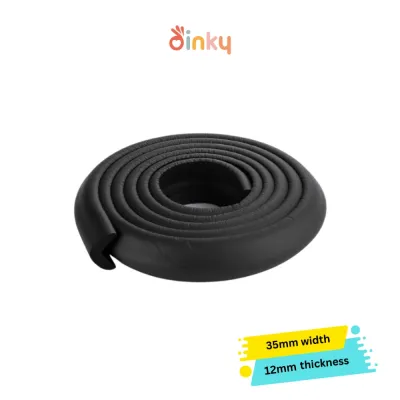
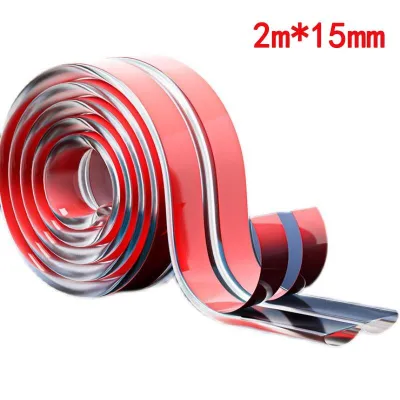
![[✅SG Ready Stock] Edge & Corner Guards 2 meter Baby Bumper Edge Strip Safety Corner Protector Edge kids children](https://img.lazcdn.com/g/p/3c14cf49a7b4010060bd091d31ce6844.jpg_400x400q80.jpg_.webp)
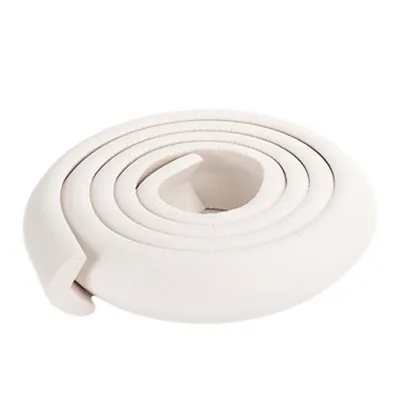
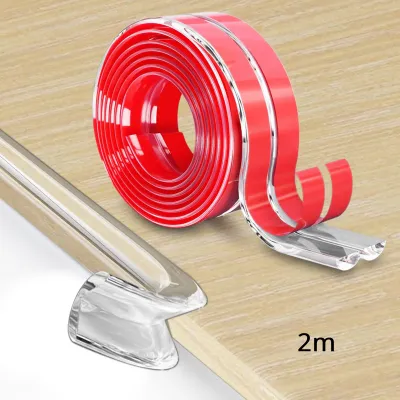
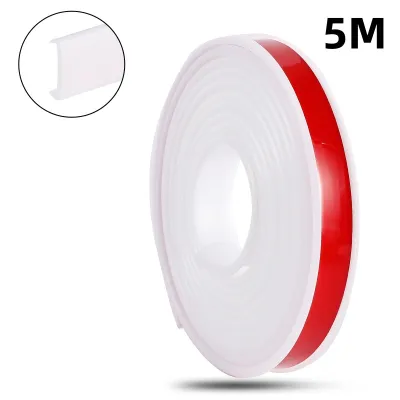
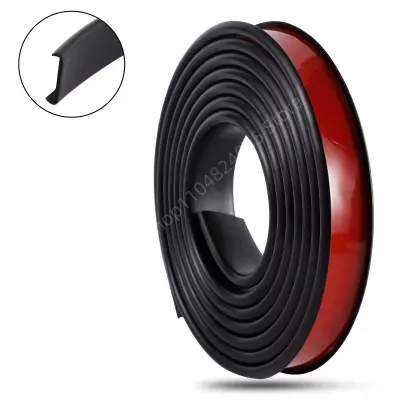
Prices are valid at publication and may change. Please refer to the product page for the latest price.
Silicone edge guards offer an excellent balance of flexibility, durability, and moderate impact absorption. Because silicone is highly resilient, it retains its shape even after repeated impacts and resists tearing or biting from teething toddlers. It is typically semi-translucent or available in neutral colors, allowing it to blend reasonably well with various furniture styles without being overly conspicuous. Silicone is particularly well-suited for high-traffic areas where furniture is frequently bumped by vacuum cleaners, toys, or busy feet.
PVC edge guards are highly valued for their aesthetic discretion, as they are frequently manufactured in completely clear, transparent profiles. This transparency makes them ideal for preserving the visual design of glass coffee tables, metal frames, or light-colored wooden furniture. However, PVC is physically firmer than silicone or foam, meaning it provides excellent structural protection against sharp edges but offers less soft cushioning during a high-velocity impact. It is highly durable and resistant to biting, but its firmness means it must be precisely fitted to the furniture corner to prevent gaps.
Foam edge guards, usually made of dense NBR, provide the thickest and softest cushioning available, making them highly effective at absorbing heavy impacts. They are excellent for covering long, straight edges of low-lying wooden shelves or play areas where children are highly active. However, foam is the least durable of the three materials; it is highly susceptible to tearing, scratching, and degradation over time. Teething infants can easily bite off small chunks of foam, which presents a severe choking hazard, meaning foam guards require constant monitoring and are best avoided in areas within easy reach of a child’s mouth.
When comparing these materials, parents must verify the manufacturer’s material claims by carefully reading the product packaging and official labels. Avoid generic products that do not clearly state the exact material composition, as unlabelled plastics may contain undesirable additives or fail to provide the necessary impact resistance. Matching the material’s physical limits to your child’s current developmental stage—such as opting for firmer, bite-resistant silicone over soft foam during the teething phase—is key to maintaining a safe environment.
Evaluating Safety Labels and Non-Toxic Claims
Because infants and toddlers naturally explore their environment using their hands and mouths, edge guards are highly likely to come into direct contact with a child’s skin, lips, and teeth. Consequently, verifying the chemical safety and material purity of these products is just as important as evaluating their physical durability. Parents should look beyond front-of-pack marketing slogans and actively seek out verifiable safety labels and third-party testing certifications.

When reviewing product packaging, look for explicit labels indicating that the product is “BPA-free,” “phthalate-free,” and “lead-free.” Phthalates are chemical plasticizers often used to make PVC flexible, but they are restricted in children’s toys and childcare articles due to potential health concerns. For silicone edge guards, prioritize products labeled as “food-grade silicone,” which indicates a higher standard of material purity and a lower risk of chemical leaching if a child attempts to chew on the guard.
To ensure these claims are valid, check the packaging for recognized third-party testing marks or compliance certifications, such as the European safety standard EN 71 (which regulates toy safety, including chemical migration limits) or RoHS (Restriction of Hazardous Substances) compliance. These certifications indicate that the product has undergone independent laboratory testing to verify that it does not contain harmful levels of heavy metals or toxic chemicals. If a brand makes bold safety claims but lacks any visible certification marks or manufacturer details on the packaging, it is best to choose an alternative product with verifiable credentials.
Additionally, always review the manufacturer’s age recommendations and choking hazard warnings before installation. No safety device is completely indestructible, and any edge guard that begins to degrade, tear, or lose its adhesion must be removed immediately to prevent a choking incident. Caregivers must maintain regular supervision and inspect the physical integrity of the guards daily, especially during stages of active teething and oral exploration.
Adhesive Types and Furniture Surface Compatibility
The overall longevity and effectiveness of an edge guard depend heavily on the quality of its adhesive and how well it bonds to your specific furniture surfaces. In Singapore’s tropical climate, high relative humidity and warm ambient temperatures can accelerate the breakdown of low-quality adhesives, causing guards to peel away prematurely. Understanding the differences between acrylic-based adhesives, rubber-based adhesives, and heavy-duty double-sided tapes is essential for a secure installation.
Acrylic-based adhesives are highly popular for clear PVC and silicone guards because they offer excellent optical clarity and do not yellow over time when exposed to sunlight. They provide a strong, long-term bond that resists moisture and humidity well, making them highly suitable for Singapore homes. However, acrylic adhesives require a longer curing time—often up to 24 hours—to reach their maximum bonding strength, meaning they are vulnerable to being pulled off if handled too soon after installation.
Rubber-based adhesives offer high initial tack, meaning they bond quickly to surfaces with minimal pressure and are less likely to slide immediately after application. This makes them convenient for quick installations on wooden or painted surfaces. However, rubber-based adhesives tend to degrade faster than acrylics when exposed to heat, humidity, and UV light, which can result in a sticky, difficult-to-clean residue when the guard is eventually removed.
Furniture surface compatibility is a critical factor that dictates adhesive performance and protects your furniture from permanent damage. Smooth, non-porous surfaces like tempered glass, metal, and high-pressure laminates bond exceptionally well with acrylic adhesives, whereas porous or uneven surfaces like raw wood or textured stone may require specialized heavy-duty double-sided tapes. Delicate finishes, such as cheap paper veneers, old varnishes, or painted drywall, are highly susceptible to peeling or tearing when the adhesive is removed, requiring extra caution.
To prevent costly damage to your furniture, always perform a pre-application testing protocol before installing edge guards across your home. Cut a small, half-inch piece of the adhesive tape and apply it to an inconspicuous area of the furniture, such as the underside of a table lip or the back of a leg. Leave the test strip in place for at least 24 hours to observe how the adhesive reacts to the surface finish and the local humidity. When you peel it off, check for any signs of varnish lifting, paint peeling, or excessive residue, allowing you to adjust your adhesive choice before committing to a full installation.
Decision Framework: Matching Edge Guards to Your Home
To select the most effective edge guard for your household, you can apply a conditional decision framework that matches the physical properties of each material to your specific furniture types, environmental conditions, and child’s developmental stage. Rather than relying on generic brand recommendations, this structured approach ensures that your chosen safety solution is both durable and practical for daily use.
Choose silicone edge guards if your primary goal is high-impact protection on heavy wooden dining tables, low-lying TV consoles, or sharp-edged bed frames, particularly if your child is in the active toddler stage and prone to running indoors. Silicone’s high durability and resistance to biting make it the safest choice for areas within easy reach of teething children. It is also highly resistant to heat and humidity, making it a reliable option for dining areas where warm plates or spills might occur.
Choose clear PVC edge guards if maintaining the visual aesthetic of your living space is a priority, especially for modern glass coffee tables, minimalist metal shelving, or light-colored custom carpentry. The firm profile of PVC provides excellent protection against sharp corners while remaining virtually invisible, preventing your home from looking overly cluttered with safety gear. However, ensure that these are placed in areas where a softer cushioning is not strictly required, as PVC is firmer than silicone or foam.
Choose foam edge guards if you need to cover large, low-impact areas on a budget, such as the long edges of low bookshelves, playpen surrounds, or storage chests located in dedicated playrooms. Foam is highly cost-effective and provides excellent initial cushioning for younger infants who are just learning to sit or crawl. However, because foam is easily damaged and can become a choking hazard if chewed, you must restrict its use to areas out of reach of teething infants or ensure constant caregiver supervision.
Before finalizing your choice, always verify the environmental conditions of the room and the delicate nature of the furniture finish. If you are installing guards in a non-air-conditioned room subject to high humidity, prioritize high-quality acrylic adhesives over rubber-based options to prevent premature peeling. For antique wood or delicate paper veneers, opt for edge guards that use gentle, residue-free adhesives, and be prepared to accept a slightly shorter lifespan for the bond to preserve the underlying furniture finish.
Installation Steps for Maximum Durability
Even the highest-quality edge guard will fail prematurely if the installation process is rushed or executed incorrectly. Proper surface preparation and precise application are essential to ensure the adhesive cures correctly and resists the curious fingers of a toddler. Following a systematic installation protocol will maximize the durability of the guard and maintain a safe home environment.
Begin by thoroughly cleaning the target furniture surface to remove all dust, grease, oil, and moisture. Use a mild soap solution or a mixture of water and isopropyl alcohol, first verifying on an inconspicuous area that the cleaning agent will not damage the furniture’s finish. Wipe the surface completely dry with a clean microfiber cloth and allow it to air-dry for several minutes, as any remaining moisture or dust particles will severely compromise the adhesive bond.
Measure the edge of the furniture carefully and cut the guard to the exact length required. For corners, use precise miter cuts (cutting the ends at a 45-degree angle) to ensure a seamless fit without overlapping edges, which can easily be pulled apart by a child. Apply the adhesive tape to the inside of the guard first, peeling off the backing paper slowly as you press the guard firmly onto the furniture edge.
Once the guard is in place, apply firm, even pressure along the entire length of the strip for at least 30 to 60 seconds. This pressure-sensitive step is crucial for activating the adhesive bond and ensuring there are no air bubbles trapped underneath. Pay special attention to the ends and corners, as these are the most common failure points where peeling typically begins.
Allow the adhesive to cure completely before allowing your child near the furniture. Most high-quality adhesives require a full 24 hours of undisturbed curing time to reach their maximum bonding strength; disturbing the guard during this window can permanently weaken the bond. Finally, establish a weekly inspection routine to check all installed guards for signs of peeling, cracking, or loosening, and replace any compromised sections immediately to prevent them from becoming choking hazards.
Frequently Asked Questions (FAQ)
How do I safely remove edge guards without damaging furniture?
To remove edge guards safely without stripping paint or damaging delicate wood finishes, use a hairdryer on a low or medium heat setting to gently warm the adhesive. Direct the warm air along the edge of the guard for a few minutes to soften the adhesive bond, making it pliable. Once warmed, slowly and gently peel the guard away from the surface at a shallow angle, pulling parallel to the furniture rather than straight up.
If any sticky residue remains on the surface, avoid using harsh chemical solvents or abrasive scrubbing pads, which can permanently scratch or discolor the finish. Instead, check the furniture manufacturer’s guidelines to see what cleaning agents are safe for the material. A mild mixture of warm water and dish soap applied with a soft microfiber cloth, or a small amount of cooking oil (such as olive or coconut oil) left on the residue for a few minutes, can safely lift the remaining adhesive without damaging the underlying varnish.
When should I replace an existing edge guard?
Edge guards must be replaced immediately at the first sign of physical wear, tearing, or cracking, as damaged materials lose their ability to absorb impact effectively. If you notice that the material has hardened, become brittle, or discolored due to UV exposure and humidity, it is a clear indication that the polymer has degraded and can no longer provide adequate protection.
Loss of adhesion is another critical indicator for replacement; if the corners or edges of the guard are lifting, or if your child can easily pull the strip away, the device is no longer secure. A loose edge guard not only fails to protect against impacts but also presents a severe choking hazard if a child attempts to chew on the loose pieces. Regular weekly inspections will help you identify these issues early, ensuring that compromised guards are replaced promptly to maintain a safe home environment.

Community discussion
Share your experience or ask a question. Comments are reviewed before publication.