
Finding the right disposable changing pad in Singapore involves balancing convenience, skin safety, and cost. With the local tropical climate, high humidity can make diaper changes a frequent necessity, and choosing a pad that keeps your baby dry and comfortable is crucial. The best brand for your family depends on your baby’s mobility, your typical changing environment, and your household budget. Instead of searching for a single universal winner, caregivers should focus on a conditional approach that matches specific pad features to their daily routines.
Before purchasing any brand, it is essential to inspect the packaging for specific claims regarding leak protection, material safety, and hypoallergenic properties. Because a baby’s skin is thin and highly sensitive, choosing a pad with the right top sheet material can prevent unnecessary irritation. This guide provides a structured framework to help you compare options available in Singapore, calculate their true value, and establish safe usage habits.
Core Comparison Dimensions for Disposable Changing Pads
When comparing different brands of disposable changing pads, looking past the colorful packaging to the technical specifications is the most reliable way to evaluate performance. The first critical dimension is absorbency, which is determined by the core materials. High-quality pads typically feature a blend of fluff pulp and superabsorbent polymers (SAP) that lock moisture away from the skin. You should check the product label for mentions of these materials, as they prevent liquid from pooling on the surface and causing diaper rash.
Products mentioned in this guide
![[SG Seller]Disposable Sheet/baby changing pad/Underpads/maternity pad/diaper changing pad/Pet pad/diaper changing pad](https://img.lazcdn.com/g/p/98b6308018da96ec0e340934b88f4b41.png_400x400q80.png_.webp)
Prices are valid at publication and may change. Please refer to the product page for the latest price.
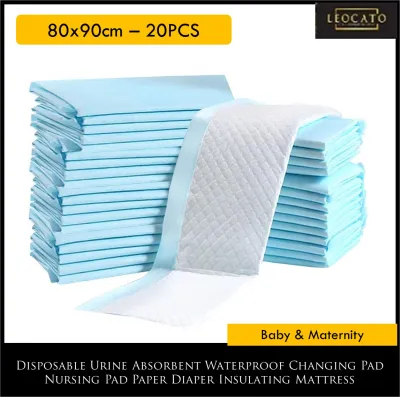
Leak-proof barriers are equally important, especially during messy diaper changes. Look for pads that specify a waterproof backing, usually made of polyethylene, and check if the design includes sealed edges or embossed channels. These channels help distribute liquid evenly across the pad rather than letting it run off the sides onto your furniture or bedsheets.
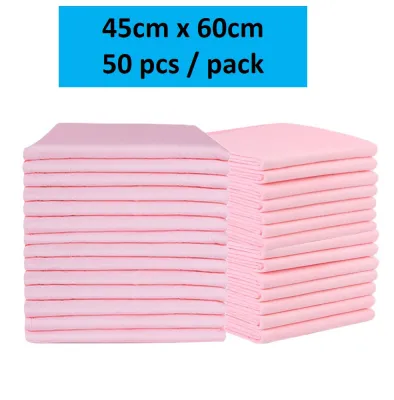
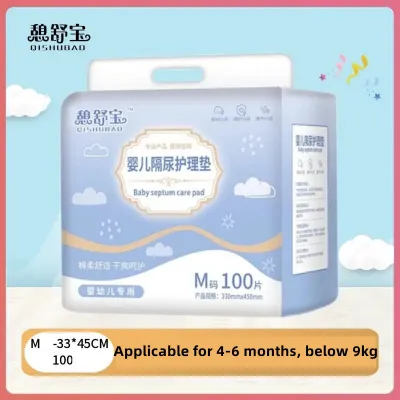
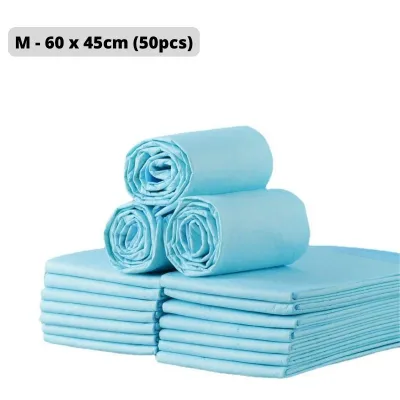
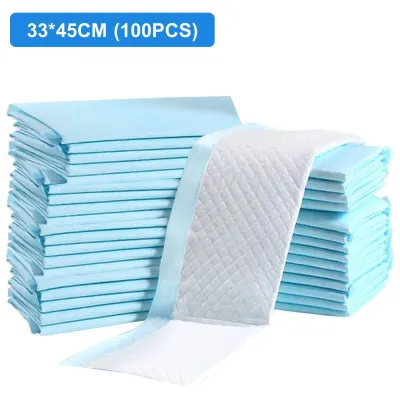
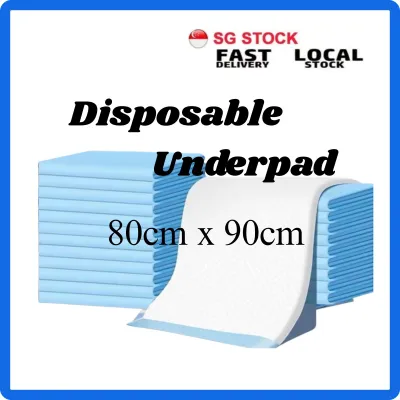
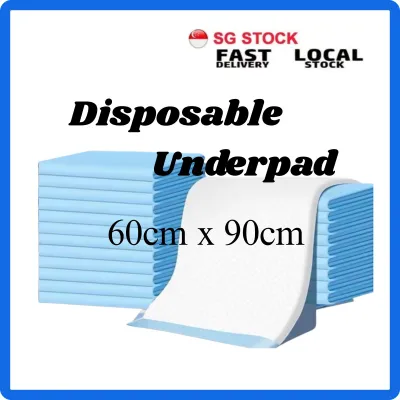
Size and coverage area must match your baby’s current developmental stage and your changing setup. Standard sizes usually range from small travel pads (approximately 33 by 45 centimeters) to larger home-use pads (up to 60 by 90 centimeters). A pad that is too small will not protect the surrounding area if your baby wiggles, while an oversized pad might overhang the edges of your changing table, creating an unstable surface.
Surface texture directly impacts your baby’s comfort during a change. Since the top sheet comes into direct contact with delicate skin, verify that the packaging explicitly states the product is hypoallergenic, fragrance-free, and alcohol-free. In Singapore’s warm climate, a breathable top sheet is highly beneficial to prevent heat buildup while your baby is lying down.
To help you compare different brands on the shelf or online, use the following specification checklist to evaluate product packaging:
| Specification Dimension | What to Check on Packaging | Why It Matters |
|---|---|---|
| Pad Dimensions | Length and width in centimeters | Ensures full coverage of the changing table or travel surface |
| Core Material | Superabsorbent polymer (SAP) or fluff pulp | Determines liquid retention capacity and prevents pooling |
| Backing Material | Waterproof polyethylene or non-slip backing | Prevents leaks from seeping onto furniture or public surfaces |
| Skin Safety Labels | Hypoallergenic, fragrance-free, or dermatologically tested | Minimizes the risk of contact dermatitis or skin irritation |
| Pack Count | Total number of pads per package | Essential for calculating the unit cost (cost-per-pad) |
Decision Framework: Matching Pad Features to Your Routine
Selecting the right disposable changing pad requires matching these technical specifications to your family’s daily routine. If you have a highly mobile baby who rolls or kicks during changes, or if you frequently deal with heavy wetting, prioritize larger, highly absorbent pads. These pads provide a wider safety margin, ensuring that unexpected leaks or sudden movements do not result in soiled carpets or bedding.

Conversely, if your primary goal is portability for outings to local shopping malls or parks, compact, standard-sized pads are the more practical choice. These pads are designed to fold tightly, taking up minimal space in a diaper bag. When traveling, look for brands that highlight lightweight construction and individual folding, allowing you to pull out a single pad quickly with one hand.
Another critical factor is the stability of your changing surface. Before buying, verify if the changing pad features a non-slip backing or adhesive strips. If you plan to place the pad directly on a smooth, hard surface like a wooden table, a kitchen counter, or a plastic public changing station, adhesive strips or a textured backing are essential to prevent the pad from sliding under your baby’s weight.
It is important to recognize that disposable changing pads may not suit every infant. If your baby has severe skin sensitivities, eczema, or contact allergies, even hypoallergenic disposable top sheets might cause irritation. If you notice persistent redness or rashes after using a specific brand, stop using the product immediately. In such cases, consult a pediatrician or dermatologist for alternative materials, such as organic cotton reusable covers paired with waterproof liners.
Calculating True Value for Money
Evaluating the cost of disposable changing pads requires looking beyond the upfront price of a single box. Because package sizes vary widely between brands, comparing total retail prices can be misleading. Instead, caregivers should calculate the cost-per-pad to find the most economical option. To do this, divide the total price of the package (in S$) by the number of individual pads inside. For example, a pack costing S$15.00 containing 30 pads results in a unit cost of S$0.50 per pad.
Once you establish a baseline unit cost, consider the purchasing channel. Buying in bulk from official brand stores or major online marketplaces often yields a lower cost-per-pad than purchasing small convenience packs from local supermarkets. Many online platforms also offer subscription discounts or bundled deals for recurring deliveries, which can significantly reduce your monthly expenses.
However, caution is necessary when stocking up. Babies grow rapidly, and a pad size that fits a newborn perfectly may become too small within a few months. Avoid purchasing massive quantities of smaller sizes all at once. Instead, monitor your baby’s growth rate and adjust your bulk orders gradually to ensure you do not end up with leftover pads that no longer provide adequate coverage.
Safe Usage and Disposal Guidelines
Using disposable changing pads safely requires strict adherence to basic caregiving practices. The most critical rule is to maintain constant physical supervision. Never leave your baby unattended on a changing table or any elevated surface, even for a split second. A non-slip backing or adhesive strip on a disposable pad is designed to keep the pad in place, not to secure the baby. Always keep one hand on your baby to prevent falls.
Proper hygiene and disposal are equally vital for maintaining a healthy home environment. After a diaper change, roll the soiled disposable pad inward to contain any waste, secure it tightly, and dispose of it immediately in a designated trash bin. Never flush a disposable changing pad down the toilet, as the plastic backing and superabsorbent polymers will cause severe plumbing blockages. Additionally, keep the outer plastic packaging of the pads stored safely out of your baby’s reach to eliminate any risk of accidental suffocation.
Finally, always check the manufacturer’s weight and size limits for your changing table or unit. Ensure that the disposable pad fits entirely within the flat, recessed area of the changing surface. If a pad is too large and overhangs the safety barriers of the table, it can interfere with your grip or create a false sense of secure space, increasing the risk of your baby rolling over the edge.
Frequently Asked Questions (FAQ)
Can I reuse a disposable changing pad if it is not soiled?
While it may be tempting to reuse a pad that appears clean to save money, doing so carries hygiene risks. Even if there is no visible soil, microscopic sweat, skin cells, and environmental dust accumulate on the surface after a single use. This can create a breeding ground for bacteria, especially in Singapore’s humid environment. Additionally, folding and unfolding the pad repeatedly can break down the internal absorbent fibers, reducing its effectiveness. If you choose to reuse a pad, ensure it has only been used briefly on a clean surface, shows absolutely no signs of moisture or tearing, and is replaced daily.
Do I still need a reusable changing pad cover if I use disposable ones?
Using a disposable changing pad does not mean you must discard your reusable covers; in fact, layering them can provide the best of both worlds. A reusable fabric cover offers a soft, cushioned, and warm surface for your baby to lie on, which is much more comfortable than the plastic feel of a disposable pad. Placing a disposable pad on top of the reusable cover protects the fabric from unexpected leaks and blowouts, reducing your laundry load. When layering, always ensure the disposable pad does not slide around on the fabric cover, and verify that the combined thickness does not compromise the safety barriers of your changing table.

Community discussion
Share your experience or ask a question. Comments are reviewed before publication.