
Finding a reliable diaper wet bag in Singapore requires looking past attractive prints and marketing buzzwords. In our hot and humid tropical climate, a wet bag must perform two critical tasks: containing dampness from soiled diapers or swimsuits and preventing mold or odor from escaping into your main diaper bag. While many popular brands are widely available across local baby boutiques and online marketplaces, their actual performance in waterproofing and durability depends entirely on their material composition, seam construction, and closure design. By understanding these technical elements, you can confidently evaluate any brand on the shelf to find a bag that withstands daily use and frequent washing.
What Makes a Diaper Wet Bag Truly Waterproof and Durable?
Thermoplastic Polyurethane (TPU) and Polyurethane Laminate (PUL) are the two primary waterproof membranes used in modern wet bags. PUL is typically bonded to polyester fabric using a chemical solvent process, resulting in a highly durable, stiff, and highly leak-resistant barrier that tolerates repeated washing well. TPU, on the other hand, uses a heat-bonding process to laminate the membrane to the fabric, which is generally considered more environmentally friendly and results in a softer, more flexible bag. When browsing options in Singapore, check the product label or manufacturer specification sheet to identify which membrane is used, as this affects both the stiffness of the bag and its care requirements.
The method used to join the fabric panels is just as important as the fabric itself. Standard stitched seams create tiny needle punctures along the edges of the bag, which can allow liquid to seep through under pressure or when holding highly saturated items. High-quality wet bags often feature heat-sealed or taped seams, where a waterproof tape is melted over the stitched line to seal those needle holes. If you are comparing brands in a physical store, turn the bag inside out to inspect the seams; look for smooth, covered joints rather than exposed stitching, especially along the bottom corners where liquids naturally pool.
Products mentioned in this guide
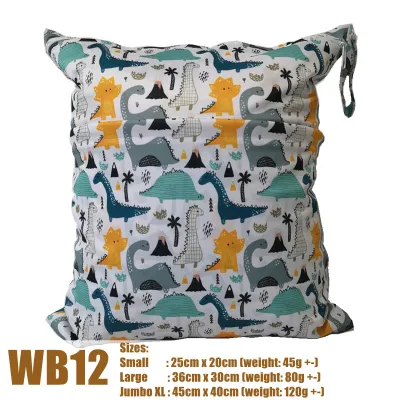
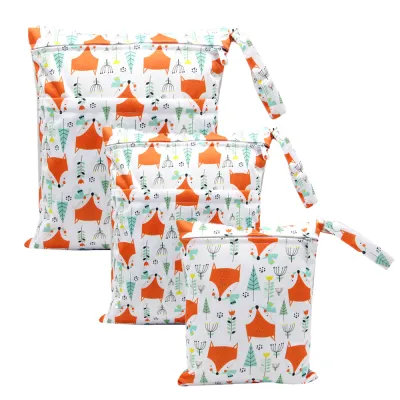
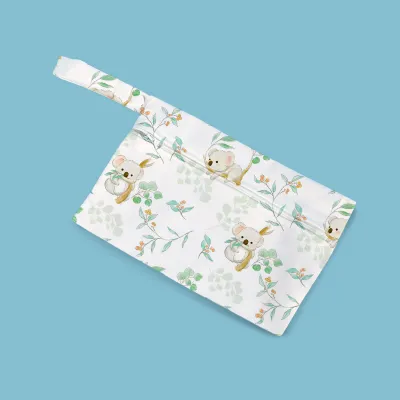
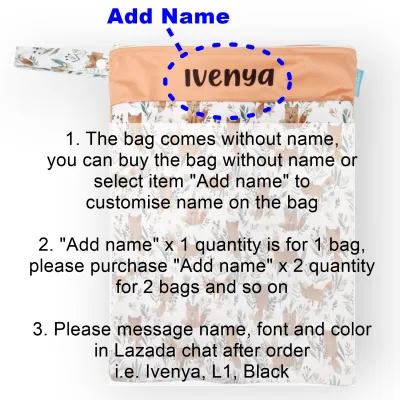
![[3 for $9.90] Baby Waterproof Wet Bag 36x30cm For Diapers And Nappies Travel Outdoor Stroller Toiletries Bag](https://img.lazcdn.com/g/p/7298a6bbb44db6b7a94a5501b2f1e0f6.png_400x400q80.png_.webp)
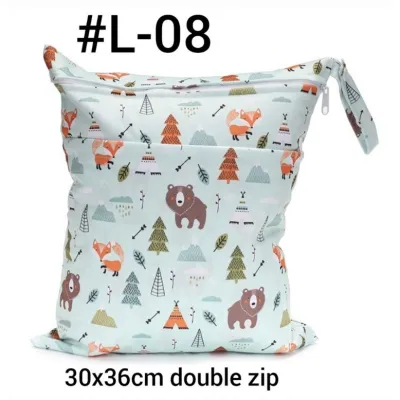
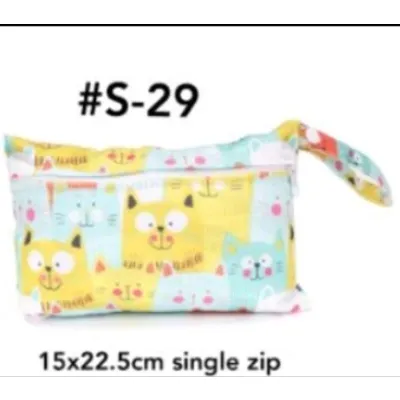
Prices are valid at publication and may change. Please refer to the product page for the latest price.
Zippers are the most common failure point on any diaper wet bag, as they are subjected to constant pulling and tension. A standard nylon zipper may glide smoothly at first but can easily let odors and moisture escape through the teeth. Look for bags that feature water-resistant zipper tracks, which have a rubberized or polyurethane coating over the teeth to block moisture transfer. Additionally, double sliders allow you to open the bag from either end, reducing stress on the zipper mechanism and making it easier to access specific items without exposing the entire contents of the bag to the air.
Comparing Common Wet Bag Materials and Structural Designs
The structural design of a wet bag determines how much volume it can handle and how securely it contains messes. Single-layer wet bags consist of a single sheet of laminated fabric, making them incredibly lightweight, compact, and easy to fold into a pocket. However, they lack a secondary barrier, meaning any physical damage to the inner laminate immediately results in a leak. Double-layer or gusseted designs feature an outer decorative fabric layer (often water-resistant polyester) and an entirely separate inner waterproof lining. This dual-layer construction provides excellent leak redundancy, as the outer shell acts as a backup barrier while protecting the delicate inner membrane from external abrasions.

Understanding the difference between a fully waterproof lining and a water-resistant outer shell is crucial for managing expectations. A water-resistant outer shell, often treated with a durable water repellent (DWR) coating, can shed light splashes or brief rain but will eventually saturate if standing water is left inside. A true waterproof lining, such as a thick TPU layer, is designed to hold wet items indefinitely without weeping. When evaluating different brands, verify whether the entire bag is constructed from waterproof materials or if only the inner compartment features the protective laminate.
Material thickness directly correlates with tear resistance and the overall lifespan of the bag. Thicker, heavy-duty fabrics (often measured in denier, such as 150D or 300D polyester) offer superior resistance to punctures from diaper pins, keys, or sharp toys, but they add bulk and weight to your diaper bag. Lightweight fabrics are highly portable and dry quickly after washing, but they are more susceptible to wear and tear over months of daily use. Consider your typical daily load; if you frequently carry heavy, wet swim gear or multiple cloth diapers, prioritizing a thicker, more robust material will prevent premature wear.
Pre-Purchase Verification Checklist for Online and In-Store Buying
Before purchasing a wet bag from an online marketplace or a local baby store in Singapore, look beyond generic marketing claims like “100% leakproof.” Reputable manufacturers often subject their products to independent laboratory testing to verify water resistance, fabric strength, and the absence of harmful chemicals like lead, phthalates, and BPA. Check the brand’s official website or product packaging for specific test standards or certifications, which provide objective proof of safety and performance.
Online reviews are an invaluable resource for assessing how a wet bag performs over months of real-world use. When reading customer feedback on ecommerce platforms, filter for reviews that mention long-term durability, specifically looking for complaints about delamination (where the plastic lining peels away from the fabric) or zipper corrosion from humidity. In Singapore’s warm climate, constant exposure to moisture can accelerate the breakdown of low-quality adhesives, making user reports of peeling linings a major red flag.
A manufacturer’s confidence in their product is often reflected in their warranty and return policies. Verify whether the seller or local distributor offers a warranty against manufacturing defects, such as broken zippers or failed seams, within the first few months of purchase. Understanding the return process is especially important when buying online, as it ensures you can easily exchange the bag if you notice any structural flaws upon unboxing.
Which Wet Bag Setup Fits Your Daily Routine?
For parents who primarily use disposable diapers and only need a wet bag for occasional emergencies, a compact, single-layer bag is often the most practical choice. These bags typically measure around 20 by 25 centimeters, easily fitting into a handbag or stroller organizer. They are perfect for holding a single soiled outfit, a wet bib, or a used set of breast pump parts during a quick trip to a local shopping mall.
If you are practicing full-time cloth diapering or regularly spend the day outdoors at Singapore’s parks or splash pads, a large, double-layer wet bag with a wet/dry split is highly recommended. These bags feature two separate compartments—one lined with waterproof material for wet items and another dry compartment for clean diapers and clothes. This setup allows you to carry everything you need for a full day out in a single, organized package, keeping clean items completely isolated from moisture and odors.
Before finalizing your choice, verify if the wet bag is compatible with your household washing routine. Some bags require gentle hand washing or line drying, which can be highly inconvenient for busy parents. If you plan to machine-wash the bag alongside your regular laundry, ensure the manufacturer explicitly states it can handle machine agitation. Additionally, if your child has extremely sensitive skin, check the material composition to ensure the inner lining does not contain chemical finishes that could transfer to clean diapers or clothing stored inside.
How to Maintain Waterproof Integrity and Extend Lifespan
To keep your wet bag performing at its best, always adhere strictly to the manufacturer’s washing instructions. High water temperatures can melt or crack the delicate TPU or PUL membrane, permanently destroying its waterproof properties. Wash the bag in cool or lukewarm water, avoiding harsh bleach, fabric softeners, or vinegar, which can degrade the synthetic fibers and weaken the laminated bond over time.
Proper drying is essential to prevent mold growth and preserve the integrity of the waterproof layer. Air-drying is the safest method; turn the bag completely inside out and hang it in a well-ventilated indoor area or a shaded outdoor spot. Avoid exposing the synthetic membrane to direct, intense sunlight or high-heat tumble dryers, as extreme heat can cause the laminate to delaminate or peel away from the outer fabric.
Over time, even high-quality wet bags will eventually reach the end of their lifespan. Inspect the inner lining regularly for signs of wear, such as cracking, peeling, or a sticky texture, which indicate that the waterproof barrier has broken down. If you notice persistent odors that do not wash out, or if moisture begins to seep through the fabric during use, stop using the bag for wet items and consult the manufacturer or replace the bag to avoid damaging your other belongings.
Frequently Asked Questions (FAQ)
How do I test a new wet bag for leaks before using it?
To verify the integrity of a new wet bag before placing it in your diaper bag, perform a simple, reversible water test at home. Fill the bag with a measured amount of lukewarm water—about one to two cups, depending on the bag’s size—and zip it completely closed. Lay the bag flat on a dry, light-colored towel and leave it for approximately thirty minutes. Afterward, lift the bag and inspect the towel for any damp spots, paying close attention to the areas directly beneath the zipper track and the bottom seams, which will reveal if there are any manufacturing defects or weak points in the construction.
Can I use a standard wet bag for storing heavily soiled cloth diapers?
While a standard portable wet bag is excellent for on-the-go use, it is generally not designed to hold heavily soiled cloth diapers for extended periods at home. Portable wet bags lack the volume and structural support needed to contain multiple heavy, saturated diapers without risking seam strain or odor leakage. For home storage, it is highly recommended to use a specialized, high-capacity pail liner or a heavy-duty wet bag designed specifically for cloth diaper laundry. These larger liners feature reinforced double-layer construction, heavy-duty elastic or drawstring closures, and thicker membranes optimized to handle significant weight and moisture over several days.

Community discussion
Share your experience or ask a question. Comments are reviewed before publication.