
Finding the right diaper pants for your toddler in Singapore is rarely a matter of picking a single, universally acclaimed brand. Because every child has a unique body shape, skin sensitivity level, and wetting pattern, a diaper that works flawlessly for one toddler might cause frequent leaks or skin irritation for another. When searching for the right diaper pants (sometimes referred to as diper pants online), parents often face an overwhelming number of options on supermarket shelves.
Instead of relying on broad marketing claims, you can make more reliable decisions by evaluating diaper pants across three core pillars: absorbency, physical comfort, and long-term financial value. By establishing a systematic way to test and compare these products at home, you can avoid the frustration of buying bulk boxes that end up unused. This guide outlines practical, observable checks to help you assess diaper pants objectively, ensuring your choice matches your child’s developmental stage and your household budget.
How to Evaluate Absorbency and Leak Protection
To understand how well a diaper pant performs, start by examining the packaging and the physical construction of the diaper itself. Manufacturers often print specific absorbency indicators, such as the number of drops or hours of protection, alongside descriptions of their core technology. Look for terms indicating structured absorbent channels or a gel-based polymer core, which are designed to distribute liquid evenly and prevent sagging. A reliable wetness indicator—usually a line that changes color when wet—is also a highly useful feature for monitoring when a change is due without having to tear the sides.
Products mentioned in this guide
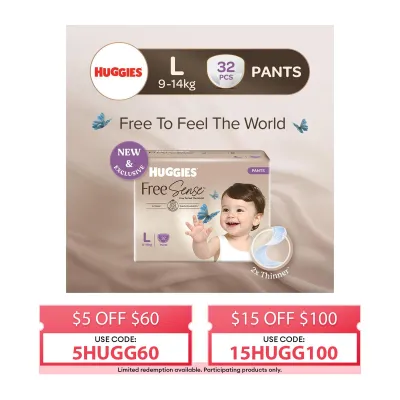
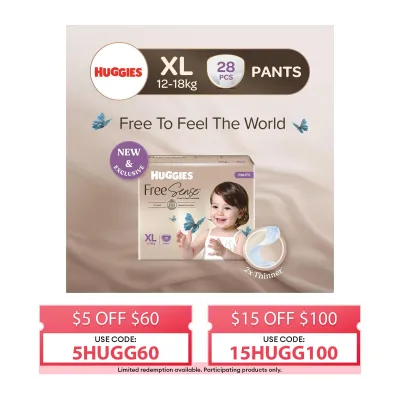
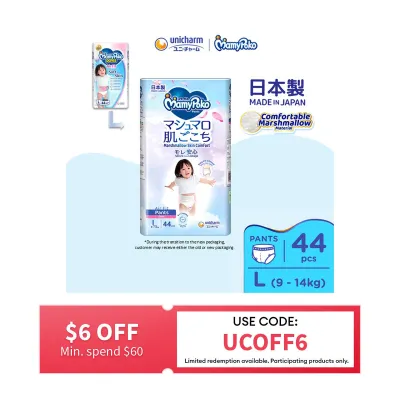
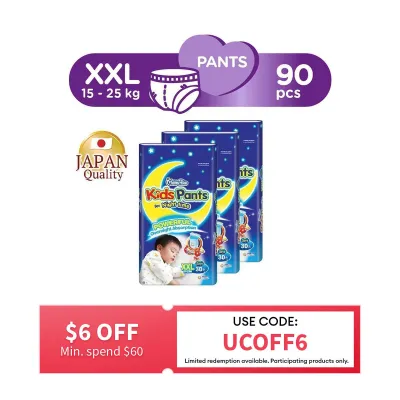
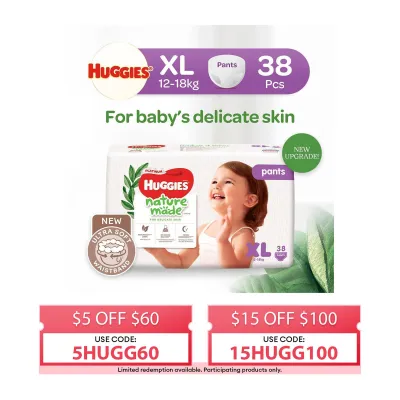
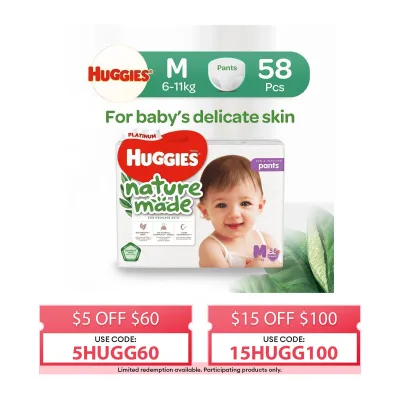
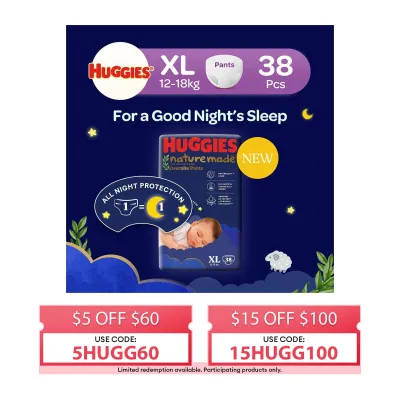
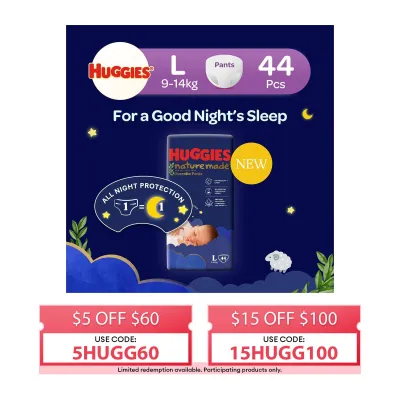
Prices are valid at publication and may change. Please refer to the product page for the latest price.
Next, inspect the physical barriers designed to contain messes. High-quality diaper pants feature double-layered standing leg cuffs and elasticized leak guards that sit snugly against your child’s thighs. These barriers should stand upright when the diaper is opened, acting as a physical dam against sudden, high-volume wetness. The distribution of the absorbent core also matters; some designs concentrate the absorbent material toward the front or distribute it evenly, which can significantly impact real-world performance depending on your child’s sleeping and crawling positions.
Your child’s daily routine should dictate the level of absorbency you prioritize. For active daytime wear, you need a highly flexible diaper pant that allows for maximum mobility and quick changes, meaning a thinner, moderately absorbent core is often sufficient. Overnight wear, however, demands an extended-wear core capable of locking away multiple wettings over ten to twelve hours. Using a specialized overnight diaper pant can prevent sleep disruptions, even if it comes at a slightly higher price point per piece.
Before committing to a jumbo box of a new brand, you can conduct a simple, safe water-pouring test at home using a single sample. Place the diaper pant flat on a waterproof surface and pour a measured amount of lukewarm water onto the center of the core. Observe how quickly the liquid disappears into the material, and then press a dry paper towel onto the surface after one minute. A dry paper towel indicates excellent moisture-locking capability, which directly translates to better skin health and fewer leaks.
Assessing Comfort, Fit, and Skin Sensitivity
A highly absorbent diaper is of little use if it causes physical discomfort or skin irritation. When evaluating a new brand, run your fingers along the inner lining to assess its softness and texture. A quilted or 3D-embossed inner sheet minimizes direct skin contact with wetness, reducing the risk of friction-induced diaper rash. Additionally, check the outer cover for breathability; high-quality diaper pants utilize micro-porous materials that allow heat and moisture vapor to escape while keeping liquid contained, which is particularly crucial in Singapore’s hot and humid climate.

The waistband and leg gathers require careful inspection for elasticity and softness. A good diaper pant should feature a wide, highly stretchable waistband made of soft, non-woven fabric that conforms to your toddler’s abdomen without restricting movement or breathing. After your child has worn the diaper for a few hours, check their skin during a change. If you notice deep, persistent red marks around the waist or thighs, the elastic is either too stiff or the diaper is too small, both of which can lead to painful chafing.
Poor fit is a primary cause of both leaks and physical discomfort. Look out for signs of an incorrect fit during daily activities, such as the diaper sagging excessively even when only slightly wet, or visible gaps appearing at the thighs when your child crawls or walks. If the diaper twists to one side or slides down when your toddler climbs, the fit is unstable. These gaps compromise the integrity of the leak guards, leading to avoidable messes regardless of how absorbent the core is.
While minor redness can sometimes occur from friction, persistent skin irritation requires immediate attention. If your child develops a bright red rash, raised bumps, or displays signs of discomfort that do not resolve with standard barrier creams, stop using that specific brand immediately. These symptoms can indicate an allergic reaction to fragrances, lotions, or specific synthetic materials used in the diaper’s construction. If the redness persists or worsens after switching to a hypoallergenic, fragrance-free alternative, consult a qualified pediatrician for professional medical advice.
Calculating True Value and Cost Per Diaper
Evaluating the financial impact of diaper pants requires looking past the shelf price of a single pack. Because packaging sizes vary wildly between brands and sizes, the only reliable way to compare costs is by calculating the cost per individual diaper. To do this, divide the total retail price of the pack by the number of diapers inside to find the cost per piece. For example, a pack costing S$24.00 containing 40 pieces yields a cost of S$0.60 per diaper. Keep this unit cost in mind when comparing standard packs to jumbo boxes or promotional bundles.
However, the cheapest diaper per piece does not always deliver the best overall value. If a budget-friendly diaper pant leaks frequently, you must factor in the hidden costs of extra laundry cycles, water usage, detergent, and the premature wear of clothing and bedsheets. Furthermore, if a low-cost diaper has poor absorbency, you may find yourself changing your child twice as often, or needing to double-diaper at night. In such cases, a slightly more expensive, highly absorbent diaper that lasts longer can actually reduce your total monthly expenditure.
Smart purchasing strategies can significantly lower your diapering expenses. Many local supermarkets and online marketplaces offer loyalty programs, subscription discounts, or bulk-buying promotions that lower the unit cost. However, before purchasing multiple cartons, consider the physical storage limitations of your home. Singaporean apartments often have limited utility space, so ensure you have a dry, clean area to store bulk purchases away from humidity, which can degrade the adhesive tapes and wetness indicators over time.
Ultimately, finding the right balance involves matching the diaper’s performance to specific times of the day. You might choose to use a budget-friendly, moderately absorbent diaper pant during the day when changes are frequent and easy to manage, and reserve a premium, high-absorbency brand specifically for overnight sleep or long outings. This hybrid approach optimizes your budget without compromising your child’s comfort or sleep quality.
Decision Framework: Choosing the Right Diaper Pants
To simplify your selection process, use this conditional framework to match diaper pant characteristics to your toddler’s specific daily needs:
- Choose Brand Type A (High-Absorbency/Premium Core) if: Your child is a heavy wetter, frequently wakes up with damp pajamas, or needs reliable overnight protection. This type is also ideal for long car rides, flights, or extended outings where immediate diaper changes are impractical.
- Choose Brand Type B (Hypoallergenic/Ultra-Thin) if: Your toddler has highly sensitive skin, is prone to recurring diaper rash, or requires lightweight, highly breathable materials to stay comfortable in Singapore's humid climate. These diapers typically omit added fragrances, lotions, and chlorine processing.
- Choose Brand Type C (Budget-Friendly/Standard Core) if: You are prioritizing direct cost savings, your child is currently undergoing potty training and only wears diapers as a backup, or you change diapers very frequently throughout the day, making high-capacity absorbency unnecessary.
Before making a final decision, verify a few key operational details. If you are transitioning from tape diapers to diaper pants for the first time, buy a single trial pack rather than a bulk carton, as the fit around the waist and thighs differs significantly between these styles. Additionally, if your child’s weight falls near the boundary of two sizes on the manufacturer’s weight chart, it is generally safer to size up to prevent leaks and ensure adequate coverage, especially if your toddler has chubby thighs or a round tummy.
Frequently Asked Questions (FAQ)
When should I transition from tape diapers to diaper pants?
The transition to diaper pants is typically driven by your child’s physical mobility rather than a specific age. Once your baby starts rolling over, crawling, or standing during diaper changes, fastening the adhesive tabs on a tape diaper can become incredibly challenging. Diaper pants can be pulled on quickly while your child is standing, making the process much easier for active toddlers. Additionally, because they slide up and down like regular underwear, diaper pants play a helpful role in early potty training by encouraging your child to practice pulling them down independently. Always check the manufacturer’s weight guidelines on the packaging, as sizing structures for pants can differ from tape diapers.
How do I know if a diaper pant is too small or too large?
You can determine if a diaper pant is the wrong size by observing how it sits on your child’s body. A diaper that is too small will leave deep, red elastic marks around your toddler’s waist or thighs, may cause frequent blowouts at the back, and will fail to cover the buttocks fully. Conversely, a diaper that is too large will sag excessively between the legs even when dry, show visible gaps around the leg cuffs where liquid can easily escape, and bunch up awkwardly at the waist. While manufacturer weight guidelines provide a helpful starting point, your child’s unique body shape, waist width, and thigh thickness are the ultimate factors in achieving a leak-free fit.

Community discussion
Share your experience or ask a question. Comments are reviewed before publication.