
Choosing the right diaper cream to treat an active rash on your baby requires looking beyond brand names and focusing on formulation, skin sensitivity, and environmental factors. In Singapore’s year-round warm and humid climate, diaper rash is a common challenge for parents. The combination of heat, moisture, and friction inside a diaper can quickly irritate delicate skin, making a reliable barrier cream an essential part of your diapering routine. However, because different brands use distinct active ingredients and textures, no single product is a universal solution for every baby or every type of rash.
To find the most effective option, you must compare how different formulations interact with your baby’s skin. Some products are designed to prevent daily irritation by creating a light, breathable shield, while others are thick, heavy-duty pastes formulated to treat severe, inflamed rashes. By understanding how to read product labels, evaluate active ingredients, and match the cream’s texture to the severity of the rash, you can make an informed decision that promotes rapid healing and keeps your baby comfortable.
Key Ingredients to Check When Comparing Diaper Creams
When comparing diaper cream brands at your local pharmacy or online marketplace, the ingredient list is your most reliable guide. The active ingredients determine whether a cream is designed for daily prevention or active treatment.
Products mentioned in this guide
![Mustela Vitamin Barrier Cream 123 for Diaper Rash 100ml [Diaper Change Care] (exp: 09/2028 & beyond)](https://img.lazcdn.com/g/p/5c88ac90f90fcfb36d5b9fc0c103040f.jpg_400x400q80.jpg_.webp)
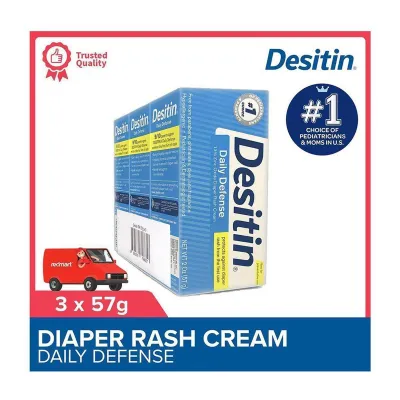
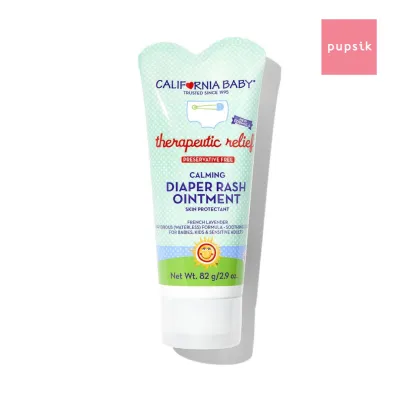
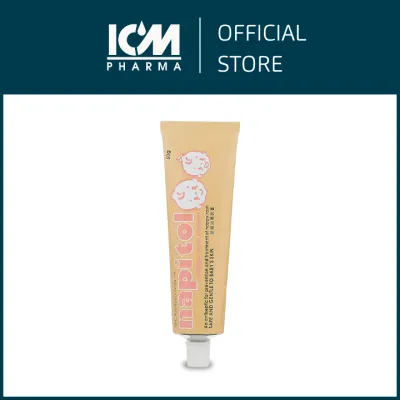
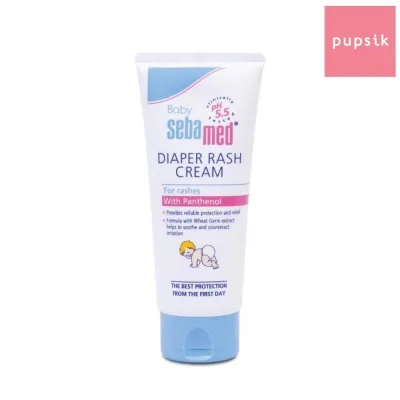
![[Bundle of 3] Desitin Daily Defense Diaper Rash Protection Cream Instantly Soothe Diaper Rash Discomfort 57g](https://img.lazcdn.com/g/p/b74ae21f7b47f8ec6b2c02dbfd829fc2.jpg_400x400q80.jpg_.webp)
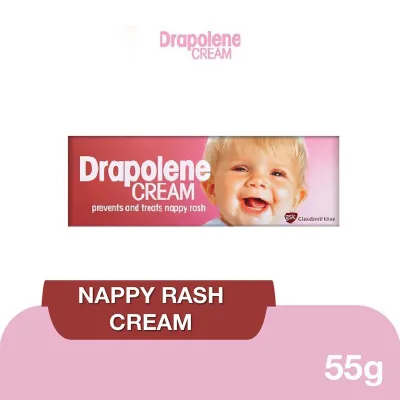
![[Exp2027] Drapolene Cream | Nappy Rash Cream for baby](https://img.lazcdn.com/g/p/01d7dbe051d9e8ad59f3be00878e54cb.png_400x400q80.png_.webp)
Prices are valid at publication and may change. Please refer to the product page for the latest price.
Zinc oxide is the most common active ingredient found in traditional diaper rash treatments. It is a mineral that provides a physical, waterproof barrier on the skin, preventing moisture from urine and stool from causing irritation. When comparing brands, look closely at the concentration of zinc oxide. Daily preventative creams typically contain lower concentrations, often between 10% and 15%, which makes them easier to spread and wipe away. For treating active, moderate-to-severe rashes, look for thicker pastes with higher concentrations, sometimes up to 40%. These high-concentration formulas provide a robust, long-lasting shield that remains intact between diaper changes.
In addition to zinc oxide, many diaper creams utilize moisture-sealing ingredients like petrolatum, dimethicone, or lanolin. Petrolatum and dimethicone are highly effective at locking in the skin’s natural moisture while keeping external wetness out. Lanolin is another popular emollient that softens the skin, though parents of babies with highly sensitive skin should monitor its use, as some infants can develop sensitivities to it. These ingredients are particularly useful for soothing dry, chafed skin and are often the primary components in ointment-style diaper treatments.
While active ingredients do the heavy lifting, inactive ingredients are equally important to verify, especially if your baby has reactive skin or eczema. Many commercial diaper creams contain added fragrances, preservatives like parabens, or specific botanical extracts to improve scent and shelf life. However, on compromised or broken skin, these additives can trigger allergic reactions or worsen inflammation. When comparing brands, prioritize fragrance-free, hypoallergenic formulas with minimal ingredient lists to reduce the risk of further irritating already sensitive skin.
Matching Diaper Cream Formulations to Rash Severity
Not all diaper rashes are the same, and using a heavy-duty treatment for mild redness—or a light preventative cream for a severe rash—can delay healing. Matching the product formulation to the current state of your baby’s skin is key to effective treatment.

For mild redness, chafing, or daily prevention, a lightweight barrier cream or ointment is usually sufficient. These formulations typically have a lower percentage of zinc oxide or rely primarily on petrolatum and gentle emollients. They are designed to be breathable, allowing air to circulate while still offering basic protection against wetness. These creams are easy to apply during every diaper change and do not leave a thick, stubborn residue on the skin, making them ideal for maintaining healthy skin when no active rash is present.
When managing a moderate to severe active rash, your baby’s skin requires a much stronger physical barrier. At this stage, the skin is often bright red, warm to the touch, and highly sensitive. A thick, high-concentration zinc oxide paste is a highly effective choice here. These pastes do not absorb into the skin; instead, they sit on top of it, creating a dense, white shield that blocks acidic moisture from urine and feces. This protective layer gives the underlying skin the undisturbed environment it needs to regenerate and heal.
It is also crucial to recognize when standard barrier creams will not work. Fungal rashes, often caused by yeast (Candida), thrive in the warm, dark, and moist environment of a diaper, especially in Singapore’s humid climate. Standard barrier creams can sometimes trap this moisture, inadvertently making a fungal infection worse. If you notice a bright red rash with distinct borders and small “satellite” red spots spreading outward, or if the rash does not improve after a few days of consistent barrier cream use, it may be fungal or bacterial. In these cases, you should stop using standard over-the-counter barrier creams and consult a healthcare professional for an appropriate medicated treatment.
Comparing Texture, Application, and Cleanup
The practical, day-to-day usability of a diaper cream is an important factor that affects how consistently you can apply it. Balancing physical skin protection with the ease of routine diaper changes requires looking at texture and cleanup methods.
Thick, high-zinc-oxide pastes offer excellent protection, but their heavy texture presents certain trade-offs. These pastes can be difficult to spread evenly over irritated skin, which might cause discomfort to your baby during application. They also tend to cling stubbornly to both skin and clothing. On the other hand, lightweight ointments and lotions glide on smoothly with minimal friction, making application quick and painless. However, these lighter formulas rub off more easily onto the diaper, meaning they may not provide long-lasting protection during extended periods, such as overnight sleep.
Your choice of diaper cream also interacts directly with the type of diapers you use. If you use cloth diapers, you must exercise caution when selecting a cream. Heavy zinc oxide and petrolatum-based creams can leave a greasy residue on cloth diaper fibers that is difficult to wash out. Over time, this buildup can cause the fabric to repel moisture rather than absorb it, leading to leaks. If you prefer cloth diapering, look for creams explicitly labeled as cloth-safe, use disposable diaper liners to protect the fabric, or temporarily switch to disposable diapers while treating an active rash.
When it comes to cleanup, removing stubborn barrier pastes requires a gentle touch. Parents often make the mistake of trying to scrub away every trace of white cream during a diaper change. Aggressive wiping or scrubbing can further irritate and damage the baby’s delicate skin barrier, undoing the healing progress. Instead, safely remove only the soiled outer layer of cream. If you need to clean the skin completely, use a soft cloth or cotton ball moistened with warm water or a small amount of baby oil to gently dissolve the paste without friction.
Decision Framework: Which Diaper Cream Profile Fits Your Baby?
To help you navigate the many options available, use this conditional framework to match a diaper cream profile to your specific caregiving situation:
- Choose a high-zinc oxide paste if your baby currently has a persistent, bright red, active rash. This profile provides the heavy-duty, physical shield necessary to protect compromised skin from the irritating effects of wetness and friction, allowing the skin barrier to recover.
- Choose a petrolatum-heavy ointment if your primary goal is heavy-duty moisture sealing, particularly during long overnight stretches. This profile is highly effective at locking in natural moisture and preventing chafing when the baby wears a diaper for several consecutive hours.
- Choose a lightweight, fragrance-free lotion or cream if your baby has highly reactive skin or eczema and requires frequent, gentle reapplication. This profile minimizes the risk of allergic reactions while providing a breathable, daily protective layer that is easy to clean without irritating the skin.
- Verify first with a healthcare professional if your baby's rash involves broken skin, bleeding, weeping fluid, pus, or if it does not show signs of improvement after three days of consistent barrier cream application.
Safety Checks and When to Stop Home Treatment
While most mild diaper rashes can be successfully managed at home with the right cream, caregiver supervision and careful observation are essential. Knowing when to stop home treatment and seek professional medical advice is critical for your baby’s health and safety.
Monitor your baby’s skin closely during every diaper change. Signs that a rash is worsening or spreading despite consistent cream application include increased redness, swelling, the appearance of blisters, or skin that looks raw and bleeding. If your baby seems unusually fussy, cries during diaper changes, or develops a fever, these are clear indicators that the irritation has progressed beyond a simple diaper rash and requires professional evaluation.
Yeast infections and bacterial infections are common complications of diaper rash that standard barrier creams cannot cure. A yeast infection typically presents as a bright red rash with raised edges and small, itchy spots nearby, while a bacterial infection may feature pus-filled blisters or yellowish crusting. Applying standard barrier creams over these infections can trap moisture and exacerbate the condition. If you suspect either type of infection, consult a pediatrician or general practitioner immediately to obtain the correct prescription treatment.
Finally, avoid the temptation to mix multiple medicated products or switch between different diaper cream brands in rapid succession. Combining different formulations can lead to skin sensitization or chemical interactions that further irritate the skin. Always consult a healthcare professional before introducing medicated creams, and follow the manufacturer’s instructions regarding age suitability, application frequency, and expiration dates.
Frequently Asked Questions (FAQ)
Can I mix two different diaper cream brands for better protection?
Mixing or layering different diaper cream brands is generally not recommended. Different products are formulated with specific chemical structures and emulsions designed to work independently. Combining them can disrupt these formulations, potentially causing the active ingredients to separate or preventing them from adhering properly to the skin. Furthermore, layering a water-based cream under a heavy oil-based ointment can trap moisture against the skin rather than keeping it out, which can worsen diaper rash. To ensure maximum efficacy and safety, stick to one tested product that matches your baby’s current skin needs.
Does the expiration date on diaper cream affect its ability to treat a rash?
Yes, the expiration date on diaper cream is an important safety and efficacy factor. Over time, the active ingredients in diaper creams, such as zinc oxide or petrolatum, can degrade or separate from the emulsion, reducing the product’s ability to form an effective moisture barrier. Additionally, the preservatives in the cream can break down over time, allowing bacteria or mold to grow inside the container. Applying expired diaper cream to already irritated or compromised skin can lead to secondary infections or increased irritation. Always check the packaging for the expiration date and discard any products that have expired or changed in texture, color, or scent.

Community discussion
Share your experience or ask a question. Comments are reviewed before publication.