
Choosing the right diaper changing pad involves balancing daily convenience, infant safety, and long-term durability. While many brands present visually appealing designs, the actual value of a changing pad is determined by how well its materials withstand multiple daily cleanings, how securely it fits your existing furniture, and whether its safety features match your baby’s developmental stage. Caregivers must look past marketing claims and focus on verifiable specifications, such as structural stability, material certifications, and ease of sanitation. By understanding the practical trade-offs between different designs—such as stationary contoured foam versus compact travel mats—you can make an informed investment that ensures a secure and hygienic environment for your child.
Key Dimensions for Evaluating Changing Pad Quality
When comparing different brands, structural stability serves as the foundation of quality. A high-quality changing pad must remain firmly in place during active diaper changes. Look for models that feature a non-slip bottom surface, often constructed with rubberized grips or high-friction textured materials. This prevents the pad from sliding across smooth wooden dressers or dedicated changing tables. Additionally, check the manufacturer’s specified weight limits, which typically range from 13 to 15 kilograms, to ensure the pad can safely support your growing infant through their toddler transition.
The ease of cleaning is another critical quality indicator that directly impacts your daily routine. Diaper changes are inherently messy, making waterproofing mechanisms a primary consideration. Superior brands utilize sealed seams and non-porous synthetic surfaces, such as polyurethane or medical-grade silicone, which prevent liquids from penetrating the inner cushioning. This design allows you to sanitize the surface instantly with a simple wipe. Conversely, lower-quality options may feature stitched seams that allow moisture to seep into the foam core, leading to persistent odors and potential mold growth over time.
Products mentioned in this guide
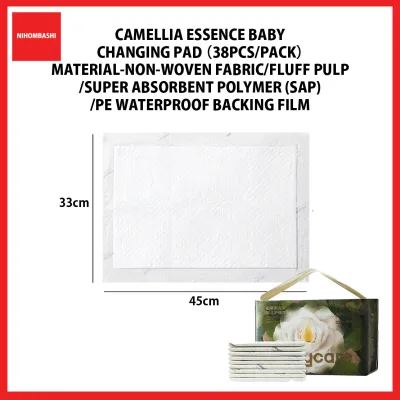
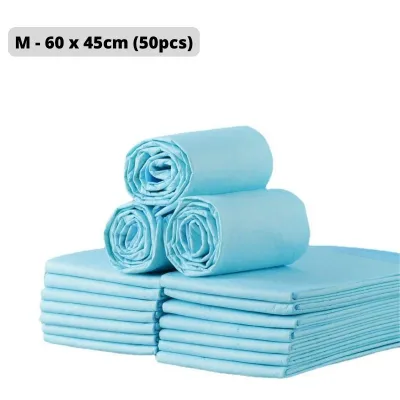

Prices are valid at publication and may change. Please refer to the product page for the latest price.
Portability requirements should also dictate your quality assessment based on your living space. If you reside in a compact apartment where multi-purpose furniture is essential, a heavy, rigid contoured pad might limit your flexibility. In contrast, lightweight, flexible pads with integrated carry handles or foldable designs allow you to establish a temporary changing station in any room. When evaluating these portable options, examine the durability of the folding joints and the resilience of the outer material to ensure they can withstand frequent packing and unpacking without cracking.
Safety Standards and Certifications to Verify
Navigating safety claims requires a methodical approach to product labels and manufacturer documentation. Because infants have sensitive skin and developing respiratory systems, verifying chemical safety is paramount. Look for recognized non-toxic material certifications on the product tag or official packaging. Certifications such as CertiPUR-US for foam cores or OEKO-TEX Standard 100 for fabric components indicate that the materials have been tested for harmful substances, including heavy metals, phthalates, and volatile organic compounds. Avoid products that lack clear material disclosures or rely solely on vague “eco-friendly” labeling.

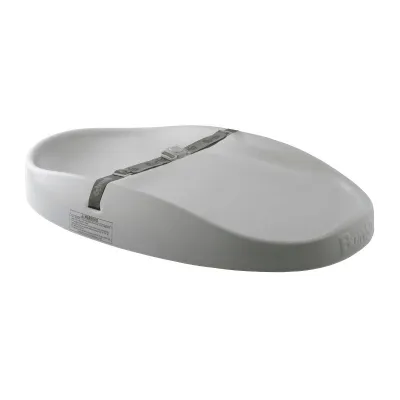
Physical safety features require close inspection of the pad’s structural design. A secure restraint strap system is vital for preventing sudden rolls, especially as infants become more active. Examine the buckle mechanism to ensure it requires sufficient force to open, preventing accidental release by an older sibling or the infant. The contoured edges of the pad should rise high enough—typically at least five to ten centimeters—to create a physical barrier that discourages rolling, though these contours must never replace active caregiver supervision.
Warning labels provide essential guidance on safe usage limits and environmental hazards. Responsible manufacturers permanently print or sew clear warning labels directly onto the pad’s surface or sides. These labels outline the maximum weight capacity, specify that the pad must only be used on flat, stable surfaces, and explicitly state that a child must never be left unattended, even for a brief moment. Before purchasing, verify that these warnings are legible and that the instructions clearly explain how to anchor the pad to your furniture using the provided safety straps or hardware.
Material and Design Trade-Offs
Selecting the right changing pad requires weighing the practical pros and cons of different material compositions. Wipeable synthetic surfaces, such as polyurethane-coated foam or solid silicone, offer unmatched convenience because they do not require a separate cover. You can clean spills immediately with a damp cloth or baby wipe, minimizing laundry loads. However, these synthetic surfaces can feel cold to the touch, which might startle a sleeping or sensitive infant during nighttime changes. To mitigate this, some parents place a thin, clean muslin cloth under the baby, though this adds an extra step to the process.
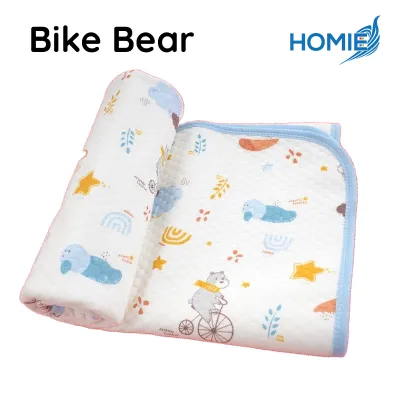
On the other hand, traditional foam pads with removable fabric covers provide a softer, warmer surface for your baby. These covers are often made from cotton, bamboo, or polyester blends that are gentle on delicate skin. The trade-off is the increased laundry burden; liquid messes will quickly soak through the cover, requiring you to strip and wash it frequently. If you choose this design, it is wise to purchase at least two or three spare covers to ensure you always have a clean one available while others are in the wash, and to verify that the inner foam has its own waterproof barrier.
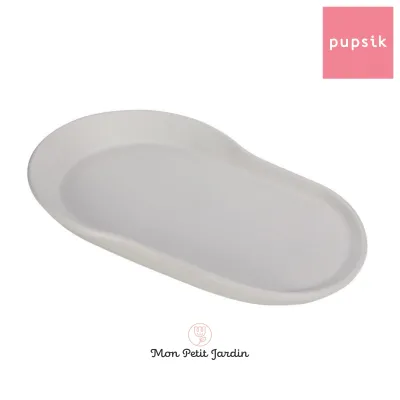
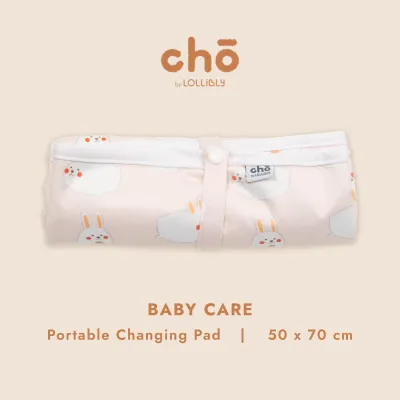
Design shapes also present distinct trade-offs between stationary containment and mobile flexibility. Contoured foam designs, which feature raised sides and a sunken center, excel at keeping the baby centered and secure during stationary nursery use. However, their bulky, rigid structure makes them entirely unsuitable for travel or quick moves around the home. Flat, foldable travel pads offer excellent portability and fit easily into diaper bags, but they lack the protective side barriers and thick cushioning of their stationary counterparts, making them better suited for temporary, supervised use on the go.
Assessing Value: Price Tiers and Feature Justification
Understanding what you get at different price points helps you determine where to allocate your nursery budget. Budget options, typically priced under S$30, focus on basic functionality and essential safety. These pads are often flat or lightly contoured, constructed from standard polyurethane foam covered by a thin vinyl or plastic waterproof layer. While they provide a sanitary surface and usually include a basic safety strap, they may wear out more quickly. The outer plastic cover can crack along the seams after a few months of heavy use, and the foam may lose its shape, making them best suited for occasional use or secondary changing stations.
Mid-range options, generally falling between S$30 and S$80, offer enhanced durability, improved aesthetics, and more practical maintenance features. In this tier, you will find thicker, more resilient contoured foam pads with high-quality waterproof coatings that resist staining and cracking. Many mid-range pads feature textured non-slip bases that grip furniture surfaces securely without requiring permanent hardware installation. The materials used are often softer to the touch than budget vinyl, reducing the need for fabric covers and simplifying your daily cleaning routine.
Premium options, priced above S$80, justify their cost through specialized materials, multi-functional designs, and extended manufacturer support. These products often utilize medical-grade silicone, organic cotton covers, or advanced molded foams that are completely PVC-free and hypoallergenic. Some premium designs feature integrated digital scales or modular toy bars to keep infants engaged during changes. Additionally, premium brands frequently offer longer warranty periods, reflecting confidence in the product’s structural integrity. If you plan to use the pad for multiple children over several years, investing in a premium model can offer better long-term value.
Decision Framework: Matching the Pad to Your Needs
To finalize your choice, evaluate your daily routine, home layout, and existing furniture. If you have a dedicated nursery with a sturdy changing table or a wide dresser, a contoured, wipeable pad is highly recommended. This setup prioritizes quick cleanups and provides a consistent, secure location for diaper changes. Ensure you measure the top surface of your furniture carefully before purchasing; the pad must fit entirely within the boundaries of the dresser top without any overhang, and you should have sufficient space to access diapering supplies safely.
If your living space is limited, or if you prefer to change your baby in different rooms throughout the day, a lightweight, flat, or foldable pad is the more practical choice. These pads can be easily stored in a drawer, slid under a crib, or carried from the living room to the bedroom. They are also ideal for families who travel frequently or split time between different households. When using a portable pad on elevated surfaces like a bed or sofa, always maintain physical contact with your baby to prevent falls, as these pads do not offer the same structural containment as contoured models.
Finally, always verify compatibility specifications if you plan to integrate the pad with a specific changing table or dresser brand. Many furniture manufacturers design their changing toppers to fit proprietary pad dimensions. Using an incorrectly sized pad can create dangerous gaps where an infant’s limbs could become trapped, or cause the pad to sit unevenly, compromising its stability. Check the exact length, width, and height specifications provided by both the furniture and pad manufacturers to ensure a seamless, secure fit that guarantees peace of mind.
Frequently Asked Questions (FAQ)
Do I need a dedicated changing table, or can I use a dresser?
You do not need a dedicated changing table; a standard dresser can serve as an excellent changing station provided it meets key safety criteria. First, measure the dresser’s depth and surface area to ensure the changing pad fits completely flat without any overhang. The dresser must be sturdy and heavy enough that it cannot tip over, and it is highly recommended to anchor the furniture to the wall. To prevent the pad from sliding, secure it to the back of the dresser using the manufacturer-provided safety straps or a non-slip pad underneath. Finally, ensure the dresser height is comfortable for your posture to prevent back strain during frequent changes.
How often should I replace a diaper changing pad?
A diaper changing pad should be replaced immediately if you observe any signs of physical damage or wear that compromise safety or hygiene. Inspect the outer waterproof layer regularly for cracks, tears, or peeling seams, as these openings allow moisture to penetrate the inner foam, creating an environment for mold and bacteria to grow. You must also replace the pad if the safety straps become frayed, the buckle fails to latch securely, or the non-slip backing loses its grip. If the inner foam becomes permanently compressed or fails to support your baby’s weight, it is time to invest in a replacement to ensure proper comfort and safety.

Community discussion
Share your experience or ask a question. Comments are reviewed before publication.