
Selecting the right training pants for girls is a pivotal milestone in the potty training journey, requiring parents to balance functional performance with environmental values. As families transition away from single-use disposable diapers, cloth training pants emerge as an excellent alternative that minimizes landfill waste while supporting a child’s developmental progress. However, navigating the market reveals a complex trade-off: no single material or design perfectly maximizes high-volume absorbency while remaining entirely biodegradable and minimally processed. Finding the ideal balance involves understanding how different fabrics perform under pressure, how they fit your child’s anatomy, and how their manufacturing processes impact the planet.
For parents seeking a quick decision framework, the choice often comes down to your primary potty training goals and daily routine. If your highest priority is strict biodegradability, minimal chemical processing, and immediate wetness feedback to accelerate learning, choosing brands that utilize 100% organic cotton is the most sustainable path, though it requires more frequent changes. Conversely, if you need to manage heavier accidents during active play, travel, or preschool hours, selecting bamboo-blend or hybrid waterproof designs provides the necessary absorbency and leak containment, helping you significantly reduce waste compared to disposables. Ultimately, the true environmental footprint of any cloth training pant is determined by its overall durability and how it is laundered over its life cycle.
How to Evaluate Absorbency and Leak Protection for Girls
Evaluating the absorbency of cloth training pants girls require requires looking closely at the internal construction rather than relying on vague marketing terms like “super-absorbent.” The core of any high-quality training pant is its absorbent gusset, which typically ranges from three to five layers of fabric. A three-layer core is generally thinner, offering a trimmer fit under clothing and faster drying times, but it is only suitable for minor dribbles or children who are already highly aware of their bodily cues. A five-layer core provides substantially more holding capacity, making it safer for the early stages of training or longer outings, though it adds noticeable bulk and extends laundering drying times significantly. When evaluating these layers, parents should check the manufacturer’s specifications to verify whether the core is made of natural fibers, microfiber, or a synthetic blend, as each material handles liquid flow differently.
Products mentioned in this guide
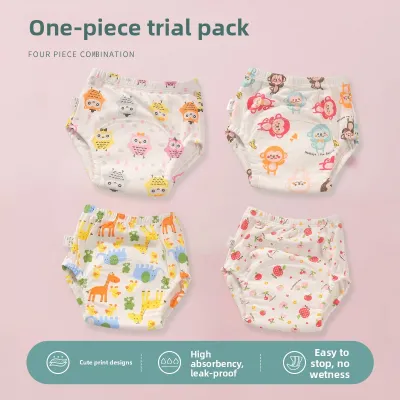
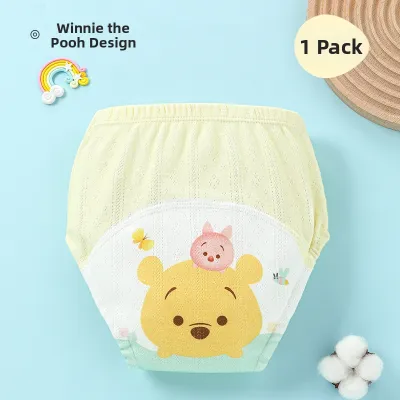
![[LIL BUBBA] 6 LAYERS BABY TOILET TRAINING PANTS 100% COTTON](https://img.lazcdn.com/g/p/c56b2007b3a393656d4eb854930b5adb.jpg_400x400q80.jpg_.webp)
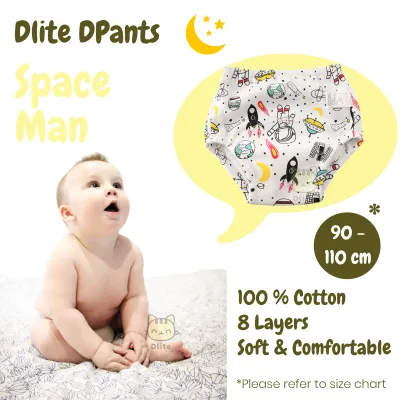
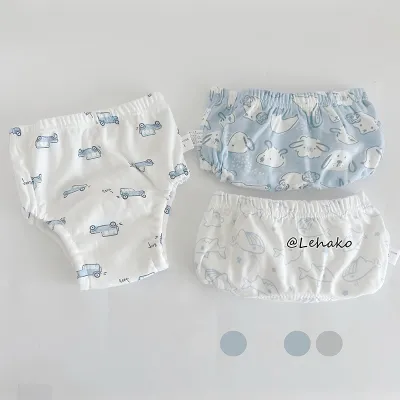
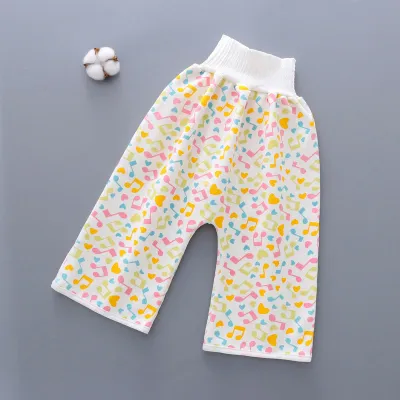
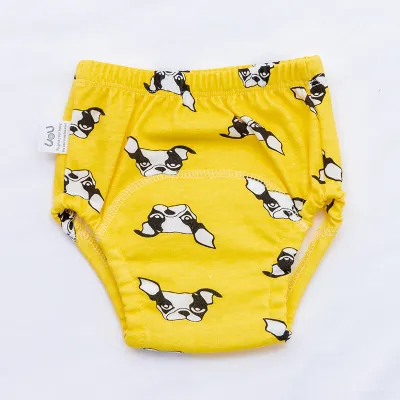
![SG REady Stock BLO007 Baby Toddler Boys Girls Potty Training Pants Underwear [Little Gems] Polyester](https://img.lazcdn.com/g/p/9961afe7f5231e80e53be025331edae7.jpg_400x400q80.jpg_.webp)
Prices are valid at publication and may change. Please refer to the product page for the latest price.
Anatomy plays a critical role in how effectively training pants contain accidents, making a girl-specific fit essential for reliable leak prevention. Girls tend to release urine downward and slightly forward, meaning the central and lower-front sections of the wetness zone require the most immediate absorption. To accommodate this, look for training pants that feature a slightly lower rise in the front combined with a wide, contoured crotch area that keeps the absorbent core flat against the body. Furthermore, the leg openings must feature snug, stretchy elastic gussets that form a gentle but secure seal around the thighs. If the leg elastics are too loose, liquid will escape along the side before the core has time to absorb it, particularly when the child is sitting, climbing, or running.
Another critical factor to consider is the presence of a wetness sensation liner versus a stay-dry barrier. Traditional cloth training pants intentionally omit stay-dry layers, leaving natural cotton or bamboo directly against the child’s skin. This design ensures that when an accident occurs, the child immediately feels the cold, damp sensation, which is a vital sensory cue that helps connect the physical sensation of bladder release with the cognitive awareness of needing to use the toilet. On the other hand, some hybrid brands incorporate a microfleece or suede-cloth stay-dry liner that wicks moisture away from the skin. While this protects sensitive skin from prolonged wetness, it can delay potty training progress because the child remains comfortable and unaware of minor accidents.
To make an informed purchase, parents must look past generic packaging claims and actively verify the physical specifications of the training pants. Always check the manufacturer’s detailed product listings for the exact number of absorbent layers and the specific materials used in the inner lining. Additionally, because fit is the ultimate barrier against leaks, carefully measure your child’s waist and upper thighs, then compare these measurements against the brand’s weight and size charts. A poorly fitting pair of training pants, regardless of how many absorbent layers it contains, will inevitably leak if the leg bands do not sit flush against the skin.
How to Verify Sustainability and Material Sourcing
When evaluating the environmental impact of cloth training pants, parents must look beyond green packaging and critically assess the entire lifecycle of the materials used. The three most common fibers in this category—conventional cotton, organic cotton, and bamboo viscose—each carry distinct ecological footprints. Conventional cotton is highly pesticide-intensive and water-demanding. Organic cotton, by contrast, is grown without synthetic pesticides or fertilizers, preserving soil health and reducing water consumption. Bamboo is often marketed as the ultimate sustainable fiber because the plant grows incredibly fast without chemicals; however, transforming tough bamboo stalks into soft fabric typically requires an intensive chemical process known as the viscose method, which can release harmful solvents unless conducted in a closed-loop system.

To ensure that a brand’s sustainability claims are legitimate, parents should look for verifiable, independent textile certifications. The Global Organic Textile Standard (GOTS) is the gold standard for organic fibers, ensuring not only that the raw material was grown organically but also that the entire manufacturing process met strict environmental and social criteria. Another vital certification is the OEKO-TEX Standard 100, which tests the finished textile for hundreds of harmful substances, ensuring that the fabric touching your child’s skin is free from toxic levels of chemicals, heavy metals, and formaldehyde. Because certifications are dynamic and can change or expire, it is important to verify these claims on the brand’s official website or by checking the certification database using the brand’s unique license number.
A truly sustainable product design must also account for its end-of-life disposal and the presence of non-biodegradable components. While the primary body of a training pant may consist of organic cotton or bamboo, practical features like plastic snaps, polyester sewing threads, synthetic elastics, and polyurethane laminate (PUL) waterproof backings prevent the garment from being 100% biodegradable. When these pants eventually wear out, these synthetic elements will persist in landfills. To mitigate this, some forward-thinking brands offer take-back or recycling programs, while others design their pants with removable natural-fiber inserts that can be composted once the synthetic outer shell is retired. Understanding these material limitations helps parents make realistic choices about how to manage the product’s eventual disposal.
Comparing Mainstream Brand Designs: Cotton, Bamboo, and Hybrids
The market for cloth training pants is broadly divided into three primary design routes, each representing a different compromise between absorbency, skin sensation, and environmental impact. Understanding these categories allows parents to match the design of the pants to their daily routine and ecological goals.
The 100% organic cotton route is favored by families who prioritize minimal chemical processing and maximum biodegradability. These training pants feature an outer shell and an inner absorbent core made entirely of natural, unbleached organic cotton. Because cotton fibers are highly breathable and free from synthetic coatings, they offer excellent wetness feedback, ensuring the child feels damp immediately after an accident. However, organic cotton has a lower total liquid capacity compared to bamboo or synthetic blends, meaning these pants are prone to leaking during full bladder releases. To compensate, some designs are quite bulky, layering multiple sheets of cotton together, which can restrict movement and take longer to dry.
The bamboo-blend route offers a middle ground, utilizing a blend of bamboo viscose and organic cotton for the inner absorbent core. Bamboo fibers absorb moisture rapidly and hold more liquid per ounce than pure cotton. This high absorbency-to-thickness ratio allows manufacturers to design trimmer pants that fit easily under standard clothing while still providing reliable protection against moderate accidents. The primary trade-off lies in the manufacturing process: parents must verify whether the brand sources its bamboo fabric from facilities utilizing closed-loop systems that recycle chemical solvents rather than discharging them into the environment.
The hybrid/waterproof route is designed for maximum leak protection, making it popular for travel and preschool. These pants feature a cotton or bamboo core with a hidden layer of polyurethane laminate (PUL) or polyester thermoplastic polyurethane (TPU) between the core and the outer cotton shell. This synthetic waterproof barrier prevents liquid from seeping through to outer clothing, providing a crucial safety net during outings. While practical, this design represents a compromise in sustainability, as the synthetic waterproof layer is not biodegradable and can degrade over time if washed at high temperatures.
| Design Route | Primary Core Material | Absorbency Capacity | Wetness Feedback | Leak Protection | Eco-Friendliness & Biodegradability |
|---|---|---|---|---|---|
| 100% Organic Cotton | Organic Cotton | Moderate to Low | Immediate & High | Low (No waterproof barrier) | High (Fully biodegradable excluding elastics) |
| Bamboo-Blend | Bamboo Viscose & Cotton | High | Immediate & High | Moderate (May damp through) | Moderate (Requires closed-loop verification) |
| Hybrid/Waterproof | Cotton/Bamboo with PUL | High | Variable (Depends on liner) | High (Waterproof barrier included) | Low to Moderate (Synthetic layers persist) |
Decision Framework: Which Design Route Fits Your Potty Training Stage?
Choosing the right training pants design depends heavily on where your child stands in their potty training journey, as well as your daily environmental priorities. There is no need to commit to a single style for the entire process; many families find that a mixed stash of different designs provides the best balance of convenience and sustainability as their child’s skills progress.
You should choose the 100% organic cotton route if your child is in the early, active stages of potty training and primarily stays at home. At this phase, the primary goal is cognitive awareness: your child needs to immediately associate the act of urinating with the uncomfortable sensation of wet fabric against their skin. Because you are at home, immediate clothing changes are easy to manage, making the lack of a waterproof barrier a minor inconvenience. This route is also ideal for families whose primary environmental goal is to avoid synthetic plastics and ensure that their baby gear leaves the smallest possible ecological footprint when its useful life is over.
Opt for the bamboo-blend route if your child is comfortable with the concept of using the toilet but still experiences occasional heavy accidents, or if you require a trimmer-fitting pant that slides easily under tight-fitting leggings or school uniforms. The superior absorbency of bamboo blends allows for a slim profile without sacrificing containment, making it an excellent choice for active toddlers who find bulky cotton pants restrictive. This option is best suited for parents who want a balance of high performance and naturally derived materials, provided they take the extra step to verify the brand’s chemical processing and environmental standards.
Select the hybrid/waterproof route if your child is in the final stages of potty training, is transitioning to regular underwear, but still needs a reliable safety net for high-stakes situations. This style is invaluable for preschool attendance, long car trips, grocery shopping, or naptime, where a sudden leak could cause significant disruption or soil expensive car seats and mattresses. While the inclusion of a synthetic PUL layer reduces the overall biodegradability of the pant, the practical benefit of preventing soiled outer clothing often outweighs the ecological trade-off for busy families, helping them avoid reverting to fully disposable pull-up diapers.
Regardless of the design route you choose, always verify the compatibility of the materials if your child has sensitive skin, eczema, or a history of contact dermatitis. Natural fibers like organic cotton and bamboo are inherently gentle, but they can trap detergent residues, fabric softeners, or hard water minerals if not laundered correctly. This buildup can cause friction, trap bacteria, and lead to severe skin irritation. If your child develops persistent redness or a rash in the diaper area, stop using the training pants immediately, review your washing routine, and consult a pediatrician or qualified healthcare professional to rule out underlying skin conditions or allergies.
Care and Maintenance to Maximize Lifespan and Eco-Benefits
The environmental benefits of cloth training pants are only fully realized when the garments are used repeatedly and maintained properly to maximize their lifespan. Throwing away damaged or prematurely worn-out cloth pants defeats the purpose of choosing a reusable option, as the manufacturing of natural fibers still requires substantial resources. Proper care begins with a consistent, low-risk washing routine designed to thoroughly clean the fabrics without degrading their structural integrity. Start with a cold pre-rinse or short cycle without detergent to flush out waste and prevent organic stains from setting. Follow this with a warm or hot main wash cycle using a cloth-safe, eco-friendly detergent that is free from enzymes, optical brighteners, and synthetic fragrances, which can leave residues that clog the fabric pores and reduce absorbency.
Drying practices also play a major role in both energy conservation and fabric longevity. Whenever possible, line-dry your training pants outdoors in direct sunlight. Sunlight acts as a natural sanitizer and a highly effective, eco-friendly stain fader, utilizing UV rays to gently bleach out yellow discoloration without damaging the fibers. However, in highly humid climates like Singapore, indoor line-drying can take a long time, potentially leading to a musty smell or mildew growth if the thick absorbent cores remain damp for more than 24 hours. In such environments, or during rainy seasons, machine drying on a low-heat setting is an acceptable alternative, provided you check the manufacturer’s care label first. High heat must be avoided, as it can melt or crack the delicate PUL waterproof layers and dry out natural elastics, causing them to lose their stretch and fail prematurely.
To keep your training pants smelling fresh and functioning optimally, avoid using harsh chemical bleach, fabric softeners, or dryer sheets. Fabric softeners work by coating fibers with a thin, water-repellent chemical layer, which will quickly ruin the absorbency of the cotton or bamboo core and lead to immediate leaks. If you encounter stubborn stains or persistent odors, opt for a gentle oxygen-based bleach or sun-bleaching instead of chlorine bleach, which can weaken natural fibers over time. If a musty odor develops due to slow drying times, a sanitizing cycle or an occasional wash with a specialized cloth-safe laundry sanitizer can restore the fabric.
Ultimately, the absolute best way to maximize the sustainability of your cloth training pants is to extend their usable life beyond your own child’s potty training phase. High-quality natural fiber pants are built to last through hundreds of wash cycles. Once your daughter has successfully transitioned to standard underwear, wash the training pants thoroughly, ensure they are completely dry, and store them in a breathable container. You can then pass them down to younger siblings, donate them to local family shelters, or sell them in secondhand parenting communities. Keeping these garments in circulation and out of landfills is the single most impactful action you can take to honor your environmental commitment.
Frequently Asked Questions (FAQ)
Are bamboo cloth training pants more absorbent than organic cotton?
Yes, bamboo viscose fibers generally absorb moisture faster and hold more liquid per ounce than organic cotton, allowing for a trimmer design with fewer layers. However, the total absorbency of any training pant is ultimately determined by its physical construction rather than the raw material alone. A multi-layered organic cotton pant will often hold more liquid than a thin, single-layer bamboo blend. When shopping, always verify the specific fabric blend ratio—such as a 70% bamboo and 30% cotton blend—and the exact number of absorbent layers in the core to ensure the product matches your child’s needs.
How many pairs of cloth training pants should I buy for potty training?
For most families, a baseline stash of 6 to 10 pairs of cloth training pants is ideal, assuming you wash laundry every other day. This quantity ensures you have enough clean pants to handle multiple daily accidents while allowing dirty pairs sufficient time to wash and dry completely. If you live in a highly humid climate where line-drying takes longer, or if you prefer to wash laundry only once or twice a week, you may need to increase your stash to 12 or 15 pairs. It is highly recommended to start by purchasing a small batch of two or three different brands or materials to test the fit, absorbency, and drying times before investing in a full set.

Community discussion
Share your experience or ask a question. Comments are reviewed before publication.