
When comparing popular changing table brands, there is rarely a single “best” option. The right choice depends on how a brand’s specific features, material quality, and long-term convertibility align with your nursery space, budget, and parenting style. Some brands focus on minimalist, space-saving designs, while others prioritize heavy, heirloom-quality wooden dressers that transition into adolescent furniture. By evaluating these options through a structured framework of storage, materials, safety, and longevity, you can select a changing table that keeps your baby secure and your nursery organized.
Core Features to Compare Across Brands
The daily reality of diaper changes requires a highly functional setup where everything you need is within arm’s reach. When comparing brands, the storage configuration is often the first major differentiator. Some brands design tables with completely open shelving, which allows you to grab diapers, wipes, and fresh onesies instantly without opening drawers. However, open shelves expose your supplies to dust and can look cluttered if not organized with storage baskets. Conversely, brands that offer closed drawers or cabinets keep clutter hidden and protect baby items from dust, though they require a bit more effort to open while keeping one hand securely on your baby.
Another critical feature to compare is changing pad compatibility. Many popular furniture brands design their changing tables with specific recessed top dimensions. While some brands accommodate standard, universal changing pads that you can buy from any retailer, other brands design their tables to fit only their proprietary, custom-sized pads. Opting for a brand that requires a proprietary pad can limit your choices and increase your overall costs, as replacement pads or specialized covers may be more expensive and harder to find. Always check the exact interior dimensions of the changing topper before purchasing to ensure you are not locked into a single, costly ecosystem.
Products mentioned in this guide
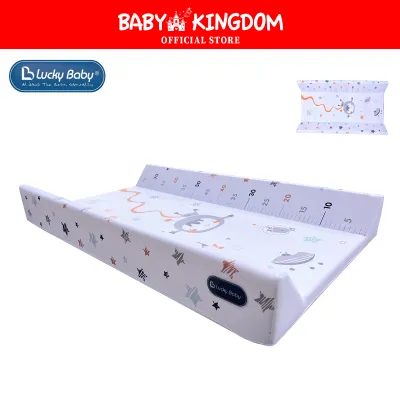
Prices are valid at publication and may change. Please refer to the product page for the latest price.
Mobility and footprint are equally important, especially if you are working with a compact nursery layout or plan to move the table between rooms. Some brands equip their standalone changing tables with lockable casters, allowing you to roll the station from the nursery to the living room or bathroom as needed. If mobility is a priority, verify that the wheels lock securely to prevent any movement during use. For stationary models, compare the overall footprint against your available floor space. Some brands offer slim, vertical designs that maximize height, while others feature wide, low-profile dressers that require a significant amount of wall space but offer a larger, more stable surface area.
Evaluating Build Quality and Safety Standards
A changing table must be structurally sound to support your growing baby safely over several years. Material composition is the primary indicator of durability and build quality. Premium brands often construct their furniture from solid hardwoods, such as beech, birch, or pine, which offer exceptional strength and longevity but come with a heavier weight and a higher price tag. Mid-range and budget brands frequently utilize high-density fiberboard (MDF) or particleboard finished with veneers. While high-quality MDF can be highly durable and resistant to warping from humidity, lower-grade particleboard may degrade quickly, especially when exposed to moisture from accidental spills or frequent cleaning.

Weight capacity and stability are critical safety factors that vary significantly across brands. Every manufacturer must state a maximum weight limit for their changing tables, which typically ranges from 9 kilograms to 15 kilograms or more. It is vital to verify this limit in the product documentation to ensure it accommodates your child’s expected growth. Additionally, because changing tables can become top-heavy when a baby is placed on top, structural stability is paramount. Look for brands that explicitly include mandatory anti-tip wall anchor kits and provide clear instructions on how to secure the furniture to your specific wall type.
Safety certifications should never be assumed based on brand reputation alone. When comparing brands, instruct yourself to look for recognized regional safety standards and compliance labels on the product packaging, website, or instruction manual. Depending on your region, these may include certifications from organizations such as the Juvenile Products Manufacturers Association (JPMA) in North America, or compliance with European Standards (EN 12221) or local consumer product safety regulations. These certifications verify that the product has undergone testing for structural integrity, barrier heights, and the absence of hazardous substances.
The quality of the finish and hardware is another area where brands diverge. Because babies frequently touch and even teething-gnaw on furniture edges, you must verify that all paints, stains, or finishes are certified non-toxic and lead-free. During assembly or inspection, check that all screws, joints, and guardrails feel completely secure. High-quality brands use metal-to-metal hardware connections rather than screwing directly into engineered wood, which can strip over time. Ensure the guardrails around the changing surface are continuous and rise high enough to prevent a rolling baby from slipping, though you must still maintain constant physical contact with your child during every change.
Assessing Long-Term Value and Convertibility
For many parents, investing in a changing table is only justifiable if the furniture can serve a purpose beyond the diaper-wearing years. Convertible designs are highly popular among brands aiming to offer long-term value. Many premium brands design their changing tables as standard dressers with a removable changing topper. Once your child outgrows diapers, you can simply unscrew the topper from the back, leaving a clean, flat-topped dresser that fits seamlessly into an older child’s bedroom or even a guest room. Other brands offer convertible units that transition into shelving units, toy storage chests, or small study desks, extending the product’s lifespan significantly.
Modular ecosystems are another way brands build value into their product lines. Some manufacturers design their nursery furniture to be part of a cohesive collection, allowing you to purchase matching cribs, wardrobes, or hutches over time. This modular approach is highly beneficial if you prefer a unified aesthetic in your nursery. Additionally, some brands offer interchangeable hardware, such as drawer pulls or legs, allowing you to update the look of the furniture as your child grows. When evaluating these ecosystems, consider whether the brand is established enough to ensure that matching pieces and accessories will still be available for purchase in the future.
Warranty and customer support are often overlooked but serve as excellent indicators of a brand’s confidence in its build quality. Compare the length and coverage of the manufacturer’s warranty across different brands. While budget brands may only offer a basic 90-day warranty, premium brands often provide multi-year warranties that cover structural defects, finish peeling, and hardware replacements. A robust warranty can save you significant hassle and expense if a drawer slide breaks or a joint becomes loose after a year of heavy daily use. Check online customer feedback specifically regarding how responsive the brand’s customer service is when handling replacement part requests.
Decision Framework: Matching Brands to Your Nursery Needs
To narrow down your choices, it is helpful to match specific brand characteristics to your unique household constraints and parenting goals. If you view nursery furniture as a long-term investment and have the budget to support it, a premium convertible brand is often the most practical choice. These brands offer solid wood construction, non-toxic finishes, and removable toppers that allow the unit to transition into a standard bedroom dresser. This option is ideal if you want a cohesive, high-quality look that will last through multiple childhood stages or can be passed down to future siblings.
If you are working with a strict budget, have limited space, or only plan to use a dedicated changing station for a short duration, a budget-friendly, standalone model is highly suitable. These tables are typically lightweight, feature open shelving for quick access, and have a much smaller footprint. While they may not offer the heirloom durability of solid wood, they provide a highly functional, dedicated space for diaper changes without a major financial commitment. Once your child outgrows the table, it can often be repurposed as light storage in a laundry room or closet.
For homes where floor space is severely restricted, compact, wall-mounted, or fold-down alternatives from specialized brands are excellent solutions. These units fold flat against the wall when not in use, preserving valuable floor space in small apartments or shared bedrooms. However, when choosing a wall-mounted model, you must verify that your wall structure can support the weight of both the unit and your growing baby, and ensure that installation is performed precisely according to the manufacturer’s instructions.
Before committing to any base unit, always verify the availability and cost of the brand’s proprietary accessories. If a brand requires a custom-sized contoured pad, check whether these pads and their matching covers are readily available in your local market and fit within your overall budget. Factoring in the ongoing cost of specialized accessories can prevent unexpected expenses and ensure your changing station remains fully functional and comfortable for your baby.
Frequently Asked Questions (FAQ)
Do I need to buy the same brand's changing pad?
You do not necessarily need to buy the same brand’s changing pad, provided the pad you choose fits securely within the changing table’s recessed top. Many brands design their tables to accommodate standard universal changing pads, which are widely available and cost-effective. However, some brands feature unique or compact dimensions that require proprietary contoured pads. Before purchasing, always measure the interior dimensions of the changing area and compare them to the pad’s specifications. For safety, the pad must sit completely flat without bending, and it should feature a non-slip base or a secure attachment strap to prevent shifting during use.
Are expensive changing table brands always safer?
An expensive price tag does not automatically guarantee superior safety. A changing table’s safety is determined by its structural design, weight capacity, stability, and adherence to recognized safety standards, rather than its retail price. Many budget-friendly brands manufacture tables that fully comply with rigorous safety certifications. Regardless of the brand’s price point, you must verify the inclusion of anti-tip wall anchor hardware, check the manufacturer’s stated weight limits, and look for official safety compliance labels on the packaging. Proper assembly, regular hardware checks, and constant caregiver supervision are the most critical factors in keeping your baby safe.

Community discussion
Share your experience or ask a question. Comments are reviewed before publication.