
Comparing bzubzu cleanser to other baby bottle washes in Singapore requires looking at ingredient transparency, cleaning performance on milk fats, material compatibility, and overall value. Because individual baby sensitivities and bottle materials vary, parents must evaluate these products by checking labels for plant-based surfactants, verifying dermatological claims, and calculating the cost per wash based on recommended dosages.
By establishing a clear set of comparison criteria, you can confidently choose a cleanser that fits your daily routine. This guide outlines how to assess ingredient safety, test cleaning effectiveness, and make an informed decision based on your household’s specific needs.
Key Criteria for Choosing a Baby Bottle Cleanser
Evaluating any baby bottle wash begins with understanding what goes into the formula and how it interacts with feeding equipment. Unlike standard dishwashing liquids, a dedicated baby bottle cleanser must balance effective cleaning power with mild, easily rinsable ingredients that leave no harmful residues behind.
Products mentioned in this guide
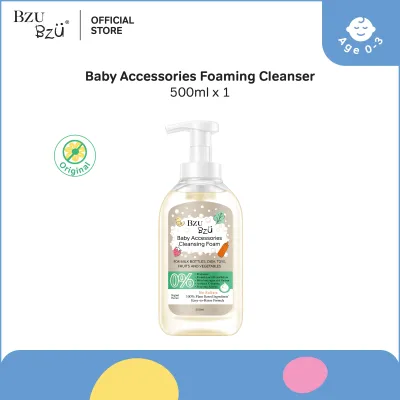
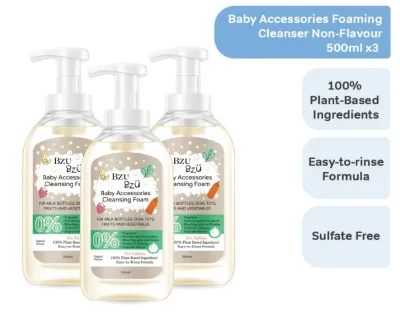
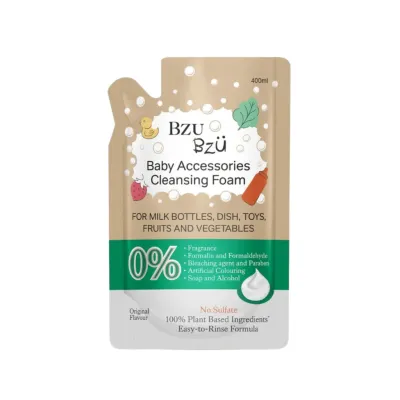
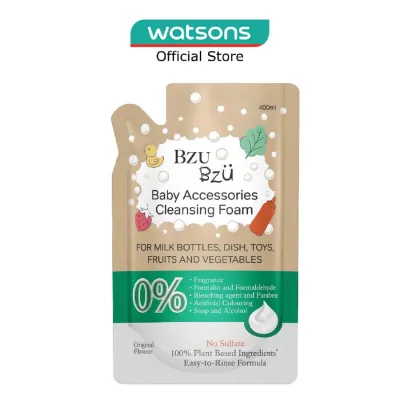
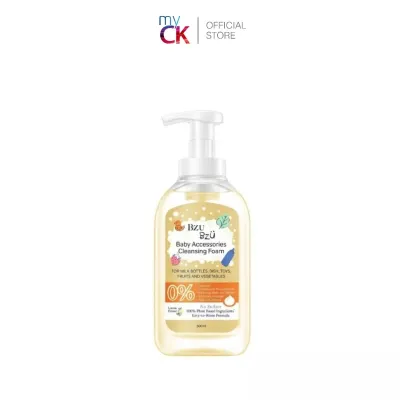
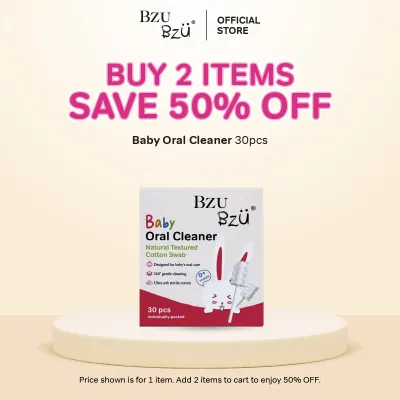
Prices are valid at publication and may change. Please refer to the product page for the latest price.
Safety markers on the product label are the first line of defense. Parents should look for explicit statements regarding dermatological testing and the absence of harsh synthetic additives, such as parabens, synthetic dyes, and sodium lauryl sulfate (SLS). These additives can sometimes trigger skin irritation in sensitive infants or leave a chemical scent on feeding gear.
Cleaning effectiveness is another critical pillar. Breast milk and infant formula contain complex fats and proteins that naturally cling to plastic and glass surfaces. A high-quality cleanser must contain surfactants capable of emulsifying these stubborn fats, allowing them to wash away easily without requiring excessive scrubbing that could scratch the bottles.
Material compatibility is equally important. Modern feeding equipment utilizes a variety of materials, including traditional glass, polyphenylsulfone (PPSU), polypropylene (PP), and food-grade silicone. The cleanser you choose must be formulated to clean these surfaces gently, ensuring it does not cause cloudiness, degradation, or premature wear on delicate nipple valves and pump parts.
How to Compare bzubzu Cleanser with Other Brands
To determine whether bzubzu cleanser or an alternative brand is the right fit for your home, you can use a structured comparison method. This involves analyzing physical product labels, observing how the liquid behaves during use, and calculating the actual cost based on your daily washing volume.

Evaluating Ingredients and Safety Labels
When comparing bzubzu cleanser to other brands, start by reading the ingredient deck on the back of the packaging. Look for the specific types of surfactants used in the formula. Plant-derived surfactants, such as decyl glucoside, coco-glucoside, or those derived from coconut and corn, are highly regarded for their ability to break down milk residues while remaining gentle on the hands of the caregiver.
Next, verify any sensitive-skin or allergy-friendly claims made on the bottle. Rather than relying solely on front-label marketing terms, look for recognized certification logos or statements indicating independent dermatological testing. These markings provide assurance that the formula has undergone standardized evaluations to minimize the risk of skin reactions.
If your baby has a history of eczema, extremely sensitive skin, or respiratory allergies, it is wise to cross-reference the listed ingredients with your pediatrician’s advice. Some infants may react to even mild natural fragrances or specific plant extracts, making a completely fragrance-free, simplified ingredient list the preferred choice for your specific situation.
Checking Cleaning Effectiveness and Compatibility
To assess how well a cleanser performs in your kitchen, observe the clarity of your bottles after they have been washed and dried. Hold a washed PPSU or glass bottle up to natural light; a quality cleanser should leave the surface completely clear, with no greasy film, water spots, or cloudy patches that indicate leftover milk fat.
Scent retention is another practical indicator of cleanliness. After the bottle has completely air-dried, take a brief sniff of the interior. There should be no lingering sour milk odor, nor should there be a heavy perfume scent from the cleanser itself, as strong artificial fragrances can sometimes cause babies to reject their milk.
Always consult the manufacturer’s instructions for both the cleanser and your feeding gear to ensure compatibility. Some specialized silicone parts or high-end plastics have specific chemical tolerances. If you are dealing with heavily soiled bottles or dried-on formula, check the cleanser’s label for specific pre-soaking instructions, as adjusting the water temperature or soaking time can significantly improve results without needing to increase the chemical concentration.
Assessing Value, Sizes, and Availability
Calculating the true value of a baby bottle cleanser involves looking beyond the initial retail price. To find the most cost-effective option, compare the recommended dosage instructions on the packaging against the total volume of the bottle to determine the cost per wash.
For example, a highly concentrated formula that only requires a single pump per wash may last significantly longer than a larger, diluted bottle that requires multiple capfuls. Use the retail price in S$ to calculate how many washing cycles you get per dollar, which gives a much more accurate picture of long-term household expenditure.
Packaging design also plays a major role in daily convenience. A sturdy pump bottle is often preferred for busy kitchen sinks, allowing you to dispense the cleanser easily with one hand while holding a dirty bottle in the other. Check if the brand offers large refill pouches, which are typically more economical and environmentally friendly than purchasing a new plastic pump bottle every time.
Finally, consider how easy it is to restock the product in Singapore. A cleanser that is readily available at your local neighborhood supermarket or department store offers greater peace of mind than a niche brand that can only be sourced from specific online marketplaces. If your household washes a high volume of bottles and breast pump parts daily, look for brands that offer bulk-buy bundles or subscription options to ensure you never run out unexpectedly.
Decision Framework: When to Choose bzubzu or Alternatives
You should choose bzubzu cleanser if its specific plant-based surfactant profile, convenient packaging sizes, and verified safety labels align with your personal preferences and daily washing routine. It is an excellent option for parents who appreciate a formula that balances effective milk-fat removal with gentle skin compatibility for daily hand-washing.
On the other hand, you may want to opt for an alternative brand if your household requires a completely fragrance-free formula, or if you prefer a brand that carries a specific international organic certification that bzubzu does not currently feature. Additionally, if you find another reputable brand offered in larger bulk quantities that fit your budget better, that may be the more practical choice.
Before making your final purchase, always verify if your baby has any pre-existing skin conditions that require a highly specialized, pediatrician-approved washing regimen. You should also check if your specific brand of breast pump or bottle has unique material guidelines that require a cleanser with a specific pH level or surfactant composition.
Best Practices for Washing and Rinsing Baby Bottles
Regardless of the cleanser brand you select, employing proper washing techniques is essential for maintaining excellent feeding hygiene. Always wash your hands thoroughly with soap and water before handling any clean bottle components or pump parts.
Use a set of dedicated bottle and nipple brushes that are reserved exclusively for baby items to prevent cross-contamination from family dishes. Pay close attention to hard-to-reach areas, such as the bottle neck, the screw threads where the collar attaches, and the delicate inside curves of the silicone nipple valves where milk residue easily accumulates.
After scrubbing, rinse every component thoroughly under clean, running tap water. Ensure all soap suds are completely gone, as any leftover cleanser residue can affect the taste of the milk and potentially irritate your baby’s digestive tract. In Singapore’s warm and humid climate, place the rinsed parts on a clean, dedicated drying rack in a well-ventilated area to dry completely, preventing the growth of mold or bacteria.
If you ever notice your baby developing unexplained skin redness or irritation around the mouth, or if your bottles retain a persistent sour odor despite meticulous washing, stop using the current cleanser immediately. Clean the equipment thoroughly with hot water, and consult a qualified healthcare professional or pediatrician for guidance.
Frequently Asked Questions (FAQ)
Can I use regular dish soap instead of a dedicated baby bottle cleanser?
Regular dish soaps are formulated to strip heavy grease from adult cookware and often contain strong anionic surfactants, synthetic dyes, and intense perfumes. These ingredients can be difficult to rinse completely from plastic baby bottles, potentially leaving behind a chemical residue that a sensitive infant might ingest. Dedicated baby bottle cleansers typically use milder, food-grade, or plant-derived surfactants designed to rinse away cleanly with minimal water, reducing the risk of chemical ingestion and skin irritation.
Do I still need to sterilize bottles if I use a high-quality cleanser?
Yes, cleaning and sterilizing are two distinct and necessary steps in bottle maintenance. A high-quality cleanser is designed to physically lift and remove organic matter, such as milk fats, proteins, and sugars, which would otherwise shield bacteria from heat or light. Sterilization, whether through steam, boiling water, or a UV sterilizer, is the step that actually eliminates remaining microscopic pathogens. Always clean the bottles thoroughly with a cleanser first, then follow the sterilization guidelines provided by your bottle manufacturer and local health authorities.

Community discussion
Share your experience or ask a question. Comments are reviewed before publication.