
Selecting a storage bag for baby essentials is one of the most critical gear decisions for parents in Singapore. With a vast array of international and local diaper bag brands available, finding the right balance between storage capacity, organizational features, and daily comfort requires looking beyond aesthetics. The ideal bag is not a universal solution; it depends entirely on your family’s daily routine, the number of children in your care, and your primary mode of transit. Navigating the MRT network, boarding public buses, or loading a car boot in Singapore’s warm, humid climate all demand different design priorities. To make an informed choice, parents must evaluate three core dimensions: usable volume, compartment logic, and material weight.
When comparing popular brands, it is easy to get overwhelmed by marketing claims of “maximum capacity” or “ultimate organization.” A systematic approach to comparing these products ensures you invest in a bag that simplifies outings rather than adding unnecessary bulk. By understanding how different brands structure their storage space and what materials withstand daily wear, you can confidently select a bag that fits your lifestyle.
Assessing True Capacity Needs for Your Baby Storage Bag
When evaluating a storage bag for baby items, understanding the difference between stated capacity and usable space is crucial. Many brands advertise their bags using liter measurements, typically ranging from 15 to 30 liters. However, a bag’s shape and structural rigidity heavily influence how much gear you can actually pack. For instance, bags with rigid metal frames or stiff structured panels maintain their shape beautifully but offer very little flexibility when you need to squeeze in an extra swaddle or a bulky toy. Conversely, bags made from flexible, unstructured fabrics can stretch to accommodate irregular items, though they may bulge and become uncomfortable to carry if overpacked.
Products mentioned in this guide
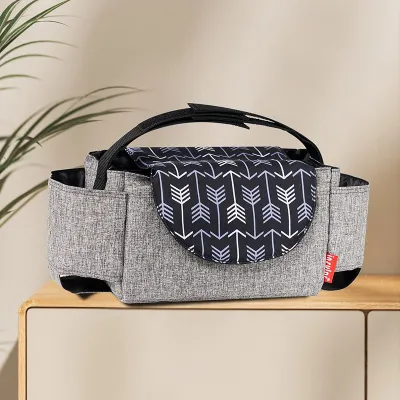
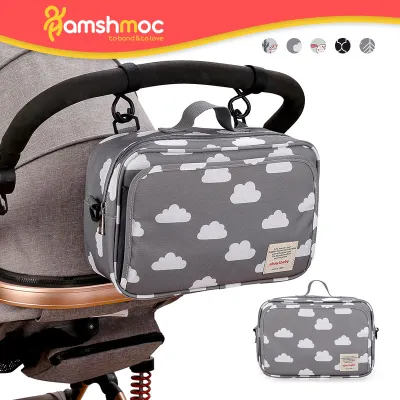
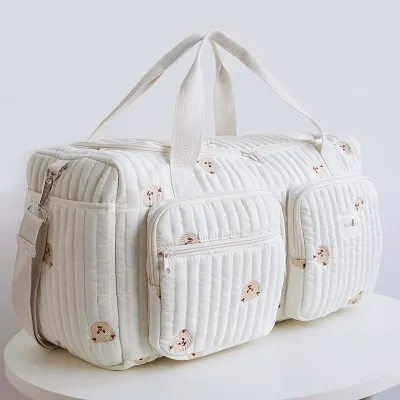
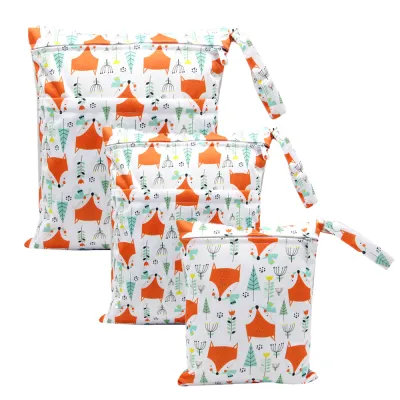
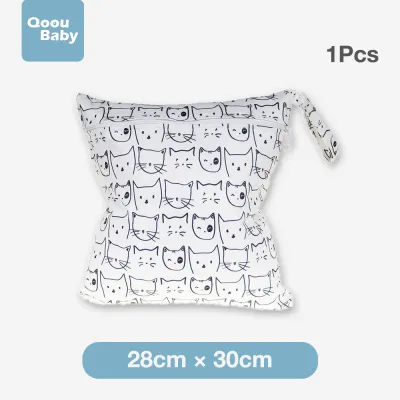
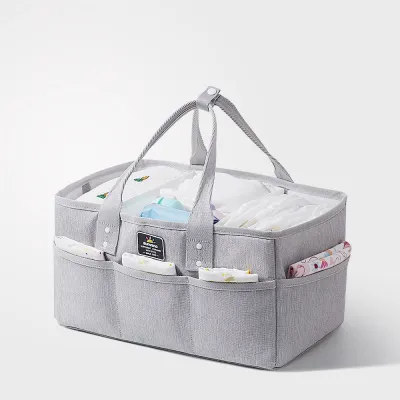
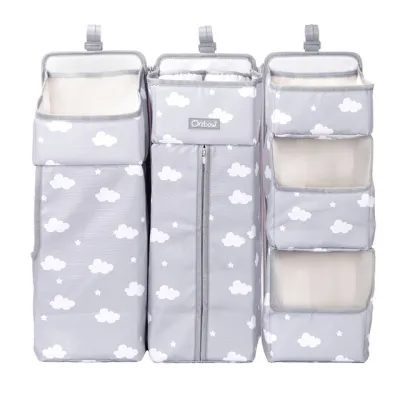
Prices are valid at publication and may change. Please refer to the product page for the latest price.
Your capacity requirements will also shift dramatically based on your child’s developmental stage and the size of your family. Newborns require an extensive inventory of gear, including multiple changes of clothes, numerous diapers, swaddles, feeding bottles, formula dispensers, and burp cloths. For this stage, a high-capacity bag of 20 to 25 liters is often necessary to keep everything organized. As your baby transitions into a toddler, the diapering inventory decreases, but you will need to accommodate larger items like water bottles, food containers, snacks, and small toys. If you are caring for multiple children, such as a newborn and a toddler, a bag with a capacity of 25 liters or more becomes essential to avoid carrying multiple separate packs.
Furthermore, parents must factor in their own daily essentials when calculating capacity. If you are a working parent who pumps milk on the go, your bag must accommodate a portable breast pump, breast shields, and a small cooler bag with ice packs. If you commute directly from the office or travel frequently, you may also need dedicated space for a laptop, tablet, wallet, and personal keys. When these caregiver items are combined with baby gear, they quickly consume the available volume. Therefore, it is wise to choose a brand that offers separate, dedicated compartments for parent essentials, ensuring your personal items do not get buried under diapers and wipes.
Key Organization Features to Compare Across Brands
The internal organization of a diaper bag can make the difference between a calm, quick diaper change and a stressful search through a chaotic main compartment. When comparing brands, pay close attention to the compartment logic. Dedicated insulated bottle pockets are highly valuable for keeping milk, formula, or water at a consistent temperature during outdoor excursions in Singapore’s heat. Look for brands that line these pockets with high-quality thermal materials and ensure they are wide enough to fit your preferred bottle brand. Additionally, easy-access external slots—such as a dedicated side pocket with a magnetic closure or a zippered slit for wet wipes—allow you to grab essential items instantly without opening the entire bag.

Carrying versatility is another critical feature to compare across different models. A high-quality baby storage bag should offer multiple carrying options to adapt to various situations. Stroller straps or integrated clips allow you to hang the bag securely from your pram’s handlebar, relieving your shoulders during long walks through shopping malls or parks. However, always verify your stroller manufacturer’s weight limits to prevent the pram from tipping backward. For parents who travel frequently, a built-in luggage sleeve that slides over a suitcase handle is an invaluable feature. Convertible straps that allow a bag to transition from a backpack to a shoulder tote offer excellent flexibility for different caregivers.
Security and hygiene features are equally important when evaluating diaper bags. High-quality, water-resistant zippers are essential for protecting clean clothes and electronics from sudden tropical downpours. Inside the bag, look for separate wet and dry zones. These are typically zippered compartments lined with waterproof materials, designed to isolate soiled clothing, wet bibs, or used washcloths from the rest of your clean gear. Many premium brands also include a matching, fold-out changing pad that fits into a dedicated sleeve. This ensures you always have a clean, familiar surface for diaper changes in public restrooms or outdoor changing stations.
Material, Weight, and Maintenance Considerations
The materials used in a diaper bag’s construction directly impact its weight, durability, and ease of maintenance. Nylon and polyester are the most common fabrics used by popular brands, prized for being exceptionally lightweight, durable, and naturally water-resistant. These synthetic fabrics are ideal for Singapore’s humid climate, as they do not absorb moisture easily and are highly resistant to mold and mildew. Vegan leather is another popular choice, offering a sleek, professional aesthetic that transitions well to work environments. While vegan leather is easy to wipe clean with a damp cloth, it is generally heavier than synthetic fabrics and can trap heat against your back when worn as a backpack. Canvas bags offer a classic, casual look but are prone to staining and absorbing moisture unless they have been treated with a specialized water-repellent coating.
Before finalizing your purchase, always check the manufacturer’s care labels and warranty conditions. Some fabric diaper bags are fully machine washable, which simplifies long-term maintenance. However, many structured bags, particularly those with vegan leather trim or internal wire frames, are spot-clean only. Using harsh chemical cleaners or machine washing a spot-clean-only bag can damage the water-resistant coatings, weaken the seams, or warp the bag’s structure. Additionally, review the brand’s warranty policy regarding hardware failures. High-quality brands often provide warranties covering zipper malfunctions, broken clasps, and torn seams, which offers peace of mind for an item subjected to heavy daily use.
Hardware durability and base reinforcement are often overlooked but are critical for a bag’s longevity. Inspect the zippers and clasps; metal hardware or heavy-duty molded plastic zippers tend to last much longer than thin nylon coils. The base of the bag experiences the most wear and tear, as it is frequently placed on park benches, food court floors, or public restroom counters. Look for bags that feature a reinforced base made from a highly durable, wipeable material like rubber or heavy-duty nylon. Metal feet on the bottom of the bag are also beneficial, as they elevate the fabric off dirty surfaces, keeping your bag hygienic and dry.
Decision Framework: Matching Bag Styles to Your Routine
To narrow down your choices among the many diaper bag brands available, it is helpful to match the bag’s style to your daily routine and lifestyle. If you prioritize hands-free mobility, travel frequently, or manage multiple young children, a high-capacity backpack is generally the most practical choice. Backpacks distribute weight evenly across both shoulders, reducing physical strain during long outings, and keep your hands completely free to push a stroller, hold a toddler’s hand, or carry a baby carrier.
If your daily routine involves transitioning between professional settings, casual social gatherings, and baby care, a structured tote bag may be more suitable. Totes offer quick, wide-top access to all your gear, allowing you to locate items at a glance. Many structured totes feature elegant designs that do not look like traditional diaper bags, making them highly versatile. However, keep in mind that carrying a heavy tote on one shoulder for extended periods can cause muscle strain, so look for models that include a detachable crossbody strap for alternative carrying options.
For short trips to the neighborhood supermarket, quick doctor visits, or outings with an older toddler who requires minimal gear, a compact crossbody bag or a diaper clutch is often sufficient. These smaller bags typically hold just a few diapers, a travel pack of wipes, a changing mat, and a single bottle or water flask. They are incredibly lightweight and allow you to travel light without the bulk of a full-sized diaper bag.
Regardless of the style you choose, always verify the product specifications, stroller compatibility, and strap lengths before making a purchase from an online marketplace or local retailer. Ensure that any stroller attachment straps are compatible with your specific pram model and that the bag’s dimensions do not interfere with your comfort or safety while walking.
Frequently Asked Questions (FAQ)
Can I use a regular backpack instead of a branded diaper bag?
Yes, you can use a standard backpack, but you will sacrifice several specialized features designed specifically for baby care. Regular backpacks typically lack insulated bottle pockets, which are crucial for keeping milk fresh, and they rarely feature wipe-clean interior linings or dedicated wet/dry compartments to isolate soiled clothes. They also lack integrated stroller straps, meaning you must carry the full weight on your back or risk tipping your stroller by hanging the shoulder straps over the handlebar. If you choose to use a regular backpack, you can create a DIY workaround by using color-coded packing cubes, separate insulated bottle sleeves, and a portable changing mat, though this requires more effort to organize and pack.
How do I clean and maintain a diaper bag to prevent odors?
In Singapore’s warm and humid climate, spilled milk, damp clothes, and crumbs can quickly lead to bacterial growth, mold, and unpleasant odors. To maintain proper hygiene, empty your diaper bag completely at the end of each week and shake out any loose debris. Spot-clean any spills immediately using a damp cloth and a mild, baby-safe detergent. If the manufacturer’s care label permits, you can hand wash or machine wash the bag on a gentle cycle. Always allow the bag to air-dry completely in a well-ventilated indoor area away from direct sunlight, ensuring all compartments and pockets are fully open to prevent moisture from trapping inside. Avoid using harsh chemical bleaches or fabric softeners, as these can degrade the bag’s water-resistant coatings.

Community discussion
Share your experience or ask a question. Comments are reviewed before publication.