
Quick Answer: Which Hip Seat Carrier Fits Your Needs?
Choosing the right baby hip seat carrier is not about finding a single universal winner, but rather about matching the carrier’s structural design to your physical frame and your baby’s current developmental stage. The ideal carrier distributes your child’s weight evenly across your hips and shoulders while keeping your baby’s pelvis in a secure, ergonomically correct position.
For long-duration carrying or heavier toddlers, prioritize wide, structured waistbands with integrated lumbar support panels and dense foam bases that transfer weight directly to your lower body. If you live in a warm, humid climate like Singapore or need a carrier for quick, frequent transitions, look for lightweight, modular designs featuring breathable mesh panels and removable seat bases. Always verify the manufacturer’s specific weight and age limits on the product packaging before making your purchase.
Key Ergonomic and Weight Distribution Features to Compare
When evaluating different baby hip seat carriers, understanding the physical mechanics of carrying can help you prevent chronic back fatigue and support your baby’s physical development. A well-designed carrier acts as a supportive framework, balancing the forces exerted on both the parent’s spine and the baby’s growing joints.
Products mentioned in this guide
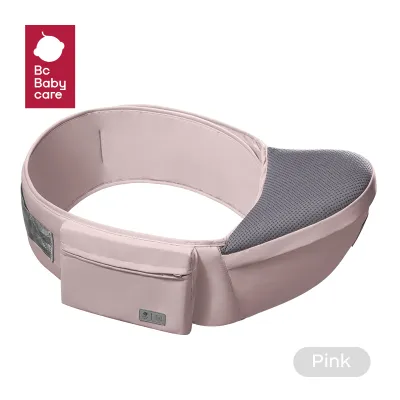
![[NEW] Pomulu Baby 2 Way Hip Seat Sling Carrier - Infant Toddler Bag Carry for Mom Parent Ergonomic Adjustable Wrap](https://img.lazcdn.com/g/p/aa7ec53384f07c7fd804fe26330044ca.jpg_400x400q80.jpg_.webp)
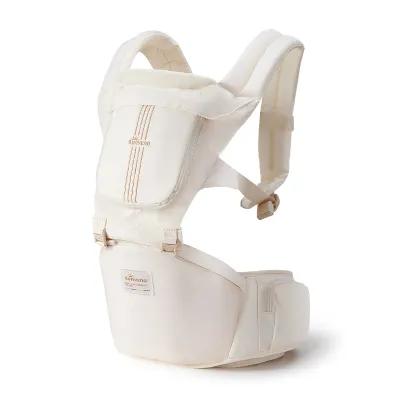
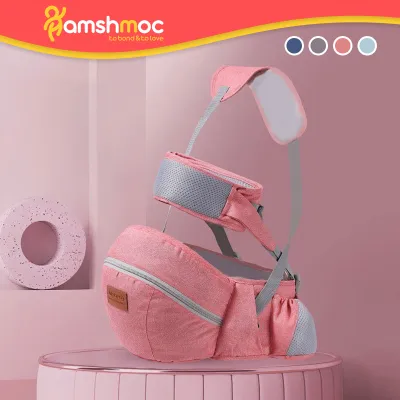
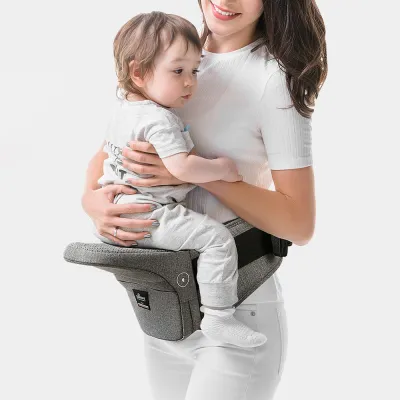
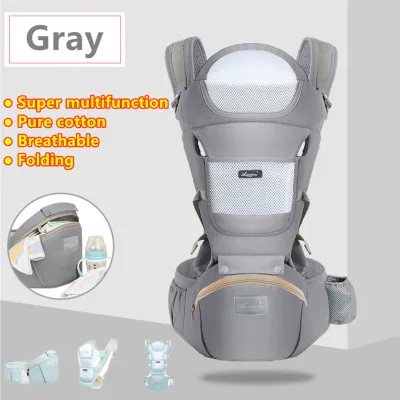
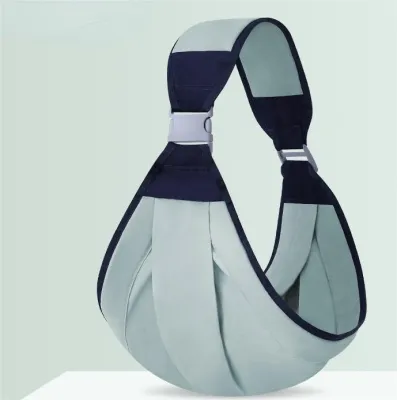
Prices are valid at publication and may change. Please refer to the product page for the latest price.

Seat Angle and Width
The design of the seat base is critical for maintaining your baby’s natural hip alignment. Look for a seat platform that is wide enough to support your baby’s thighs from knee to knee, which naturally encourages the ergonomic “M” position where the knees are slightly higher than the hips. This spread-squat position keeps the femoral head securely inside the hip socket, reducing the risk of hip dysplasia.
Additionally, the seat platform should feature a slight upward slope, typically angled between 25 and 35 degrees. This angle uses gravity to slide your baby’s hips back toward your abdomen, preventing them from sliding forward or slouching. A flat or downward-sloping seat forces the parent to lean backward to compensate, which places immense pressure on the lumbar spine.
Waistband and Shoulder Strap Design
The waistband is the primary load-bearing element of a hip seat carrier, functioning much like the hip belt on a heavy-duty hiking backpack. A wide waistband, ideally between 13 and 15 centimeters, distributes the baby’s weight across your pelvic bones rather than concentrating the force on your lower back muscles. The internal padding should consist of high-density foam that resists collapsing under pressure.
Shoulder straps should be contoured and generously padded to prevent them from digging into your neck and shoulder muscles. Look for carriers with dual-tension adjustment buckles, which allow you to pull the baby closer to your center of gravity. Keeping the baby’s weight tight against your torso minimizes the rotational pull on your upper back and shoulders.
Core Support Structures
Inside the seat base, the support material determines both the weight of the carrier and the comfort of the ride. Most brands utilize expanded polystyrene (EPS) foam, which is highly rigid, lightweight, and shock-absorbing. Other designs use a hollow plastic frame, which reduces bulk and often provides a convenient storage compartment beneath the seat.
To protect the parent’s lower abdomen, especially during postpartum recovery, look for carriers that feature thick abdominal pressure relief pads. This padding sits directly behind the main waistband buckle, cushioning your stomach and preventing the rigid seat base from pressing uncomfortably into your pelvis when you walk.
How to Evaluate Popular Hip Seat Carrier Designs
To compare different brands effectively, parents should look past marketing claims and focus on verifiable specifications, structural materials, and design philosophies. Using a structured framework allows you to assess how a carrier will perform in daily use.
Structural Design Comparison
| Design Element | Rigid Foam Base (EPS) | Hollow Frame Base | Inflatable or Hybrid Base |
|---|---|---|---|
| Weight Distribution | Excellent; solid platform prevents sagging under heavy loads. | Very good; maintains its shape consistently over time. | Moderate; may compress slightly under heavier toddlers. |
| Parental Comfort | Firm; requires thick abdominal padding to prevent pressure points. | Can feel rigid; often requires precise positioning on the hips. | Soft and flexible; conforms easily to the parent's body shape. |
| Portability & Storage | Bulky; does not fold easily, making travel storage challenging. | Excellent storage; the hollow space inside often doubles as a pocket. | Highly packable; can be deflated or compressed for compact travel. |
| Best Suited For | Daily home use and long walks where maximum support is needed. | Parents who want to carry daily essentials without an extra bag. | Frequent travelers, public transport users, and quick trips. |
Contrasting Design Philosophies
Some brands focus on minimalist, lightweight designs that prioritize quick transitions and compact storage. These carriers are excellent for short trips to the neighborhood market or for navigating tight spaces, but they may lack the heavy-duty lumbar support needed for extended carrying sessions.
Conversely, maximum-support carriers feature heavily padded shoulder straps, wide lumbar support plates, and complex harness systems. While these designs excel at distributing weight during long walks, they are inherently bulkier, heavier, and can feel restrictive in warm weather.
Verifying Ergonomic Certifications
When reading product labels, look for official recognitions from independent health organizations, such as a designation from the International Hip Dysplasia Institute (IHDI) certifying the product as “hip-healthy.” These certifications indicate that the carrier has been structurally evaluated to support proper joint alignment. However, parents must still verify that the specific seat width matches their baby’s current size, as a seat that is too wide can force the lower legs into an unnatural outward stretch.
Making Your Final Decision Based on Parent and Baby Needs
Your choice of carrier should align with your physical comfort requirements, your baby’s size, and the environment in which you will use the carrier most frequently.
Addressing Lower Back Fatigue and Toddler Weight
If you experience lower back strain or are carrying an older, heavier toddler, prioritize a carrier with a wide waistband and a built-in lumbar support plate. This rigid plate sits against your lower back, preventing the waistband from folding or digging in, and effectively transfers the baby’s weight directly to your hips and legs. This mechanical transfer bypasses the delicate lumbar vertebrae, allowing you to carry your child longer with less fatigue.
Navigating Warm Climates and Smaller Frames
In hot and humid environments like Singapore, heavy padding can quickly lead to overheating and skin irritation for both you and your baby. Look for carriers constructed with 3D spacer mesh fabrics and zip-down front panels that expose breathable mesh windows. These features allow air to circulate freely, keeping both of you cool during outdoor walks.
For parents with smaller physical frames, a common issue is waistband overlap, where the padded sections of the belt overlap when tightened fully, preventing a secure fit. Seek out brands that offer tapered waistbands and highly adjustable straps that can be cinched tightly without losing their structural shape or causing the safety buckles to sit off-center.
Postpartum Recovery and Pre-existing Conditions
If you are recovering from a Cesarean delivery, a rigid seat base that rests directly on your lower abdomen can cause discomfort or pressure on your incision site. In this scenario, look for carriers with extra-thick, soft abdominal padding or a split-belt design that distributes pressure away from the lower abdomen. Always consult your obstetrician or a physical therapist before using a structured hip seat carrier during early postpartum recovery.
Safety Checks and Fit Verification Before Use
Before heading out, performing a quick safety and fit check ensures that both you and your baby remain comfortable and secure throughout your journey.
Step-by-Step Fit Check for the Parent
- Position the Waistband High: Fasten the waistband snugly around your natural waist, well above your hips, before placing your baby in the carrier. As you add the baby's weight, the belt will settle slightly. Starting with the belt too low causes it to tilt forward, pulling on your lower back.
- Secure the Velcro and Buckle: Ensure the hook-and-loop fastener is completely aligned and flat, then secure the safety buckle. Always thread the buckle through the safety elastic loop if the manufacturer provides one.
- Tighten the Shoulder Straps: Once your baby is positioned, pull the shoulder straps tight enough so that your baby's chest is held close to yours. This keeps your combined center of gravity tight and prevents you from slouching.
Baby Positioning Check
- Verify the "M" Position: Ensure your baby's thighs are fully supported from knee to knee, with their knees positioned slightly higher than their hips. Their lower legs should dangle freely without being compressed by the edge of the seat.
- Check the Spine: Your baby's spine should form a gentle, natural curve (the "C" curve) rather than being forced into a completely straight or hyperextended position.
- Clear Airway: Your baby's face must always remain visible, with their chin off their chest. Ensure there is at least a two-finger gap between their chin and chest to maintain an open, unobstructed airway.
When to Stop Use and Seek Advice
Stop using the carrier immediately if you notice persistent red marks, bruising, or deep indentations on your baby’s inner thighs, which can indicate restricted blood circulation or an incorrect seat width. If your baby shows signs of hip discomfort, or if you experience persistent joint, pelvic, or back pain after carrying, discontinue use and consult a pediatrician or a qualified physiotherapist to evaluate the fit and your physical alignment.
Frequently Asked Questions (FAQ)
Can a hip seat carrier cause back pain for the parent?
Yes, a hip seat carrier can contribute to back pain if it is fitted incorrectly or worn too low on the hips. When the waistband is loose or positioned on the lower pelvis rather than the natural waist, the weight of the baby pulls the top of the carrier outward. This forces the parent to lean backward or arch their spine to compensate, putting immense pressure on the lumbar region. To correct this, tighten the waistband securely around your natural waist before placing your baby inside, ensuring the seat remains level and close to your body.
At what age or weight is it safe to start using a hip seat carrier?
Generally, a hip seat carrier should only be used once a baby has developed strong, independent head and neck control and can sit upright unsupported, which typically occurs around six months of age. Before this stage, a baby’s spine and neck muscles are not strong enough to handle the upright, jolting forces of a rigid seat base. Always check the manufacturer’s product label for the specific minimum age and weight requirements, as some modular carriers allow for earlier use with a supportive infant insert, while others are strictly designed for older infants.

Community discussion
Share your experience or ask a question. Comments are reviewed before publication.