
Selecting the ideal baby bag backpack in Singapore requires balancing practical daily utility with the demands of a tropical climate and your personal style. With a vast array of options available on the market, finding a bag that keeps your hands free while organizing diapers, bottles, wipes, and personal items can feel overwhelming. The right choice depends heavily on your daily routine, how often you travel, and your budget.
To simplify your decision, diaper bag brands can generally be categorized into three distinct tiers based on their design philosophy and price. A premium or designer brand is ideal if you prioritize high-end aesthetics, premium materials, and extended warranties, and you are comfortable investing more upfront. An everyday practical brand is best if you require maximum organization, insulated bottle compartments, and durable, easy-to-clean fabrics designed for heavy daily use and frequent outings. A budget or minimalist brand serves well if you want a lightweight, compact bag for short neighborhood walks or wish to minimize initial costs while covering basic storage needs.
Because features, weight, and material quality can vary significantly even within a single brand’s product lineup, it is crucial to verify the specifications of the specific model you are considering. Rather than relying solely on a brand name, evaluating individual product details ensures the backpack will meet your hands-free parenting needs over the long term.
Products mentioned in this guide
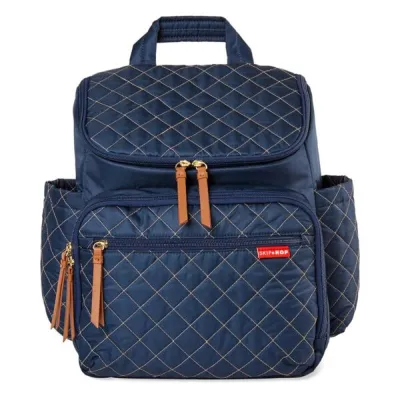
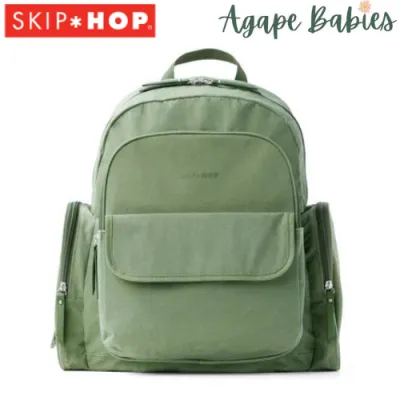
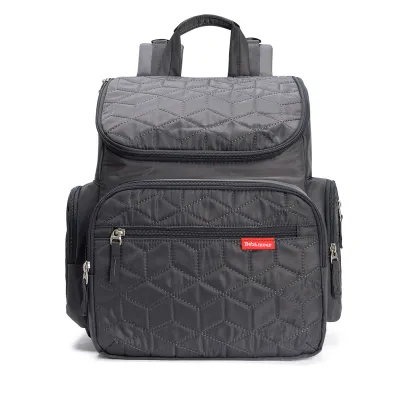
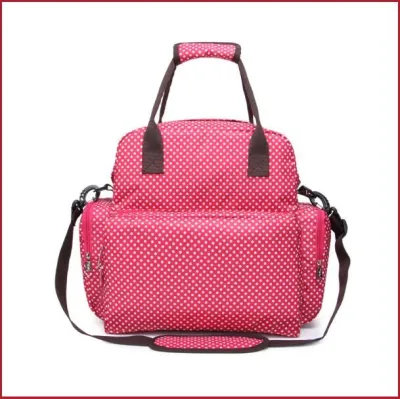
Prices are valid at publication and may change. Please refer to the product page for the latest price.
Key Dimensions for Evaluating Diaper Bag Backpack Brands
When comparing different baby bag backpack brands, looking past marketing claims allows you to assess how a bag will actually perform in daily life. Evaluating key structural and functional dimensions will help you identify which models offer genuine utility and durability.
Build Quality and Materials
The materials used in a backpack determine its durability, water resistance, and ease of maintenance. Many brands use synthetic fabrics like nylon or polyester, but the quality of these materials varies widely. High-density fabrics, such as ballistic nylon or ripstop polyester, offer superior resistance to tears and abrasions.
Look for bags featuring water-resistant exterior coatings or laminates, which protect the contents during sudden tropical downpours in Singapore. However, keep in mind that water-resistant does not mean completely waterproof; heavy rain can still penetrate seams and zippers. Examine the hardware closely: sturdy metal zippers, reinforced box stitching at tension points like strap attachments, and durable plastic or metal buckles are indicators of a well-made bag. Always check the manufacturer’s care labels and material specifications, as some fabrics require specialized spot cleaning while others can tolerate gentle machine washing.
Organization and Accessibility
A well-designed diaper backpack prevents you from having to rummage through a deep, dark main compartment to find a single pacifier. Look for brands that offer logical pocket layouts, including dedicated quick-access wipes pockets, waterproof compartments for soiled clothes, and multiple interior slip pockets.
Insulated bottle holders are particularly valuable for keeping breast milk, formula, or warm water at a safe temperature while you are out. When evaluating these features, consider the inherent trade-off: a bag with dozens of compartments, heavy-duty zippers, and structured dividers will have a higher empty weight. If you prefer a highly structured bag, ensure the empty weight is manageable before you begin packing heavy liquids and baby gear.
Comfort and Ergonomics
Because you will often carry a diaper backpack for hours while navigating public transport or shopping malls, ergonomic design is vital for preventing physical strain. Look for wide, contoured shoulder straps with thick, breathable padding to distribute weight evenly across your shoulders.
An adjustable chest clip or sternum strap can further stabilize the load, preventing the shoulder straps from slipping. Integrated stroller attachment straps or clips are also highly useful, allowing you to hang the bag securely from your stroller handlebar. When using stroller attachments, always compare the bag’s packed weight against the stroller manufacturer’s maximum recommended handlebar load capacity to prevent the stroller from tipping backward.
Warranty and After-Sales Support
Warranty terms are a strong indicator of a brand’s confidence in its product’s longevity. Some premium brands offer limited lifetime warranties covering manufacturing defects in materials and workmanship, such as broken zippers or split seams. Other brands provide standard one-year or six-month warranties.
Before purchasing, verify the specific terms offered by the local distributor or retailer in Singapore. Check whether they have a physical service center or a clear process for handling exchanges and repairs, as shipping a defective bag back to an overseas headquarters can incur high shipping costs and long wait times.
Comparing Brand Tiers: Premium, Everyday, and Budget Options
Understanding how diaper bag brands position themselves in the market helps you narrow down your choices based on your budget and desired features. While some brands cross over into multiple categories, most align with one of three primary tiers.

Premium and Designer Brands
Premium and designer baby bag backpacks focus heavily on sophisticated aesthetics, luxury materials, and brand prestige. These bags are often crafted from high-grade vegan leather, top-grain genuine leather, or premium high-density nylon with gold-plated or gunmetal hardware. They are designed to look like high-end fashion pieces rather than traditional diaper bags, making them popular for parents who want a seamless transition from professional environments to family outings.
However, these premium materials come with specific trade-offs. Luxury fabrics and leather alternatives are often significantly heavier than standard nylon, meaning the bag starts with a higher baseline weight before you add any baby supplies. Furthermore, materials like vegan leather can be sensitive to Singapore’s high humidity and intense sunlight, occasionally requiring specialized leather conditioners or immediate drying if caught in the rain to prevent peeling or cracking.
When considering a premium brand, always verify whether the higher price point includes essential parenting features. Some designer options prioritize exterior style over interior utility, lacking insulated bottle pockets, washable linings, or included changing pads. Ensure you are paying for functional design rather than just a luxury logo.
Everyday Practical and Multi-Functional Brands
Everyday practical brands focus on high utility, smart organization, and rugged durability. These backpacks are engineered specifically for the realities of active parenting, featuring highly technical synthetic materials that resist stains, water, and odors. They often include specialized features such as built-in, fold-out changing stations, integrated USB charging ports, and dedicated compartments for tablets or laptops.
For Singapore’s humid climate and frequent outdoor activities, these brands offer excellent performance. Their fabrics are typically easy to clean—often requiring only a quick wipe with a damp cloth—and many models feature highly breathable mesh back panels to reduce sweat buildup while carrying the bag. The focus is on maximizing storage volume while keeping the overall footprint as compact as possible.
Because these brands rely heavily on functional performance, it is beneficial to check verified user reviews on local e-commerce platforms and parenting forums. Look for feedback regarding how well the zippers hold up under tension and whether the water-resistant coatings remain effective after months of daily exposure to sun and rain.
Budget-Friendly and Minimalist Brands
Budget-friendly and minimalist diaper bag brands offer accessible price points by focusing on simple, lightweight designs and essential storage. These bags typically utilize standard polyester fabrics and straightforward zipper configurations, omitting complex internal frames, heavy metal hardware, and niche accessories to keep costs low.
These backpacks are highly practical as secondary bags. For instance, you might keep a budget-friendly bag packed in your car trunk for emergencies, or use a lightweight minimalist bag for quick trips to the neighborhood playground. They are also excellent for the toddler stage, when you no longer need to carry bulky items like multiple sterile bottles, formula dispensers, and several changes of clothes.
The compromises in this tier generally involve durability and comfort. Budget bags often feature thinner shoulder strap padding, which can become uncomfortable during extended wear if the bag is heavily loaded. Additionally, the interior linings may lack robust water-resistant treatments, meaning spills inside the bag can seep through to the exterior fabric more easily. If you choose a budget option, avoid overpacking it to prevent premature wear on the seams and zippers.
Pre-Purchase Checklist: Verifying Features and Fit
Before finalizing your purchase, use this practical checklist to verify that your chosen baby bag backpack matches your physical needs, lifestyle, and environment.
- Size and Stroller Compatibility: Measure the external dimensions of the backpack and compare them to your stroller's storage basket and handlebar width. If you plan to hang the bag, ensure the stroller has a wide, stable base. Hanging a heavy backpack on a lightweight umbrella stroller can easily cause the stroller to tip over when your child is lifted out.
- Climate Considerations: Singapore's high humidity and heat demand breathable materials. Look for backpacks featuring 3D air-mesh padding on the back panel and shoulder straps to facilitate airflow. Additionally, check if the interior lining is treated with antimicrobial or water-resistant coatings to prevent mold, mildew, and persistent odors from damp items.
- Safety and Compliance: Because the interior of your diaper bag will hold items that go directly into your baby's mouth—such as bottles, pacifiers, and teething toys—chemical safety is paramount. Check the product label or manufacturer's website to verify that the interior linings and plastics are certified non-toxic, specifically free from BPA, phthalates, lead, and PVC.
- Return and Exchange Policies: If purchasing online, always review the retailer's return and exchange policy. Once the bag arrives, test its comfort by placing clean household items of equivalent weight (such as water bottles or books) inside the bag. Wear it around your home for fifteen minutes to evaluate the strap comfort, weight distribution, and ease of zipper operation before removing any tags.
Frequently Asked Questions (FAQ)
Can I use a regular backpack instead of a specific baby bag brand?
Yes, you can use a standard backpack, but you will miss out on specialized features designed specifically for infant care. Dedicated diaper bag backpacks typically include insulated bottle sleeves to maintain milk temperature, waterproof compartments to isolate wet or soiled clothing, and quick-access pockets designed to dispense baby wipes directly.
Standard backpacks often lack these specialized compartments, meaning you may need to purchase separate packing cubes, wet bags, and insulated pouches to achieve the same level of organization. However, high-quality regular backpacks are often lighter, less expensive, and can easily transition back to standard travel or work use once your child outgrows the diaper stage.
How do I clean and maintain a diaper bag backpack to prevent mold?
To prevent mold and mildew in Singapore’s humid climate, regularly empty all compartments and shake out crumbs or debris. Immediately wipe up any liquid spills inside the bag using a damp cloth and mild, baby-safe detergent. Avoid using harsh chemical cleaners, bleach, or abrasive scrubbing pads, which can degrade the water-resistant coatings and fabric fibers.
Always consult the manufacturer’s specific care label before attempting to wash the bag. If the bag is machine washable, use a gentle cycle with cold water and place the bag inside a mesh laundry bag to protect the straps and hardware. Once clean, open all zippers and compartments fully, and air dry the backpack in a well-ventilated, shaded indoor area. Avoid drying synthetic bags in direct, harsh tropical sunlight, as prolonged UV exposure can weaken the fabric and fade the colors.

Community discussion
Share your experience or ask a question. Comments are reviewed before publication.