
Determining if the Combi Safetrip Foldable Travel Car Seat G123 is compliant with Singapore’s car seat safety regulations requires verifying that your specific unit bears an approved international certification label. Singapore’s Land Transport Authority (LTA) recognizes specific international standards, such as the United Nations Economic Commission for Europe (UNECE) R44/04 or R129 regulations. Because compliance depends on the physical certification sticker affixed to your seat and how the seat’s specifications align with your child’s current weight and height, a hands-on inspection of the product is necessary before installation.
Understanding Singapore's Car Seat Safety Regulations
Singapore’s road safety laws are strict when it comes to protecting young passengers. Under the Road Traffic Act, any passenger in a motor vehicle who is under 1.35 metres in height must be properly secured with an approved child restraint appropriate for their height and weight, or use a booster seat to supplement the vehicle’s seatbelt. This mandate applies to all private vehicles, including private hire cars, though taxis are currently exempt from this specific requirement. Securing children in taxis remains highly recommended for safety.
To be legally compliant on Singapore roads, a child car seat must meet recognized international safety standards. The Land Transport Authority (LTA) and the Traffic Police recognize several major standards, with the most common being the UNECE R44/04 and the newer UNECE R129 (often referred to as i-Size). Other standards from countries like the United States (FMVSS 213), the United Kingdom (British Standards), or Australia and New Zealand (AS/NZS 1754) may also be recognized, provided they carry the official certification marks of those respective jurisdictions.
Products mentioned in this guide
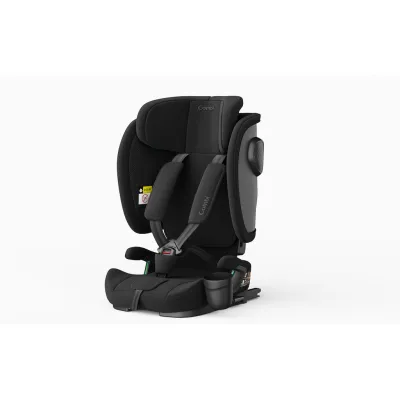
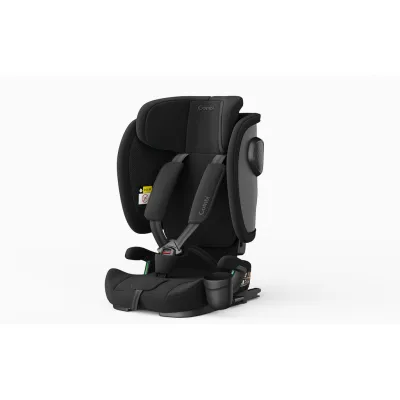
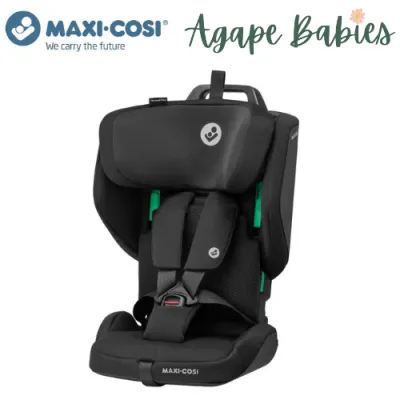
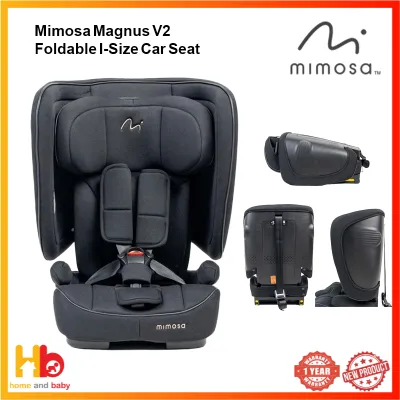
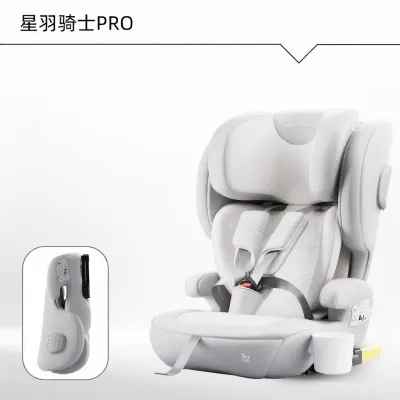
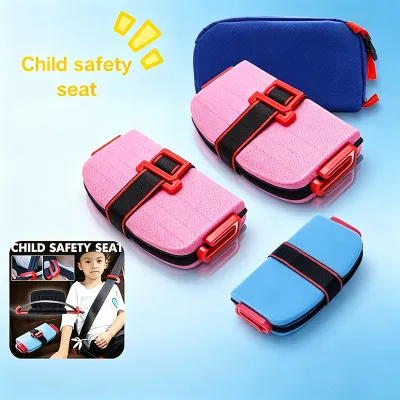
Prices are valid at publication and may change. Please refer to the product page for the latest price.
While meeting these legal standards is mandatory, parents should also distinguish between basic legal compliance and recommended safety guidelines. For example, while a seat may legally allow forward-facing travel from a certain weight, safety experts strongly recommend keeping children in a rear-facing position for as long as the seat’s physical limits allow. For travel seats, which are designed to be lightweight and portable, understanding these distinctions helps you make informed decisions when moving between different vehicles, such as family cars, rental vehicles, or car-sharing services.
How to Verify the Combi Safetrip G123 Compliance Status
Verifying the compliance status of your Combi Safetrip Foldable Travel Car Seat G123 requires a systematic physical inspection of the seat itself. Do not rely solely on product names, marketing descriptions, or online listings, as specifications can vary by region and production batch.

First, locate the official certification label on the seat. This is typically an orange sticker affixed to the back, side, or underside of the plastic shell. This label is the legal proof of compliance and must remain intact and legible.
Second, read the specific details on the label. Look for the ‘E’ mark, which consists of the letter ‘E’ followed by a number inside a circle (for example, E1 represents Germany, E4 represents the Netherlands, and E11 represents the United Kingdom). This mark indicates that the seat has been tested and approved in a country that follows the UNECE regulations. Below or next to this circle, you should find the approval number. If the seat is certified under UNECE R44/04, the approval number must start with ’04’, indicating it conforms to the latest revision of that standard.
Third, cross-reference the weight and height limits printed on the label with your child’s current measurements. The ‘G123’ designation in the product name typically suggests a Group 1, 2, and 3 multi-stage seat. Under UNECE R44/04, Group 1 generally covers children weighing 9 to 18 kg, Group 2 covers 15 to 25 kg, and Group 3 covers 22 to 36 kg. You must verify that your child falls strictly within the weight range specified on your unit’s physical label. If your child is outside these limits, the seat is neither safe nor legally compliant for their use.
Finally, if the certification label is missing, torn, or illegible, or if you are unsure about the origin of the seat, contact the manufacturer or the authorized local distributor in Singapore. They can help you verify the serial number and provide official documentation or clarification regarding the seat’s compliance status. Avoid using any car seat that lacks a clear, verifiable certification label, as traffic police or vehicle inspectors cannot verify its legality without it.
Key Safety Features to Inspect on Foldable Travel Car Seats
Foldable travel car seats offer excellent portability, making them popular for families who use car-sharing services, taxis, or travel frequently. However, the folding design introduces unique mechanical elements that require regular inspection to ensure they function safely.
Begin by testing the folding and unfolding mechanisms. When preparing the seat for installation, unfold it completely and ensure that all hinges, joints, and locking tabs click securely into their designated positions. There should be no play or wobbling in the frame once it is locked. A folding mechanism that is partially engaged or damaged could collapse under the extreme forces of a collision, rendering the seat ineffective.
Next, inspect the harness system, buckles, and padding. Pull the harness straps fully out to check for any signs of fraying, twisting, or wear. The chest clips and buckle tongues should insert smoothly into the buckle housing and lock with a distinct, audible click. Test the release button to ensure it does not stick. Check that the shoulder pads and crotch pads are properly positioned to distribute forces evenly and prevent skin irritation.
Additionally, examine the base and attachment points. Whether you are installing the seat using the vehicle’s three-point seatbelt or ISOFIX anchorages, inspect the routing paths and connectors for any signs of damage or debris. Ensure that the seatbelt guides are clear and that the locking clips or tensioning devices function correctly. The seat must be installed tightly, with minimal lateral or forward movement when pulled at the belt path.
Lastly, always consult the user manual for specific installation warnings unique to the foldable design. Some foldable seats require specific headrest adjustments or have limitations on which vehicle seats they can be installed on. Keeping the manual stored in the designated pocket on the seat ensures you can reference these critical instructions whenever you install the seat in a new vehicle.
When to Stop Using or Replace Your Travel Car Seat
A car seat is not a permanent fixture; its protective capabilities degrade over time and under specific conditions. Knowing when to retire your Combi Safetrip G123 is crucial for maintaining your child’s safety.
The most immediate reason to stop using the seat is when your child outgrows the maximum height or weight limits specified on the compliance label. Even if your child still fits physically within the seat, exceeding the certified weight or height limits means the harness and shell may not withstand the forces of an impact. Regularly weigh and measure your child to ensure they remain within the safe operating envelope of the seat.
Another critical factor is the manufacturer’s expiration date. Car seats are made primarily of plastic, which degrades over time when exposed to temperature fluctuations, UV light, and humidity. In Singapore’s hot and humid tropical climate, this degradation can occur more rapidly. Check the plastic shell for a stamped expiration date or manufacture date, and consult the user manual to determine the lifespan of the seat (typically six to ten years from the date of manufacture). Once this period has passed, the plastic can become brittle and may fail during an accident.
Furthermore, you must replace the car seat immediately following any moderate or severe vehicle collision. Even if the seat looks completely undamaged, the extreme forces of a crash can cause invisible micro-fractures in the plastic shell and stretch the harness webbing, permanently compromising its structural integrity. Do not risk using a seat that has been involved in an accident.
Finaly, perform regular visual checks for structural compromise. If you notice cracked plastics, bent metal components, compromised folding hinges, or missing parts, stop using the seat immediately. Do not attempt to repair a damaged car seat with DIY methods or non-original parts; always consult the manufacturer for authorized replacement components or replace the seat entirely.
Frequently Asked Questions (FAQ)
Can I use a foreign-bought Combi car seat in Singapore?
Yes, you can use a foreign-bought Combi car seat in Singapore, provided it meets the safety standards recognized by the Land Transport Authority (LTA). The seat must have an intact, visible certification label showing compliance with standards such as UNECE R44/04 or R129. Be cautious when purchasing from overseas online marketplaces or unauthorized retailers, as these products may lack the necessary certification labels, may not be tailored to local vehicle specifications, or could potentially be counterfeit. Always verify the physical label upon receipt.
Are foldable car seats as safe as standard fixed car seats?
Foldable travel car seats that carry valid international certifications are tested to the same crash-test standards as standard fixed car seats. However, their safety depends heavily on correct usage and installation. Because foldable seats have moving joints and hinges, you must ensure that all mechanisms are fully locked before every journey. Additionally, travel seats often have lower weight or height limits compared to heavy, fixed seats, so you must strictly adhere to the manufacturer’s specified limits to ensure optimal protection.
What is the penalty for not using a compliant car seat in Singapore?
In Singapore, failing to secure a child passenger under 1.35 metres in height in an approved child restraint or booster seat is a traffic offense. Drivers found violating this regulation can face a composition fine and demerit points under the Road Traffic Act. For the most current and detailed information on traffic rules, penalties, and legal requirements, always consult the official updates provided by the Land Transport Authority (LTA) or the Singapore Traffic Police. Prioritizing proper restraint usage is essential for your child’s physical safety, far outweighing the concern of legal penalties.

Community discussion
Share your experience or ask a question. Comments are reviewed before publication.