
Choosing the right diaper rash cream for your baby in Singapore requires balancing effective skin protection with the demands of a warm, humid climate. When comparing Cleerd cream to other popular diaper rash creams on the market, the decision comes down to understanding how different formulations interact with your baby’s unique skin type. Because every infant’s skin barrier is delicate, finding a product that prevents irritation without causing further sensitivity is a top priority for parents.
To make an informed choice, you must evaluate the active ingredients, texture, and ease of application of Cleerd cream alongside other well-known brands. Rather than relying on universal recommendations, the most reliable approach is to match the specific properties of each cream to your baby’s current skin condition. This guide outlines the essential criteria for comparing these products, helping you navigate the options available in local pharmacies and online stores.
Understanding the Main Types of Diaper Rash Creams
Before comparing specific brands like Cleerd cream to other options, it is helpful to understand the primary categories of diaper rash treatments. Diaper rash creams generally fall into two main categories: barrier creams and soothing formulations. Each serves a distinct purpose in protecting and repairing your baby’s delicate skin.
Products mentioned in this guide
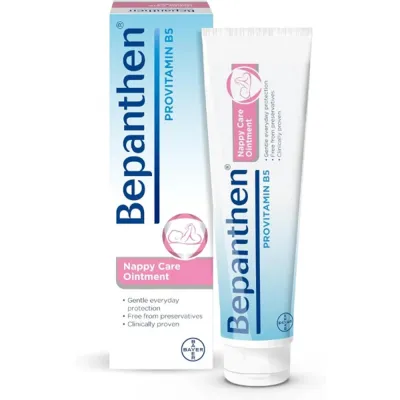
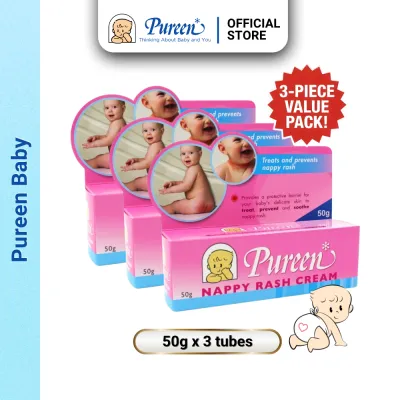
Prices are valid at publication and may change. Please refer to the product page for the latest price.
Barrier creams block moisture, friction, and irritants from coming into direct contact with the skin. These formulations often rely on active ingredients like zinc oxide or petroleum jelly. Zinc oxide creates a physical, water-resistant shield over the skin, preventing wetness from urine and stool from causing irritation. Petroleum-based barriers work similarly by sealing in natural moisture while keeping external wetness out, making them highly effective for overnight protection.
Soothing formulations focus on calming active irritation and supporting the skin’s natural recovery. These creams frequently incorporate ingredients such as panthenol, calendula, chamomile, or aloe vera. Instead of just blocking moisture, these ingredients work to reduce redness, soothe itching, and hydrate dry, chafed skin. They are typically lighter in texture than heavy barrier creams, making them highly suitable for mild redness or daily skin maintenance.
It is also crucial to distinguish between over-the-counter daily care creams and medicated treatments. Daily care creams are formulated for prevention and managing mild, non-infectious irritation. Medicated treatments, which may contain antifungal or antibacterial ingredients, treat specific medical conditions like yeast infections and should only be used under the direct guidance of a qualified healthcare professional.
How to Evaluate Cleerd Cream for Your Baby
To determine how Cleerd cream fits into your diapering routine, begin by examining its product label and official manufacturer documentation. Because formulations vary, verifying the active and inactive ingredients is the most reliable way to understand what the product does. Look closely at the packaging to identify whether the cream is primarily formulated as a physical moisture barrier or a soothing, hydrating agent.

When reviewing the ingredient list, check for potential triggers that might irritate sensitive skin. Parents should verify whether the product is explicitly labeled as fragrance-free, paraben-free, and hypoallergenic. In Singapore’s tropical climate, added fragrances can sometimes exacerbate skin irritation when trapped under a warm, snug diaper. Additionally, check the manufacturer’s guidelines regarding age appropriateness to ensure the cream is suitable for newborns.
The physical characteristics of the cream also play a significant role in daily usability. When applying Cleerd cream, observe its texture, thickness, and spreadability. A cream that is exceptionally thick may offer robust protection but can require more effort to spread over sore skin, potentially causing discomfort. Conversely, a lighter cream might apply smoothly but may require more frequent reapplication to maintain an effective barrier.
Finally, consider how the cream behaves during routine diaper changes. A practical diaper rash cream should stay in place between changes without sliding off, yet it should not be so stubborn that it requires vigorous scrubbing to remove. Observing these physical traits during the first few applications will help you determine if the product aligns with your personal preferences and your baby’s comfort.
Key Dimensions for Comparing Popular Brands
When comparing Cleerd cream to other popular diaper rash creams available in Singapore, structured evaluation criteria can help you make an objective decision. The first dimension to consider is the balance between thickness and spreadability. A high-quality cream must provide a reliable protective layer over the skin without requiring heavy friction to apply. If a cream is too stiff, applying it to already inflamed skin can cause unnecessary pain and worsen irritation.
Ingredient transparency is another critical dimension for comparison. Many popular brands highlight specific active ingredients, but it is equally important to look at the inactive ingredients. Preservatives, stabilizers, and botanical extracts can vary widely between brands. While some babies tolerate botanical ingredients like calendula exceptionally well, others with highly sensitive skin or eczema may experience contact sensitivity. Comparing labels side-by-side allows you to identify which brand minimizes the risk of allergic reactions.
The practicalities of cleanup and staining are often overlooked but are highly relevant for daily diapering. Some heavy zinc oxide creams leave a persistent white residue that does not wash off easily with standard baby wipes. This can make diaper changes more time-consuming and may require a gentle bath to fully cleanse the area. Furthermore, if you use reusable cloth diapers, certain oil-based or zinc-heavy formulations can coat the fabric fibers, reducing their absorbency and causing stubborn stains.
Lastly, consider the packaging and dispensing method of each brand. Creams packaged in squeeze tubes are generally more hygienic than those in open tubs, as they minimize the risk of introducing bacteria from your fingers back into the container. When comparing Cleerd cream to other market leaders, look at how easily the packaging can be operated with one hand, as caregivers often need to keep one hand on the baby during diaper changes.
Matching the Right Cream to Your Baby's Skin Needs
No single diaper rash cream is perfect for every situation; instead, the best choice depends on your baby’s current skin condition. For daily prevention and managing very mild, occasional redness, a lightweight, soothing formulation is often the most practical choice. These creams provide a gentle layer of hydration and mild protection without building up a heavy, occlusive barrier that can feel uncomfortable in warm weather.
If your baby is experiencing moderate irritation, frequent wetness, or has highly sensitive skin prone to chafing, a thick, high-concentration barrier cream is typically more appropriate. This is particularly true during periods of increased risk, such as teething, introducing solid foods, or when the baby is wearing a diaper for extended periods overnight. In these scenarios, a robust zinc oxide or petroleum-based barrier is essential to shield the compromised skin from the irritating effects of digestive enzymes and moisture.
It is vital for caregivers to recognize the limits of over-the-counter diaper creams. While these products are excellent for prevention and mild irritation, they cannot cure underlying infections or severe skin damage. If your baby’s diaper rash does not improve within a few days of consistent application, or if you notice signs of a more serious issue, you must take immediate action.
Stop using over-the-counter creams and consult a pediatrician or qualified healthcare professional if the rash begins to blister, bleed, ooze, or spread rapidly beyond the diaper area. Additionally, if the rash presents as bright red dots with surrounding “satellite” lesions, it may indicate a fungal or yeast infection, which requires a specific prescribed treatment rather than a standard barrier cream.
Safe Purchasing and Storage Practices in Singapore
To ensure the safety and efficacy of any diaper rash cream you choose, practice safe purchasing habits. In Singapore, always buy your baby care products from authorized pharmacies, official brand stores, or reputable online marketplaces. Purchasing from unverified third-party sellers increases the risk of acquiring counterfeit products, which may contain unauthorized ingredients, or expired stock that has lost its protective properties.
Before opening a new tube or tub of cream, perform a quick quality check. Verify that the safety seal is intact and has not been tampered with. Locate the expiration date and batch number printed on the packaging; using expired diaper cream can be ineffective and may introduce degraded ingredients to your baby’s sensitive skin. If the product looks separated, watery, or has an unusual odor upon opening, do not apply it.
Proper storage is particularly critical in Singapore’s tropical climate, where high temperatures and humidity can accelerate the degradation of skincare formulations. Store your diaper rash creams in a cool, dry place away from direct sunlight, such as a closed cabinet or drawer. Avoid leaving diaper creams in areas prone to temperature fluctuations, like inside a parked car or next to a sunny window, as excessive heat can cause the oils and active ingredients to separate, rendering the cream less effective.
Frequently Asked Questions (FAQ)
Can I use diaper rash cream every day for prevention?
Yes, you can use diaper rash cream daily to prevent irritation, but the type of cream you choose matters. For daily preventative care, a lightweight, soothing protectant is generally preferred over a thick, high-concentration treatment cream. When applying cream daily, it is essential to thoroughly clean and completely dry the diaper area during each change before applying a new layer, preventing trapped moisture beneath the barrier.
How long should I wait before putting on a new diaper after applying cream?
You only need to wait a brief moment after applying the cream before putting on a fresh diaper. The key is to ensure the cream has been spread evenly and has settled onto the skin to form a consistent protective layer. When fastening the new diaper, make sure it is snug but comfortable, ensuring it does not rub tightly against the skin and wipe away the newly applied cream.
What should I do if the rash does not improve after a few days?
If your baby’s diaper rash persists or worsens after two to three days of consistent care, monitor the area closely for warning signs. If you observe worsening redness, swelling, blistering, peeling, or if your baby develops a fever or shows signs of unusual discomfort, stop using over-the-counter creams. Promptly consult a pediatrician or qualified healthcare provider for an accurate diagnosis and appropriate treatment plan.

Community discussion
Share your experience or ask a question. Comments are reviewed before publication.