
Quick Answer: How Bottle Material Affects Cleaning Results
Cleaning baby bottles effectively with Babyganics dish soap depends heavily on the physical properties of the bottle material—glass, plastic, or silicone—and how those properties interact with milk fats and soap surfactants. Glass is non-porous and resists scratches but requires careful handling to prevent breakage. Plastic is lightweight and durable but prone to micro-scratches that can trap odors and bacteria. Silicone is flexible and soft but naturally attracts and holds onto milk fats, often requiring more thorough rinsing or specialized deep-cleaning steps.
To achieve the best results, caregivers must check the specific Babyganics product label for material compatibility, dilution instructions, and proper rinsing procedures. Additionally, always cross-reference these steps with the individual bottle manufacturer’s care guidelines. Following both sets of instructions ensures you maintain the integrity of the feeding equipment, prevent premature wear, and avoid voiding any product warranties.
What to Check on Your Babyganics Dish Soap Label
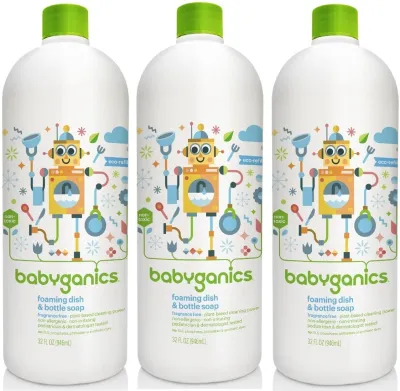
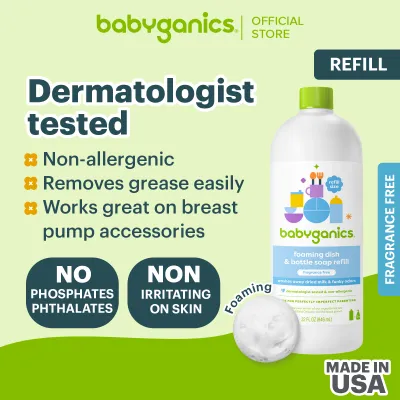
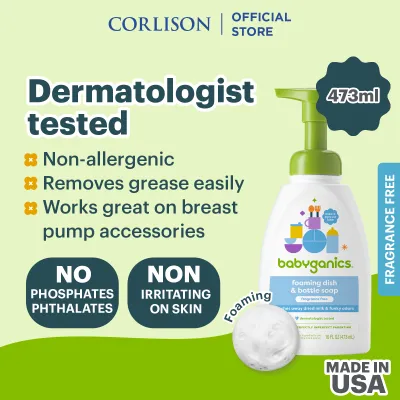
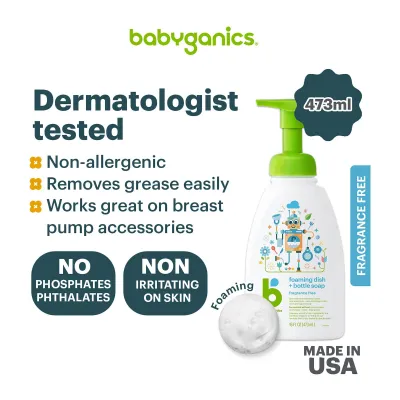
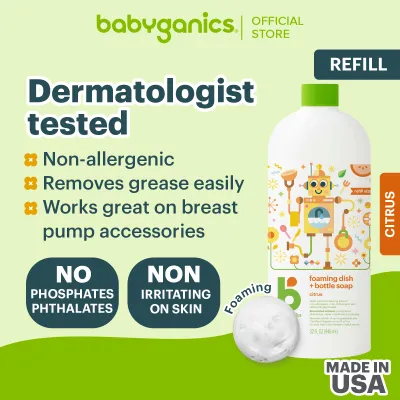
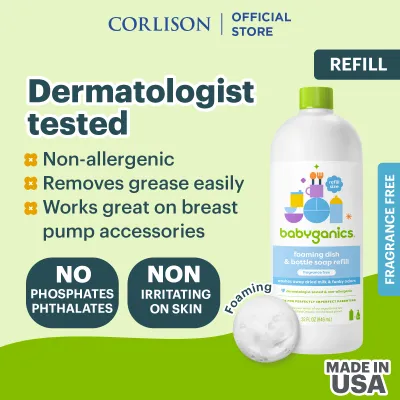
When preparing to wash your baby’s feeding equipment, the product packaging serves as your primary guide for safe and effective use. Rather than relying on general assumptions, take a moment to inspect the label on your specific bottle of Babyganics dish soap. Look for key product claims and formulations, such as plant-based cleaning agents, hypoallergenic designations, or pediatrician-tested labels, to understand the intended use of the formula.
Products mentioned in this guide
Prices are valid at publication and may change. Please refer to the product page for the latest price.

Pay close attention to any specific usage warnings, recommended dilution ratios, or material restrictions printed on the back of the bottle. Some formulations may require a specific amount of water to activate the sudsing action effectively, while others might be optimized for direct application onto a damp sponge or brush. Verifying these details helps you use the correct amount of soap, preventing unnecessary waste and ensuring the formula performs as intended.
Finally, check the label for explicit instructions regarding rinsing. Ensuring a complete, thorough rinse with clean water is essential to prevent soap residue from building up on the inner walls of the bottles. This residue can affect the taste of subsequent feeds or cause cloudiness over time, making a proper rinse-off protocol a critical step in your daily cleaning routine.
Washing Glass Bottles: Maintaining Clarity and Preventing Breakage
Glass baby bottles are highly favored by many parents due to their non-porous surface, which naturally resists the absorption of milk fats, food dyes, and stubborn odors. Unlike other materials, glass maintains its clarity over long periods of use and is highly resistant to the micro-scratches that can harbor bacteria. This makes glass an excellent candidate for standard dish soaps, as the smooth surface allows milk residue to slide off relatively easily during a basic wash.
However, maintaining glass bottles requires regular visual inspections to ensure they remain completely clean. Over time, you may notice a slight cloudiness, white film, or hard water stains developing on the glass surface, especially if you live in an area with high mineral content in the tap water. If you observe milk fat buildup or mineral deposits, adjusting your routine to include a brief soak in warm, soapy water before scrubbing can help loosen the residue without requiring excessive force.
Safety is the primary concern when handling, washing, and drying glass feeding items. Because wet glass is exceptionally slippery, always maintain a firm grip and consider using a dedicated wash basin lined with a soft mat to cushion any accidental drops. Inspect each bottle thoroughly before and after washing for any hairline cracks, chips, or structural weaknesses, and discard any damaged bottles immediately to prevent breakage or injury during feeding.
Washing Plastic Bottles: Preventing Scratches and Trapped Odors
Plastic baby bottles are popular for their lightweight design and shatterproof durability, making them highly convenient for travel and active daily use. However, plastic is a relatively soft material that requires a gentle touch during the cleaning process. Using abrasive sponges, steel wool, or stiff-bristled brushes can easily create micro-scratches on the inner and outer surfaces of the bottle, which can eventually trap milk proteins, moisture, and bacteria.
To keep plastic bottles in optimal condition, perform regular sensory checks after washing and drying them. Sniff the inside of the bottle to check for lingering sour milk odors, and inspect the plastic under good lighting for signs of discoloration, cloudiness, or a greasy film. If you detect a persistent smell or a slippery texture, it often indicates that milk fats have bonded with the plastic surface, requiring a more careful washing approach.
When washing plastic, always use warm water rather than boiling water, as extreme heat can accelerate the degradation of certain plastics. Apply your baby dish soap using a soft-bristle brush, a dedicated sponge, or a silicone bottle brush, cleaning in gentle circular motions. Rinse the bottles thoroughly under running water to ensure all soap suds and loosened milk residues are completely flushed away before setting them to air-dry in a well-ventilated area.
Washing Silicone Bottles: Removing Greasy Residue and Smells
Silicone baby bottles offer a soft, squeezable texture that mimics natural feeding, but the material presents unique cleaning challenges due to its chemical structure. Silicone is naturally hydrophobic, meaning it repels water but readily attracts and holds onto fats and oils. This characteristic makes silicone bottles highly prone to retaining a greasy film from breast milk or formula, as well as absorbing strong odors from surrounding environments.
To ensure your silicone bottles are truly clean, rely on tactile and visual checks during the washing process. After rinsing, run a clean finger along the inside walls of the bottle; a properly cleaned silicone bottle should feel completely squeaky-clean and free of any slick or slippery residue. If the surface still feels greasy or has a cloudy appearance, you may need to wash the bottle a second time with warm, soapy water, paying extra attention to the corners and base.
For persistent odors or stubborn grease buildup, deep-cleaning methods may occasionally be necessary. Some manufacturers permit boiling the silicone components or using specialized sterilization techniques to refresh the material. However, these methods must be strictly conditional on the bottle manufacturer’s explicit instructions, as excessive heat exposure can warp or damage certain silicone grades, particularly if they are integrated with plastic collars or valves.
Which Bottle Material Fits Your Cleaning Routine?
Choosing the right baby bottle material involves balancing your daily lifestyle with the specific cleaning habits you are willing to maintain. If you prioritize high scratch resistance, easy stain removal, and a material that does not retain odors, glass is an excellent choice, provided you are comfortable managing the extra weight and the risk of breakage. Glass bottles simplify the washing process because they rinse clean quickly and tolerate standard cleaning tools well.
If you require a lightweight, shatterproof option for feeding on the go or for when your baby begins holding their own bottle, plastic is highly practical. However, choosing plastic means committing to a gentle cleaning routine, using only soft-bristle or silicone brushes, and accepting that these bottles may need to be replaced more frequently if they become scratched or retain persistent odors.
If you prefer a soft, flexible bottle that feels natural to hold, silicone is a compelling option. Selecting silicone requires a willingness to manage its tendency to attract milk fats, which means dedicating extra time to thorough rinsing, tactile checks for greasy residue, and occasional deep-cleaning steps as permitted by the manufacturer.
Before making your final decision, always verify if your chosen Babyganics soap variant and your specific bottle brand have any conflicting care instructions. Aligning your cleaning products with the manufacturer’s guidelines ensures your bottles remain safe, clean, and durable throughout your baby’s feeding journey.
Frequently Asked Questions (FAQ)
Can I use Babyganics dish soap to wash bottle nipples and pacifiers?
Yes, you can generally use baby dish soap to clean bottle nipples and pacifiers, but you must verify this by checking the product label for explicit safety claims regarding high-contact silicone or latex accessories. Because these items go directly into your baby’s mouth, ensuring they are free of soap residue is paramount. Always consult the accessory manufacturer’s care guidelines to confirm that the soap formulation will not degrade the specific type of rubber, latex, or silicone used in the nipple or pacifier.
Do I need a separate bottle brush for different materials?
While you do not strictly need a completely different brush for each material, using the right brush type is essential for protecting your bottles. Soft-bristle, sponge, or silicone-tipped brushes are highly recommended for plastic and silicone bottles to prevent surface scratching. Although glass bottles can tolerate standard nylon brushes without scratching, adopting gentle cleaning tools across all your bottle materials simplifies your routine and extends the lifespan of your entire feeding inventory.

Community discussion
Share your experience or ask a question. Comments are reviewed before publication.