
To compare Ciele with other popular diaper brands in Singapore, parents must evaluate how each option performs under local conditions, specifically focusing on fit, absorbency, and skin comfort in a humid climate. Because every baby has a unique body shape, sleeping position, and skin sensitivity, there is no single diaper brand that works optimally for every infant. Instead of relying on generic claims, the most reliable way to find the right diaper is to establish a structured, hands-on comparison using observable criteria and a systematic trial period. This approach allows you to assess how Ciele measures up against your current preferred brand in real-world, daily scenarios.
Setting Up Your Diaper Comparison Criteria
To conduct a fair comparison between Ciele and your current diaper brand, you need a standardized evaluation process. This helps you move past initial impressions and focus on how each diaper handles your baby’s daily routines. Key metrics to monitor include overnight absorbency, daytime breathability, waistband elasticity, and the accuracy of the wetness indicator. By focusing on these specific areas, you can identify which diaper meets your baby’s physical needs and fits your daily caregiving routine.
A structured trial period is the most effective way to gather reliable, real-world data. You might choose to alternate brands every other day, or use one brand exclusively for a full week before switching to the other. This allows you to observe how each diaper performs during different activities, such as active daytime play, long stroller walks, and uninterrupted overnight sleep. Keeping a simple log of leaks, skin condition, and fit issues during this period will provide a clear basis for your final decision.
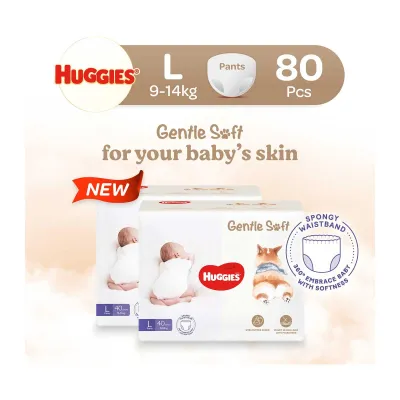
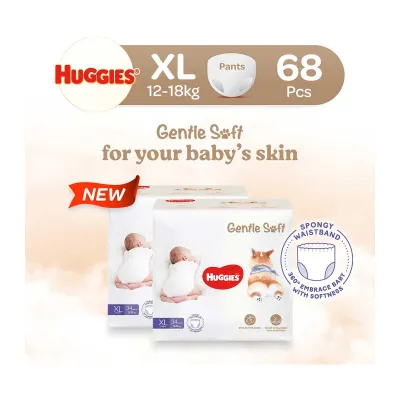
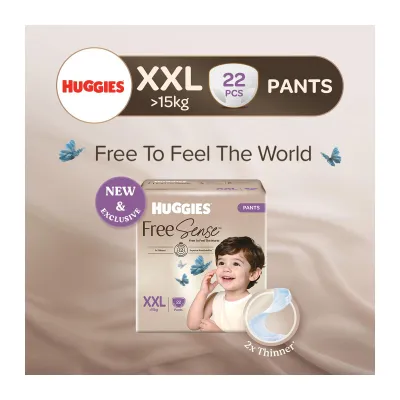
Products mentioned in this guide
![[1 Carton] Huggies Dry Comfort Silver Pants X-Large 40 Pcs x 3 Packs (14-18 KG)](https://img.lazcdn.com/g/p/67428ec55ded7b30d9fb8e8ae5dcc292.jpg_400x400q80.jpg_.webp)
Prices are valid at publication and may change. Please refer to the product page for the latest price.
Before starting your trial, always check the manufacturer’s weight ranges and sizing charts printed on the packaging. Sizing is not standardized across brands, so a medium in one brand may not align with a medium in another. Ensuring you are testing the correct size for your baby’s current weight is essential for an accurate and fair comparison. A diaper that is too small will leak and cause red marks, while one that is too large will sag and fail to contain messes, regardless of the brand’s quality.
Evaluating Ciele Against Everyday Brands
Absorbency and Leak Protection
Evaluating how a diaper manages moisture is critical for preventing leaks and keeping your baby comfortable. During your trial, observe the diaper’s surface dryness and overall weight after a standard wear period. A diaper should lock moisture away from your baby’s skin, leaving the inner lining feeling relatively dry to the touch even when full. You can test this by gently pressing a dry tissue against the inner lining of a wet diaper immediately after removal to see if any moisture transfers back.

Pay close attention to physical fit during active movement and sleep. Check for gaps around the leg cuffs, sagging in the crotch area, or moisture seeping through the sides. Note your baby’s typical sleeping position, as front-sleepers and back-sleepers place different demands on a diaper’s distribution channels. For instance, front-sleepers require more absorbent material toward the front of the diaper, while back-sleepers need coverage that extends higher up the back to prevent blowouts.
To understand how each brand achieves its performance, review the manufacturer’s stated core technology and layer structure on the packaging. Look for details regarding absorbent polymers, distribution layers, and channel designs. This information helps explain why one diaper might feel slimmer yet absorb as effectively as a thicker alternative. Understanding these mechanisms allows you to evaluate whether a diaper relies on bulky pulp or advanced polymer channels to manage wetness.
Material, Breathability, and Skin Comfort
Singapore’s high humidity makes breathability and material softness top priorities for infant skin health. Physically feel the inner lining and outer cover of both Ciele and your comparison brand. Compare the overall softness, texture, and thickness to determine which material feels gentler against delicate skin. A softer outer cover reduces friction against your baby’s thighs, while a breathable outer layer allows hot air and moisture to escape, keeping the diaper area cooler.
Monitor your baby’s skin closely throughout the trial period. Look for signs of redness, chafing, irritation, or heat rash, particularly around the waistband, thighs, and diaper area. A diaper that lacks adequate breathability can trap heat and moisture, quickly leading to skin discomfort in warm weather. If you notice that your baby consistently develops redness after wearing one particular brand, it may indicate that the materials or the fit are not compatible with their skin.
Always verify any dermatological testing claims, hypoallergenic statements, or material certifications printed directly on the product label. These labels provide independent verification of the materials used, helping you make an informed choice if your baby has highly sensitive skin. Look for certifications that confirm the absence of chlorine, fragrances, and heavy metals, as these additives are common triggers for contact dermatitis and skin sensitivities.
Fit, Sizing, and Mobility
A diaper must accommodate your baby’s movements without causing discomfort or restricting play. Compare the waistband stretch and the strength of the tape fasteners between Ciele and your alternative brand. The fasteners should hold securely during active movement without tearing or slipping, and the waistband should stretch comfortably to accommodate a full tummy after feeding.
Observe your baby as they crawl, walk, or sit to see if the diaper appears bulky or restricts their natural range of motion. After removing the diaper, check for deep red marks or indentations on your baby’s thighs and waist. Persistent marks indicate that the diaper’s elastic bands or overall cut may be too tight, suggesting that you may need to adjust the fastening position or try a different size.
Cross-reference each brand’s specific sizing chart with your baby’s current weight and thigh circumference. Because sizing cuts vary significantly between manufacturers, you may find that your baby requires a different size in Ciele than they do in another popular brand to achieve the optimal fit. A proper fit should allow you to slide two fingers comfortably under the waistband and around the leg cuffs, ensuring security without constriction.
Assessing Value and Availability in Singapore
Evaluating a diaper brand involves balancing performance with ongoing household expenses and purchasing convenience. To find the true cost, calculate the price per diaper in S$ by dividing the total pack price by the number of pieces inside. Be sure to factor in bulk purchase options, subscription discounts, or promotional bundles available on local ecommerce platforms and at supermarkets. This calculation gives you a standardized unit cost, making it easier to compare brands that package their diapers in different quantities.
Consistency of stock is another crucial factor for busy parents. Check the availability of your baby’s specific size across local retail stores, pharmacies, and online marketplaces. A diaper brand that is frequently out of stock or difficult to source can cause unnecessary stress when you run low. Consider whether the brand is readily available for quick delivery or if you must plan purchases weeks in advance to avoid running out of supplies.
Finally, consider the overall cost-to-performance ratio rather than just the upfront price per pack. If a slightly more expensive diaper keeps your baby dry for longer and requires fewer changes throughout the day, it may end up being more cost-effective. Conversely, if a budget-friendly diaper requires frequent, unexpected changes due to leaks, the total consumption rate will rise, along with your laundry load and stress levels. Balancing unit cost with real-world performance ensures you get the optimal value for your budget.
Decision Framework: Which Diaper Fits Your Baby Best?
Choosing the right diaper comes down to matching your trial observations with your family’s specific needs and budget. You may decide to choose Ciele if your structured trial demonstrates reliable leak protection for your baby’s sleeping position, and their skin remains clear and free of irritation. If the diaper fits securely, prevents overnight leaks, and keeps your baby comfortable throughout Singapore’s humid days, it represents a strong option for your daily routine.
On the other hand, it is practical to stick to your current brand if Ciele offers comparable performance but at a significantly higher cost per piece, or if the physical cut leaves red marks on your baby’s skin. A diaper that does not fit your baby’s unique proportions will not perform well, regardless of its design. If your current brand already keeps your baby dry and rash-free at a lower price point, there may be little practical benefit in making a permanent switch.
If your baby has highly sensitive skin or a history of severe diaper rash, always consult a pediatrician before switching brands entirely or introducing new materials. A medical professional can help identify specific triggers, recommend hypoallergenic options, and guide you on what material properties to look for. They can also help determine if a persistent rash is related to the diaper itself or other factors like diet or wipes.
Many parents find success with a mix-and-match strategy rather than relying on a single brand. For example, you might use a highly absorbent, premium diaper for overnight sleep to ensure uninterrupted rest, while opting for a lighter, more cost-effective diaper for frequent daytime changes when your baby is active. This approach allows you to optimize both your budget and your baby’s comfort, utilizing the strengths of different brands for different times of the day.
Frequently Asked Questions (FAQ)
How long should I trial a new diaper brand before deciding?
A minimum trial period of three to five days is generally recommended to evaluate a new diaper brand accurately. This timeframe allows you to observe how the diaper performs across various daily activities, different fluid intake levels, and multiple overnight sleep cycles. However, if you notice immediate signs of skin irritation, severe redness, blistering, or an allergic reaction, you should stop using the diaper immediately and consult a healthcare professional.
Can I mix different diaper brands for day and night use?
Yes, mixing different diaper brands is a highly practical and cost-effective strategy for many families. You can use a highly absorbent diaper to keep your baby dry during long overnight stretches, and a lighter, budget-friendly option for daytime hours when changes are more frequent. When using multiple brands, keep in mind that sizing cuts vary, so you may need to purchase different sizes in each brand to ensure a proper fit.

Community discussion
Share your experience or ask a question. Comments are reviewed before publication.