
Choosing the right yogurt melts for your baby involves more than just picking a familiar package from the supermarket shelf. While many parents look for a single recommended brand, the ideal choice depends on your baby’s developmental stage, dietary needs, and your family’s nutritional preferences. Selecting a safe and nutritious option in Singapore requires careful label reading, an understanding of ingredient lists, and a clear assessment of your baby’s readiness for solid snacks.
This guide provides a practical framework to help you evaluate the yogurt melt options available in local supermarkets and online marketplaces. By learning how to analyze ingredients, identify hidden sugars, and recognize physical readiness signs, you can build a safe and suitable shortlist of snacks for your little one.
Understanding Yogurt Melts and Baby Readiness
Before introducing yogurt melts to your baby’s diet, it is essential to determine if they are developmentally ready for this type of snack. Yogurt melts are small, freeze-dried drops that require specific oral motor skills to consume safely. Babies typically show readiness for finger foods around eight to ten months of age, though individual development varies.
Products mentioned in this guide
![[Carton of 7] Gerber Mixed Berries Yogurt Melts Baby Snack 28g - From 8 Months](https://img.lazcdn.com/g/p/a5a7714a18617608b31b8e9158649ae1.jpg_400x400q80.jpg_.webp)
![[Carton of 7] Gerber Strawberry Yogurt Melts Baby Snack 28g - From 8 Months](https://img.lazcdn.com/g/p/e636c7e28b7cdf20104fd64a6066b360.jpg_400x400q80.jpg_.webp)
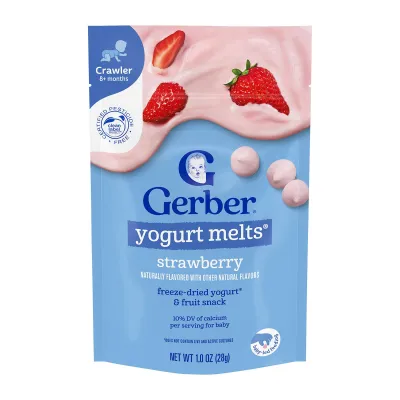
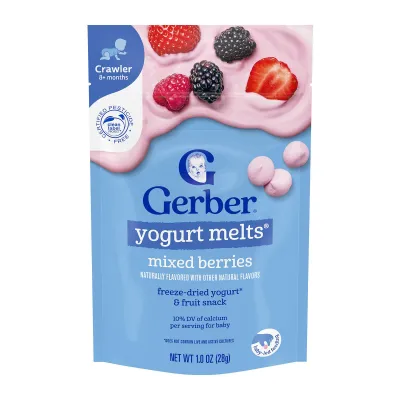
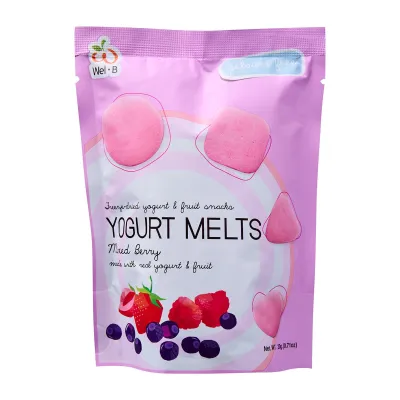
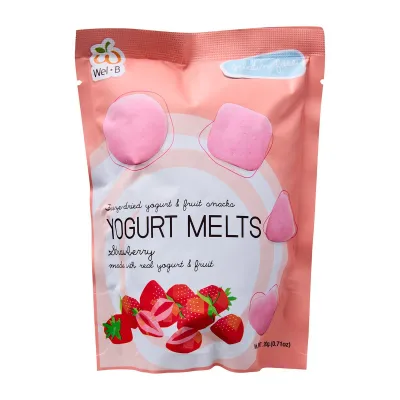
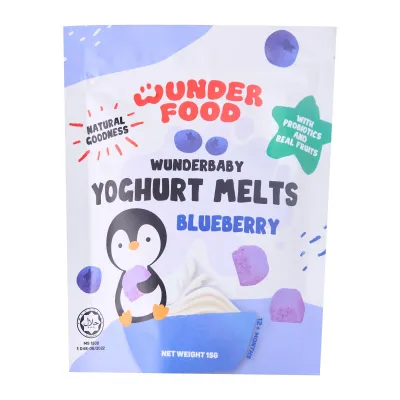
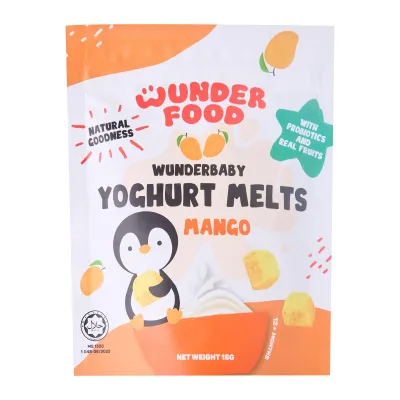
Prices are valid at publication and may change. Please refer to the product page for the latest price.
Key physical signs of readiness include the ability to sit upright unassisted in a high chair with good head control. Your baby should also demonstrate the pincer grasp, which is the ability to pick up small objects using the thumb and forefinger. Another crucial sign is the disappearance of the tongue-thrust reflex, meaning your baby no longer automatically pushes solid objects out of their mouth with their tongue. If your baby is still relying on purees and struggles to move solid pieces around their mouth, it is best to delay introducing freeze-dried snacks.
It is important to understand the nutritional differences between commercial yogurt melts, regular plain yogurt, and fresh fruit. Commercial yogurt melts undergo a freeze-drying process that removes water content, which concentrates the natural sugars and any added sweeteners. While they are convenient for on-the-go snacking and excellent for practicing fine motor skills, they do not offer the same hydration or volume as fresh, plain unsweetened yogurt. Fresh fruit provides essential dietary fiber and vitamins that are often reduced during the processing of freeze-dried snacks. Therefore, yogurt melts should be viewed as a supplemental transition food rather than a primary source of daily nutrition.
Caregiver supervision is mandatory whenever a baby is eating yogurt melts. Although these snacks are designed to dissolve quickly when mixed with saliva, they can still present a choking hazard under certain conditions. For example, if the melts have absorbed moisture from the air, they can become sticky and gummy instead of dissolving easily. Always ensure your baby is seated completely upright while eating, and never leave them unattended. If you observe your baby coughing, gagging, or struggling to swallow, stop feeding immediately and consult a qualified healthcare professional.
Key Criteria for Evaluating Yogurt Melt Brands
When evaluating different yogurt melt brands, the ingredient list and nutrition information panel are your most reliable tools. Many products marketed for babies contain high amounts of sugar to appeal to young tastes. To make an informed choice, you must distinguish between naturally occurring milk sugars (lactose) and added sugars.

Check the nutrition label for the “Sugars” line under total carbohydrates, and compare it directly to the ingredient list. Naturally occurring sugars come from the milk and fruit purees used as base ingredients. Added sugars, however, may appear under names such as sucrose, cane sugar, organic sugar, white grape juice concentrate, or brown rice syrup. Choosing products with minimal or no added sugars helps protect your baby’s developing teeth and prevents them from forming an early preference for overly sweet foods.
Ingredient simplicity is another critical factor to assess on the packaging. The best options generally feature short, recognizable ingredient lists. Avoid products that contain artificial colors, artificial flavors, chemical preservatives, or unnecessary fillers such as modified food starch, gelatin, or maltodextrin. These additives are often used to improve shelf life, texture, or appearance, but they offer no nutritional benefit to your growing baby.
Allergen safety requires diligent verification, especially since yogurt melts are dairy-based products. If your baby has a known milk allergy or sensitivity, standard yogurt melts are not suitable. Additionally, you must check the packaging for cross-contamination warnings. Many manufacturing facilities process multiple types of food, so look for statements such as “made in a facility that also processes wheat, soy, or tree nuts” if your baby has specific dietary restrictions.
Many brands highlight probiotic claims on their packaging, often using phrases like “contains live and active cultures.” While probiotics can support digestive health, the freeze-drying process can significantly reduce the viability of these beneficial bacteria. To verify these claims, look for specific strain names listed in the ingredients, such as Lactobacillus bulgaricus or Streptococcus thermophilus. Keep in mind that these claims are dynamic, and you should verify the manufacturer’s documentation if you are seeking specific probiotic benefits for your baby.
Navigating Popular Brand Profiles in Singapore
Parents in Singapore have access to a wide range of imported and local baby food brands. These products can generally be categorized into organic options, no-added-sugar formulations, and alternative milk bases. Understanding these categories allows you to narrow down your choices based on your family’s values and budget.
Organic and non-GMO focused brands are highly popular among parents looking to minimize exposure to synthetic pesticides and genetically modified ingredients. When evaluating these brands, look for official certification seals on the packaging, such as the USDA Organic seal or the EU Organic leaf logo. These certifications indicate that the product has met strict international production standards. You can verify the validity of these claims by checking the official importer’s registry or the manufacturer’s certified organic documentation.
No-added-sugar options are designed to provide flavor using only real fruit purees and natural dairy. When reviewing these brands, confirm that the sweetness is derived entirely from ingredients like organic apple puree, banana puree, or strawberry puree. These products are excellent for parents who want to introduce fruit flavors without exposing their baby to refined sweeteners. Be sure to check that fruit juice concentrates are not being used as a hidden sweetening agent high up on the ingredient list.
For babies with dairy sensitivities or lactose intolerance, alternative milk bases are an important category to explore. Some brands offer freeze-dried melts made from coconut milk, almond milk, or oat milk. When choosing a plant-based yogurt melt, it is crucial to check the packaging to see if the product is fortified with calcium and vitamin D. Plant-based milks do not naturally contain the same nutrient profile as cow’s milk, so verification of fortification is essential to ensure your baby receives adequate bone-supporting nutrients.
Finally, consider the practical aspects of price and packaging. Freeze-dried baby snacks are lightweight, so comparing the retail price alone can be misleading. Instead, calculate the price per 100 grams to determine the actual value. In Singapore’s humid climate, packaging quality is highly important. Look for brands that package their melts in high-quality, resealable foil pouches. This helps prevent moisture from entering the bag after opening, preserving the texture and safety of the snack.
Building Your Shortlist and Reading Labels
To select the most suitable yogurt melts for your baby, it is helpful to perform a structured label-reading exercise. This step-by-step approach ensures you do not overlook critical nutritional details when shopping in-store or browsing online marketplaces.
First, locate the serving size and the number of servings per container on the nutrition facts label. This helps you understand how much sugar and sodium your baby consumes in a single snack session. Second, look at the ingredient list, which is organized in descending order by weight. The first three to four ingredients make up the majority of the product. If sugar, cane syrup, or fruit juice concentrate appears near the top of the list, the product is highly sweetened and may not be the best choice for daily snack routines. Third, verify the allergen statement at the bottom of the ingredient list to ensure there are no hidden dairy, gluten, or soy ingredients if your baby has sensitivities.
When introducing a new brand of yogurt melts, always follow a safe introduction protocol. Introduce only one new food or brand at a time, and maintain a monitoring period of three to five days. During this time, do not introduce any other new foods. This allows you to isolate the cause if your baby experiences an adverse reaction. Watch closely for signs of food allergies, which can include hives, redness around the mouth, swelling of the lips or tongue, vomiting, or sudden diaper rash.
Proper storage is critical to maintaining the safety and texture of freeze-dried snacks in Singapore’s tropical climate. High humidity can cause yogurt melts to absorb moisture rapidly once the seal is broken. Always store the pouch in a cool, dry pantry away from direct sunlight, and ensure the resealable zipper is completely closed. Before serving a melt to your baby, perform a quick physical check. Press the melt between your fingers; it should feel dry, firm, and slightly chalky. If the melt feels soft, sticky, or is clumped together with other melts, discard it immediately. Sticky melts do not dissolve quickly in the mouth and present a significant choking risk.
Always prioritize your baby’s health and safety over convenience. If you notice any signs of digestive discomfort, unusual fussiness, or allergic reactions after your baby consumes yogurt melts, stop feeding them the snack immediately. Consult a pediatrician or a qualified healthcare professional to evaluate your baby’s symptoms and receive personalized dietary guidance.
Frequently Asked Questions (FAQ)
Can babies have yogurt melts every day?
Yogurt melts should be treated as an occasional snack or a tool for practicing fine motor skills rather than a daily dietary staple. Because freeze-dried snacks are processed and have concentrated sugars, they should not replace fresh, whole foods in your baby’s diet. Fresh fruits, vegetables, and plain unsweetened yogurt provide superior hydration, dietary fiber, and essential nutrients. For personalized advice on portion sizes and how often to offer snacks based on your baby’s specific growth and developmental needs, consult your pediatrician or a qualified pediatric dietitian.
Do yogurt melts need to be kept in the fridge?
Commercial freeze-dried yogurt melts are shelf-stable and do not require refrigeration before or after opening, as the freeze-drying process removes almost all moisture to prevent bacterial growth. However, they must be stored in an airtight container in a cool, dry place to protect them from ambient humidity. In Singapore’s warm and humid environment, leaving the pouch open even briefly can cause the melts to absorb moisture. If you observe that the melts have become soft, sticky, or clumped together, they have been exposed to moisture and should be discarded, as they will no longer dissolve safely in your baby’s mouth.

Community discussion
Share your experience or ask a question. Comments are reviewed before publication.