
Finding the perfect XXL diaper for an active toddler is rarely a matter of picking the most expensive brand off the shelf. Because every toddler has a unique body shape, walking gait, and activity level, no single brand can universally guarantee the best fit and absorbency. The ideal choice relies on matching specific diaper design profiles—such as core placement, waistband elasticity, and leg barrier construction—to your child’s individual physical build and daily movement patterns.
Active toddlers present a unique diapering challenge because their physical milestones demand a balance between high liquid capacity and structural flexibility. As children transition into the XXL size range, they are no longer just crawling; they are running, climbing, squatting, and twisting. A diaper that performs excellently when a child is sedentary may sag, shift, or gap under the dynamic forces of active play, leading to sudden leaks even if the core is not fully saturated.
This guide provides a practical framework to help you navigate the diaper aisle without relying on trial-and-error bulk purchases. We will break down the essential design features that dictate real-world performance, outline simple testing methods you can perform at home, and compare two distinct diaper profiles tailored to different toddler lifestyles. By understanding how to troubleshoot common fit issues, you can keep your toddler comfortable and dry throughout their busiest days.
Products mentioned in this guide
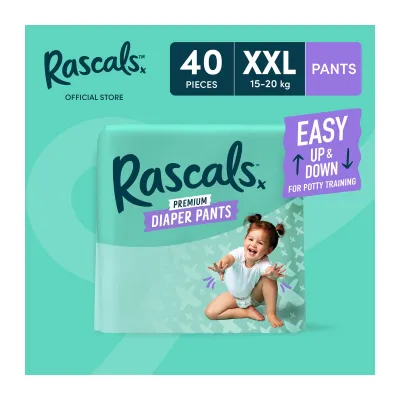

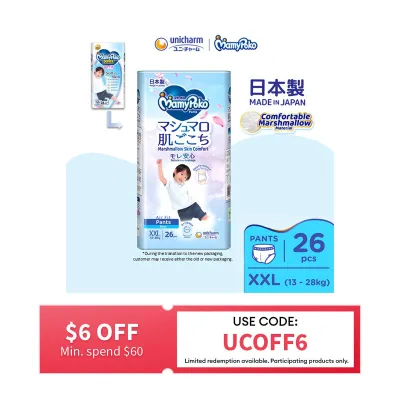
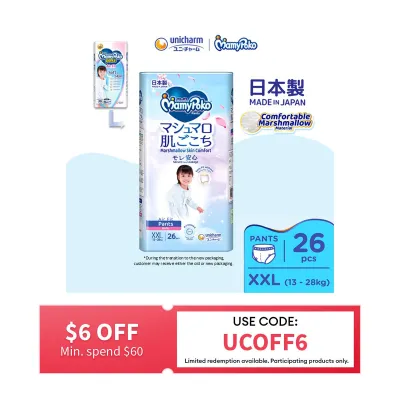
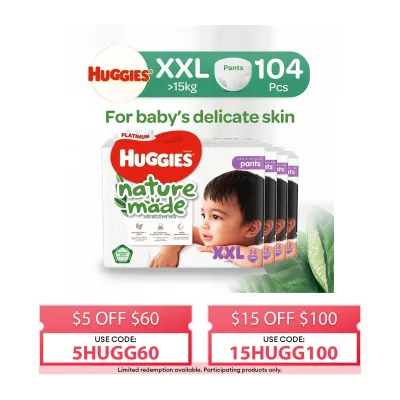

Prices are valid at publication and may change. Please refer to the product page for the latest price.
What to Look for in XXL Diapers for Active Toddlers
When evaluating XXL diapers, the distribution of the absorbent core is a critical factor that directly influences both comfort and leak prevention. Many standard diapers feature an evenly distributed core, which works well for younger infants but can become problematic for highly mobile toddlers. For active children, a front-heavy core design is often more effective, particularly for boys or toddlers who spend a lot of time crawling and bending forward. An improperly balanced core can cause the diaper to sag prematurely when wet, pulling the waistband down and creating gaps around the thighs where moisture can easily escape.
The waistband and fastener system must offer exceptional flexibility to accommodate a toddler’s constant physical expansion and contraction. When a child sits, climbs, or eats, their abdomen expands significantly; a rigid waistband can restrict breathing or dig into the skin, causing red marks and discomfort. Look for diapers that feature highly elastic, multi-strand waistbands or wide, stretchy side tabs that stretch smoothly with movement. The fasteners should remain securely anchored even when subjected to the high-tension pulling forces of running and jumping, preventing the diaper from shifting off-center.
Leg gussets serve as the final line of defense against leaks, making their design paramount for toddlers who engage in wide-stance play, squatting, or floor activities. Double-barrier leg cuffs, which feature an inner elasticized barrier and an outer protective ruffle, offer significantly better protection than single-barrier designs. These gussets must be soft enough to prevent chafing in the sensitive groin crease, yet resilient enough to maintain a snug seal against the skin regardless of how wide the toddler stretches their legs. A high-quality leg cuff will naturally self-adjust during movement, keeping liquid contained until it can be fully absorbed by the core.
How to Test and Verify Diaper Claims Before Buying
Diaper packaging is often covered in marketing claims of long-lasting dryness or maximum leak protection, but these statements are typically based on standardized laboratory tests rather than real-world toddler movement. To avoid spending money on a large box of diapers that may not fit, start by carefully analyzing the manufacturer’s weight guidelines. If your toddler is approaching the upper limit of the XXL weight range—for instance, weighing 15 kilograms when the range is 15 to 25 kilograms—the diaper may already be too tight in key areas, reducing its effective absorbency and increasing the risk of compression leaks.

Before committing to a bulk purchase, obtain a small sample pack or a trial pack from a local pharmacy or an online marketplace. Once you have the diaper in hand, perform a physical inspection to assess its breathability and core thickness. In warm and humid tropical climates, a thick, plastic-like outer cover can trap heat and moisture, quickly leading to diaper rash and skin irritation. Gently rub the inner and outer sheets between your fingers to ensure they feel soft and fibrous, and hold the diaper up to the light to check if the absorbent material is distributed evenly without clumping.
The ultimate test of any diaper occurs during active wear, where you should observe how the product retains its shape over a three-to-four-hour period. Pay close attention to how much the diaper sags as it begins to fill with liquid; a high-quality core should lock moisture away and maintain its structural integrity without bunching up between the thighs. After your toddler has been running or playing, gently slide your finger along the inner leg cuffs and waistband to check for surface dryness and ensure no moisture has seeped through to the outer clothing.
Which Diaper Profile Fits Your Toddler's Movement?
To simplify your selection process, it helps to categorize XXL diapers into two distinct design profiles based on your toddler’s physical build and daily habits. Profile A features a highly elastic, ultra-flexible waistband paired with a thinner, streamlined absorbent core. This profile is ideal for exceptionally active, lean toddlers who spend their days running, climbing playground structures, and navigating indoor play areas. The lightweight construction minimizes bulk between the legs, allowing for an unrestricted range of motion and reducing the risk of chafing during high-speed movement.
Profile B, by contrast, utilizes a thicker, high-capacity absorbent core combined with a wider, more structured waistband. This profile is best suited for heavy wetters, toddlers who take long afternoon napping sessions, or those with a sturdier, rounder physical build and deeper leg creases. The robust core is designed to handle sudden, large volumes of liquid without leaking, while the wider waistband helps distribute the weight of a wet diaper more evenly across the hips. If your toddler frequently experiences leaks during car rides or while sleeping, the extra coverage and capacity of Profile B will provide more reliable protection.
If you find that your toddler is consistently leaking through both profiles despite wearing the correct size and having the diaper applied perfectly, it may be time to reassess the product category rather than the brand. Persistent leaks can sometimes indicate that your child’s bladder capacity has outgrown standard disposable diapers, suggesting a need to transition to specialized overnight pants or pull-up training pants. Additionally, if leaks are accompanied by sudden changes in urination frequency or volume, it is wise to consult a pediatrician to rule out any underlying health or developmental factors.
When selecting a diaper profile, material safety must always take precedence over raw absorbency, especially if your toddler has sensitive skin or a history of eczema. In humid environments, sweat and friction can exacerbate skin sensitivities, making chemical additives particularly problematic. Prioritize diapers that carry clear material safety labels, such as those indicating they are free from elemental chlorine, latex, and added fragrances. Checking for dermatological testing claims on the packaging can help ensure the materials are gentle enough for daily wear, reducing the risk of painful rashes that can disrupt your toddler’s active play.
Troubleshooting Leaks: Is It the Fit or the Absorbency?
When a leak occurs, caregivers often assume the diaper’s absorbency is at fault, but the root cause is frequently an issue of fit or application. It is important to distinguish between compression leaks and saturation leaks to apply the correct solution. Compression leaks happen when a wet diaper is squeezed by tight clothing, car seat straps, or the toddler’s own body weight while sitting, forcing liquid out of the core like water from a sponge. Saturation leaks, on the other hand, occur when the absorbent core has reached its maximum physical capacity and can simply hold no more liquid, resulting in a heavy, completely soaked diaper.
To resolve fit-related leaks, establish a consistent application routine that ensures symmetrical tension and proper alignment. When fastening taped diapers, angle the tabs slightly downward to secure a snug fit around the thighs, or upward to secure a looser fit around a full tummy, ensuring the tabs are placed symmetrically on the landing zone. Always run your fingers around the leg openings after fastening to pull the elasticized leg gussets fully outward; a tucked-in cuff is one of the most common causes of immediate leaks during active play.
While minor adjustments can solve most diapering issues, there are times when persistent problems require professional guidance. If your toddler experiences ongoing skin irritation, severe diaper rash that does not improve with barrier creams, or unusual wetting patterns, stop using the current brand and consult a pediatrician. A medical professional can help identify potential contact allergies to specific diaper materials or advise on whether a change in diapering routine is necessary to protect your child’s skin health.
Frequently Asked Questions (FAQ)
When should I transition my toddler from XXL diapers to pull-up training pants?
The transition from taped XXL diapers to pull-up training pants is typically driven by developmental milestones and physical cooperation rather than age alone. If your toddler has become highly resistant to lying down for diaper changes, wriggling or rolling away during fastening, pull-up pants can make the process much faster and less stressful. Physically, if your child is showing signs of toilet training readiness—such as expressing discomfort when wet, staying dry for longer stretches, or attempting to pull their own pants down—pull-ups serve as an excellent transitional tool. They allow the toddler to practice the motion of dressing themselves while still providing reliable leak protection during active play.
Does a heavier diaper always mean better absorbency for active toddlers?
A physically heavier or thicker diaper does not automatically translate to superior absorbency or better leak protection for an active toddler. Modern diaper technology relies heavily on Superabsorbent Polymers (SAP), which are tiny gelling crystals embedded within a thin fibrous matrix. High-quality diapers often use advanced SAP configurations that allow the diaper to remain incredibly thin and lightweight while still absorbing multiple times its weight in liquid. In fact, an excessively thick diaper made of bulky fluff pulp can restrict your toddler’s movement, sag heavily when wet, and trap heat, whereas a thinner diaper with high-quality SAP will keep your child drier and more comfortable during active play.

Community discussion
Share your experience or ask a question. Comments are reviewed before publication.