
Finding reliable table guard brands in Singapore requires looking beyond marketing claims to evaluate verified safety standards, material quality, and consistent parent feedback. Because a child’s safety and your furniture’s condition depend on the specific product, there is no single universal ranking for the “best” brand. Instead, identifying a trusted brand involves understanding material benchmarks, recognizing reliable market categories, and knowing how to cross-check user reviews. This guide equips parents with the criteria to evaluate brands and select the right edge protection for their home.
While physical barriers like table guards significantly reduce the risk of impact injuries, they are secondary safety aids. Caregivers must always maintain active supervision of infants and toddlers, as no childproofing product can completely replace attentive adult care. By understanding what makes a brand trustworthy, you can make an informed decision that protects both your child and your home environment.
Key Criteria for Evaluating Table Guard Brands
Material Safety
Parents must verify that the materials used in a table guard are non-toxic, BPA-free, and phthalate-free. Since infants and toddlers often explore their environment with their mouths—especially when teething—checking for these chemical safety benchmarks on product labels is a critical first step. Trusted brands will clearly state compliance with international toy safety standards, ensuring that the guard does not leach harmful chemicals if a child chews on it.
Products mentioned in this guide
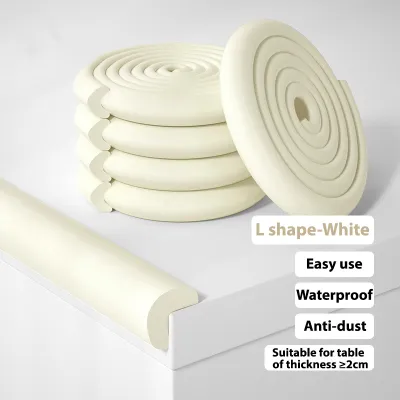
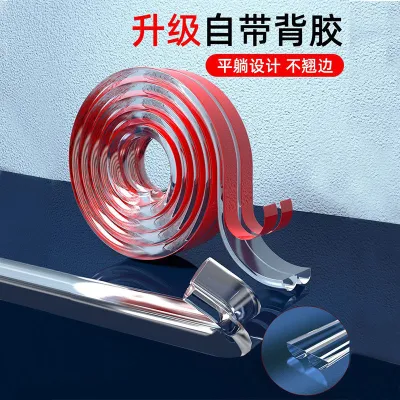
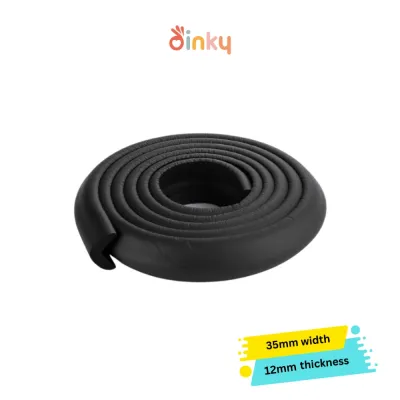
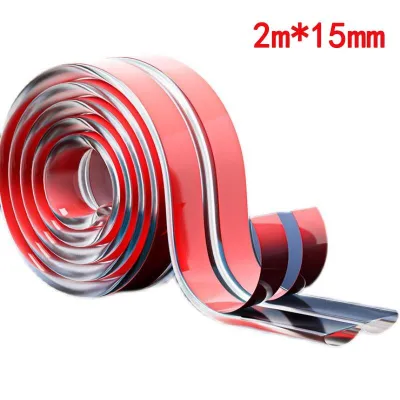

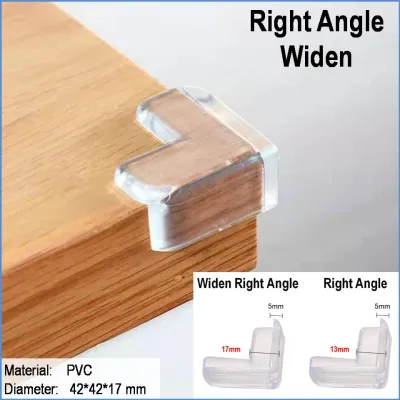
Prices are valid at publication and may change. Please refer to the product page for the latest price.
Impact Absorption
The primary function of a table guard is to cushion impacts and prevent serious injuries from falls. Parents should evaluate the density of foam guards or the thickness of silicone options to determine their shock-dispersing properties. High-density foam offers excellent cushioning for sharp corners, while thick silicone provides a firmer but highly durable barrier. The material must be resilient enough to rebound quickly after an impact, maintaining its protective shape over time.
Adhesive Quality
A table guard is only as effective as the adhesive holding it in place. A reliable brand must balance a strong initial grip—preventing curious toddlers from peeling the guard off—with clean, residue-free removal. This balance is particularly crucial for delicate wood veneers, lacquered finishes, or painted surfaces. High-quality acrylic adhesives are often preferred because they cure securely over time without bonding permanently to the underlying furniture finish.
Choking Hazard Prevention
Some low-quality foam guards can easily tear, crumble, or break into small pieces when bitten or pulled by a child. When evaluating brands, parents should look for high-tensile, tear-resistant materials that resist crumbling. If a child can easily bite off a piece of the guard, the product itself becomes a serious choking hazard. Checking for a dense, integrated skin on foam guards can help ensure the material remains intact under daily wear.
Common Brand Categories in the Local Market
International Baby Safety Specialists
These brands focus exclusively on childproofing products and typically invest heavily in research and development. Their table guards often feature standardized sizing, rigorous material testing, and highly detailed installation instructions. While these products generally carry a premium price point in Singapore specialty stores, they offer a high level of consistency and readily available safety certifications that give parents peace of mind.

Local Mother-and-Baby Labels
Often distributed through regional boutiques or local online marketplaces, these brands frequently provide competitive pricing and practical designs. Many of these labels tailor their products to regional furniture styles, such as compact dining tables or low coffee tables common in local apartments. However, because these brands may source from various manufacturers, parents must take extra care to independently verify their safety certifications and material specifications.
General Home Safety and Hardware Brands
These brands focus primarily on utility, durability, and heavy-duty protection. Often found in local hardware stores, their products offer exceptional impact resistance and long-lasting adhesives designed for high-traffic environments. While highly cost-effective, these brands may prioritize industrial functionality over aesthetic appeal, resulting in bulky designs or limited color options that do not blend easily with nursery or living room decor.
How to Verify Brand Reliability and Parent Reviews
Verifying Safety Certifications
Rather than relying on vague product descriptions like “100% safe” on online marketplaces, parents should look for official test reports or certification labels from recognized testing bodies. Trusted brands will readily provide these documents or display clear certification codes on their official websites. Key standards to look for include compliance with European (EN 71) or American (ASTM) toy safety regulations, which verify the absence of heavy metals and harmful plasticizers.
Filtering Online Reviews
When browsing online marketplaces, it is helpful to filter reviews to focus on verified purchases and long-term usage updates. Initial unboxing reviews often praise the appearance or ease of installation, but long-term reviews reveal how well the adhesive holds up over several months of daily use. Look for feedback from parents who have used the product for at least three to six months to get an accurate picture of durability.
Spotting Red Flags
Recurring complaints in user feedback are valuable warning signs that a brand may not be reliable. Parents should watch out for consistent reports of adhesive failure within a few weeks, strong chemical odors that do not dissipate after opening, or materials that crumble easily under minor wear. If multiple reviews mention that a toddler easily peeled or bit through the guard, it is best to consider alternative options.
Comparing Specifications
Cross-referencing a brand’s official claims—such as “damage-free removal” or “extra-thick cushioning”—against actual parent experiences helps paint an accurate picture of the product’s real-world performance. If a brand claims its adhesive is safe for all surfaces, but reviews consistently mention ruined wood finishes, you can make a more cautious decision based on your specific furniture type.
Step-by-Step Selection Checklist for Your Home
Measuring Edge Length
Before purchasing, parents should measure the total length of all sharp edges that require protection. This includes dining tables, coffee tables, TV consoles, bedside tables, and low shelves. Calculating the exact length and adding a ten percent margin for cutting errors prevents mid-project shortages and ensures complete coverage of all vulnerable areas in your home.
Matching Guard Profiles
Table guards come in various shapes, and matching the guard’s profile to the specific geometry of your furniture is essential for a secure fit. L-shape profiles are ideal for standard 90-degree edges, while U-shape profiles are designed for thin glass, metal, or stone countertops. Flat strips work best for wider, flat surfaces. An incorrect profile match can leave gaps where dust accumulates, making it easier for toddlers to pull the guard off.
Assessing Environmental Factors
Singapore’s tropical climate, characterized by high humidity and warm temperatures, can significantly impact adhesive performance. Parents should select adhesives formulated to withstand humid conditions, particularly for furniture placed near open windows or in non-air-conditioned rooms. Cheap rubber-based glues may soften and slide in warm weather, whereas high-quality acrylic adhesives maintain their bond despite environmental moisture.
Considering Aesthetic Preferences
While safety is the top priority, choosing guards that complement your home decor can make baby-proofing feel less intrusive. Transparent silicone guards are excellent for preserving the natural look of wooden or glass tables, making them highly discreet. Alternatively, color-matched foam guards can blend seamlessly with painted furniture, helping to maintain a cohesive look in your living spaces.
Installation and Maintenance Best Practices
Surface Preparation
Proper installation begins with a clean surface. Parents should thoroughly clean the furniture edges with rubbing alcohol or a mild, residue-free cleaner to remove dust, grease, and polish. Household cleaners containing oils or silicones must be avoided, as they leave a film that prevents the adhesive from bonding properly. Ensure the surface is completely dry before applying the guard.
Application Techniques
When applying the guard, it is important to press firmly along the entire length to activate the pressure-sensitive adhesive. Avoid stretching the material during application, as stretching creates tension that will eventually pull the adhesive away from the corners. Caregivers should allow the adhesive to cure for the manufacturer’s recommended time—typically 24 hours—before allowing children near the table.
Routine Inspection
Table guards require regular checks to ensure they remain secure and safe. Parents should inspect the guards weekly for signs of peeling, loosening, or bite marks. Any damaged or loose sections must be replaced immediately to maintain optimal impact protection and prevent the guard from becoming a choking hazard if a child attempts to pull it off.
Safe Removal
When it is time to remove the guards, applying gentle heat from a hair dryer can soften the adhesive, making it easier to peel away without damaging the furniture. Slowly peel the guard back at an angle, parallel to the surface, rather than pulling straight up. Using a furniture-safe adhesive remover, mild vegetable oil, or baby oil can help clean up any remaining residue without stripping wood finishes or paint.
Frequently Asked Questions (FAQ)
Are foam or silicone table guards safer for toddlers?
Both materials offer distinct safety benefits depending on your child’s developmental stage. Foam guards generally provide superior shock absorption for younger toddlers who are still unstable on their feet and prone to heavy falls. However, if your child is in a teething phase and prone to biting objects, durable silicone guards are often safer because they resist tearing and do not pose the same crumbling or choking risks as foam.
How do I remove table guard adhesive without damaging wood furniture?
To safely remove adhesive from wooden furniture, start by warming the guard with a hair dryer on a low heat setting to soften the glue. Slowly peel the guard back at an angle. For any remaining residue, apply a small amount of furniture-safe oil or a mild adhesive remover, allowing it to sit for a few minutes before gently wiping it away with a soft microfiber cloth. Always test any remover on an inconspicuous area of the furniture first.
Do table guards need to be replaced as the child grows?
Yes, table guards typically need replacement or removal as your child develops. Over time, environmental factors like humidity and physical wear can degrade the adhesive and the guard material itself. Once a child reaches a developmental stage where they have stable balance, understand safety boundaries, and no longer collide with furniture edges, the guards can be safely removed.

Community discussion
Share your experience or ask a question. Comments are reviewed before publication.