
Choosing the right organic baby rice grain for your infant’s first transition to solid foods is a significant milestone for parents in Singapore. To identify the most trusted brands, look for products that carry recognized international organic certifications, comply fully with Singapore Food Agency (SFA) import standards, and provide essential iron fortification without added sugars or synthetic fillers. Because no single brand fits every infant’s unique developmental needs, the most reliable approach is to evaluate products based on transparent ingredient sourcing, rigorous heavy metal testing, and clear nutritional labeling. By focusing on these verifiable safety and nutritional benchmarks, you can confidently select a high-quality option that supports your baby’s early growth and digestive health.
Why Parents Prioritize Organic Rice Grains for First Solids
Single-grain white or brown rice is traditionally favored as a starter food because it is exceptionally gentle on an infant’s developing digestive system. The proteins in rice are easily broken down, making it highly unlikely to trigger allergic reactions compared to gluten-containing grains like wheat, rye, or barley. This low-allergen profile allows parents to introduce solids gradually, monitoring their baby’s tolerance without overwhelming their immature gut. Starting with a single grain also makes it much easier to identify the culprit if your baby experiences any digestive discomfort or mild allergic reactions.
Choosing organic rice grains helps minimize your baby’s exposure to synthetic pesticide residues, chemical fertilizers, and genetically modified organisms (GMOs). During the first year of life, an infant’s organs and metabolic pathways are still developing rapidly, making them more sensitive to environmental toxins than adults. Organic cultivation practices prioritize natural soil health and pest control, reducing the chemical load on the raw ingredients used in baby food. This proactive step helps protect your baby’s developing system during a critical window of physical growth.
Products mentioned in this guide
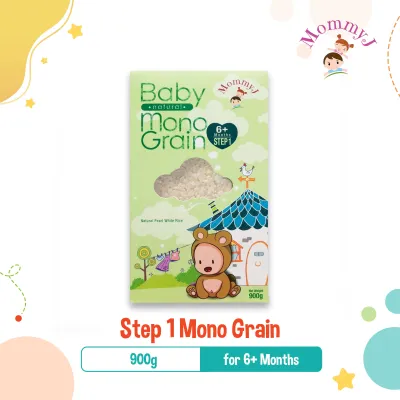
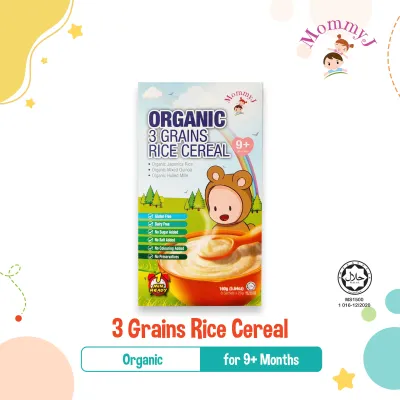
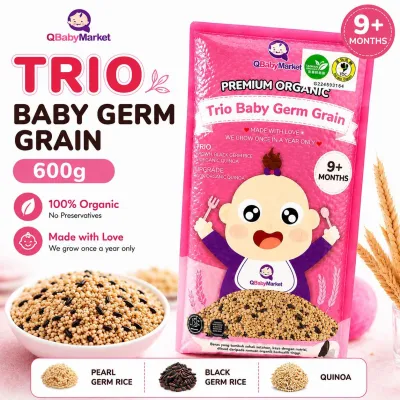
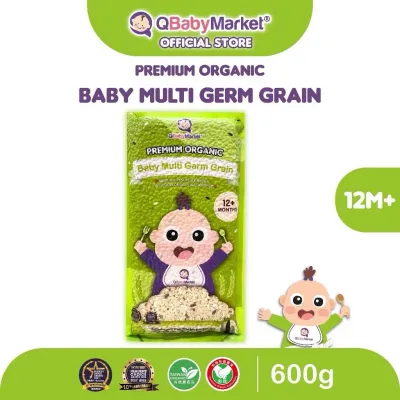
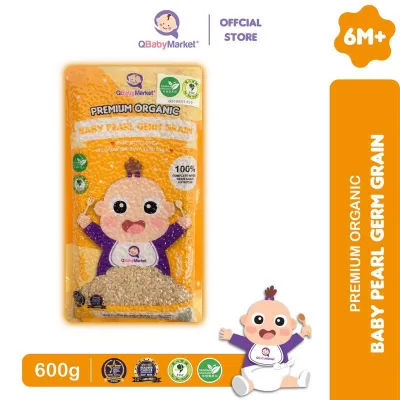
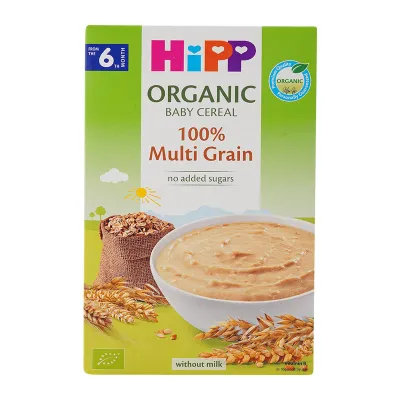
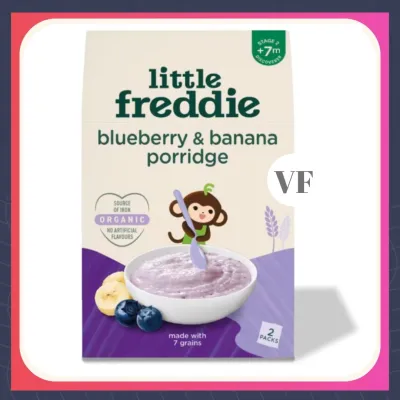
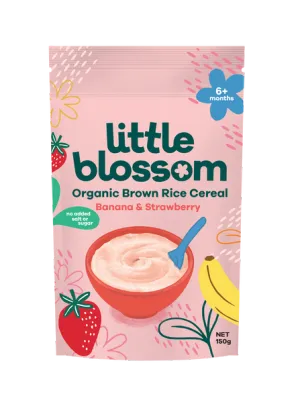
Prices are valid at publication and may change. Please refer to the product page for the latest price.
Around the six-month mark, a baby’s natural iron stores accumulated during gestation begin to deplete, while their nutritional requirements for growth increase. Breast milk or standard infant formula alone may no longer fully meet these escalating iron needs, making dietary iron a top priority. Opting for iron-fortified organic baby rice grains ensures your child receives a reliable, easily absorbable source of this critical mineral, which is essential for healthy brain development, cognitive function, and red blood cell production.
Essential Criteria for Evaluating Organic Baby Rice Brands
When comparing brands on the shelves of local supermarkets or online marketplaces, the organic label should be backed by a reputable third-party certification body. Look for recognized seals such as the United States Department of Agriculture (USDA) Organic, the European Union (EU) Organic leaf, or Australia’s National Association for Sustainable Agriculture (NASAA). These certifications guarantee that the rice was grown, harvested, and processed under strict organic standards that prohibit synthetic chemicals and require regular farm audits. Verifying these seals ensures that the product meets international standards for organic integrity from farm to table.

Check the nutritional information panel to verify the specific iron fortification levels. Infant cereals sold in Singapore are subject to nutritional guidelines, but the exact amount of iron can vary between brands. A high-quality baby rice grain should clearly state the percentage of the daily recommended intake of iron it provides per portion, helping you ensure your baby meets their daily developmental milestones. Look for brands that use highly bioavailable forms of iron, such as electrolytic iron or ferrous fumarate, which are easier for your baby’s body to absorb and utilize effectively.
Carefully read the ingredient list to ensure the product contains only pure organic rice and essential vitamins or minerals. Avoid brands that include added sugars, sucrose, fruit juice concentrates, sodium, or artificial flavorings, as these can encourage a preference for overly sweet foods early in life. Fillers like maltodextrin, starches, or thickeners should also be minimized, as they dilute the nutritional density of the cereal and offer little benefit to your baby’s growing body. A clean, simple ingredient list is always the safest choice for an infant’s first food.
Rice plants naturally absorb arsenic and other heavy metals from the soil and water more readily than other grain crops. Trusted manufacturers address this concern by conducting rigorous, independent third-party testing on every batch of raw rice and finished product. Look for brands that publish their safety standards, heavy metal limits, and testing results transparently on their official websites or customer portals. This transparency is a key indicator of a brand’s commitment to safety and quality, giving parents peace of mind when introducing solids.
Additionally, consider the manufacturing environment and how the brand manages allergen cross-contamination. Trusted brands often process their baby food in dedicated, allergen-controlled facilities to prevent accidental exposure to common allergens like gluten, dairy, soy, or nuts. If your family has a history of severe allergies, look for brands that explicitly state their allergen-control protocols or carry certified gluten-free labels on their packaging.
Navigating Safety and Compliance in Singapore
All food products imported into Singapore must comply with the strict regulations set by the Singapore Food Agency (SFA). The SFA regulates food safety, labeling requirements, and maximum limits for pesticide residues and heavy metals in infant foods. When purchasing baby rice grains, ensure the packaging features English labeling that complies with local regulations, including importer details and ingredient listings. This ensures the product has undergone the necessary import checks and meets local safety standards.
Parents should stay informed about local food safety alerts and product recalls issued by the SFA. Trusted brands maintain robust tracking systems that allow them to isolate and recall specific batches quickly if any safety issues arise. Regularly checking the SFA website or subscribing to official safety updates helps you verify that the products in your pantry remain safe for consumption. This proactive approach is essential for maintaining a safe feeding environment for your baby.
To guarantee product authenticity and proper storage conditions, purchase baby rice grains from authorized distributors, reputable local supermarkets, or official brand stores on online marketplaces. Gray-market imports or unauthorized parallel imports may not have been transported or stored under temperature-controlled conditions, which can compromise the freshness and safety of the product. Buying from official channels also ensures you have direct recourse to the manufacturer or local distributor if you have questions or concerns.
Furthermore, pay attention to how local retailers handle and display these products. In Singapore’s warm and humid climate, proper storage is crucial to prevent spoilage, mold growth, or insect infestation. Reputable retailers store baby food in cool, dry, and well-ventilated areas, away from direct sunlight. If you notice any packaging that appears bloated, damaged, or stored in poor conditions, avoid purchasing it and report the issue to the store management.
Building Your Shortlist: A Practical Label-Reading Checklist
Begin your evaluation by looking at the very first ingredient listed on the packaging, which should always be organic rice (either white or brown). Check for potential cross-contamination warnings, especially if your family has a history of allergies to gluten, soy, or dairy. A clean label with minimal, recognizable ingredients is generally the safest choice for an infant’s first food. Avoid products that list sweeteners, artificial preservatives, or hydrogenated oils, as these have no place in a baby’s early diet.
Compare the nutritional panels of different brands to assess their caloric density, protein content, and iron levels per serving. Some brands may offer additional nutrients, such as zinc, calcium, or B-complex vitamins, which can complement your baby’s diet. Ensure the serving sizes are comparable so you can make an accurate assessment of the nutritional value relative to the price. Keep in mind that while some premium organic options may cost slightly more in S$ per pack, their superior nutritional profile and safety standards often justify the investment.
Inspect the physical packaging of the baby rice grain before purchasing. The container should be completely sealed, airtight, and free from dents, tears, or signs of moisture ingress. Clear expiration or ‘best before’ dates must be printed legibly on the packaging, allowing you to manage your pantry stock and avoid feeding your baby stale or expired cereal. If purchasing online, check the retailer’s policy on minimum shelf-life guarantees to ensure you receive fresh products.
Evaluate how easily you can access information about the brand’s sourcing and manufacturing processes. Reputable brands often provide QR codes on their packaging or detailed sections on their websites explaining where their organic rice is grown and how it is processed. This level of transparency builds trust and reassures you that the manufacturer prioritizes safety and quality at every stage of production. Brands that actively engage with parent inquiries and provide detailed product information are generally more reliable.
Additionally, look for preparation instructions that are clear and easy to follow. A good baby rice grain should mix smoothly with breast milk, formula, or warm water without clumping, allowing you to easily adjust the consistency as your baby’s feeding skills progress. Clear guidelines on storage after opening, such as using the product within a certain number of weeks, are also essential for maintaining freshness and safety at home.
Transitioning from Rice Grains to a Varied Diet
As your baby becomes accustomed to the texture of thin rice cereal, look for signs that they are ready to progress to thicker consistencies and a wider variety of foods. These signs include improved head control, the ability to sit upright with minimal support, and a curiosity about what others are eating. Once your baby can swallow smooth purees easily, you can gradually introduce other single-ingredient foods. This gradual progression helps your baby develop essential oral-motor skills and a healthy relationship with food.
To minimize potential exposure to naturally occurring heavy metals like arsenic, it is highly recommended to rotate rice with other organic grains. Introduce options such as organic oatmeal, barley, quinoa, or millet cereals once your baby has successfully tolerated rice. This dietary rotation not only reduces exposure risks but also exposes your infant to a broader range of flavors, textures, and essential nutrients. Offering a diverse range of grains early on also helps prevent picky eating habits later in childhood.
Every baby develops at their own pace, and their nutritional requirements can vary based on growth rates and health conditions. Consult your pediatrician or a qualified pediatric dietitian before starting solids or when planning major dietary transitions. A professional can provide personalized guidance on portion sizes, iron requirements, and the safe introduction of potentially allergenic foods. They can also help you monitor your baby’s growth and ensure they are meeting all their developmental milestones.
Frequently Asked Questions (FAQ)
Is organic baby rice completely free from heavy metals?
No, organic certification does not guarantee that baby rice is entirely free from heavy metals. Heavy metals like arsenic, lead, and cadmium occur naturally in the earth’s crust and can be present in soil and water, regardless of whether organic or conventional farming methods are used. Because rice plants absorb these elements from their environment, organic rice can still contain trace amounts of heavy metals. To manage this risk, choose brands that actively test their products for heavy metals and maintain strict safety thresholds. Additionally, ensure you offer a varied diet by rotating different types of grains, such as oatmeal or quinoa, to minimize cumulative exposure.
Can I use regular organic rice from the pantry instead of baby rice grain?
While you can grind and cook regular organic rice from your pantry, it is generally not recommended as a direct substitute for commercially prepared baby rice grain during the initial stages of weaning. Regular pantry rice lacks the mandatory iron fortification that commercially prepared infant cereals provide, which is crucial for meeting your baby’s nutritional needs after six months when their natural iron stores begin to deplete. Additionally, commercial baby rice is processed to achieve an extremely fine, easily digestible texture that is safe for infants who are just learning to swallow solids, reducing the risk of choking and digestive discomfort. Preparing pantry rice to this exact, safe consistency at home can also be challenging and time-consuming.

Community discussion
Share your experience or ask a question. Comments are reviewed before publication.