
Finding the right edge strip to baby-proof your Singapore home involves looking beyond marketing buzzwords and focusing on verifiable safety standards, material durability, and adhesive reliability. In Singapore’s warm, humid climate, standard adhesives can degrade quickly, leading to peeling guards that active toddlers can easily pull off. Furthermore, many local apartments feature custom built-in carpentry with sharp laminate edges, compact glass coffee tables, or low-lying TV consoles that present unique safety hazards. While many brands claim to be the most trusted, parents must evaluate specific material certifications and physical designs to ensure they protect active toddlers.
Rather than relying solely on brand popularity, a methodical approach to selecting edge guards will help you create a safer living space. This guide outlines the essential criteria for evaluating edge strip brands, compares the most common materials available on local e-commerce platforms, and provides a practical decision framework to help you choose the right protection for your furniture.
Key Criteria for Evaluating Edge Strip Brands
When evaluating different edge strip brands, the first and most critical factor is material safety. Because infants and toddlers often explore their environment by touching and mouthing objects, the chemical composition of the edge guard is paramount. Reliable brands will clearly state on their packaging that their products are non-toxic, BPA-free, phthalate-free, and heavy-metal-free. You should look for brands that provide verifiable compliance with international safety standards, rather than relying on vague marketing claims.
Products mentioned in this guide
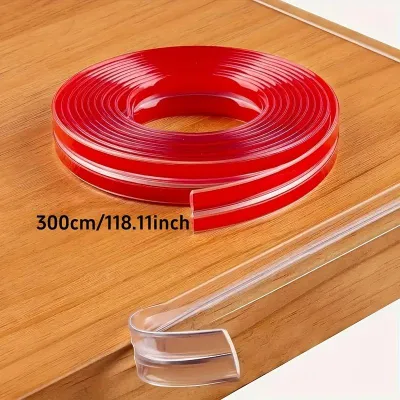
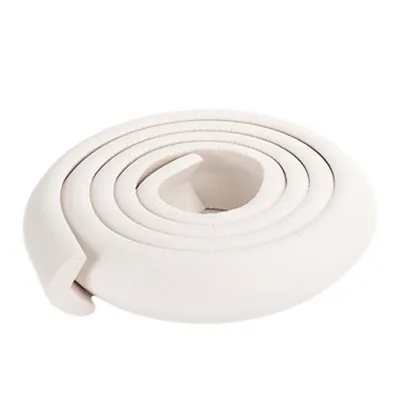
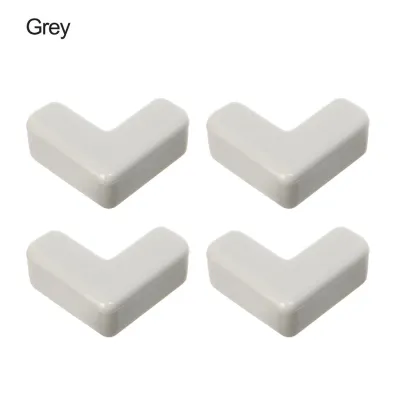
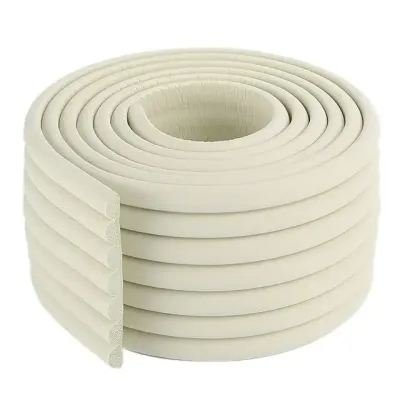
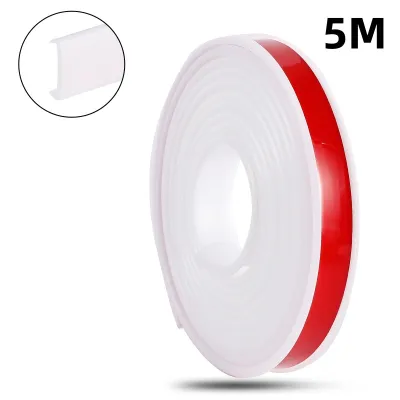
Prices are valid at publication and may change. Please refer to the product page for the latest price.
Adhesive quality is another essential criterion that separates reliable brands from generic alternatives. A high-quality edge strip must feature an adhesive that can withstand both the curious fingers of a toddler and the high humidity levels typical of Singapore homes. Look for brands that specify the type of adhesive tape included, such as heavy-duty double-sided acrylic tape, which is known for its strong bond and clean removal. The product documentation should ideally offer guidance on surface compatibility, indicating whether the adhesive is safe for varnished wood, glass, metal, or laminate.
Impact absorption is the primary functional requirement of any edge guard. The thickness and density of the material must be appropriate for your child’s developmental stage and the specific hazards in your home. For instance, a crawling baby bumping into a low shelf requires a different level of cushioning than a toddler who is learning to walk and might fall with significant force against a sharp dining table corner. Trusted brands often offer varying thicknesses and density ratings, allowing you to match the level of protection to the specific furniture piece.
Finally, manufacturer transparency and clear documentation are key indicators of a trustworthy brand. Reliable manufacturers provide comprehensive installation instructions, clear age recommendations, and direct contact information for customer support. They also outline clear warnings regarding the limitations of their products, such as when to stop using a specific guard if a child begins to chew on it. Avoid brands that offer generic packaging with no clear manufacturer details or safety warnings.
Comparing Edge Strip Materials and Designs
Edge strips are generally available in three primary materials: foam, silicone, and PVC. Foam guards, typically made from Nitrile Butadiene Rubber (NBR) or Ethylene-Vinyl Acetate (EVA), offer the highest level of impact absorption due to their thick, cushiony texture. They are highly effective for heavy wooden or metal furniture where severe bumps are a concern. However, foam is bulky, highly visible, and susceptible to bite marks from teething toddlers, which can create small pieces that pose a choking hazard.

Silicone and PVC edge guards offer a sleeker, more low-profile alternative that blends seamlessly with modern home decor. These materials are often transparent, making them ideal for glass tables, polished stone, or minimalist furniture where you want to maintain the aesthetic appeal. While they are highly durable and resistant to biting or tearing, they are generally firmer than foam and provide less cushioning during high-impact collisions. They serve as an excellent barrier against sharp cuts but may not absorb impact as effectively as thick foam.
The method of adhesive application also varies between pre-taped models and those requiring separate tape application. Pre-taped edge strips offer maximum convenience, allowing for quick installation directly out of the box. However, they leave little room for error during alignment. Separate adhesive application, where you apply the double-sided tape to the furniture first and then press the guard onto it, often allows for a more precise fit and a stronger bond, especially on complex or uneven furniture profiles.
Additionally, you must choose between corner guards and continuous edge strips. Corner guards are designed specifically to cover the sharp, three-sided corners of tables and desks, which represent the highest risk of head injuries. Continuous edge strips, on the other hand, are sold in rolls and can be cut to length to cover the entire perimeter of a piece of furniture. For comprehensive hazard coverage, a combination of both formats is often necessary, ensuring that both the long sharp edges and the pointed corners are fully protected.
Verifying Brand Reliability on Online Marketplaces
With numerous baby-proofing products available on online marketplaces and e-commerce platforms, verifying brand reliability requires a critical eye. Start by analyzing verified buyer reviews rather than relying solely on overall star ratings. Look for detailed feedback from local buyers who have used the product in similar environmental conditions. Pay close attention to reviews that mention premature adhesion failure, easy peeling by toddlers, strong chemical odors, or materials that degrade quickly under normal use.
To minimize the risk of purchasing counterfeit or substandard safety gear, always try to buy from official brand stores or authorized local distributors. Many reputable baby safety brands maintain official storefronts on major e-commerce platforms, which guarantees that you are receiving genuine products that meet international safety standards. Purchasing from unverified third-party sellers increases the risk of receiving products made from non-compliant plastics or utilizing industrial-grade adhesives that can permanently damage furniture finishes.
Be alert to common red flags when browsing online listings. A lack of specific manufacturer details, vague material descriptions (such as simply labeling a product as “rubber” or “plastic” without specifying the compound), and the absence of clear safety certifications are major warning signs. If a seller cannot provide clear answers regarding the chemical safety of their products or if the packaging lacks clear safety warnings, it is best to avoid the product entirely.
Furthermore, local parenting communities and forums can be invaluable resources for verifying brand reputation. Singapore parents frequently share real-world experiences regarding which edge strip brands have successfully withstood the local humidity and the persistent efforts of active toddlers. Leveraging this collective experience can help you narrow down your choices to brands with a proven track record of durability and safety in local households.
Decision Framework: Choosing the Right Edge Strip
To select the most suitable edge strip for your home, you must match the material and design to your specific furniture types and your child’s developmental needs. If your primary goal is to protect a child from sharp, heavy wooden or metal dining tables, prioritize thick, high-density foam strips. The superior impact absorption of foam is essential for these high-risk zones, even if the bulky appearance compromises the visual appeal of the furniture.
For glass coffee tables, polished stone countertops, or modern minimalist furniture, clear silicone or PVC guards are the preferred choice. These materials provide a firm, protective barrier that prevents cuts while preserving the aesthetic design of your home. Before purchasing, verify that the adhesive provided is specifically rated for glass or polished surfaces, as some standard tapes can slide or lose their grip on highly smooth materials.
Always inspect the surface of your furniture before selecting an edge strip. Standard adhesives require a smooth, clean, and non-porous surface to form a strong bond. If your furniture features textured wood, uneven surfaces, or freshly painted finishes, standard adhesives are highly likely to fail. In such cases, you may need to look for specialized brands that offer heavy-duty, surface-specific adhesives, or consider alternative baby-proofing methods that do not rely on tape.
If your furniture has highly curved, unusually thin, or round edges, standard L-shaped or U-shaped guards may not fit properly. Attempting to force a rigid guard onto a curved surface will put constant tension on the adhesive, leading to rapid peeling. For these challenging shapes, seek out highly flexible profile guards or custom-moldable safety bumpers designed to conform to irregular contours without compromising adhesion.
Installation and Maintenance for Lasting Safety
Proper installation is critical to ensuring that your chosen edge strip remains securely in place. Begin by thoroughly cleaning the furniture surface to remove all dust, oils, and polish residue. Wipe the area with rubbing alcohol and allow it to dry completely before applying the adhesive. Avoid using standard household spray cleaners, as they often leave behind a slick residue that prevents the adhesive from bonding effectively with the surface.
Once the surface is dry, apply the adhesive tape and press the edge strip firmly along its entire length for at least 30 seconds to activate the pressure-sensitive bond. It is vital to allow the adhesive to cure undisturbed for the manufacturer’s recommended time—typically 24 hours—before allowing your child near the furniture. Introducing stress to the bond before it has fully cured is one of the most common reasons for premature peeling.
Routine maintenance and regular inspections are essential to prevent secondary hazards. Check the installed edge strips weekly for any signs of peeling, loose corners, or material degradation. If your child is actively teething and has begun to chew on the foam guards, stop using foam immediately and switch to a firmer, bite-resistant material like silicone, or consult a pediatric professional for advice on safe teething alternatives. Any damaged or loose sections must be replaced immediately to eliminate choking risks.
When the time comes to remove the edge strips, taking a careful approach will protect your furniture’s finish. Do not pull the strips off forcefully, as this can tear wood veneers or lift paint. Instead, use a hair dryer on a low, warm setting to gently heat and soften the adhesive. Once warmed, slowly peel the strip away from the surface. Any remaining adhesive residue can be safely cleaned using a mild adhesive remover, vegetable oil, or warm soapy water.
Frequently Asked Questions (FAQ)
Are transparent edge strips as safe as foam ones?
Transparent silicone or PVC edge strips are highly effective at preventing cuts and bruises from sharp corners, but they are generally firmer than foam. This means they provide less impact cushioning during a heavy fall. For high-impact zones like low wooden coffee tables, thick foam is generally safer, whereas transparent guards are ideal for glass surfaces and low-profile protection.
How often should I check the adhesive on baby edge guards?
You should inspect the adhesive on your edge guards at least once a week. Look closely for lifting corners, peeling sections, or dust accumulation under the tape, which can weaken the bond. In humid environments like Singapore, or on frequently used furniture, more frequent checks are recommended to ensure the guards remain securely attached.
Can I use generic double-sided tape instead of the adhesive provided by the brand?
It is highly recommended to use only the adhesive provided or recommended by the safety brand. Generic double-sided tapes may not be formulated to bond safely with the specific guard material, leading to premature failure. Additionally, generic tapes may contain toxic chemicals or use industrial-strength adhesives that can permanently ruin your furniture’s finish upon removal.

Community discussion
Share your experience or ask a question. Comments are reviewed before publication.