
Securing your home as your baby transitions from crawling to walking is a major milestone that requires careful planning. In Singapore, where modern apartments like HDB flats and condominiums often feature extensive built-in cabinetry, open-concept kitchens, and low-level storage units, safeguarding cupboards is an essential step in creating a secure environment. Cupboards often house household cleaning agents, sharp kitchen utensils, heavy dinnerware, or small items that pose immediate choking hazards. To prevent curious toddlers from accessing these dangerous areas, installing reliable cupboard locks is a highly effective preventive measure.
Finding a trusted cupboard lock brand involves looking beyond attractive packaging and marketing promises. Parents must take a systematic approach to evaluate how different locking mechanisms interact with their specific furniture, their child’s developing motor skills, and even the local climate. A lock that works perfectly in a dry, temperate climate might fail prematurely in Singapore’s warm, humid environment if the adhesive or materials are not designed to withstand these conditions. By understanding the core standards of lock design, material safety, and installation requirements, you can make an informed decision that keeps your child safe.
This guide provides a comprehensive framework for evaluating cupboard lock brands, comparing the most common lock types, matching mechanisms to your cabinet design, and executing proper installation. Whether you are dealing with solid wood, laminate, or glass cabinets, selecting the right lock ensures long-term durability and peace of mind.
Products mentioned in this guide
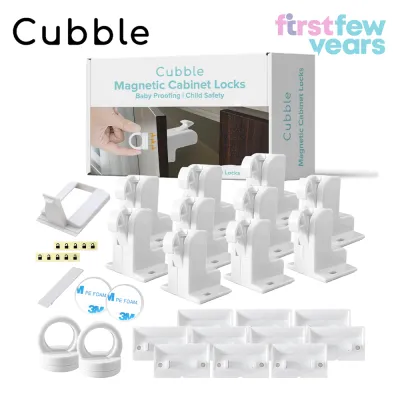
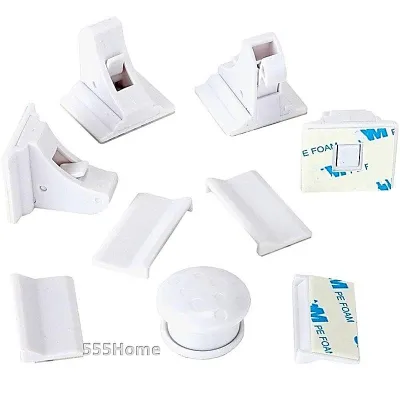
![[SG] Child Safety Door Locks Baby Safety Lock Fridge Drawer Cabinet Deadbolt Lock for Children Toilet Safety Lock](https://img.lazcdn.com/g/p/133984ff873f2d7aa9297e69e397eca3.jpg_400x400q80.jpg_.webp)
Prices are valid at publication and may change. Please refer to the product page for the latest price.
Key Criteria for Evaluating Cupboard Lock Brands
When assessing the reliability of cupboard lock brands, parents should establish a strict set of evaluation standards rather than relying solely on promotional claims. The first and most critical criterion is the presence of recognized international safety certifications and compliance labels. Trusted brands typically design their products to meet rigorous standards such as the European standard EN 16948, which specifically tests child protective devices for cupboards and drawers, or relevant ASTM standards. These certifications ensure that the lock has undergone mechanical testing to verify it can withstand repeated force and cannot be easily operated by children under 24 months of age. Additionally, verify that the materials used are non-toxic, BPA-free, and phthalate-free, as toddlers often touch, pull, or even attempt to chew on visible lock components.
The strength and type of the installation mechanism are equally vital factors to consider. Cupboard locks generally rely on either heavy-duty adhesives or physical screws to stay secured to the cabinet. For adhesive-based locks, the quality of the tape is paramount. Singapore’s high relative humidity, which frequently exceeds 80 percent, can cause standard adhesives to soften, slide, or lose their grip over time. Reputable brands address this environmental challenge by utilizing high-performance, pressure-sensitive acrylic adhesives, such as genuine 3M VHB tape, which are formulated to maintain a strong bond in warm, humid conditions. Conversely, screw-mounted locks offer the highest level of physical security but require drilling into your furniture, which may not be suitable for rental properties or delicate cabinet materials.
Long-term durability and toddler resistance should also guide your brand selection. A high-quality lock must withstand the daily wear and tear of adult use while remaining completely impassable to a determined child. Evaluate the thickness and flexibility of the plastic components; cheap, brittle plastics can warp or snap under sudden tension. Furthermore, analyze the complexity of the release mechanism. Trusted brands design locks that require dual-action movements—such as pressing two buttons simultaneously or sliding a latch while pushing down—or require a level of finger strength and coordination that young children have not yet developed. Reading user feedback specifically regarding adhesive degradation and how quickly older toddlers figure out how to bypass the lock can provide valuable real-world insights into a brand’s long-term effectiveness.
Common Cupboard Lock Types and Their Effectiveness
Understanding the different types of cupboard locks available allows you to select the most effective mechanism for your specific household needs and your baby’s developmental stage. Each lock type offers distinct advantages and trade-offs in terms of security, ease of use, and aesthetic impact.

Magnetic locks are highly secure and aesthetically pleasing. Installed entirely inside the cabinet, they leave the exterior unaltered. The lock remains engaged until a specialized magnetic key is placed against the outside of the door, pulling the internal latch down to release it. Because there are no visible parts, children are not tempted to pull on the lock, nor can they figure out how it works. However, magnetic locks require precise alignment during installation, and parents must store the key in a secure, high location out of reach.
Adhesive strap locks are highly versatile and popular for securing a wide variety of household items. These locks consist of a flexible plastic or fabric strap anchored by two adhesive pads mounted on adjacent surfaces. Because the strap can bend, these locks are ideal for securing cabinets that meet at corners, curved surfaces, drawers, and even household appliances like refrigerators, microwaves, or trash cans. They are incredibly easy to install without tools, making them a favorite for renters. The primary drawback is their high visibility; because they are mounted on the exterior, toddlers can see them and may constantly pull on them, which tests the limits of the adhesive over time.
Sliding latch locks, often referred to as U-shaped locks, are traditional external locks designed specifically for double-door cabinets with D-shaped handles or round knobs. These locks slide through the handles and lock into place, preventing the doors from being pulled apart. They are highly durable, require absolutely no drilling or adhesive, and can be easily removed when no longer needed. However, they are highly visible and can be cumbersome for adults to remove and reattach every time they need to access the cupboard. They are also only effective if your cabinets have compatible, closely spaced handles.
Spring-release latches are classic internal locks that are screwed into the inside of the drawer or cabinet frame. When you pull the drawer open, it opens slightly—usually about two to three centimeters—before a plastic hook catches on a mounted keeper, stopping the drawer from opening further. To open the drawer fully, an adult must insert their finger into the gap, press down on the flexible plastic hook to disengage it, and pull. While these latches are inexpensive and hidden from view, they do allow a small gap to open, which presents a minor risk of pinched fingers if a child tries to push the drawer closed while playing.
Matching Lock Mechanisms to Your Cabinet Design
Selecting the right cupboard lock requires a careful assessment of your cabinet’s physical structure, materials, and internal clearances. Installing an incompatible lock can lead to poor performance, damage to your furniture, or a complete failure of the safety mechanism.
First, evaluate the cabinet materials. Solid timber cabinets are highly robust and can easily accommodate screw-mounted locks, such as spring-release latches or sliding latches, without risk of splitting, provided you drill pilot holes first. However, if your cabinets are made of medium-density fibreboard (MDF), particleboard, or have a thin laminate veneer, screws can strip the material under repeated tension, making heavy-duty adhesive locks a more reliable choice. Glass-fronted cabinets, metal frames, or high-gloss acrylic finishes strictly require adhesive-based locks, as drilling is either impossible or will cause permanent, unsightly damage to the surfaces.
Next, measure the physical dimensions and gaps of your cabinetry. For drawers, measure the clearance between the top of the drawer side and the underside of the cabinet countertop or frame. Internal mechanisms like magnetic locks or spring-release latches require a minimum internal clearance—often between two and three centimeters—to function properly without jamming or preventing the drawer from closing fully. If the internal clearance is too tight, an external adhesive strap lock is a much safer and more practical alternative.
Additionally, consider the handle configuration. Handleless cabinets that utilize push-to-open mechanisms or integrated J-pull handles cannot accommodate external strap locks or sliding U-shaped locks. For these modern designs, internal magnetic locks are often the only viable option, as they do not rely on external hardware to function. For double-door cupboards with vertical handles, a sliding latch lock that loops through both handles provides an instant, non-permanent security barrier without requiring any modifications to the cabinet doors.
Installation Best Practices and Safety Checks
Proper installation is just as important as choosing a high-quality brand. Even the most robust cupboard lock will fail if it is not installed correctly or maintained over time. Following a disciplined installation process ensures the locks deliver maximum protection.
For adhesive-based locks, meticulous surface preparation is the single most critical step, especially in Singapore’s humid climate. Begin by cleaning the mounting area thoroughly with isopropyl alcohol to remove grease, dust, fingerprints, and cooking oils. Avoid using household glass cleaners or multi-purpose sprays, as they often leave behind a thin chemical residue that prevents the adhesive from forming a complete bond. Once cleaned, allow the surface to dry completely. When applying the lock, press and hold the adhesive pad firmly against the surface for at least 30 seconds to activate the pressure-sensitive bond.
After mounting an adhesive lock, resist the urge to test its strength immediately. Most high-quality adhesives require a curing period of at least 24 hours to reach their maximum bonding strength. It is highly recommended to install the locks in the evening or over a weekend when the cabinets will not be opened or closed frequently, allowing the adhesive to cure undisturbed. For screw-mounted locks, ensure that the screws are driven straight and flush with the mounting bracket to prevent any misalignment that could cause the latch to slip.
Once installed, establish a monthly routine to perform safety checks on all cupboard locks. Conduct a gentle pull test on each lock, applying moderate force similar to what a determined toddler might exert, to ensure the adhesive is not peeling at the edges or sliding. Inspect the plastic components for signs of material fatigue, such as stress whitening, hairline cracks, or warping. If a lock uses screws, verify that they remain tight and have not stripped the wood. Replace any lock immediately if you observe visible wear, if the latch fails to click securely into place, or if your child successfully figures out how to bypass the mechanism.
Where to Buy and Verify Product Authenticity
To ensure you are purchasing genuine, high-quality safety products that meet international standards, it is essential to buy through authorized and reputable retail channels. Counterfeit or low-quality child safety products can fail under minimal pressure, putting your child at risk.
Prioritize purchasing cupboard locks from official brand websites, authorized physical mother-and-baby specialty stores in Singapore, or official flagship stores on major e-commerce platforms. Buying from these established channels guarantees that you are receiving authentic products backed by manufacturer warranties and reliable customer support. When shopping online, look for verified seller badges and official store labels to avoid third-party resellers offering counterfeit goods.
When you receive the product, take a moment to verify its authenticity and quality before installation. Genuine products will feature professional, high-quality packaging with complete manufacturer details, contact information, clear safety certifications, and a comprehensive, step-by-step installation manual. Look for batch numbers, barcodes, or holographic anti-counterfeit labels on the box. Avoid unbranded, poorly packaged, or unusually cheap locks—such as multi-packs priced at less than S$1 to S$2 per lock on online marketplaces—as these often lack structural integrity guarantees, use low-grade plastics, and feature weak adhesives that fail quickly.
Frequently Asked Questions (FAQ)
Do magnetic cupboard locks interfere with other household electronics?
The magnets used in child safety cupboard locks are small, localized, and generally do not emit a strong enough magnetic field to damage modern household electronics like smartphones, tablets, or smart kitchen appliances from a distance. However, as a precautionary measure, you should avoid placing the magnetic key directly on top of laptops, external hard drives, or credit cards with magnetic strips, as direct contact can potentially disrupt magnetic data storage. It is best to store the magnetic key on a high magnetic key keeper, which is often provided with the set, mounted on a wall or refrigerator door well out of your child’s reach.
How can I remove adhesive lock residue without damaging the cabinet?
To remove adhesive residue safely from wooden, laminated, or plastic cabinets, start by softening the adhesive bond. Use a hairdryer on a low-to-medium heat setting to warm the adhesive pad for approximately 30 to 60 seconds, which makes the acrylic tape pliable and easier to peel away gently. For any remaining sticky residue, apply a small amount of mild vegetable oil, baby oil, or a dedicated adhesive remover that is labeled safe for furniture finishes. Let the oil sit for a few minutes to break down the adhesive, then gently wipe it away with a soft microfiber cloth. Avoid using harsh chemical solvents like acetone or abrasive scrubbing pads, as these can permanently strip paint, varnish, or laminate finishes from your cabinetry.

Community discussion
Share your experience or ask a question. Comments are reviewed before publication.