
When your baby transitions from crawling to taking their first tentative steps, your home suddenly presents a new landscape of potential hazards. Sharp edges on coffee tables, low TV consoles, and dining room furniture become immediate safety concerns. Navigating the vast array of baby-proofing products in Singapore can be overwhelming, especially with countless unbranded options flooding online marketplaces. Finding a trusted corner guard brand requires looking past basic marketing claims and focusing on verifiable material safety, adhesive durability, and physical design.
A truly reliable corner guard brand does not just cover a sharp edge; it provides consistent impact absorption, uses non-toxic materials that are safe for curious toddlers to touch or even bite, and utilizes adhesives that withstand Singapore’s tropical humidity without ruining your furniture. By understanding how to evaluate these products, you can confidently select corner guards that offer genuine protection and long-term peace of mind.
What Makes a Corner Guard Brand Trustworthy for Parents
In the context of baby safety, trust is built on transparency and consistency. A reputable brand provides clear, accessible product labeling and detailed specifications rather than vague promises of absolute safety. Because corner guards are installed within easy reach of infants who explore their world by touch and mouth, manufacturing quality must be reliable across every batch.
Products mentioned in this guide
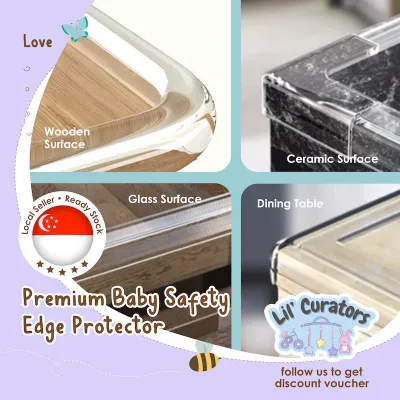
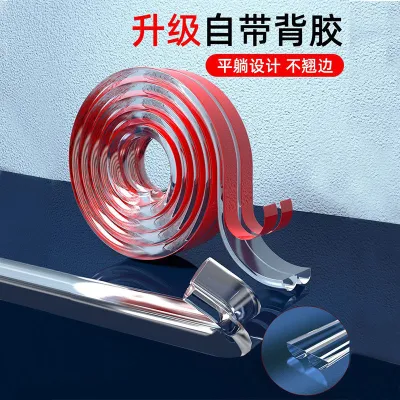
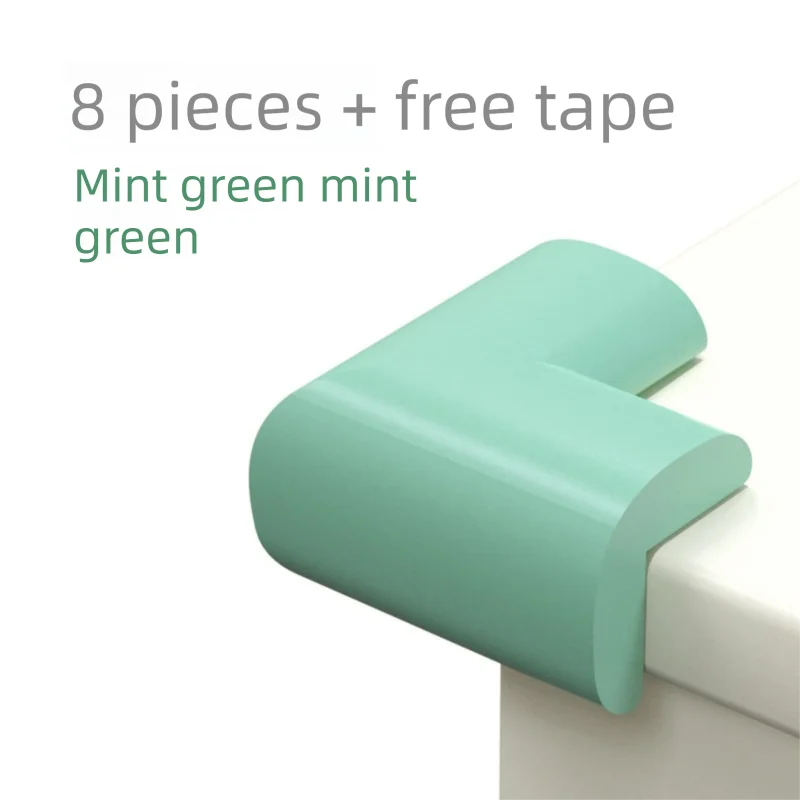
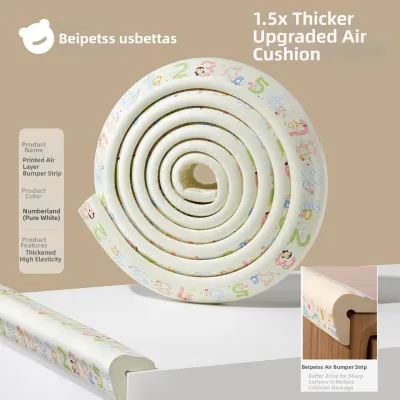
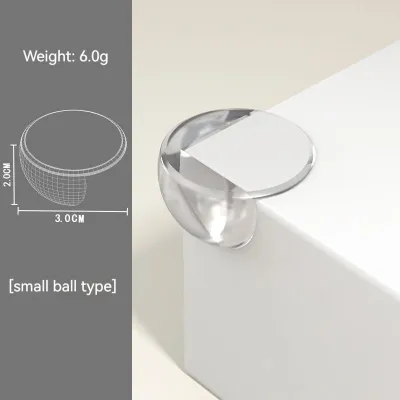
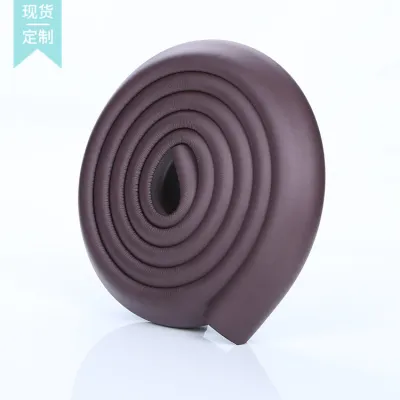
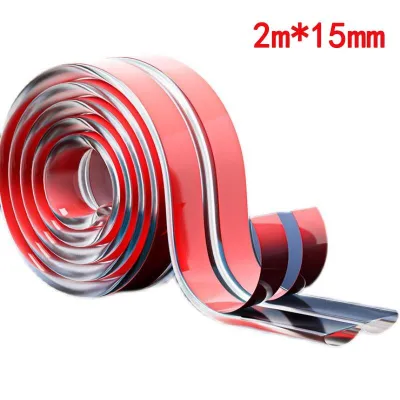
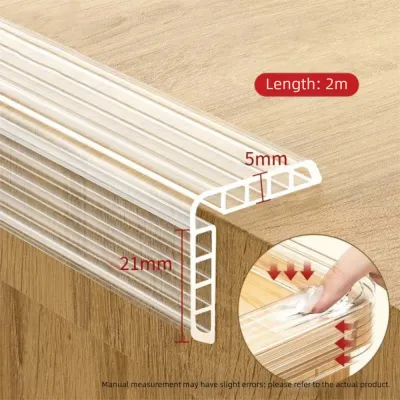
Prices are valid at publication and may change. Please refer to the product page for the latest price.
When comparing brands on local ecommerce platforms or in physical baby boutiques, you can assess reliability by focusing on three primary decision-making dimensions:
- Verified Material Safety: The brand must clearly state the exact materials used and provide evidence of non-toxic compliance.
- Adequate Impact Absorption: The physical design and material thickness must be sufficient to cushion a fall based on your child's mobility level.
- Adhesive Reliability: The product should include high-quality, surface-safe adhesives that remain secure under constant physical pressure and environmental humidity.
To help you evaluate options quickly, keep this mental checklist in mind when shopping: Does the packaging specify the exact material? Are there clear installation and removal instructions? Does the manufacturer provide contact information or a dedicated website for customer support? Brands that meet these basic criteria demonstrate a commitment to safety that generic, white-label products often lack.
Verifying Material Safety and Impact Absorption
When evaluating corner guards, material safety is paramount. Toddlers frequently pull themselves up using furniture edges, and teething babies may attempt to bite the soft guards. Therefore, you must look for explicit non-toxic indicators on the product packaging or the official brand website. Avoid relying solely on online listing titles, which often use buzzwords without verification.

Look for products certified as free from harmful chemicals, including Bisphenol A (BPA), phthalates, heavy metals, and flame retardants. Trusted brands often reference compliance with international safety standards, such as the European Union’s EN 71 safety standards or REACH regulations. You should treat these certifications as items to verify directly on the manufacturer’s official documentation or safety data sheets.
The physical properties of the material directly dictate how well it absorbs an impact. The most common materials used by reputable brands include:
- NBR (Nitrile Butadiene Rubber) Foam: This material is highly cushioned, soft to the touch, and excellent for absorbing high-impact bumps. However, it can be susceptible to bite damage from teething children.
- Silicone: Highly durable, bite-resistant, and often semi-transparent, silicone blends well with modern furniture. It is firmer than foam but offers excellent localized protection.
- PVC (Polyvinyl Chloride): Often used for clear, low-profile guards. If choosing PVC, it is critical to verify that the brand explicitly states the material is plasticizer-free and non-toxic.
Thickness and density specifications are key indicators of performance. A high-density foam guard will resist bottoming out—where the force of the impact pushes straight through the cushion to the sharp wood or glass underneath—much better than a cheap, low-density alternative. Check the product specifications for density ratings or physical dimensions to ensure the guard is thick enough for your specific furniture edges.
Ensuring Adhesive Reliability and Furniture Protection
A corner guard is only as effective as the adhesive holding it in place. In Singapore’s warm, humid climate, standard adhesives can soften, slide, or lose their grip entirely, allowing curious toddlers to easily peel the guards off. Trusted brands invest in high-quality, double-sided adhesives designed to withstand both environmental moisture and physical pulling.
When comparing adhesive types, you will generally encounter two main options:
- Double-Sided Acrylic Tape: Often clear and highly cohesive, acrylic adhesives (such as those produced by reputable tape manufacturers like 3M) offer excellent shear strength. They bond exceptionally well to smooth surfaces like glass, metal, and finished wood, and they tend to resist humidity-induced sliding.
- Standard Foam Tape: This thicker tape can help fill minor gaps on uneven surfaces, but it may degrade faster in humid conditions and can leave a stubborn, messy residue upon removal.
To ensure maximum hold, always review the brand’s instructions regarding surface preparation and curing times. Most high-quality adhesives require you to clean the furniture surface thoroughly with isopropyl alcohol to remove dust and oils, apply firm pressure across the entire guard for at least 30 seconds, and allow the adhesive to cure undisturbed for 24 hours before letting your child near it.
When reading parent reviews, pay close attention to feedback regarding long-term adhesive performance and furniture damage. A reliable brand balances strong adhesion with clean removal. Look for reports of whether the adhesive stripped the varnish off solid wood dining tables or left permanent marks on laminate finishes. If reviews consistently mention that the guards fell off within a week or ruined expensive furniture finishes, it is a sign to look elsewhere.
Filtering Parent Reviews and Brand Transparency
With hundreds of options available on online marketplaces, distinguishing genuine quality from clever marketing requires a critical eye. Many low-cost, unbranded corner guards feature thousands of positive ratings that only reflect the initial unboxing experience or the speed of delivery, rather than the product’s actual safety performance over time.
To find truly trusted brands, establish a systematic framework for analyzing online reviews:
- Prioritize Longevity Over First Impressions: Filter reviews to look for feedback written after three to six months of use. These reviews are far more likely to mention whether the material degraded, if the adhesive failed under humidity, or if a toddler managed to bite through the guard.
- Identify Specific Performance Details: Look for detailed descriptions of how the guards performed during actual household incidents, such as a child bumping into a table corner, rather than generic "good product" comments.
- Watch for Red Flags in Marketing: Be skeptical of brands that make absolute safety guarantees, such as promising their products will prevent all injuries. Genuine safety brands emphasize that corner guards are supportive tools and always remind parents that active adult supervision is mandatory.
Transparent brands make their material specifications and safety test reports easily accessible. If a brand claims to be “medical grade” or “100% non-toxic” but does not provide a downloadable safety report or clear material breakdown on their website, treat those claims with caution. You can also cross-reference brand names on local parenting forums and community groups in Singapore, where parents frequently share honest, unvarnished recommendations based on their personal experiences with local humidity and housing setups.
Maximizing Safety Through Proper Installation and Maintenance
Even the highest-quality corner guard from a trusted brand can fail if it is installed incorrectly or left unmaintained. Proper application and routine checks are essential to ensure these safety devices perform effectively when an accidental bump occurs.
To achieve a secure and lasting bond, follow these universal installation steps:
- Clean the Surface: Wipe the furniture corner thoroughly with a clean cloth and isopropyl alcohol to remove any grease, polish, or dust. Allow the surface to dry completely.
- Measure and Cut: If using a roll of edge guarding, measure the length precisely and cut clean, straight edges to prevent gaps where tiny fingers can pry the material loose.
- Apply the Adhesive: Apply the double-sided tape to the inner surfaces of the guard first, ensuring there are no air bubbles.
- Press and Hold: Align the guard carefully with the corner, press down firmly, and hold pressure across all sides for at least 30 to 60 seconds.
- Respect the Curing Period: Do not touch, pull, or test the guard for at least 24 hours. This allows the adhesive to form a complete chemical bond with the furniture surface.
Once installed, establish a routine inspection schedule. Check the corner guards weekly for any signs of edge lifting, which can quickly turn into a peeling game for your child. Inspect foam guards for bite marks, tears, or crumbling material; damaged foam poses a serious choking hazard and must be replaced immediately. If you notice any degradation, remove the guard and apply a fresh one.
When your child outgrows the need for corner guards, safe removal is key to preserving your furniture. Use a household hairdryer on a low-heat setting to gently warm the adhesive, softening its grip. Slowly peel the guard back from one end. If any sticky residue remains, apply a small amount of baby oil, vegetable oil, or a dedicated mild adhesive remover, let it sit for a few minutes, and then wipe it clean with a soft cloth.
Frequently Asked Questions (FAQ)
Are clear silicone corner guards safer than foam ones?
Neither material is universally safer; instead, they offer different practical trade-offs. Clear silicone corner guards are highly durable, bite-resistant, and visually low-profile, making them excellent for modern furniture and older toddlers who might try to peel or chew on soft materials. However, silicone is firmer than foam. Foam corner guards (such as NBR foam) provide superior, soft impact absorption for younger babies who are just learning to sit up or crawl and are prone to frequent, low-velocity bumps. When choosing, check the manufacturer’s age recommendations and assess your child’s current mobility and teething habits.
How often should I replace my baby's corner guards?
There is no fixed calendar timeline for replacing corner guards; instead, you should base replacement on observable physical conditions. Inspect the guards regularly and replace them immediately if you notice the adhesive lifting at the edges, the material yellowing or hardening, or any visible tearing. Foam guards must be replaced the moment you spot bite marks or missing chunks, as loose foam pieces present a severe choking hazard. If the guard feels loose or slides easily when pushed, remove it, clean the surface, and reinstall it with fresh adhesive.
Can I use standard corner guards in high-humidity areas like bathrooms?
Standard corner guards and their included adhesives are generally not designed for high-humidity or wet environments like bathrooms. Moisture can quickly compromise standard acrylic or foam adhesives, causing the guards to slip off smooth porcelain, tile, or glass surfaces. If you need to protect sharp corners in a bathroom or kitchen, check the manufacturer’s specifications to verify if the adhesive is rated as water-resistant or waterproof. Alternatively, look for specialized safety products designed specifically for wet environments, and ensure the surface is completely dry and free of soap scum before installation.

Community discussion
Share your experience or ask a question. Comments are reviewed before publication.