
As your baby transitions from crawling to pulling themselves up, every low-lying cabinet and drawer in your home becomes an invitation for exploration. In Singapore’s typical high-rise apartments, space is often optimized with extensive built-in carpentry, low kitchen consoles, and accessible storage units. Securing these spaces is not just about protecting your household items; it is a vital step in creating a safe environment where your child can explore without the risk of pinched fingers, access to household chemicals, or heavy objects falling from low shelves.
Finding the right cabinet locks requires understanding the unique layout of your home, the materials of your furniture, and the developmental stage of your child. While the market offers a vast array of childproofing products, not all locks are created equal. Selecting reliable options involves looking past marketing claims and focusing on mechanical design, material safety, and how well a lock can withstand daily wear in a humid tropical climate. Always remember that childproofing devices are designed to assist caregivers, not replace active adult supervision.
Key Features of Reliable Cabinet Locks for Baby-Proofing
To choose an effective cabinet lock, you must first understand the mechanical and material traits that make these safety devices work. A lock is only as good as its ability to resist a determined toddler while remaining simple enough for an adult to operate with one hand. Evaluating these features beforehand ensures you select a system that fits your daily routine.
Products mentioned in this guide
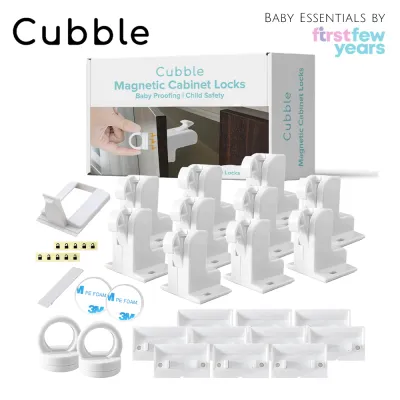
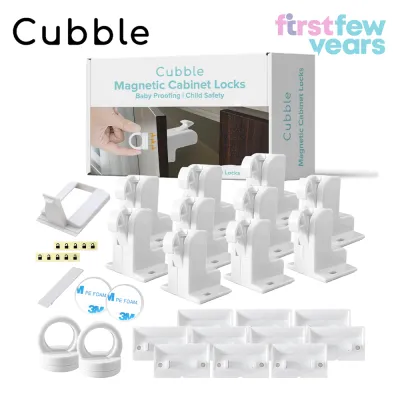
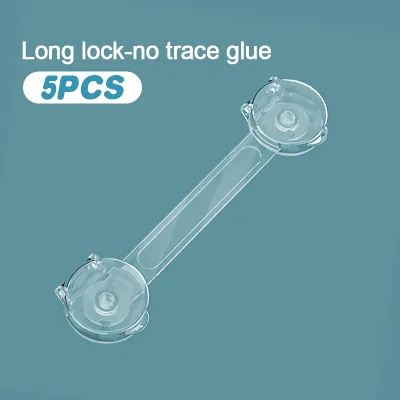
Prices are valid at publication and may change. Please refer to the product page for the latest price.
Locking mechanisms generally fall into three categories: magnetic, strap, and latch systems. Magnetic locks are completely concealed inside the cabinet, using a powerful magnetic key from the outside to release an internal latch. This mechanism keeps the lock entirely out of sight, preserving the aesthetic of your carpentry while preventing children from even realizing there is a lock to tamper with. However, they require you to keep a magnetic key nearby and out of reach of children.
Strap locks utilize a flexible plastic or fabric band anchored by two adhesive pads. They are highly versatile, bending around corners and securing appliances, but they remain fully visible and can be vulnerable to older toddlers who learn by observation. Spring latches or traditional latch locks are mounted inside the drawer or cabinet door. When you pull the drawer open slightly, you must press down on a flexible plastic arm to release the catch. These are highly reliable and do not require a separate key, but they do allow the drawer to open slightly, which can still present a minor finger-pinch hazard if not installed with precise clearance.
The materials used in cabinet locks must withstand constant pulling, slamming, and environmental exposure. Look for high-grade ABS plastic or reinforced nylon, which offer excellent tensile strength and do not easily snap under sudden impact. Because babies and toddlers frequently explore their environment with their mouths, any accessible parts of the lock—especially external strap locks—must feature non-toxic, BPA-free, and phthalate-free finishes.
A lock that is too difficult for an adult to open can lead to frustration, resulting in caregivers leaving the lock disengaged. The ideal cabinet lock features a dual-action opening mechanism—such as pressing two buttons simultaneously or sliding a release catch while pulling—which requires manual dexterity beyond a young child’s developmental capability but remains intuitive for adults. For internal locks, look for models that feature a ‘disarm’ or ‘off’ switch, allowing you to temporarily disable the locking function when your child is not in the room or during heavy cooking sessions.
How to Verify Brand Trustworthiness and Safety Standards
With numerous brands available on online marketplaces and in local baby specialty stores, verifying the credibility of a manufacturer is essential for ensuring your child’s safety. You cannot rely solely on product names or attractive packaging; instead, you must actively verify safety standards and real-world performance indicators.

When evaluating brands, look for physical evidence of compliance with recognized international safety standards on the product packaging or the manufacturer’s official documentation. Standards such as the European Standard EN 16948 (which covers consumer-fitted child cupboards and drawer locking devices) or ASTM F1912 (for safety barriers and locks) are dynamic safety benchmarks that you should actively verify on the packaging before purchasing. Additionally, always verify the recommended age range, developmental stage suitability, weight or size limits, and specific method of use from the product documentation; never infer suitability from a product name alone.
Online marketplaces and parenting forums are valuable resources for assessing how a brand’s locks perform over time. When reading reviews, look past the initial five-star ratings and focus on feedback from users who have used the locks for six months or longer. Pay close attention to reports of adhesive failure, plastic degradation, or spring mechanisms losing tension. If multiple reviews mention that a toddler was able to pull a specific lock open with ease, or that the plastic snapped under normal adult use, it is a strong indicator of poor structural integrity.
A trustworthy brand provides comprehensive support to ensure their products are used correctly. Verify that the brand offers clear, step-by-step installation instructions, preferably with video guides or detailed diagrams. Check if the manufacturer provides accessible customer support channels and clear warranty terms. A brand that stands behind its products will often offer replacement adhesive strips or spare parts, ensuring you do not have to buy entirely new lock sets if you need to reposition a device.
Matching Cabinet Lock Types to Your Home Furniture
No single cabinet lock style fits every piece of furniture in a Singaporean home. To ensure the locks you purchase are effective, you must match the lock mechanism to the specific design, material, and opening style of your cabinets and drawers.
External strap locks are highly effective for double-door cabinets without middle dividers, as well as drawers that sit flush against each other. They work well on both knobs and handle pulls because they anchor to the exterior frame of the furniture. However, if you prefer to keep your home’s interior design clean and uncluttered, internal latch locks or magnetic locks are superior. Internal locks are completely hidden from view, making them ideal for modern, minimalist kitchens and living room consoles.
Sliding doors, common in built-in wardrobes and some kitchen pantries, require specialized locks such as sliding door locks with folding wings that physically block the door from sliding past a certain point. Corner cabinets with rotating carousels or L-shaped drawers also present unique challenges; flexible strap locks are often the only viable option here, as they can bend around 90-degree angles. For high-temperature appliances like ovens, or high-use appliances like refrigerators, you must select locks specifically rated for heat resistance and constant vibration, ensuring the adhesive or plastic does not degrade under thermal stress.
The choice between adhesive and screw-mounted locks depends heavily on whether you own your home or are renting, as well as the material of your furniture. Screw-mounted locks provide the most secure, permanent hold and are ideal for solid wood cabinetry. However, they require drilling into your furniture, which can permanently damage laminate, veneer, or MDF surfaces. Adhesive locks use heavy-duty double-sided tape, making them perfect for rental properties and delicate surfaces. The trade-off is that adhesives require meticulous surface preparation and can be pulled off by older, stronger children if the bond is not fully cured.
Installation and Maintenance Best Practices for Cabinet Locks
Even the highest-quality cabinet lock will fail if it is installed incorrectly or left unmaintained. Proper installation and regular checks are crucial to ensuring continuous protection for your child.
Singapore’s high humidity can severely compromise the bonding strength of adhesive locks. To ensure a secure hold, you must prepare the mounting surface thoroughly. Start by cleaning the area with rubbing alcohol to remove any grease, dust, or polish residue; avoid using household glass cleaners or wet wipes, as they can leave behind a slick film. Allow the surface to dry completely. When applying the adhesive pad, press and hold it firmly against the surface for at least 30 seconds. Crucially, allow the adhesive to cure for a full 24 hours before subjecting the lock to any tension or letting your child near it.
Cabinet locks are subjected to daily wear and tear, meaning they can loosen or degrade over time. Establish a weekly routine to test every lock in your home. Give each locked cabinet door or drawer a firm tug to ensure the latch holds secure and the adhesive pads are not lifting at the edges. For magnetic locks, check that the internal spring mechanism retracts smoothly when the key is applied and snaps back instantly when the key is removed. Keep magnetic keys stored in a designated, high-up location out of your child’s reach and sight, and consider keeping a spare key in a secure drawer.
Do not wait for a lock to fail completely before replacing it. Inspect the plastic components regularly for signs of stress whitening, hairline cracks, or warping. If an adhesive pad begins to peel at the corners, do not attempt to re-stick it with household glue; instead, remove the old adhesive entirely and apply a fresh, manufacturer-approved mounting strip. If a spring latch feels sluggish or fails to engage automatically when you close the drawer, stop using the drawer immediately and replace the lock mechanism to prevent accidental access. If you notice any persistent failure in your locking mechanisms, or if you have complex carpentry that standard locks cannot secure, stop using the compromised storage areas immediately and consult a qualified professional childproofing installer.
Frequently Asked Questions (FAQ)
Are magnetic cabinet locks better than traditional latch locks?
Magnetic cabinet locks offer a significant aesthetic advantage because they are installed entirely inside your cabinets, keeping your furniture looking clean and uncluttered. They also prevent toddlers from pulling drawers open even slightly, eliminating the finger-pinch risks associated with traditional spring latches. However, they require you to use a magnetic key to open them, which can be inconvenient if you misplace the key during busy daily routines. Traditional latch locks do not require a key and are generally easier to install, but they allow the drawer to open slightly before catching, and they remain visible when the drawer is opened. Your choice should depend on whether you prioritize aesthetic seamlessness or quick, keyless access.
How can I remove adhesive cabinet locks without damaging my furniture?
To remove adhesive cabinet locks safely, you must soften the adhesive bond before attempting to peel the lock off. Use a hair dryer on a medium-heat setting to gently warm the adhesive pad for one to two minutes; this softens the tape, making it pliable. Once warmed, take a piece of dental floss or strong fishing line, slide it behind the plastic mount, and use a sawing motion to slice through the softened adhesive layer. To clean up any remaining sticky residue, apply a small amount of vegetable oil, eucalyptus oil, or a mild adhesive remover to a soft microfiber cloth and gently rub the area. Avoid using sharp metal scrapers, razor blades, or harsh chemical solvents like acetone, which can scratch, gouge, or strip the finish off wood, laminate, or painted surfaces.

Community discussion
Share your experience or ask a question. Comments are reviewed before publication.