
Finding the right storage solutions for a nursery in Singapore involves balancing accessibility, visual appeal, and safety. Transparent toy storage has become a popular choice for modern parents because it allows infants and toddlers to see their toys clearly, promoting cognitive development and independent play. When children can identify their toys without dumping out entire bins, it reduces clutter and simplifies the cleanup routine. However, selecting the best clear storage requires a careful evaluation of materials, structural design, and safety features to ensure the nursery remains a secure environment.
In compact Singaporean homes, maximizing vertical space while maintaining a clean, airy aesthetic is essential. Clear storage units help rooms feel larger by allowing light to pass through, preventing the heavy, cramped look that solid furniture can sometimes create. To make an informed purchase, caregivers must understand the differences between various transparent materials and structural designs, ensuring they choose options that withstand daily nursery use.
Key Criteria for Selecting Clear Toy Storage
When shopping for transparent toy storage, the choice of material directly impacts both safety and longevity. The three most common transparent plastics used in nursery storage are acrylic, PET (polyethylene terephthalate), and PP (polypropylene). Each material offers distinct characteristics regarding clarity, impact resistance, and scratch resistance that parents should verify on product labels before purchasing.
Products mentioned in this guide
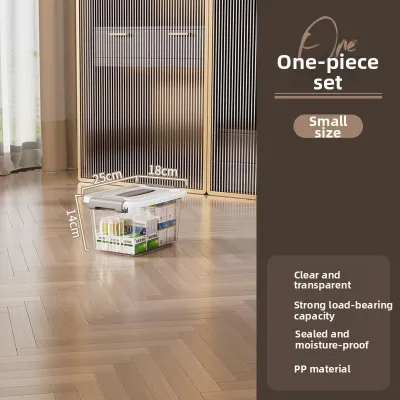
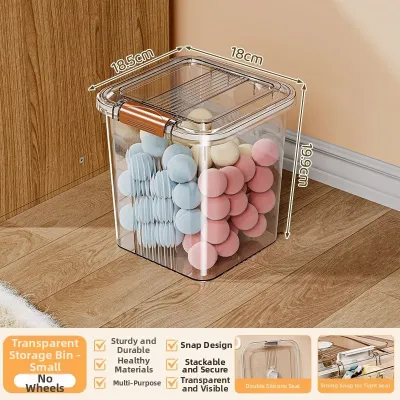
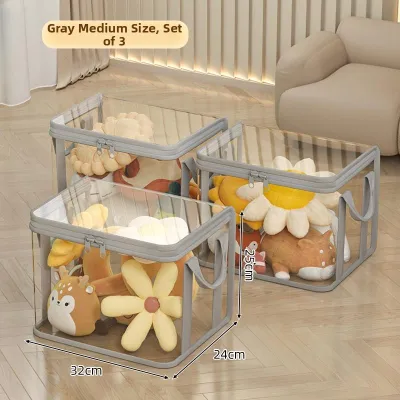
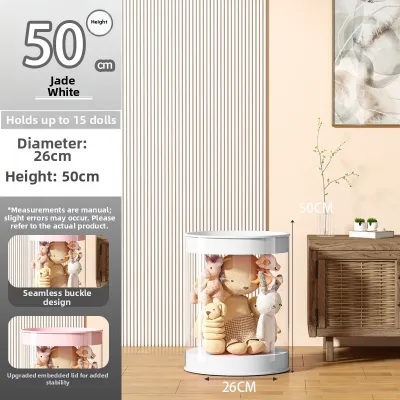
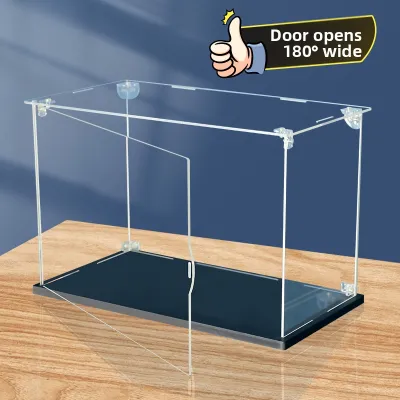
Prices are valid at publication and may change. Please refer to the product page for the latest price.
Acrylic is highly prized for its glass-like clarity and premium appearance, making it excellent for displaying books or special toys on high shelves. However, acrylic is rigid and can be brittle; if dropped or struck with a heavy toy, it can crack or shatter into sharp pieces. For this reason, acrylic storage is best kept out of reach of toddlers and reserved for decorative or caregiver-managed items.
PET plastic offers excellent clarity and is significantly more impact-resistant than acrylic. It is commonly used for clear storage bins and organizer trays because it can withstand being dropped on hard floors without shattering. While PET can still scratch over time with heavy use, it represents a highly durable and safe middle ground for active nursery environments.
Polypropylene, or PP plastic, is often slightly translucent or milky rather than perfectly clear, but it is exceptionally durable, flexible, and impact-resistant. PP bins are virtually shatterproof and highly resistant to household chemicals, making them ideal for heavy-duty toy storage. If absolute optical clarity is not required, translucent PP bins offer the most resilient and budget-friendly option for toddler play areas.
Beyond material composition, edge finishing and structural stability are critical safety factors. Caregivers should inspect units for rounded corners and smooth, polished edges to prevent scratches on delicate skin. The base of any storage unit must be wide and stable enough to prevent tipping when a child reaches inside or leans against it.
Weight capacity and ease of operation are also vital for daily usability. Bins and drawers should be lightweight enough for caregivers to handle easily, even when filled to capacity. For older toddlers learning to tidy up, the storage mechanisms must be simple enough for small hands to operate independently without frustration.
Main Types of Transparent Nursery Storage
Different toy categories and room layouts require specific structural forms of clear storage. Matching the right type of storage to your child’s toys and daily routines ensures the nursery remains organized and functional.

Stackable Clear Bins and Boxes
Stackable clear bins are highly efficient for organizing bulk or categorized toys, such as wooden blocks, train tracks, or plush toys. By stacking units vertically, caregivers can save valuable floor space in smaller nursery layouts while keeping toys visible and organized.
When selecting stackable bins, the lid mechanism is a primary safety and usability consideration. Snap-on lids keep dust out and secure the contents, but they often require adult assistance to open and can present pinch hazards for small fingers. Hinged lids offer easier access for toddlers but must be checked for smooth movement and lightweight construction to prevent them from slamming down on hands.
Stackability limits must be strictly observed to prevent toppling hazards. Caregivers should never stack bins higher than a toddler’s shoulder height, and the bins must feature secure interlocking grooves on the lids and bases. Without these interlocking features, stacked bins can easily slide off one another if bumped during play.
Transparent Drawer Units
Freestanding or modular transparent drawer units are excellent for organizing smaller, frequently used items like crayons, puzzle pieces, figurines, or baby accessories. Drawers allow for quick visual inventory management, helping parents and children find specific items instantly without rummaging.
Safety features are paramount for drawer units, as toddlers often pull drawers out with force. Caregivers must verify that the unit includes built-in drawer stoppers to prevent the drawers from being pulled completely out of the frame and falling onto a child. Additionally, anti-tip mechanisms or wall-anchoring capabilities are essential for taller drawer units to prevent the entire structure from falling forward.
The smoothness of the sliding track is another critical factor for safe, independent toddler use. Tracks should glide smoothly without sticking, which prevents children from pulling too hard and destabilizing the unit. Avoid units with heavy drawers that require significant force to open or close.
Rolling Clear Carts
Mobile, multi-tier transparent carts offer excellent flexibility for dynamic nursery layouts and multi-functional spaces. They function beautifully as mobile playstations, allowing caregivers to move art supplies, books, or developmental toys easily between the nursery and the living room.
To ensure safety, rolling carts must feature reliable wheel locking mechanisms on at least two wheels to keep the cart stationary during play. The base of the cart should be wider than the upper tiers to maintain a low center of gravity, preventing the cart from tipping over if a child pulls on the top handle.
Tier depth and lip height are also important considerations for mobile storage. Deep tiers with high protective lips prevent toys from sliding out and falling onto the floor while the cart is being moved across different floor surfaces, such as rugs or tiles.
Safety and Durability Checks Before Purchase
Before integrating any transparent storage unit into a nursery, caregivers should perform thorough physical inspections and safety verifications. These checks help prevent common household accidents and ensure the storage remains durable over years of use.
Upon unboxing any new storage product, carefully run your fingers along all edges, corners, and seams. Check for sharp molding lines, brittle plastic fragments, or rough spots left behind during the manufacturing process. Any unit exhibiting sharp edges or manufacturing defects should be returned or exchanged immediately.
For taller storage units, such as multi-tiered drawer systems or shelving units, wall anchoring is highly recommended. In Singapore, where concrete walls are standard in most homes, ensure you use appropriate masonry wall plugs and screws to secure the anti-tip hardware firmly to the wall. Never rely solely on adhesive strips for heavy or tall furniture units.
Always review the manufacturer’s age recommendations and weight limits printed on the packaging or product labels. Some storage units are designed strictly for adult use or decorative purposes and may not be rated for toddler interaction. Adhering to these guidelines prevents structural failures and ensures the product is used safely.
Tips for Organizing and Maintaining Clear Storage
While transparent storage is excellent for visibility, it can quickly look cluttered if toys are thrown inside haphazardly. Implementing simple organization and maintenance routines keeps the nursery looking tidy and hygienic.
To prevent visual clutter, consider using internal dividers or small, colorful opaque pouches inside larger clear bins. This allows you to group tiny items, like puzzle pieces or building accessories, while keeping the overall look of the bin neat and organized. Placing larger, more visually appealing toys at the front of the bin also helps maintain a tidy appearance.
Cleaning transparent plastics requires specific care to prevent clouding, scratching, or degrading the material. Avoid using harsh chemical cleaners, glass sprays, or abrasive scrubbing sponges, which can permanently scratch or dull the surface of acrylic and PET. Instead, wipe the bins down with a soft microfiber cloth dampened with warm water and mild baby-safe dish soap.
Establish a routine check every few months to inspect the storage units for signs of wear and tear. Look for stress cracks near joints or handles, warped lids that no longer fit securely, or degraded wheels on rolling carts. If you detect any structural damage or cracks, discontinue use immediately to prevent injuries from sharp edges or collapsing units.
Shopping Channels and Selection Strategies in Singapore
Navigating the local retail landscape in Singapore allows parents to find high-quality transparent storage that fits their specific space and budget. Both physical retail stores and online marketplaces offer unique advantages for shoppers.
Visiting physical home goods stores and furniture showrooms in Singapore is highly recommended for initial research. This allows you to perform tactile safety checks, feel the quality of the plastic, test the smoothness of drawer slides, and assess the overall stability of the units in person. Many local shopping malls feature dedicated home organization retailers where you can evaluate these products firsthand.
Online marketplaces and ecommerce platforms offer a wider variety of sizes, shapes, and modular configurations that may not be available in physical stores. When shopping online, read the product specifications carefully, paying close attention to the exact dimensions and material listings. Review customer feedback specifically looking for comments on real-world durability, clarity, and packaging quality during delivery.
Before placing an order, measure your nursery space precisely, taking into account door swings, baseboard gaps, and clearance for drawers to open fully. If purchasing flat-packed units online, verify whether assembly is required and check the retailer’s return policy in case the product arrives damaged or does not meet your safety expectations.
Frequently Asked Questions (FAQ)
Are transparent plastic storage bins safe for babies and toddlers?
Transparent plastic storage bins are safe for nurseries provided they are made from non-toxic, BPA-free materials and are used under appropriate conditions. Caregivers should verify manufacturer labels to ensure the plastic is free from harmful chemicals and rated for children’s environments. Beyond chemical safety, physical hazards such as sharp edges, pinching lids, and tipping risks must be carefully managed. No storage unit replaces active caregiver supervision, and children should always be monitored during play to ensure they do not climb on or misuse the storage bins.
How do I keep clear plastic storage from looking messy?
To keep clear plastic storage looking neat, group similar toys together and avoid overfilling the bins. Utilizing uniform internal containers, such as small fabric inserts or color-coded pouches, helps conceal smaller, mismatched items while maintaining the benefits of a clear outer bin. You can also place less visually appealing toys in opaque bins on lower shelves, reserving the clear bins for colorful, neatly arranged toy sets. Applying minimal, consistent labels on the outside of the bins can also guide older children in returning items to their proper places, maintaining order over time.

Community discussion
Share your experience or ask a question. Comments are reviewed before publication.