
Creating a safe, functional, and inviting nursery requires careful planning, especially when it comes to managing the inevitable influx of baby toys. In the early months, a baby’s toy collection might consist of a few simple rattles, soft books, and plush animals. However, as your child grows and begins to explore their environment, their playthings will multiply and diversify, demanding a reliable storage system. The most effective toy storage boxes for a baby’s nursery are those that seamlessly blend safety, accessibility, and organizational flexibility, ensuring that the room remains a peaceful space for both rest and play.
When selecting storage solutions, it is helpful to view the nursery through your baby’s eyes. A low-profile, open-top bin looks like an invitation to explore, allowing a crawling infant to reach for a favorite toy independently. Conversely, a heavy, closed chest can represent a physical barrier or even a safety hazard. By choosing storage options that align with your child’s developmental stage, you not only keep the nursery tidy but also foster early cognitive skills, such as categorization, decision-making, and spatial awareness.
Furthermore, nursery organization is not a static project; it is an evolving system that must adapt to your family’s changing needs. A storage setup that works perfectly for a six-month-old who is just learning to sit up will need to function differently when that same child becomes a curious toddler pulling themselves up on furniture. Investing in versatile, modular, and highly secure storage units from the outset saves time, money, and effort, allowing you to reconfigure the layout as your child’s motor skills and play patterns mature.
Products mentioned in this guide
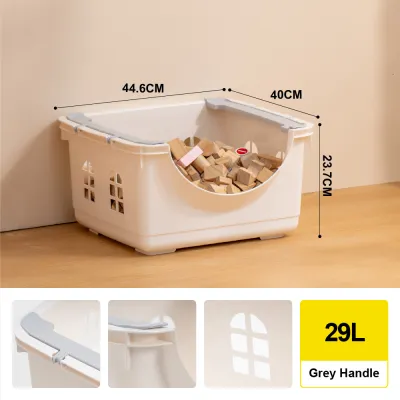
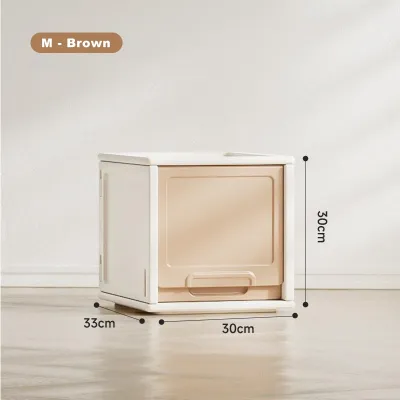
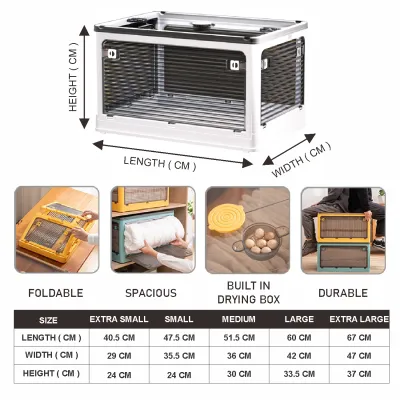
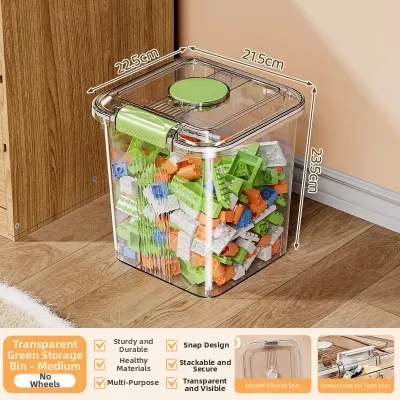
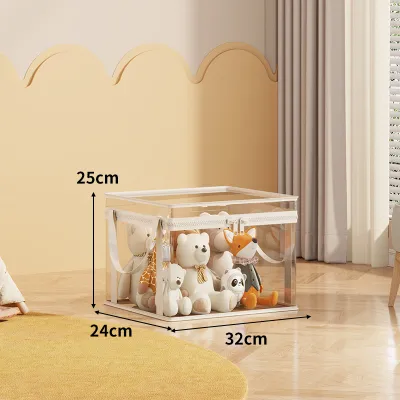
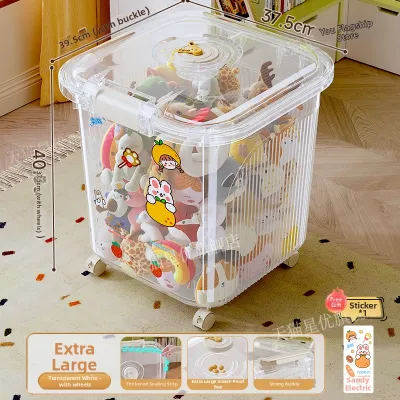
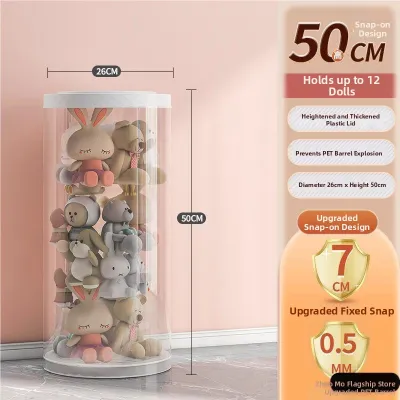
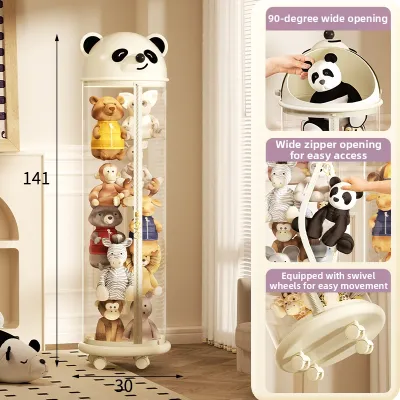
Prices are valid at publication and may change. Please refer to the product page for the latest price.
Ultimately, the goal of nursery toy storage is to strike a balance between adult convenience and child independence. Caregivers need a system that makes cleanup quick and effortless at the end of a long day, while babies need safe, frustration-free access to their playthings. By focusing on robust construction, non-toxic materials, and intuitive layouts, you can design a nursery that supports your child’s growth while maintaining a clean, organized, and harmonious home environment.
Essential Criteria for Selecting Nursery Toy Storage
When evaluating any toy storage unit for a baby’s room, structural stability must be your absolute highest priority. Babies are naturally curious and will inevitably use furniture, shelves, and storage boxes to pull themselves up to a standing position. To prevent dangerous tip-over accidents, look for sturdy, wide-based units that resist wobbling. It is critical to check whether the manufacturer includes wall-anchoring hardware with the product; if not, you must purchase compatible safety straps or brackets separately to secure the unit firmly to the wall studs. Even low-profile shelving units can become unstable if a child attempts to climb on the shelves or pull out heavy lower drawers.
Material safety is another non-negotiable factor when selecting nursery storage, as infants explore their world by touching, holding, and frequently mouthing objects. Carefully review product labels and specifications to verify that all finishes, paints, and sealants are non-toxic, lead-free, and low in volatile organic compounds (VOCs). If you are opting for plastic storage bins, ensure they are made from food-grade, BPA-free, and phthalate-free plastics. Additionally, run your hands over every surface of the storage unit before placing it in the nursery; check for rough wood grain, splinters, sharp plastic edges, or exposed metal fasteners that could scratch delicate skin.
The design of lids and closures on storage boxes requires careful scrutiny to prevent painful finger-trapping incidents or more severe injuries. Traditional toy chests with heavy, free-falling lids pose a significant risk to young children who may reach inside and accidentally pull the lid down on their fingers, hands, or head. To eliminate this hazard, prioritize open-top designs, completely removable lightweight lids, or boxes equipped with certified soft-close safety hinges. A high-quality safety hinge should hold the lid open securely at any angle and require active downward pressure to close, ensuring it never slams shut unexpectedly.
In addition to physical safety, consider the ease of maintenance and hygiene when choosing storage materials. Nurseries are prone to spills, spit-up, and dust accumulation, meaning your storage boxes will require regular cleaning. Smooth, non-porous materials like high-quality plastics or sealed wood can be wiped down quickly with a damp cloth and mild soap. For fabric or canvas bins, check if the inner lining is water-resistant or if the entire bin can be spot-cleaned without degrading the structural cardboard or plastic inserts inside. Keeping the storage containers clean helps maintain a healthy indoor environment for your developing baby.
Finally, consider the weight and portability of the individual storage boxes. Lightweight bins made of fabric, felt, or woven rope are ideal for nursery use because they are easy for both parents and children to carry from room to room. If a baby accidentally pulls a soft fabric bin off a low shelf, the risk of injury is virtually nonexistent compared to a heavy wooden crate or a rigid plastic box. If you do choose heavier wooden or plastic containers, ensure they are kept on the lowest possible shelves or equipped with secure, integrated handles that allow for a firm grip during transport.
Comparing Common Toy Storage Types for Nurseries
Open-top fabric or canvas bins are among the most popular choices for modern nurseries, and for good reason. These bins are exceptionally lightweight, soft, and flexible, making them incredibly safe for babies who are learning to crawl and cruise around the room. Because they lack sharp corners and heavy lids, there is no risk of bruised shins or pinched fingers. The open-top design provides immediate visual and physical access, allowing toddlers to see their toys clearly and practice putting them back inside independently, which builds early confidence and fine motor skills.

For organizing smaller, distinct toy components or sensory items, rigid plastic boxes with dividers offer unmatched practicality. These containers are highly durable, resistant to impact, and exceptionally easy to sanitize, making them ideal for maintaining a hygienic play space. Dividers allow you to categorize items like building blocks, rattles, or teething rings, preventing them from becoming a jumbled mess at the bottom of a large chest. When selecting plastic boxes, look for models with rounded corners, secure but easy-to-operate latches, and transparent walls that let you identify the contents at a glance without opening them.
Wooden shelving units with removable crates or bins offer a classic, timeless aesthetic that can easily transition from a baby’s nursery to an older child’s bedroom. The solid wooden frame provides excellent structural integrity and stability, while the removable crates allow you to bring specific selections of toys directly to the play mat. This modular setup is highly scalable; as your child grows, you can replace the baby-friendly fabric bins inside the wooden frame with larger storage baskets or use the open shelves to display books, school supplies, and personal treasures, making it a highly cost-effective long-term investment.
Soft baskets and hampers, particularly those crafted from woven cotton rope, felt, or seagrass, are excellent for containing large, bulky, or oddly shaped items. These flexible containers are perfect for storing plush toys, soft blocks, baby blankets, and play mats that do not fit neatly into structured square bins. Their pliable walls allow them to fit easily into tight corners, under cribs, or inside closets, maximizing your available nursery space. Furthermore, their natural textures and neutral colors add a warm, cozy aesthetic to the nursery while remaining completely safe for a tumbling baby.
When deciding between these options, it is helpful to analyze the specific types of toys your baby currently owns and how those playthings will evolve over the next year. A newborn’s nursery may only require a couple of soft cotton baskets for plush toys and blankets. However, as your baby reaches nine to twelve months, they will begin playing with stacking cups, shape sorters, and musical instruments, which are better suited for open fabric bins or divided plastic containers. Combining different storage types—such as a sturdy wooden shelf holding a mix of soft fabric bins and clear plastic boxes—often yields the most functional and adaptable nursery layout.
To help you compare these options at a glance, consider how each storage type performs across key nursery requirements:
| Storage Type | Primary Material | Best For | Safety Level | Ease of Cleaning |
|---|---|---|---|---|
| Fabric Bins | Canvas, polyester, felt | Lightweight toys, rattles, soft books | Excellent (soft, no sharp edges) | Moderate (spot clean or hand wash) |
| Plastic Boxes | BPA-free plastic | Small parts, sensory toys, teething rings | High (ensure rounded corners) | Excellent (wipeable, sanitizable) |
| Wooden Shelves | Solid wood, MDF | Books, heavy toys, modular crates | High (must be wall-anchored) | High (dusting, damp cloth) |
| Woven Baskets | Cotton rope, seagrass | Plush toys, blankets, bulky items | Excellent (flexible, lightweight) | Moderate (vacuuming, spot clean) |
Designing an Accessible and Organized Nursery Layout
An effective nursery layout should be designed around your child’s physical height and developmental capabilities. To encourage independent play and early learning, place everyday, baby-safe toys on the lowest shelves or in floor-level bins where your crawling or cruising baby can easily reach them. This setup allows your child to make independent choices about what they want to play with, fostering cognitive development and self-regulation. Conversely, reserve the middle and upper shelves for items that require adult supervision, such as art supplies, toys with small parts, or fragile keepsakes that should remain safely out of reach.
Categorization is another key element of a functional nursery layout, and it can be implemented long before your child learns to read. Using simple visual cues, such as color-coded bins or clear picture labels attached to the front of storage boxes, helps pre-readers identify where their toys belong. For example, you can use a green bin exclusively for wooden blocks and a yellow bin for musical instruments. When cleanup time arrives, you can guide your child by saying, “Let’s put the blocks back in the green box,” turning a daily chore into an engaging, educational sorting game that reinforces color recognition and spatial organization.
To prevent the nursery from becoming overwhelmed by visual clutter, consider implementing a structured toy rotation system. Having too many toys available at once can overstimulate a young child, leading to shorter attention spans and a tendency to dump bins out rather than engage in deep, focused play. A toy rotation involves keeping only a small, curated selection of toys—perhaps six to eight items—on the accessible lower shelves, while storing the remainder out of sight in a closet, cabinet, or secondary storage area. Every few weeks, swap the active toys with the stored ones to instantly renew your child’s interest and curiosity.
When arranging your storage units, pay close attention to the flow of traffic and the creation of dedicated play zones within the nursery. Position your primary toy storage shelving away from the crib and changing table to keep the sleeping and diapering areas calm, quiet, and free from distractions. Create a dedicated play zone by placing a soft, non-toxic play mat in front of the low-level storage bins, giving your baby a comfortable, defined space to explore their toys. This clear spatial division helps your baby understand the different routines associated with different areas of the room, promoting better sleep hygiene and more focused playtimes.
Pre-Purchase Safety Checks and Verification Steps
Before finalizing any purchase of nursery storage boxes or shelving units, it is essential to conduct a thorough review of the manufacturer’s product specifications. Carefully read the recommended age ratings, maximum weight limits for individual shelves or bins, and detailed assembly instructions. Verify that the product is explicitly designed and certified for use in children’s environments, which often guarantees compliance with stricter chemical and structural safety standards. If you are purchasing a wall-mounted shelf or a tall bookcase, ensure that the product description explicitly states that wall-anchoring hardware is included in the package.
In addition to reading specifications, perform a meticulous visual inspection of the product images or the physical item if you are shopping in a brick-and-mortar store. Look closely for potential hazards such as small, detachable decorative parts, loose screws, or poorly finished joints that could snag clothing or scratch skin. Check the dimensions of any open compartments or finger pulls to ensure they are either too small for a baby’s finger to enter or large enough to prevent trapping. If the storage box features a lid, verify the presence of ventilation holes or a generous gap between the lid and the box frame to ensure a continuous supply of air if a child were to climb inside.
Finally, protect your investment and your peace of mind by verifying the retailer’s return and exchange policies before checking out. A reliable retailer should offer a straightforward return window, allowing you to inspect the product firsthand in your home and return it if you discover any structural defects, missing parts, or material safety concerns. Once your order arrives, open the packaging immediately to verify that all necessary safety hardware, assembly components, and instruction manuals are present and undamaged. Do not attempt to assemble or use the storage unit if any critical safety components, such as wall-anchoring straps or structural screws, are missing or compromised.
Frequently Asked Questions (FAQ)
How often should I rotate the toys in the nursery storage boxes?
There is no single, rigid schedule for rotating nursery toys, but a general guideline of every two to four weeks works well for most families. The most effective approach is to closely observe your child’s daily engagement levels during playtime. If you notice that your baby is quickly losing interest in their toys, seems easily frustrated, or simply dumps the storage bins onto the floor without playing with the contents, these are clear signs of boredom or overstimulation, indicating that a rotation is needed.
Additionally, you should align your toy swaps with your baby’s rapid developmental milestones and emerging motor skills. For instance, if your baby has recently learned to grasp objects or sit up independently, you should introduce toys from your storage closet that support and challenge these new physical capabilities, such as soft stacking rings or sensory balls. By tailoring the toy selection to your child’s current developmental stage, you keep their play environment stimulating, educational, and free from unnecessary clutter.
Are fabric storage bins safe for babies who are teething?
Fabric storage bins can be a safe option for a nursery, but caregivers must carefully verify their material composition and washability. Teething babies naturally explore their environment by mouthing objects, and the accessible edges of low-profile fabric bins are common targets for chewing. To ensure safety, choose bins made from natural, untreated, and breathable fibers such as 100% cotton canvas or organic felt, and avoid products that contain synthetic chemical coatings, flame retardants, or harsh dyes.
Because damp fabric can quickly become a breeding ground for bacteria, mold, and mildew, it is essential to select fabric bins that are either machine-washable or easy to spot-clean thoroughly. Caregivers must maintain active supervision when babies are interacting with any storage containers to ensure they do not chew on synthetic linings, loose threads, decorative labels, or the rigid cardboard inserts often used to give fabric bins their shape. If a fabric bin becomes heavily soiled, damp, or shows signs of wear and tear, it should be cleaned immediately or replaced to maintain a hygienic nursery environment.

Community discussion
Share your experience or ask a question. Comments are reviewed before publication.