
Protecting your baby from electrical hazards in the home requires understanding that there is no single “perfect” socket cover for every situation. The safest option depends on your child’s age, mobility stage, and how frequently you use the specific powerpoint.
As infants grow from stationary observers to active crawlers and curious toddlers, their ability to interact with wall outlets changes. A solution that deters a six-month-old might pose a choking hazard to an eighteen-month-old who has developed the fine motor skills to pry it loose.
To create a secure environment, parents must evaluate the physical design of different covers, balance daily usability with child resistance, and regularly inspect the installation. By matching the right protective device to your child’s developmental milestones, you can significantly reduce the risk of electrical contact.
Products mentioned in this guide
![[SG seller] Schneider electric Weatherproof IP55 In Socket Cover | 1 Gang 2 Gang Lockable | Goldberg Home](https://img.lazcdn.com/g/p/f3302220f35f3e039d1b28e1d5dd1fa1.png_400x400q80.png_.webp)
Prices are valid at publication and may change. Please refer to the product page for the latest price.
The Three Main Types of Powerpoint Socket Covers
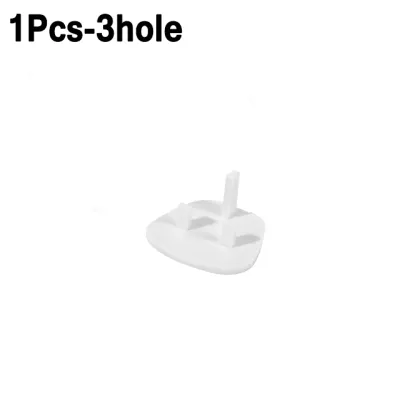
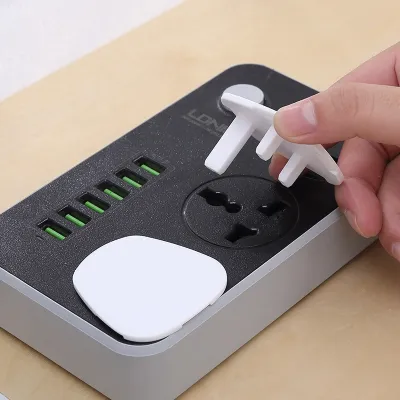
Plug-in caps are small, individual plastic inserts designed with prongs that mimic an electrical plug. They push directly into the socket holes, physically blocking access to the live contacts inside. Because they are inexpensive and highly portable, they are a common choice for temporary baby-proofing or travel.
Sliding plate covers replace or overlay your existing powerpoint faceplate. They feature a spring-loaded mechanism that automatically slides a protective barrier over the socket holes when a plug is removed. When you need to use the outlet, you insert the plug prongs, slide the mechanism to align with the holes, and push the plug all the way in.
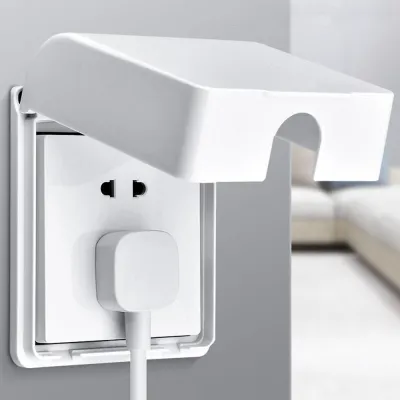
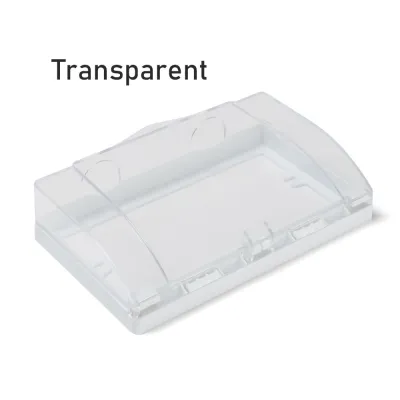
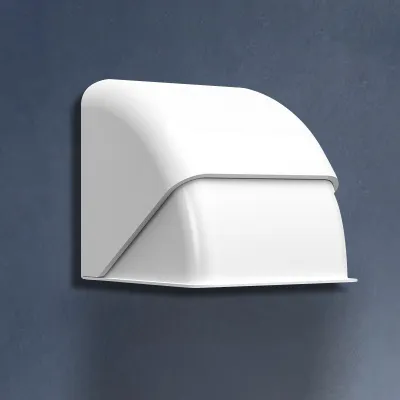
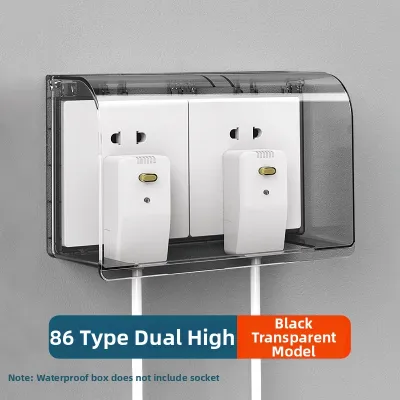
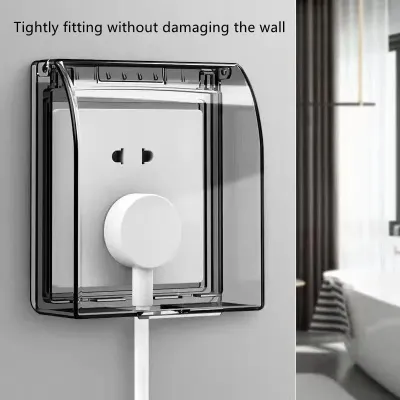
Box enclosures are larger, protective plastic boxes that completely encase the entire powerpoint, including any plugged-in cords. They typically feature a latching lid that requires adult strength or a specific dual-action motion to open. This design ensures that even if an appliance is actively plugged in, a child cannot pull the plug out or touch the exposed prongs.
Comparing Safety, Usability, and Choking Hazards
When choosing a powerpoint socket cover, you must weigh the safety benefits against daily usability and potential secondary hazards. A cover that is incredibly difficult for a child to remove may also frustrate adults, leading to the cover being left off entirely. Conversely, an easy-to-use cover might not offer sufficient protection against an inquisitive toddler.

| Cover Type | Choking Hazard Risk | Adult Usability | Best Suited For |
|---|---|---|---|
| Plug-in Caps | High (if removed by child) | Moderate (requires prying tool or strong grip) | Unused, hidden, or temporary sockets |
| Sliding Plate Covers | Low (integrated into faceplate) | High (automatic sliding mechanism) | Frequently used sockets and active households |
| Box Enclosures | Low (large, fixed structure) | Moderate (requires opening a latch to access) | Sockets with permanently plugged-in appliances |
Plug-in caps present a notable secondary risk: choking. If a toddler manages to pry a small plug-in cap out of the wall, the cap itself is often small enough to fit entirely inside a child’s mouth. Because these caps are frequently made of smooth plastic, they can easily slide down a child’s airway if swallowed, making them a high-risk option for unsupervised areas once a child gains finger dexterity.
Sliding plate covers eliminate the choking hazard because they are physically screwed or adhered over the existing faceplate. They offer excellent usability for adults, as the spring-loaded mechanism automatically closes the moment a plug is withdrawn. However, some cheaper models may have weak springs that fail over time, or they may not align perfectly with certain plug shapes, causing minor daily friction.
Box enclosures provide the highest level of physical protection for active outlets because they prevent children from pulling out cords. When a cord is pulled halfway out of a standard socket, the live metal prongs become exposed while still carrying electrical current. A box enclosure keeps the plug securely locked inside, though its bulky profile can prevent furniture from sitting flush against the wall.
Matching the Cover to Your Baby’s Development Stage
Your baby-proofing strategy should evolve alongside your child’s physical and cognitive development. What works for a newborn will likely need an upgrade once your child begins to explore the room independently.
For infants who are not yet mobile, basic visual deterrence is often sufficient. At this stage, plug-in caps or sliding plates can be installed to keep the outlets covered. Since the baby cannot yet reach the wall, the risk of them removing a plug-in cap and choking on it is virtually non-existent.
Once your baby begins crawling and pulling themselves up, their perspective shifts to floor level, bringing wall sockets directly into their line of sight. At this stage, you should transition away from loose plug-in caps on accessible outlets. Sliding plate covers are highly effective here, as they do not offer any loose parts for a crawling baby to pull out and explore with their mouth.
As your child reaches the toddler stage—standing, walking, and developing fine motor skills—they become capable of manipulating simple mechanisms. Toddlers are also highly imitative; they watch how you plug in devices and may attempt to copy you. For this active stage, box enclosures are highly recommended for any outlet that must remain in use, such as those powering fans, televisions, or baby monitors.
It is important to note that standard covers may not fit every home. If your home features non-standard, decorative, or oversized faceplates, standard covers may not sit flush. Always inspect the physical condition of your wall outlets first; if a faceplate is cracked, loose, or damaged, no cover will make it safe, and the entire unit must be addressed.
What to Verify Before Purchasing and Installing
Before purchasing any baby-proofing accessories, you must verify their compatibility with your specific home electrical setup. In Singapore, powerpoints typically use the Type G three-pin configuration, which requires covers designed specifically for this standard rather than universal or foreign-market designs.
First, check the physical shape and pin configuration of the cover. A cover designed for a different country’s outlet standard will not fit securely and may leave gaps or fail to insert completely, rendering it useless or even dangerous.
Second, look for official local electrical safety certification marks on the product packaging. While socket covers themselves are often passive plastic items, ensuring they are manufactured from flame-retardant, high-quality materials is crucial for home safety. Avoid purchasing unbranded, ultra-cheap covers from unregulated online marketplaces.
Third, ensure the installed cover sits completely flush against the wall faceplate. If there is even a tiny gap between the cover and the wall, a determined child can insert a fingernail, toy, or coin to pry the cover off.
Finally, prioritize physical safety over DIY enthusiasm. If you discover that an existing socket is loose, warm to the touch, cracked, or requires complex wiring modifications to install a replacement sliding faceplate, stop immediately. Do not attempt to modify home wiring yourself; instead, consult a qualified, licensed electrician to perform the installation safely.
Frequently Asked Questions (FAQ)
Are plug-in socket caps actually a choking hazard?
Yes, small plug-in socket caps can pose a serious choking hazard if a child manages to pull them out of the wall. Because babies naturally explore new objects by putting them in their mouths, a loose cap on the floor is highly dangerous. Always check the manufacturer’s age recommendations, verify that the caps require a key or significant adult force to remove, and regularly inspect them to ensure they have not become loose over time.
Do I need to cover sockets that are hidden behind furniture?
Yes, it is highly recommended to cover sockets even if they are currently hidden behind heavy furniture. Furniture can shift over time, or curious toddlers may crawl into tight spaces behind sofas, cabinets, or beds to explore. To ensure comprehensive safety, secure all accessible floor-level outlets, regardless of whether they are visible in your daily room layout.

Community discussion
Share your experience or ask a question. Comments are reviewed before publication.