
Managing wet, soiled, or sweaty clothes during children’s outings in Singapore requires reliable gear that can withstand high humidity and frequent use. The ideal wet dry bag is not a one-size-fits-all product; its effectiveness depends entirely on matching the bag’s size, compartments, and material features to your specific activities. Whether you are packing for weekly swimming lessons, preparing a daily preschool cubby, or organizing a full-day family excursion, understanding how to evaluate these bags ensures your dry items stay dry and your wet items remain securely contained.
Core Features to Evaluate for Active Kids
To find a wet dry bag that performs reliably, parents should first look closely at the material composition and construction. Most high-quality wet dry bags utilize polyurethane laminate (PUL) or thermoplastic polyurethane (TPU) for their waterproof linings. These materials are lightweight, flexible, and highly effective at containing moisture. However, the lining material is only as good as the seams holding it together. When evaluating a bag, check whether the seams are heat-sealed or taped rather than simply stitched with regular thread. Stitched seams create tiny needle holes that can allow moisture to seep through under pressure, especially when holding very wet items like swimsuits.
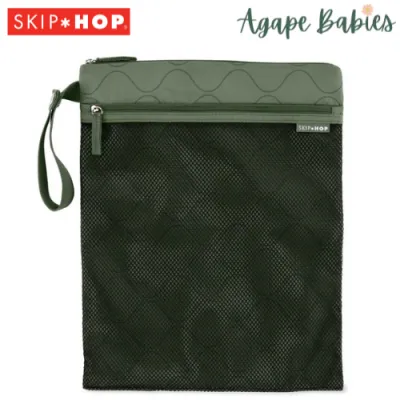
Odor and moisture management are equally critical, particularly in Singapore’s warm, tropical climate where trapped dampness can quickly lead to bacterial growth. While a completely airtight seal is necessary to prevent leaks, some bags feature dual pockets where one side is fully waterproof and the other is made of a breathable mesh. This design allows slightly damp items, like sweaty shirts, to air out slightly while keeping soaking wet items fully contained. For maximum odor control, look for bags with thick, high-quality zippers that seal tightly, preventing damp, musty smells from escaping into your main diaper bag or backpack.
Products mentioned in this guide
![[LIL BUBBA] WET BAG DIAPER POD BAG BABY CARRIER STORAGE POUCH LARGE MULTI PURPOSE](https://img.lazcdn.com/g/p/0ded3efddb6c6239227a1204b9dbc752.png_400x400q80.png_.webp)
![[LIL BUBBA] WET BAG LARGE WATERPROOF DUAL COMPARTMENTS DIAPER STORAGE BAG](https://img.lazcdn.com/g/ff/kf/S3600d08886174ed68c870a2e96a6e7eeF.jpg_400x400q80.jpg_.webp)
Prices are valid at publication and may change. Please refer to the product page for the latest price.
Closure mechanisms also play a significant role in how easily the bag can be used by both caregivers and children. Zippers are the most common and secure option, but they must operate smoothly without catching on the inner lining. For younger children taking their bags to preschool, a simple, chunky zipper with a large pull tab is often the easiest to manage independently. Alternative closures, such as roll-tops with snap buckles or drawstring toggles, offer different benefits. Roll-top bags are excellent for adjusting the bag’s size to its contents, but they can be challenging for toddlers to open and close without adult assistance.
Scenario-Based Selection Guide
Selecting the right wet dry bag requires a systematic approach based on the volume of wet items you expect to carry and the duration of your outing. Instead of relying on generic size labels like “small” or “large,” which vary significantly between brands, parents can use a simple physical check. Gather the typical items your child will use for a specific activity—such as a towel, change of clothes, and spare shoes—and place them in a pile. Measuring the dimensions of this pile gives you a realistic baseline for the bag capacity you actually need, preventing you from buying a bag that is either too cramped or unnecessarily bulky.

Swimming Lessons and Water Activities
Water activities like swimming lessons or trips to a splash pad generate the heaviest and most saturated items. A standard swim outing typically requires a bag that can accommodate a wet swimsuit, swim cap, goggles, and a damp towel. To handle this volume without compressing the items so tightly that water is forced through the seams, look for a medium-to-large bag, typically measuring around 30 cm by 40 cm.
For these high-moisture scenarios, a dual-compartment wet dry bag is highly recommended. These bags feature two separate zippered pockets, allowing you to store clean, dry clothes and a dry towel in one section, and then swap them with the wet swimwear after the lesson. Additionally, check for sturdy, reinforced snap handles or integrated carabiner clips. These features allow you to hang the heavy, wet bag on the outside of a stroller or a changing room hook, keeping the damp weight separate from your other belongings.
Daily School, Preschool, or Daycare
For daily school or daycare routines, the requirements shift from high capacity to compactness and ease of maintenance. Preschoolers rarely bring home soaking wet swim gear; instead, their bags are more likely to hold slightly damp bibs, sweaty uniforms after outdoor play, or soiled clothes from toilet training. A compact bag, roughly 20 cm by 25 cm, is ideal for these scenarios, as it easily fits inside a child’s small school backpack or a standard classroom cubby without taking up excessive space.
Because school bags are used daily, they must be exceptionally easy to clean and dry. Prioritize machine-washable materials that can withstand frequent laundry cycles without the waterproof lining peeling or cracking. Look for lightweight fabrics that line-dry quickly in indoor or shaded outdoor areas, ensuring the bag can be washed in the evening and be completely dry and ready for use the following morning. Simple, single-compartment designs are often sufficient for school, making them lightweight and easy for young children to handle.
Full-Day Outings and Travel
Extended day trips, family staycations, or outdoor adventures require a wet dry bag capable of handling multiple changes of clothes and accumulated soiled items over several hours. When you are away from home for an entire day, you may need to store damp clothes from a morning playground visit, soiled diapers, and wet wipes without any opportunity to wash or air them out. A high-capacity bag with a volume of 10 liters or more is often necessary for these excursions.
Organization is key during long trips, making multi-compartment designs highly valuable. Bags with three distinct sections allow you to keep clean clothes entirely separate from damp items, while dedicating a third, fully sealed pocket for heavily soiled or muddy gear. Carrying comfort is another crucial factor; look for wet dry bags that feature adjustable shoulder straps or backpack-style straps. This allows caregivers to carry the wet gear comfortably and hands-free, leaving their hands free to manage strollers, hold hands, or navigate busy public transport.
Durability, Hygiene, and Safety Checks Before Purchase
Before purchasing any wet dry bag, conducting a thorough physical inspection of the hardware and construction can save you from mid-outing failures. Examine the zipper teeth and pull tabs closely; opt for thick, molded plastic zippers rather than metal ones, as plastic is highly resistant to corrosion from chlorinated pool water or salty beach air. Check the stitching along the zipper tape and handles to ensure there are no loose threads or uneven seams that could unravel under the weight of wet clothes.
Care label verification is another essential step to ensure the bag’s longevity. Always read the manufacturer’s washing instructions before buying. Some waterproof linings, particularly those made of lower-grade laminates, can degrade, bubble, or peel if washed in hot water or dried in a high-heat tumble dryer. If you prefer the convenience of machine washing and drying, verify that the product specifications explicitly support these care methods to avoid damaging the waterproof barrier.
Safety and chemical compliance are paramount, especially since wet dry bags frequently store items that come into direct contact with a child’s skin or mouth, such as bibs, eating utensils, or teething toys. Parents should look for manufacturer certifications or product labels indicating that the bag is free from BPA, lead, PVC, and phthalates. Verifying these safety standards ensures that no harmful chemicals leach onto your child’s clean clothes or feeding accessories while stored in the warm, enclosed environment of the bag.
Building Your Wet Dry Bag Setup: Single vs. Multiple Bags
When planning your gear setup, deciding whether to invest in a single versatile bag or a multi-bag rotation depends on your family’s daily routine and budget. A dedicated rotation of multiple bags is often the most hygienic and practical approach for active families. Having separate bags for daily preschool use and weekend swimming lessons ensures that you always have a clean, dry bag available, even if one is currently in the laundry or hanging up to dry. This rotation also prevents cross-contamination, keeping school gear free from pool chemicals or outdoor mud.
For families seeking a minimalist or budget-friendly approach, a medium-sized, dual-compartment bag serves as an excellent hybrid solution. This single-bag setup is compact enough to tuck into a standard daypack for daily errands but possesses enough capacity and separation to handle spontaneous water play or a trip to the local pool. While a single bag requires more frequent washing and careful planning to ensure it dries in time, it minimizes storage space and reduces upfront costs.
When allocating your budget, prioritize spending more on a high-durability, heavy-duty wet dry bag for high-moisture activities like swimming and travel, where leak prevention and robust zippers are critical. For daily preschool or daycare needs, where the contents are typically only damp or lightly soiled, simpler and more affordable single-pocket bags are highly cost-effective. This balanced approach ensures you have reliable protection where it matters most without overspending on basic daily storage.
Frequently Asked Questions (FAQ)
How do I prevent mold or mildew from forming inside the bag?
To prevent mold and mildew in Singapore’s humid climate, never leave wet items sealed inside a wet dry bag for extended periods. Empty the bag immediately upon returning home, turn it completely inside out, and wipe down the waterproof lining with a damp cloth. Wash the bag regularly according to the manufacturer’s instructions, and hang it to air-dry in a well-ventilated area away from direct, intense sunlight, which can degrade the lining. If you notice persistent black spots or a sour odor that remains after a thorough wash, the waterproof barrier may have degraded, indicating that the bag should be replaced to maintain proper hygiene.
Can I use a standard wet dry bag for storing soiled cloth diapers?
While standard wet dry bags are suitable for damp clothes, storing soiled cloth diapers requires specific design features to manage heavy moisture and intense odors. Look for bags specifically labeled for diapering, which typically feature thicker, double-layered PUL linings and heavy-duty, odor-sealing zippers. Always verify the manufacturer’s care guidelines to ensure the bag can withstand the frequent, high-temperature washing cycles required for diaper hygiene without peeling or losing its waterproof properties.

Community discussion
Share your experience or ask a question. Comments are reviewed before publication.