
Selecting the right waterproof pouch for your child depends heavily on where they are going and what they need to protect. For a daily school bag, a lightweight, highly organized, and easily accessible pouch is ideal for keeping worksheets, tablets, and damp physical education (PE) uniforms separated from other school supplies. Conversely, an outing bag requires a heavy-duty, highly durable, and securely sealed pouch—such as a roll-top or thick-gauge zip design—to withstand outdoor elements, sudden tropical downpours, and rough handling during family excursions or sports activities. Matching the pouch design to the specific environment ensures your child’s belongings stay dry while remaining easy for them to manage independently.
Comparing School and Outing Scenarios: What Your Child Actually Needs
Daily school routines and outdoor weekend excursions present very different challenges for a child’s gear. At school, the environment is structured and predictable, with transitions between classrooms, covered walkways, and canteens. The primary hazards are internal spills—like a leaking water bottle or a messy lunchbox—and dampness from a sweaty PE shirt or wet umbrella. The items requiring protection are typically flat, such as homework sheets, spelling lists, art projects, or digital learning tablets.
Outdoor excursions expose your child’s bag to unpredictable weather, rough ground, and active play. Whether heading to a park, nature reserve, or swimming pool, their outing bag faces external moisture from sudden rainstorms, wet grass, or splashes. The items packed for these trips are often bulkier and more varied, including a complete change of clothes, a damp towel, sunscreen bottles, and small personal items.
Products mentioned in this guide
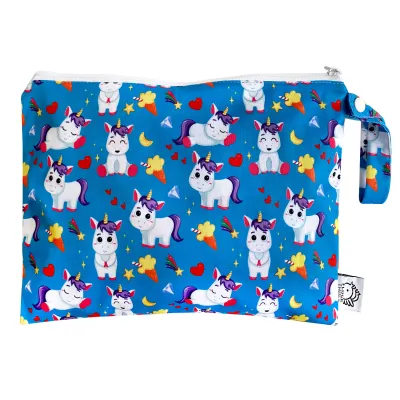
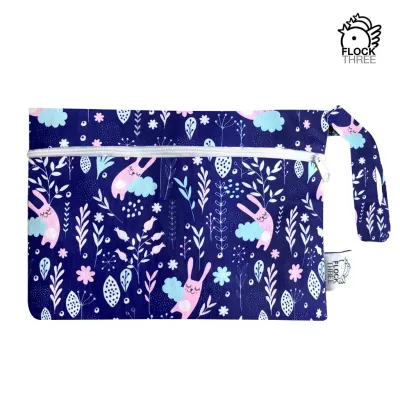
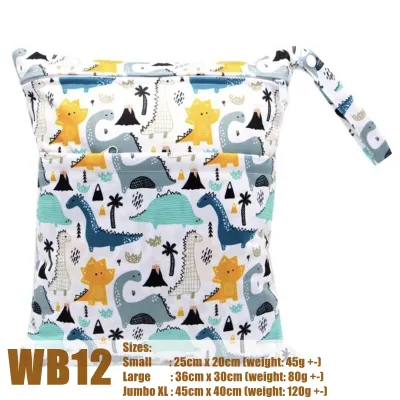
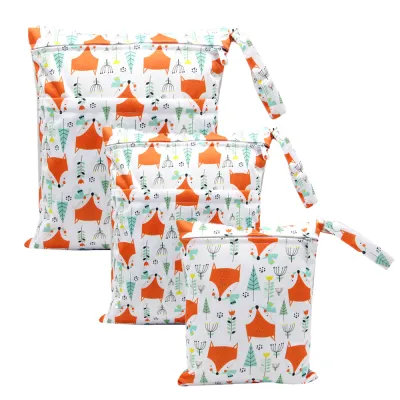
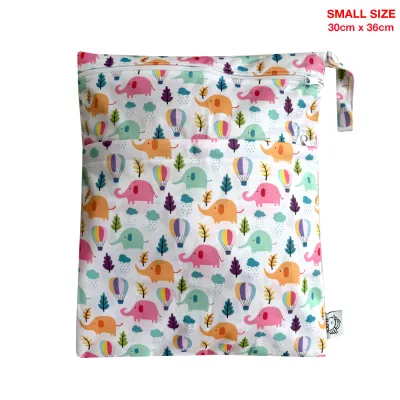

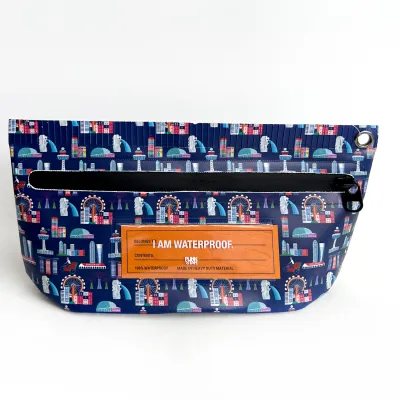
Prices are valid at publication and may change. Please refer to the product page for the latest price.
These contrasting scenarios dictate different physical requirements. A school pouch must prioritize space efficiency, flat organization, and quick access so your child can retrieve items during short lesson transitions. An outing pouch must prioritize robust water resistance, tear-resistant materials, and secure closures that remain sealed even when the bag is tossed onto the grass or dropped on a damp surface.
Choosing a Waterproof Pouch for Daily School Use
When selecting a waterproof pouch for daily school use, size and capacity should align with standard academic materials. Look for a pouch that comfortably fits A4-sized documents without folding, as teachers frequently distribute worksheets, permission slips, and drawing papers. If your child carries a school-issued tablet or learning device, choose a slim, padded waterproof sleeve that slides easily into the backpack’s dedicated laptop compartment. Keep the pouch profile slim to avoid adding unnecessary bulk or weight to an already heavy school bag.

The closure mechanism is another critical factor. Zippers, snap buttons, and hook-and-loop fasteners are excellent choices for daily school use because they allow for rapid opening and closing. Young children need closures they can operate independently without assistance from teachers. While standard zippers may not be completely airtight, they provide more than enough protection against minor splashes and leaking water bottles inside the backpack, provided the pouch is kept upright.
Organization and visibility are equally important in a busy classroom. Opt for pouches made from transparent or semi-transparent materials, such as clear PVC-free plastics or mesh-reinforced vinyl. This transparency allows your child to quickly verify that they have packed their homework or stationery without opening every compartment. Additionally, look for pouches with built-in label windows or write-on surfaces where you can clearly mark your child’s name, class, and the intended contents.
Selecting a Heavy-Duty Pouch for Outdoor Excursions
For outdoor excursions, family trips, and sports activities, a standard school pouch is rarely durable enough. Look for heavy-duty options designed to withstand rougher handling and direct exposure to water. Check the manufacturer’s material specifications for thick-gauge materials like thermoplastic polyurethane (TPU) or heavy-duty nylon with a waterproof coating. These materials offer high tear resistance, ensuring the pouch does not puncture when contacting keys, twigs, or rough ground. Ensure the pouch features welded or heat-sealed seams rather than stitched ones, which prevents water from seeping through needle holes.
The closure system for an outing pouch must be significantly more secure than a simple school zipper. Roll-top designs, which require folding the opening down three or four times and securing it with a heavy-duty buckle, offer excellent protection against heavy rain and temporary submersion. Alternatively, look for specialized waterproof zippers that feature a rubberized seal over the teeth. These secure closures ensure that even if the pouch is packed next to a soaking wet swimsuit or dropped into a puddle, the contents inside remain completely dry.
Portability features can also make outdoor pouches much easier for children to manage. Look for designs that include external attachment loops, D-rings, or integrated carabiners. These features allow your child to clip the waterproof pouch to the outside of their outing bag, saving valuable internal space and keeping wet items, like a damp microfiber towel, completely isolated from dry gear. Some outdoor pouches even come with adjustable shoulder straps, allowing them to double as lightweight, independent carry bags for quick walks or beach side trips.
Deciding Between One Versatile Pouch or Two Dedicated Ones
Parents often wonder if they can simplify their purchases by using a single waterproof pouch for both school and weekend outings. While a single-pouch strategy is possible, it involves several practical trade-offs. If you decide to use a heavy-duty outdoor pouch for daily school use, your child may struggle with the added weight, stiffness, and bulk. Roll-top buckles and thick TPU materials can be cumbersome to pack into a structured school backpack and may slow down a child who needs to quickly retrieve a worksheet during class.
Conversely, using a lightweight school pouch for outdoor excursions carries a high risk of failure. The thin materials and standard zippers typical of school organizers are not designed to withstand being dragged across concrete, stuffed with damp towels, or exposed to heavy tropical downpours. A single tear or a compromised zipper can result in soaked spare clothes or damaged electronics, defeating the purpose of the pouch entirely.
To make the right decision, consider a simple framework based on your child’s age, independence level, and activity frequency. If your child participates in outdoor sports or swimming lessons multiple times a week, investing in two dedicated pouches—a lightweight, clear organizer for school and a rugged roll-top pouch for outings—is highly practical. If outdoor excursions are rare, a single, mid-weight zippered pouch with reinforced seams can serve as a reasonable compromise, provided you teach your child how to handle it carefully and keep it inside the main bag during wet weather.
Maintaining the Waterproof Integrity of Your Child's Pouches
To ensure your child’s waterproof pouches continue to perform reliably, proper maintenance and hygiene practices are essential. Always refer to the manufacturer’s care label before cleaning any pouch. Most waterproof materials should only be wiped down with a damp cloth and mild soapy water. Avoid machine washing or tumble drying unless the manufacturer explicitly states it is safe, as the heat and agitation of washing machines can delaminate waterproof coatings, melt seam tape, and warp plastic zippers.
Regularly inspect the structural integrity of the pouches. Check the seams for any signs of peeling, lifting, or fraying thread. Examine the zippers for smooth operation and look for any cracks or tears in the plastic body, especially around high-stress areas like the corners and closure folds. If you notice any damage that compromises the waterproof barrier, it is time to replace the pouch to avoid unexpected leaks.
Proper drying and storage are critical to preventing the growth of mold, mildew, and unpleasant odors, particularly in warm, humid climates. After every use, especially when storing damp items like swimsuits or PE clothes, turn the pouch inside out if possible, or prop it open completely. Allow it to air-dry thoroughly in a well-ventilated indoor area away from direct sunlight, as prolonged exposure to ultraviolet (UV) rays can degrade plastic and synthetic coatings over time. Once completely dry, store the pouch flat or hang it up in a cool, dry closet.
Frequently Asked Questions (FAQ)
How can I verify a pouch is leak-proof before use?
Before trusting a waterproof pouch with valuable school electronics or dry spare clothes, you should verify its performance at home. Start by checking the product packaging or manufacturer website for specific waterproof claims or IP (Ingress Protection) ratings. To conduct a safe, practical test, place a dry piece of paper towel or tissue inside the pouch and seal the closure completely according to the manufacturer’s instructions. Submerge the sealed pouch in a basin of clean water for a few minutes, gently applying light pressure to check for escaping air bubbles. Retrieve the pouch, dry the exterior thoroughly with a towel, and open it to inspect the tissue. If the tissue is completely dry, the seal is intact; if you detect any moisture, stop using the pouch for water-sensitive items and inspect it for damage.
Is it safe to store food and snacks directly in these pouches?
You should only store food and snacks directly in a waterproof pouch if the product label explicitly states that the material is food-grade, BPA-free, and certified safe for direct food contact. Many standard utility and school pouches are made from industrial plastics, vinyl, or treated fabrics that may contain chemical additives or plasticizers not safe for ingestion. If the pouch does not have clear food-safe certifications, the recommended approach is to place snacks and lunches inside secondary, food-safe containers or silicone bags first, then place those containers inside the waterproof pouch. This secondary barrier prevents chemical cross-contamination, keeps food fresh, and makes cleaning the pouch much easier if a spill occurs.

Community discussion
Share your experience or ask a question. Comments are reviewed before publication.